





Does soy really increase estrogen levels? Short, concise and clear
 Author:
 You'd be hard pressed to find a more controversial topic in the fitness world than soy consumption. But like the vast majority of foods, soy has its pros and cons. But in today's article, we're going to take on one of the most commonly presented pieces of information, namely that eating soy can increase estrogen levels, which ruins any bodybuilding efforts and thwarts plans for muscle growth. But what is the truth in this? And can I indulge in soy at least from time to time?
Does soy contain estrogens?
No. Soy only contains a very broad group of substances referred to as phytoestrogens, which is probably why many athletes and pseudo health nutritionists draw certain conclusions about negative health effects. While phytoestrogens may have similar effects to estrogen itself, their effect is many times weaker and they are such a diverse group that it is difficult to draw any concrete answers without deeper knowledge. The phytoestrogen group includes a number of different representatives, with isoflavones proving to be the most important in the context of soy. And for these, in addition to their potential effect on increasing oestrogen, there is talk in scientific circles of, for example, a positive effect on cardiovascular health, a possible reduction in blood pressure and, in postmenopausal women, even a possible improvement in bone quality. And although the effect of phytoestrogens on the development of cancer is often cited, some studies have shown that they can have a preventive effect against cancer.
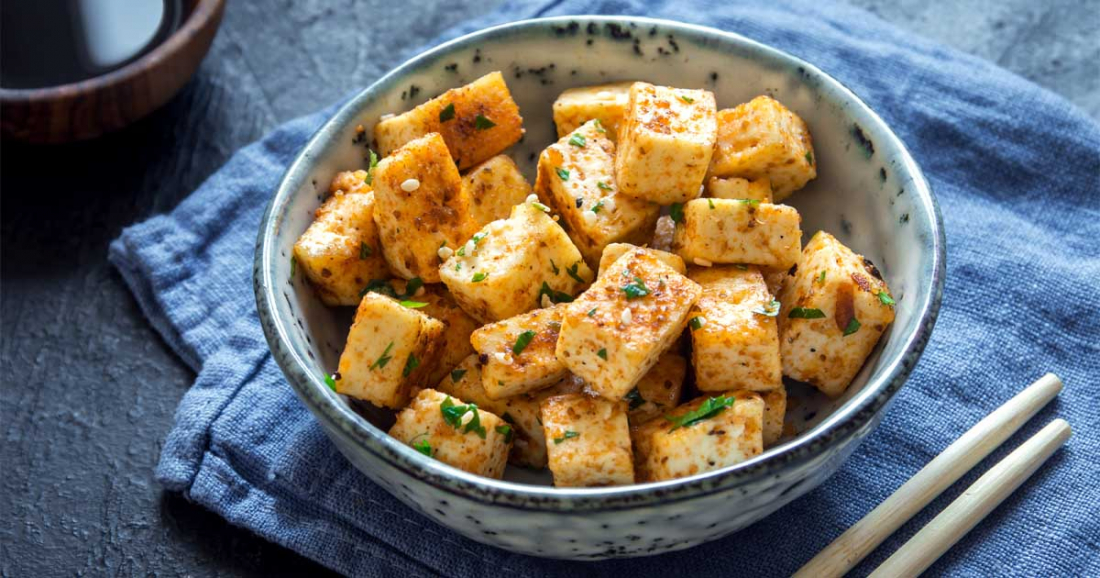
Tofu is one of the most popular soy products ever. And as long as it doesn't make up 100% of your diet, you certainly don't have to worry about negative effects.
Do phytoestrogens increase estrogen levels?
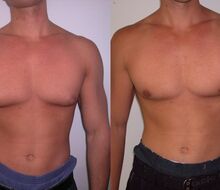
Many people are absolutely panic-stricken that after eating soy, their estrogen levels will increase or even, heaven forbid, they will stop gaining muscle mass and get gynecomastia. And although there is a huge amount of largely misleading and varying scientific evidence, the vast majority of it agrees that isoflavones have a similar chemical structure, their effect is only very weak and, moreover, slightly different from classic estrogen. In addition, it must be borne in mind that phytoestrogens are not only found in soya, but in a whole range of other legumes, currants, beer and even in the kind of rye we commonly consume in baked goods, for example. Rather than being orthoretically afraid of any consumption of soy and soy products, it is therefore more effective to stick to a healthy and balanced diet that includes as wide a range of foods as possible.
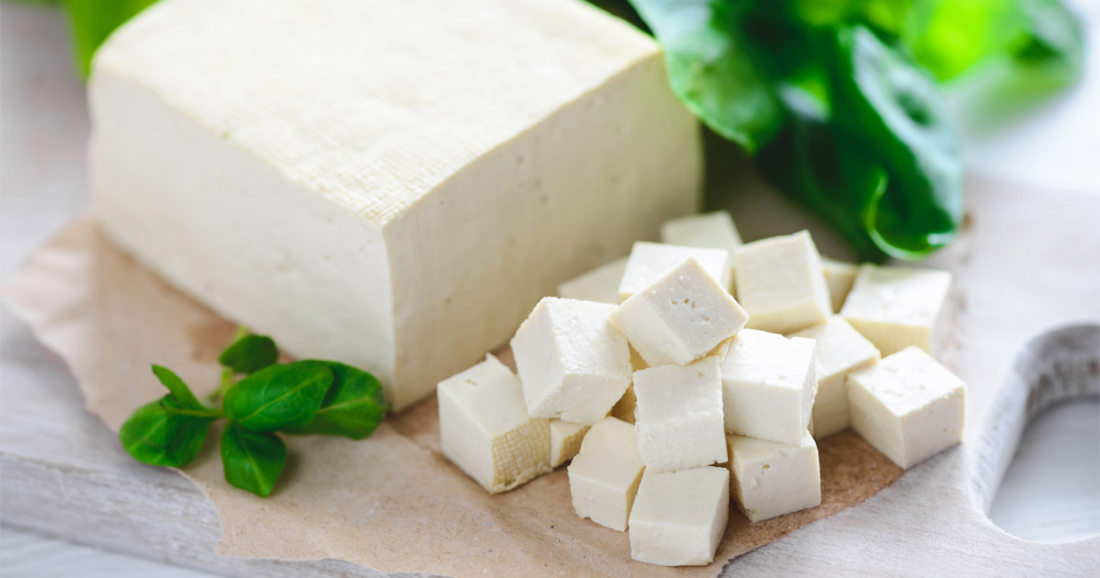
Did you know that you can flavour white tofu to your liking and even make it sweet?
Soy can have its place in a varied diet
Since all the essentials about soy and estrogen have already been covered in today's article, a little recap is all that's needed. While soy does contain substances that, in theory, can increase estrogen levels in certain amounts, eating a variety of other foods, including legumes, beer and some baked goods, can lead to the same result. What's more, you must not forget that phytoestrogens can also have a number of beneficial properties. This means that with occasional consumption, the positives will definitely outweigh the negatives. Moreover, tofu and rice noodles, for example, tastes simply wonderful , and what are we kidding ourselves, a diet based primarily on meat also has some negatives. So we recommend a balanced approach to soy consumption, but the question of whether it should be a regular part of your diet is one you have to answer for yourself.
Recommended
No posts have been made yet.








