




Lee Labrada warns: After 50, we lose muscle and strength! Why is strength training one of the best investments for later in life?
 Author:
At age 20, these things come naturally. Climbing a few flights of stairs, lifting a heavy suitcase, or moving furniture usually doesn’t require much thought. A few decades later, however, the same activities can become significantly more challenging. And it’s not just about joint pain or declining physical fitness. One reason may also be the gradual loss of muscle mass and strength.
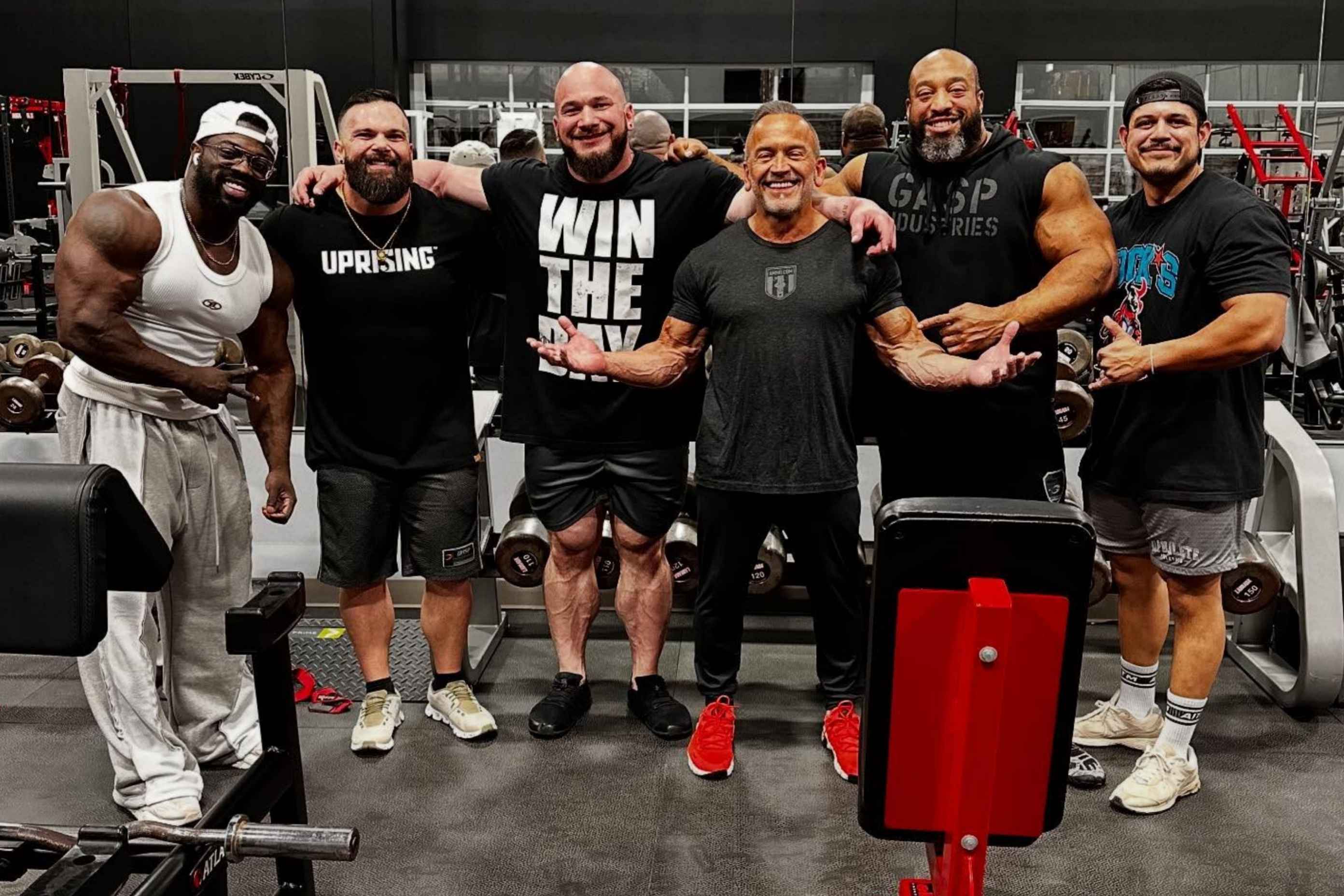
Legendary bodybuilder Lee Labrada, who at 66 still actively works out and strives to remind the public of the importance of regular strength training, has now drawn attention to this very issue. In a video posted on October 21, 2026, he explained why we shouldn’t build muscle just for the sake of appearance.
According to him, muscles represent one of the most important investments in our future health.
Muscles aren’t just about appearance. They help us remain self-sufficient
During his professional career, Lee Labrada became famous for his aesthetic physique, striking symmetry, and exceptional posing. Although he never won the Mr. Olympia title, he was regularly ranked among the world’s best bodybuilders and was able to compete even with the legendary Lee Haney on the competition stage. Today, however, he views muscles a little differently.
He explains that as we age, the sheer size of our arms or shoulders ceases to be the deciding factor. Far more important is the ability to manage everyday life without unnecessary limitations. We need strong muscles for walking, getting up from a chair, carrying groceries, or maintaining our balance.
And it is precisely their gradual loss that can significantly affect our quality of life. According to Labrada, we should therefore view strength training as a long-term investment—not just in how we’ll look next summer, but also in what our bodies will be capable of in ten, twenty, or thirty years.
After age 50, we can lose 1 to 2% of our muscle mass each year
Labrada points out that aging is associated with natural changes in muscle tissue. The scientific literature does indeed describe that after age 50, muscle mass in the lower limbs may decrease by approximately 1 to 2% per year. However, these are approximate figures based on specific population studies, not an inevitable fate for every person. It depends on physical activity, health status, and other individual factors.
But there is another fact that is even more important.
Muscle strength may decline more rapidly with age than muscle mass itself.
That is precisely why it is not enough to monitor only thigh circumference or total body weight. A person may experience a significant decline in physical abilities, even though their appearance changes only gradually. This process is related to changes in muscle tissue, the neuromuscular system, and overall physical activity. And strength training is one of the most important ways to counteract these changes.
Muscles communicate with the entire body. Lee Labrada highlighted the importance of myokines
Labrada also devoted an interesting part of his presentation to the role muscles play in the human body. He noted that muscle tissue is not merely a mechanical apparatus that enables us to move. During muscle activity, biologically active signaling molecules—including so-called myokines—are produced and released.
These may contribute to communication between muscles and other tissues and organs. Scientists are studying their effects, for example, in relation to the regulation of metabolism, inflammatory processes, and the functions of other organ systems. However, this does not mean that every myokine automatically has a beneficial effect or that the production of these substances alone can prevent specific diseases.
The research remains relatively complex.
However, it shows that the importance of active muscle tissue goes beyond the mere ability to lift heavy weights.
And it is precisely this broader perspective that Labrada considers essential.
How many times a week should we strength train?
According to Labrada, healthy aging doesn’t have to rely on any extreme workout plan. He recommends that people over forty start with about two to three strength training sessions per week. It’s important to regularly engage the major muscle groups and focus on basic movement patterns.
He mentions, for example, presses, rows, squats, leg presses, and carrying weights. The World Health Organization’s recommendations follow a similar line, advising adults to include activities that strengthen the major muscle groups at least two days a week. Of course, it’s not necessary for everyone over 50 to train like a professional bodybuilder.
On the contrary.
The most important thing is to choose a level of difficulty and range of motion that match your actual abilities and health status. Properly tailored strength training can help maintain strength, physical function, and independence even in older age.
Good nutrition is important at any age
Regular strength training is the foundation, but the body also needs proper nutrition to maintain muscle mass. As people age, it can become more difficult for some to consume enough protein, especially if they have a reduced appetite or an irregular eating schedule.
GymSupps XWhey Protein is a practical way to supplement your regular diet. It combines whey concentrate, isolate, and hydrolyzed whey protein. Protein contributes to the growth and maintenance of muscle mass and can therefore be a useful part of a balanced diet for active individuals.
However, a protein shake is not a mandatory part of healthy aging. If you can easily get the necessary amount of protein from regular foods, an additional supplement may not be necessary. For people with more serious health conditions, it is advisable to discuss significant dietary changes individually with a specialist.
The best investment in the future may not be a financial one
Lee Labrada has spent much of his life building muscle mass. Today, however, he points out that the importance of regular exercise goes beyond aesthetics. Strong muscles can mean greater mobility, better management of daily activities, and a higher degree of independence in old age. And although we cannot stop the biological aging process, we can influence certain factors related to how we will function in the decades to come.
That is precisely why Labrada recommends building and maintaining muscle strength over the long term—not so that we’ll look like professional bodybuilders at seventy, but so that we can continue to enjoy an active life even in our later years.
Because we may not truly appreciate the value of our muscles until the moment we need them for the most ordinary activities.
Recommended

New 100% Whey Protein 800g 1+1

GymSupps XWhey Protein
No posts have been made yet.