




Advice for beginners, advanced and trainers through an interview with bodybuilding GURU - Chris Aceto
 Author: Šárka Randáčková
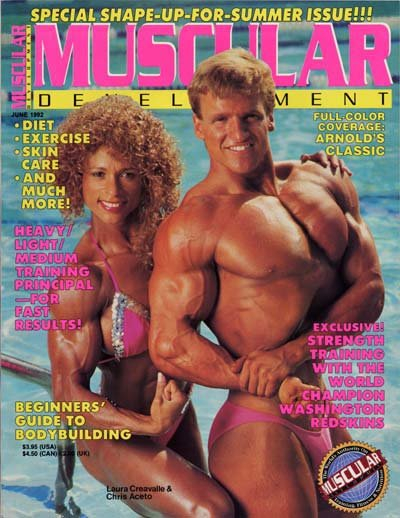
When most bodybuilding enthusiasts were just breaking into the industry, Chris was already an established expert. He rose to fame alongside legends like Lee Haney, Rich Gaspari and Lee Labrada. Today, he is one of the most respected people in the industry. His resume includes names like Mike Francois, Paul DeMayo and Jay Cutler.
As a respected trainer and consultant, Chris has the ability to evaluate on an individual basis what each of his charges needs to reach their physical potential. Ever since the 1990's when he was contacted by Joe Weider to contribute his knowledge to Muscle and Fitness magazine, Chris has been dispensing his advice to the masses.
Outside of his mentees, Chris is currently working for Muscletech, a company he helps develop supplements for.
When it comes to bodybuilding, you'll be hard pressed to find a more vocational expert. In this article, Chris, in his typical fashion, brings you great advice for beginners, advanced and coaches alike.
Today you are known as an expert in sports nutrition and training. How did you get started in this field?
At Springfield University, I read an ad looking for a trainer for a bodybuilding camp in Los Angeles. It was a challenge because the best bodybuilders of the time were going. Haney, Gaspari, Labrada, Strydom and Mike Christian were coming.
I sent in my application and was shocked to be accepted. I think they picked me and 7-10 other people out of several thousand candidates.
The owner of the camp, David Zelon, took a big risk in accepting me. I was 20 and hadn't even graduated yet. The others had PhDs in nutrition or training and were much older. Before I left for LA, David called me and told me I couldn't let him down or he'd send me straight back to Maine.
But it worked out great. Since then I've been in LA every summer and worked with very capable people and the best bodybuilders in the world. Not a bad job when you're 20.
I stayed in LA after I graduated. I got an offer from Ed Connors, the owner of Gold's Gym, and I didn't turn it down. I helped a couple of bodybuilders with their meals, and in return I had my own office, parking space, computer and secretary.
Things took off incredibly fast right from the start of my nutrition internship. Soon after, I signed a contract with a bodybuilding magazine and a consulting contract for the largest sports nutrition company at the time.
What magazine did you write for? And how did you get into it?
The first one was Muscle and Fitness. I got a call from Joe Weider himself saying he wanted me to write articles for him.
Which stories from your life are you proud of?
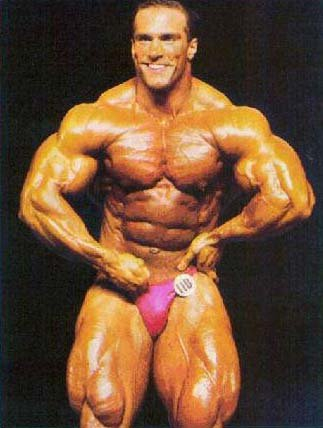 Mike Francois
If you ask about my coaching achievements, the order is as follows. Jay Cutler, Mike Francois, Paul DeMayo. I've worked with these guys from the amateur level to the professional level, and two of them were quite exceptional.
Remember, I didn't have that many clients, so to bring up three professionals is a great accomplishment for me. I've been with Jay since he was 18. Ironically, I met Mike at a competition where I was with Paul.
When I started working with Mike, it took him three years to win the Arnold Classic. I worked with Paul on and off from the time he was 20 until his 13th Mr. Olympia. Those are my measurable accomplishments.
What I take as immeasurable is that I have not wavered from my values in all this time. You won't hear any dirty stories about me anywhere. I've never treated anyone unfairly and the interests of bodybuilders have always come first for me. I've always tried to be polite to people in the bodybuilding business.
You have mentioned your athletes in countless articles that have helped people all over the world. Tell me more about your career as a journalist. What do you love most about this profession?
It makes me happy. You get to touch people's lives, help them. Over the years, I've seen a lot of my articles slightly reworked or copied. So I guess I've invented a lot of things.
My ideas keep coming back as ad copy for different products. Two examples speak for themselves. In the 90s, no one was promoting low carb diets. I did, and I wrote about it - the extremely low carb diet - and had to take it up with the editor of a famous magazine over the phone.
When the article finally came out, it said something like, "Warning, this is the author's opinion only. We don't recommend actually following it." What I'm saying is that I was promoting low carb eating long before it became popular.
I also just finished a book for Muscletech that recommends bodybuilders not do cardio. The idea is simple. If you want to sculpt and you want your muscles to look hard, cardio is more or less a waste of time.
How do you go about working with your athletes?
I have 3 rules:
1. Approach each athlete's preparation as if the race you are preparing for is the turning point in their life.
2. Never compare what worked for one bodybuilder to another.
3. Stand by your decisions.
What do you think is more important for success in bodybuilding, training or diet?
Diet. You can train like a chump, but with a good diet you'll still look pretty decent.
Recommended

Czech Virus Immunity Shield Max
MAXXWIN Isotonic drink instant
Alavis Maxima Gummies
Applied Citrus Bergamot
That's what pretty much everyone in bodybuilding follows. Your help is sought by the biggest names, so you probably know what works. What training and dietary rules apply to those trying to maximize size?
Listen to your body. It's the hardest to learn. If you feel like crap, cut your workouts short. Don't let insecurity get the better of you. If, on the other hand, you feel great pumping, don't stop. It doesn't matter that you've already done the prescribed number of sets. Why would you stop? If you don't feel anything, why would you keep exercising?
As for diet, that's where it varies. Most people need plenty of protein and benefit from leucine-based supplements as well. I use and recommend these things. You also need enough carbs to train properly, but most people don't have a problem with that because they just like to eat.
What training mistakes do beginners usually make? And what advice would you give them?
Don't copy the pros. For a beginner, for example, their diet is excessive. For starters, I would recommend eating 4 times a day and adding protein drinks.
You have an impressive physique yourself. Where do you get your training and diet advice from? Do you test your routines on yourself?
I've been training for years, which helps you realize a number of things. I listen to my body first and foremost. I also don't do cardio. Unless you count watching Superstar.
Tell us about your position at Muscletech. How did they become a leading supplement company?
Jay Cutler signed with them a few years ago. He had various offers on the table, but he did his own thing. He got on a plane and flew to Toronto to see the company. When he came back, he told me it was unreal.
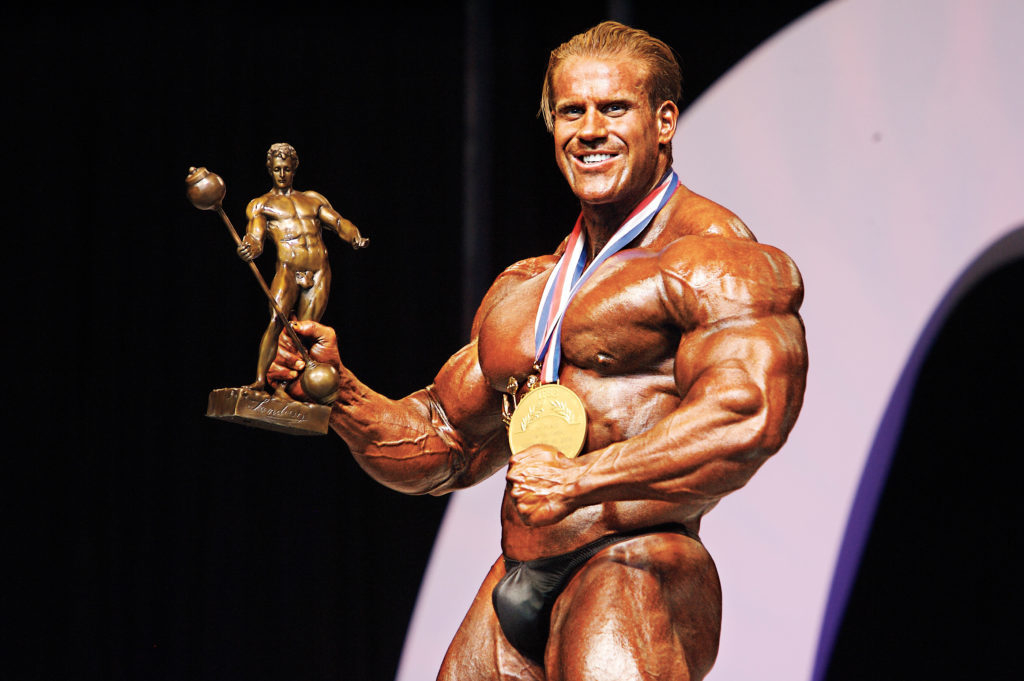
He told me about their products, the unparalleled quality and the R&D budget. I respected Jay's opinion, so when I was offered to join their team a few years later, I didn't hesitate. The rest is history.
Bodybuilding diet is an area where mistakes are repeated over and over again. What are the most common mistakes made by beginners and advanced bodybuilders, and how would you address them?
Bodybuilders make the same mistakes in life as anyone else, myself excluded. They rush and expect instant results. Building mass takes time and persistent effort. That's the secret you want to hear.
Beginners usually train too often and don't realize that diet comes first. And advanced? They often listen to too many people, which only leads to confusion and prevents them from really listening to their bodies.
Professionals? They may deny it, but they spend time on the internet looking for who insulted them when they said they didn't have good form at their last competition. Then sometimes what happens is they plan their diet based on what people say about them.
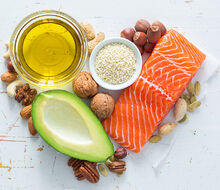
Beginners often underestimate the role of fats in the diet. How important are fats?
Not as much as protein and a little less important than carbohydrates. Protein means rebuilding and repair, carbs are fuel, but some fats regulate hormone production, which is an essential part of the growth equation.
Another burning question for many is the last week before the competition. What tips would you give bodybuilders for this period.
Punch out like crazy, fill up like crazy. That works. If you mess either one up, you're screwed. If you beat the hell out of yourself, but only add a little, you'll be flatter. The other way around, you'll be waterlogged. But if you get both right, your last week can be a complete transformation.
This is where your most successful mentee, Jay Cutler, clearly excels. What does a man with his experience really need from you, and what are his requirements?
Our relationship has evolved over the years. I used to tell him exactly how we were going to proceed before a competition. Today, I'm like a tugboat for him. He'll show me what he's doing and ask me to comment on it. But he's the captain, and he makes the decisions. He doesn't dock the boat himself. He needs some help.
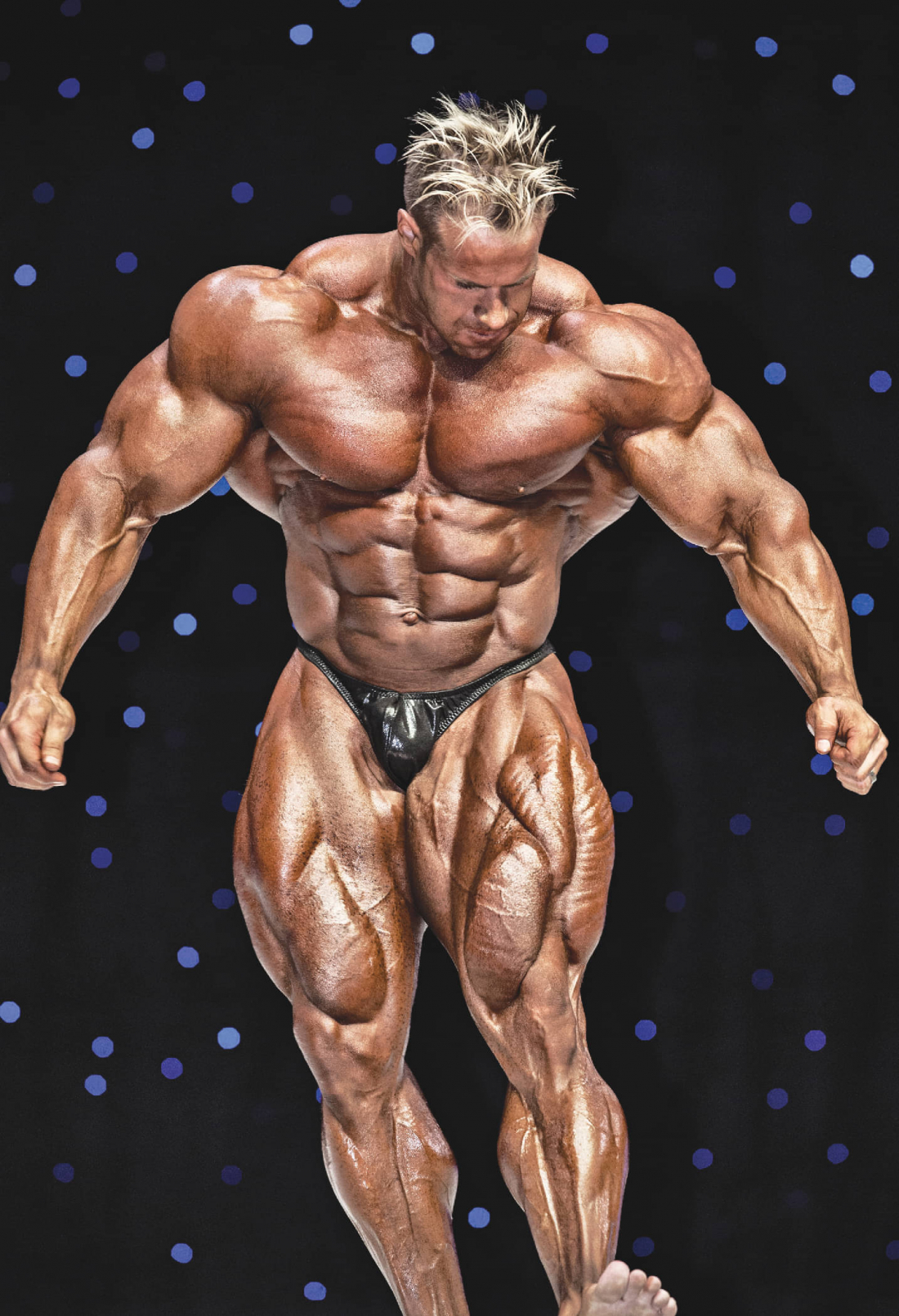
What special training and dietary requirements does a bodybuilder of Jay Cutler's caliber have?
Jay is completely different from other bodybuilders. He trains harder than most, and his dietary requirements are therefore huge. He eats 1000g of carbs a day, 400g of protein and other supplements. He eats every two hours. He's also unique in the quality of his food. You'll never meet Jay Cutler at McDonald's.
Who do you think could be the future of bodybuilding?
Phil Heath, because Jay told me he's never seen anything like it. And Jay's always right.
What impresses you about Phil?
Phil impresses Jay. I'm just quoting that. I've only seen pictures of Phil and he looked in great shape and very poised.
You've been in top bodybuilding for a very long time. What do you think is the current state of the sport? Have the figures improved?
The physiques have gotten bigger. Arnold was a beast over 30 years ago. Is Jay bigger? No question. And better? Depends on how you define better. But there is no question that today's bodybuilders are bigger and in better shape.
State of the sport? I'm not sure. Is bodybuilding more or less respected than it was 10 years ago? How does it rate? I'd like to see the pros make more money, because for the most part they deserve it. They work extremely hard and cost a whole rich industry nothing. Without them, supplements wouldn't sell.
What could be improved about bodybuilding?
I'm not one for gossip, but the magazines are full of it, unfortunately. I really need to know what King Kamali thinks of who? Craig Titus has never been flashy, but the magazines have always been hungry for his nonsense.
Tell me about Melvin Anthony's study of theology, and how it helped his career. Tell me anything about Dare Charles. There's nothing about him at all. And he's damn good.
Tell me anything about Gustavo Badell - how he went from nobody to third place twice at Olympia. People want something shocking. I remember him from the English Grand Prix. He definitely didn't win, but he looked great. Tell me how it's possible he kept working hard. I think that's interesting. The human stories, the details of the preparation. That's what it should look like. But unfortunately, that doesn't sell.
Author: Šárka Randáčková No posts have been made yet.