





What happens to your body when you stop exercising? How quickly will you lose muscle and fitness?
 Author:
 A longer break from exercise - sooner or later, everyone of us will encounter it. Whether due to injury, illness, loss of motivation or any other reason. Along with this, the question arises, how long before we lose our hard-built muscles and physical fitness? You can read all about it in the following article.
After 10 days - possible changes in the brain
What, so soon the lack of exercise will affect us?! As we know, scientific studies confirm that movement has a positive effect on brain functioning. For example, one study shows that movement has a positive effect on memory, which, especially with increasing age, becomes weaker. Another subjected a group of runners to a 10-day break from physical activity and the results were interesting - a reduction in blood flow in the hippocampus - the part of the brain that is related to learning, memory and emotions- was noted.However, more studies would need to be done before we could say with certainty that ten days without physical activity will affect the brain to the extent that we will find it harder to concentrate and learn.
After 14 days - deterioration in endurance fitness
After just two weeks, you may notice that even just walking up the stairs is more challenging than ever and youfind yourself getting out of breathmore quickly. What causes this? Skipping physical activity causes your VO2 max (the maximum amount of oxygen your body can use for energy) to drop. After two weeks without exercise, your VO2 max drops by about 10%, after a month by about 15% and after a quarter of a year by up to 20%.
You may not feel these changes on yourself, but that doesn't mean that nothing is happening inside your body. Already after such a short period of time, blood pressure and blood sugar levels can increase. Researchers in South Africa have found that just a 14-day break is enough to lose the benefits that training (specifically HIIT in this study) brings in lowering blood pressure. Further research has confirmed that a group of people who exercised regularly for 8 months (strength training + aerobic activity) saw improvements in their blood glucose levels. However, just two weeks of passivity was enough to worsen blood values by half.
After a month - gradual loss of strength
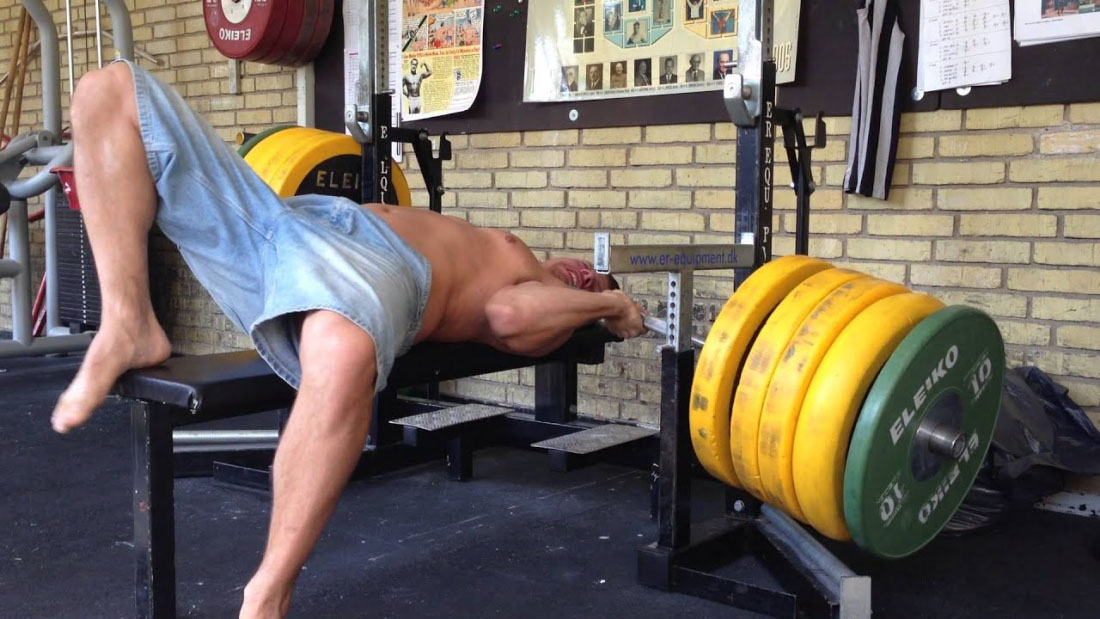
After about a month without exercise, most people experience a decline in physical strength, for some it may be even earlier. It's easy to tell, after a month you come to the gym, you load up on what you were used to, but you just don't pick it up anymore, your strength isn't what it used to be. In any case, muscle strength goes away gradually and more slowly than endurance skills.
After two months - you start to gain fat and lose muscle mass
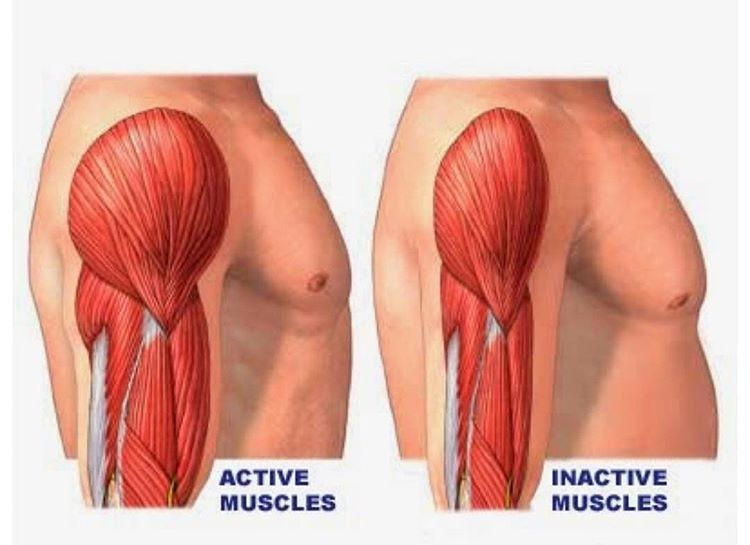
Changes to the body start to become visible after about 6-8 weeks without physical activity, whether it is the appearance in the mirror or the number on the scale. Fat gain is unavoidable even for professional athletes, when you don't move your body adapts to it in its own way. Studies have consistently shown that athletes who took a break from exercise between 5 and 8 weeks showed the same results - an increase in body fat, an increase in waist circumference and a loss of muscle mass.
How quickly you start to gain fat or lose muscle mass also depends on your somatotype, diet and lifestyle (sedentary job x physically demanding job). Ectomorphs soon cry that the muscle they have been working so hard to gain has evaporated. Endomorphs, on the other hand, will hardly be able to fasten the belt of their trousers over their stomachs and will be angry that they are "waterlogged".
Muscle memory
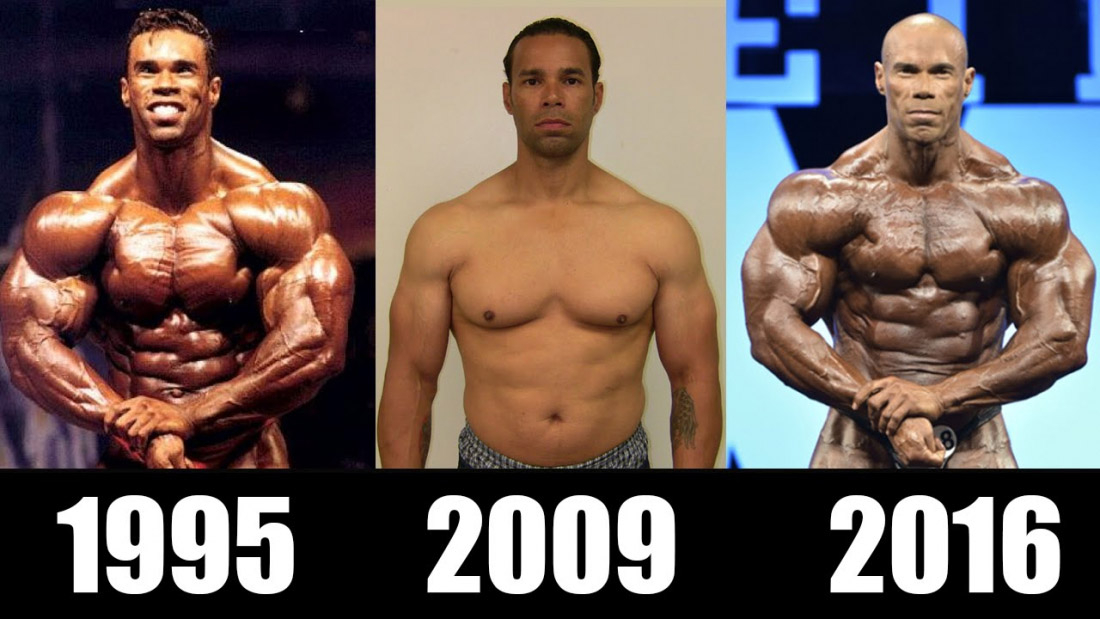
Fortunately, there is muscle memory, which means that all your previous efforts won't go to waste. Muscle memory is stored in the DNA of muscle cells, so muscle cells will only shrink when you miss training for a long time, they won't die completely. Returning to physical activity will cause the muscle cells to regain volume. Although you may feel like you are starting all over again after a long break from exercise, this is not the case, muscle volume and strength and you will usually regain it within a few months.
Muscle memory also applies to doping. Ifan athlete has been using banned substances, he can benefit from this thanks to muscle memory long after he is so called "clean" and competes in, for example, natural bodybuilding.
Conclusion
The bad news is that you will lose the form that you have worked for years and years if you are inactive quite soon. The good news is that muscle memory works, and when you return to "fitness mode" you will get back to where you were much faster than if you had never exercised before. If you start sport again after any extended break, be sure not to overexert yourself and ease into your new regime slowly. If you have taken a break due to injury, consult a specialist beforehand and choose the type of exercise and exercises based on their recommendations.
Recommended

Nebbia Tvarující šortky s V-shaped pasem STRONG BEAUTY 428

Prom-in Pentha Pro Balance

Nebbia Kraťasy FIRST PICK 379
[Image and information sources: health.com, ncbi.nlm.nih.gov/pubmed, frontiersin.org, bodybuilding-wizard.com, youtube.com, studyblue.com, sovsport.ru]
No posts have been made yet.








