





Having trouble losing weight? Maybe salt is to blame!
 Author: Míša Polcarová
 We should be sparing with salt. But not because there is a shortage of salt, as in the famous fairy tale, but on the contrary - nowadays there is too much of it all around us. And too much of everything is bad for you. According to the World Food Organization, we should take in up to 5g a day, but we Czechs consume up to three times more! So in today's article, we'll take a look at salt and clarify the problems with the body's dehydration.
What exactly is salt?
Salt is a chemical compound of sodium and chlorine - sodium chloride. It is a source of sodium, which is a vital organic substance for the body. It ensures the transmission of nerve impulses and is involved in muscle function. Salt is a component of blood plasma, lymph and other body fluids. It adds a specific accentuated tasteand aroma to food and reduces the bitterness of food.
There is no salt like salt
The most well-known is table or rock salt, which is chemically treated and stripped of minerals, so it is not a very suitable or healthy choice. Sea salt is a better alternative. It is enriched with iodine and retains all the minerals. Recently,'Himalayan salt', which is pinkish in colour, has been frequently mentioned. Its rich composition improves the absorption of nutrients, lowers high blood sugar levels or supports nervous system function.
We can also mention black salt, which is typical for its egg-like taste due to its sulphur content, which is widely used by vegans in their dishes.
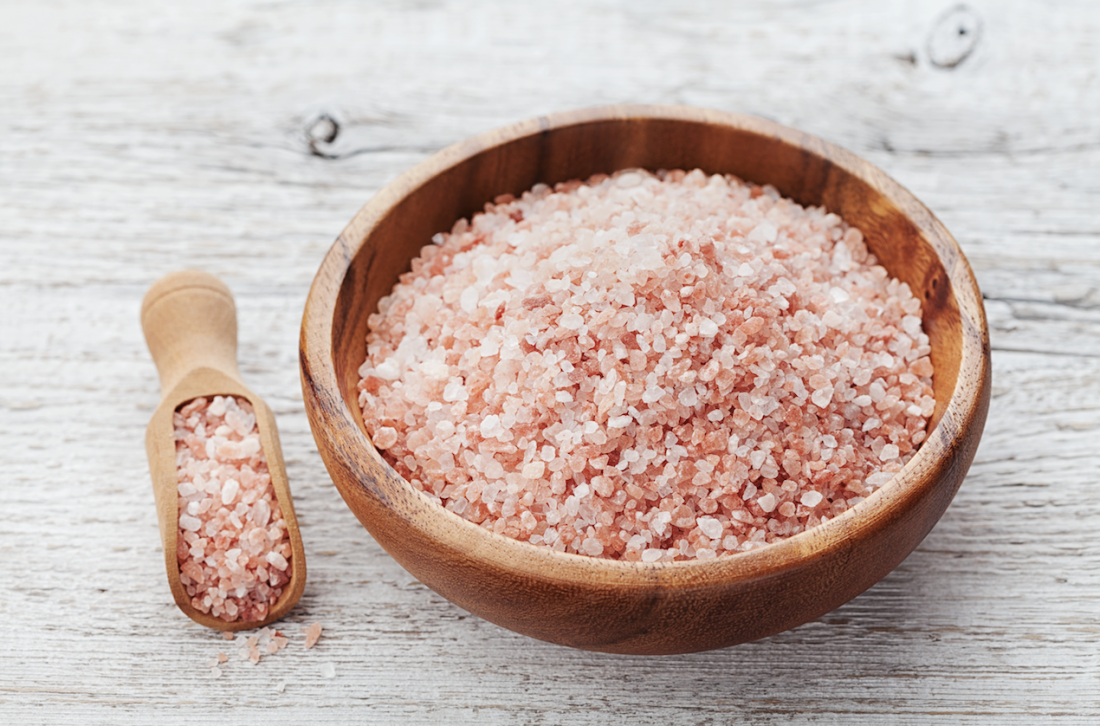
The problem of our time
Nowadays, we can hardly escape from salt. Apart from the fact that, as Czechs, we have salt on the table as a matter of course and automatically salt our food without even tasting it, we encounter those little white crystals at every turn in every shop and supermarket.
Salt is in convenience foods, instant soups, canned goods, cold cuts, fast food, pates, sauces, dressings, chips... in short, really, in everything that the general population buys.
How to lose carefully grown tips once and for all? We share the secret formula!
And what about the watering...?
Salt is most associated with the body's dehydration. But watering is affected by the amount of fat and muscle tissue. It is understood as the accumulation of fluid in the tissues, sinuses and circulatory system. Water makes up 40 - 65% of our body weight, and our body manages water regardless of us.
Let's now list a few factors that can contribute significantly to increased water retention in our body.
- Menstrual cycle
- Pregnancy
- Sedentary lifestyle
- Stress
- Obesity
- Too much coffee, alcohol, mineral water with bubbles
- Contraception
Serious illnesses
Decreased thyroid, kidney, heart function, lymphatic system disorders or overacidity
Lymphatic massages are recommended to improve the regularity of the lymphatic system and plenty of fluids to eliminate harmful substances. Do not forget to take enough minerals such as potassium, calcium or magnesium. Magnesium is needed for the drainage of the body. Its optimal daily dose is 200mg. Sources include avocados or nuts.
If you consume sufficient amounts of bananas, apricots or broccoli, thanks to the potassium that most of these foods contain, you will properly fight excess sodium.
How can the body become over-acidified, you ask? The latter arises from eating too many sugary and processed foods. This leads to a lack of potassium in the diet and weakening of the organs. To combat overacidity, eating alkaline-forming foods such as celery, carrots, broccoli or radishes is recommended.
And of course, avoiding processed foods and all semi-processed foods is best, focusing on whole foods and preparing meals at home, where you know what you are cooking with and what your food will contain.
You can buysalt on our website HERE
Focused on lifestyle
As we've already bitten on a bit in the previous lines, even a poorly adjusted diet has an effect on water retention. A diet high in table salt can increase the body's water content. Excessive intake of simple sugars and artificial sweeteners has the same impact. Sugar in the body increases insulin levels, the increased production of which is one of the factors for water retention.
As a result, the kidneys cannot cope with the large influx of water, and the ingested salt begins to be deposited in the tissues. Excess sodium in the diet increases the risk of osteoporosis, kidney stones and increases thirst in general.
If you think that you can solve unwanted retention by limiting fluid intake, you will instead harm yourself twice as much. A dehydrated body will then suck up water all the more for storage. So drink, drink, drink, vice versa.
That would be a theory. How do you know if you really have a water retention problem specifically on your body? If you have swollen ankles, feet, cheeks, fingers, suffer from cellulite, or have a bloated stomach, you're going to be a prime candidate for having water retention issues.
But let's be a little lenient with the salt
Salt may be to blame for the discomfort we may be experiencing in our bodies at the moment, but that doesn't mean we're going to knock salt down to 0g from the recommended 5g. Salt has its positives (although it may not have seemed like it until now). Salt keeps the body hydrated. Water provides transport of substances throughout the body, to all our organs and muscles.
Athletes, who generally drink more, should also salt adequately, and that's where the line may therefore shift a little. If you were to cut salt out of your diet completely, you could set yourself up for overproduction of the hormone ghrelin, which causes more cravings and hunger.
Your body starts giving you impulses to eat. Something salty ideally, and so people usually reach for something very salty and fatty at first ( #frieslife) and their possible efforts to shed a few extra pounds may go to waste.
Bottom line, if you were to decide to radically remove salt from your diet and vow that no grain should pass through your mouth, you might shed some pounds in a very short time, but it will just be water that has left your body as a result of the salt restriction. You have not lost fat. Unfortunately.
On the contrary, in the long run, you can give yourself some serious problems, such as weight gain and fat percentage in your body, because you will be haunted by that ghrelin that will scream at you that you are missing something and that you just have to eat. Something salty.
You will also slow down your thyroid function because you won't get the minerals that bind with salt, let alone take in the important iodine that optimizes proper thyroid function.
If you follow a healthy diet and indulge in some properly salty junkfood once in a while, you have to admit yourself that you feel doubly so the next day. Yes, you have taken on a lot of water at once and it will show on the scale. But it is only water that balances the mineral concentration in your body. Don't worry about anything, in a few days the whole situation will improve and you will feel your body again.
As they say - nothing is to be overdone and pushed to extremes, so don't be afraid to salt, but in a proportionate way and not to drown every meal in white crystals.
Avoid unpleasant feelings
But if you're holding back water and salting like crazy for a long time, you don't have to worry about feeling like a popping balloon forever. After all, everything can be worked on and fought. So let's now review a few points that will help you avoid this mischief.
A number of dubious nutritionists will snap their fingers and advise you to strictly limit carbohydrates from your diet. And yes, it can really have a big impact at first, because 1g of muscle glycogen binds 3g of water. Which means you'll suddenly lose a lot of water and feel lighter.
But - what do you think will happen when you put those damn carbs back into your diet? Yes, you guessed right. You'll pick the water back up. And you'll be right back where you were.
So how can we avoid it?
1.Include unprocessed foods
Don't buy ready meals, semi-finished foods and meals containing a whole list of flavourings and unnecessary things that take up the whole food package. Instead, eat the most basic foods - meat, fish, fresh vegetables and fruit, complex carbohydrates such as rice, oatmeal, cereals, pulses and healthy fats such as avocados, unsweetened and unsalted nuts or good quality oils.
2. Drink enough
Drink plain water and herbal teas. It is recommended to take 30-45 ml/kg. You can flavour the water with cucumber, lime or lemon.
3. Keep moving
Movement actually serves as a prevention of swelling.
4. Don't salt
As we've said before, there's plenty of salt around, so instead of spice mixes and straws, try looking for single-species spices without added salt and glutamates, or go for fresh herbs from your garden or pot that you can grow yourself.
5. Increase your fruit and vegetable portions
Vegetables generally have diuretic effects, in addition to taking in important fiber and minerals - you're killing two birds with one stone.
We hope you found today's article helpful, and if you're wondering which spices to look out for, try checking out our health food section of our e-shop, where we have a plethora of single-species spices, starting with cinnamon, or a ready-made blend of different herbs, where you won't find anything unnecessarily added, and your food will get a new twist.
Author: Míša Polcarová No posts have been made yet.








