





Diet is far from an eating disorder, says Nicola Vachová
 Author: Nicola Vachová
 Calorie deficit, diet, weight loss, fat loss - all these and other terms are inherently associated with a great, sculpted shape, which is usually worth, for many people, an unimaginable amount of work, sacrifice and patience. Dieting is a condition that is not only physically demanding (fatigue, exhaustion, poor sleep, often reluctance to engage in normal activities...), but also mentally. One can easily develop a certain level of dependence on one's own, flawless form and one does not want to give it up. Even if it means low food intake, lack of concentration, loss of energy, etc. How thin is the line between a diet that we have control over and something we might call an eating disorder?
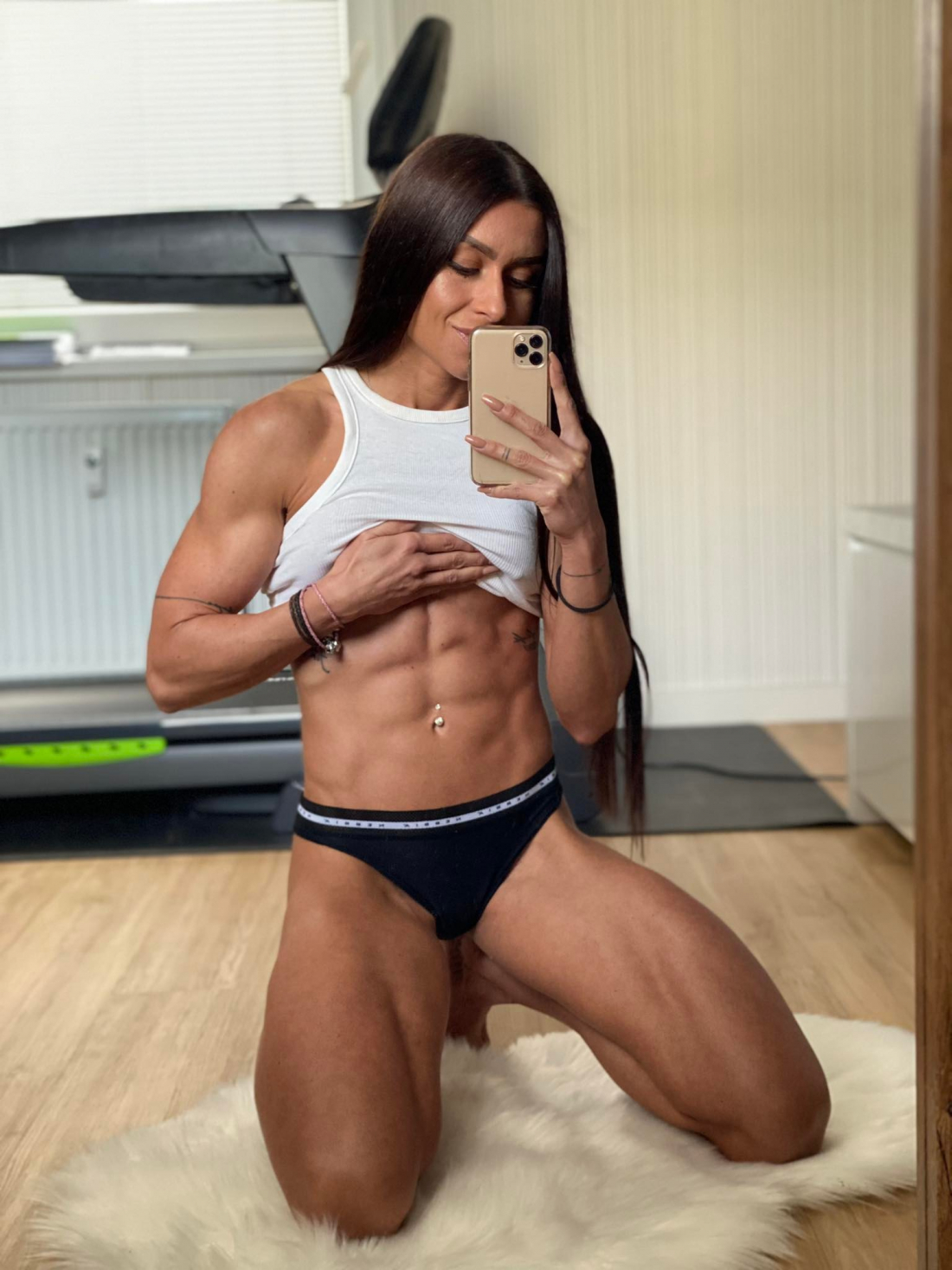
Anyone who embarks on a weight loss journey probably has some idea in the back of their mind of what they want to achieve. For some, this may mean losing a few kilos, others may have to struggle for months to achieve their dream goal. Everyone's circumstances are different, for some it may mean limiting their life to the maximum and reaching the bottom. For some, on the other hand, regimen and exercise come so naturally that they find passion in following a strict diet and enjoy controlling themselves. But how far can such control go?
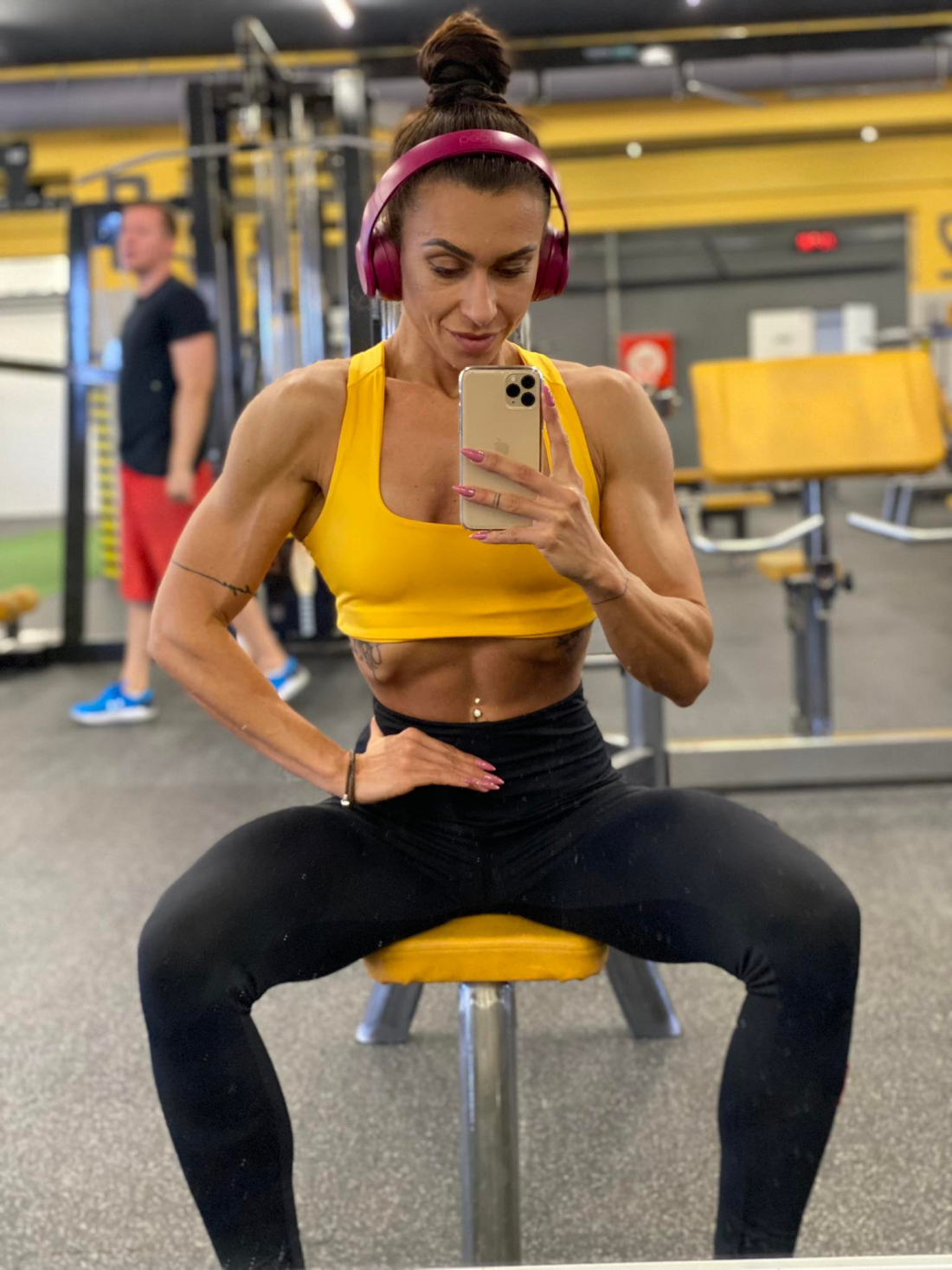
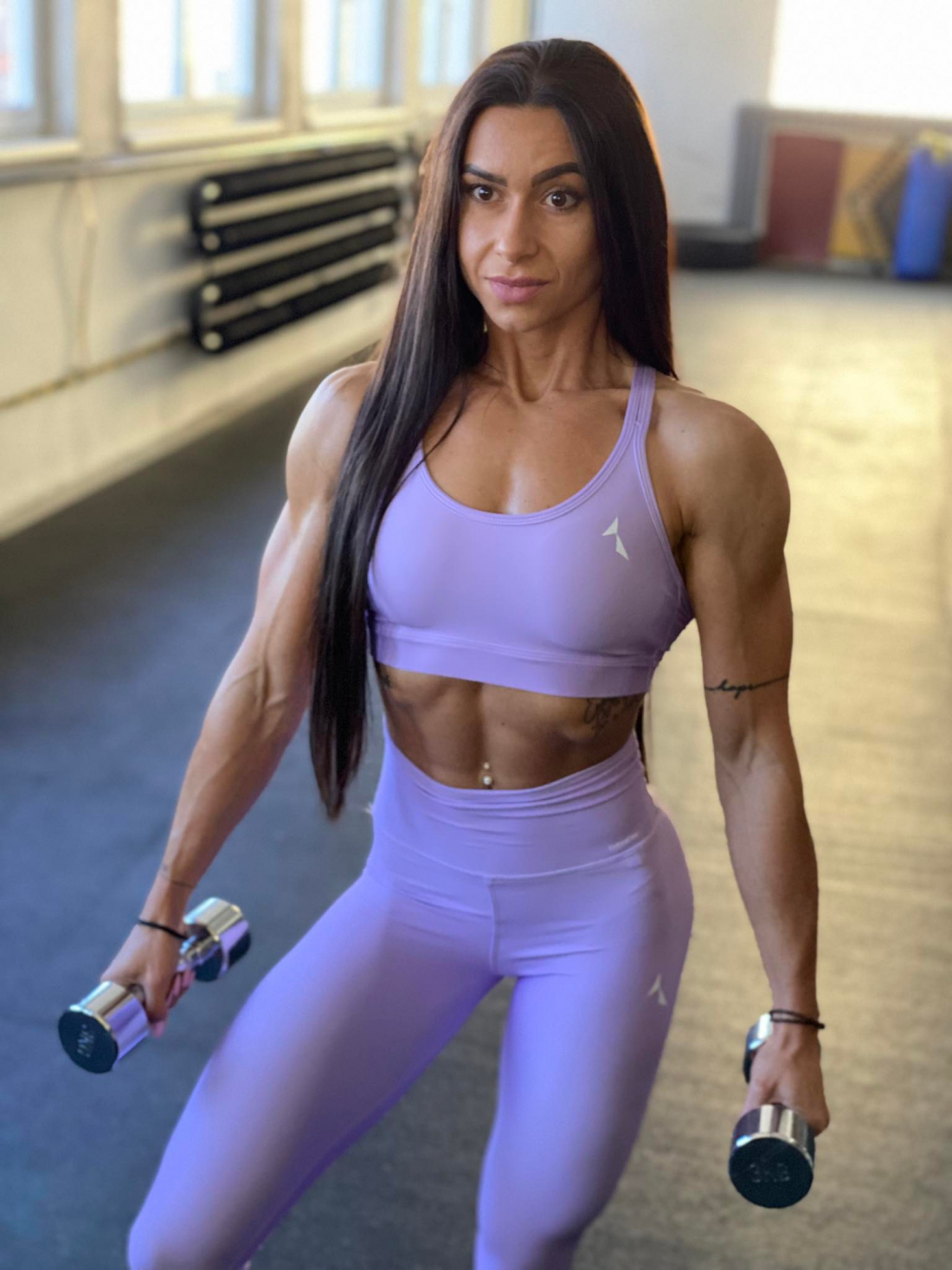
There is a big difference between following a strict regime where we achieve the desired goal, but realizing that dieting and the associated form is not a sustainable state. With a caloric deficit, we are denying the body enough food and nutrients that are important for normal physical as well as mental functioning. Therefore, once we have reached our goal, it is appropriate to slowly return to adequate food intake, with which we will regain our strength and greater appetite for training, as well as our mental well-being. There are two sides to every coin, and although dieting brings us the pleasure of a great looking body and visible "buns" on the belly, it will also bring us the pleasure of a period with sufficient caloric intake, even at the cost of a few extra kilos. It's quite normal for an athlete's weight to fluctuate up and down throughout the year, and it's time to accept that not everyone can have a chiseled belly 12 months of the year. That's part of the whole process, and if we were to ask about one of the benefits of this period, it would definitely be the increase in muscle mass, which requires not only enough food, but also rest and good sleep. In short, not to torment the body for a long time with a caloric deficit.

Unfortunately, there is also the other side, when you can't accept that you might gain some extra weight again and you do everything to prevent it. The point is that a person who has achieved his dream goal and sees his body in "life form" practically becomes dependent on how he looks. You wake up every day with a flat stomach with a six-pack looming on it, even the smallest size of clothes is loose and if you could, you would need everything at least one size smaller. But you don't see it at that moment, you don't find it strange that suddenly your favourite clothes are loose. You'd rather buy new, tighter ones and feel like the problem was actually the clothes and not you. You eat absolutely strictly according to the menu, you weigh everything to the exact gram, and you don't even think of having something extra. On the contrary, you would be able to give up food rather than risk the possibility that the next day the number on the scale might be higher than you are used to. You check your weight daily or even several times (e.g. after meals, before going to bed...). You are addicted to the number you see there and in your head you always wish that the next day the number will be a little lower again. You feel that you can't afford to go off the menu and indulge in pizza or ice cream, for example.
Do you want to get in shape or change your lifestyle? Order a customized diet or workout from Supertrener.cz
If this happens, you try to punish your body (and maybe even your head) the next few days by cutting back on the food you've been eating, waiting to see the same number on the scale again in a few days. You stick to your workouts and cardio 100% and on days when you feel exhausted (I can't skip a workout because I'll get fat without exercise - says the head). The worst part is that your already great form doesn't feel good at all and you want more and more. Everyone around you seems obese and you are proud of yourself for the control you can have over your body.
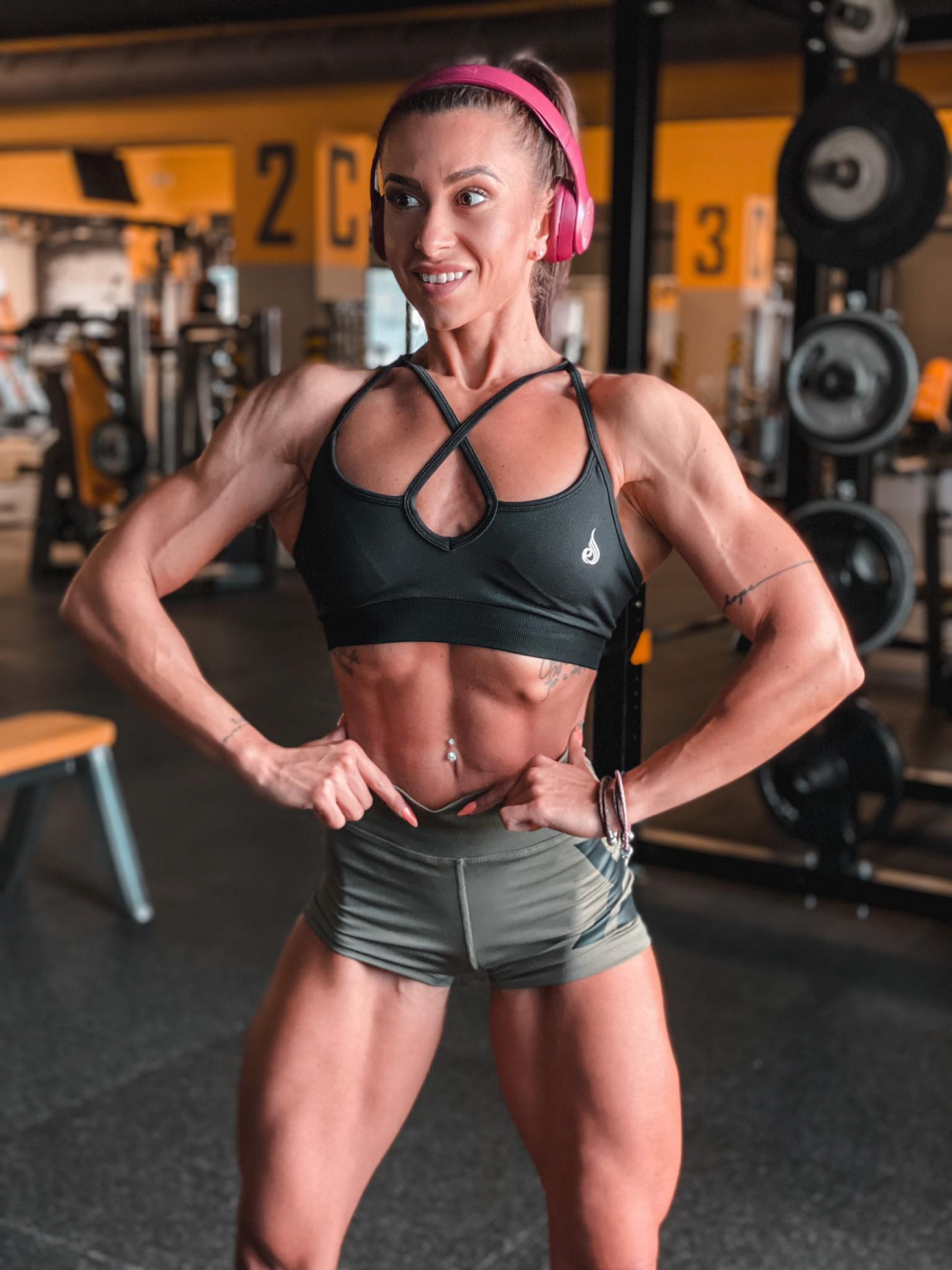
I don't want to say that this is directly about eating disorders or to discount the willpower and enthusiasm that many people can put into a fitness lifestyle. I merely want to suggest how thin the line can be between achieving a dream goal and being addicted to the shape of your body. Dieting is a great way to get in great shape, but one still needs to stay rational, know what they are doing and why, and not be tempted by the perfect bodies we see on social media every day. No one looks like this all year round, and on social media we only find what others want us to see...
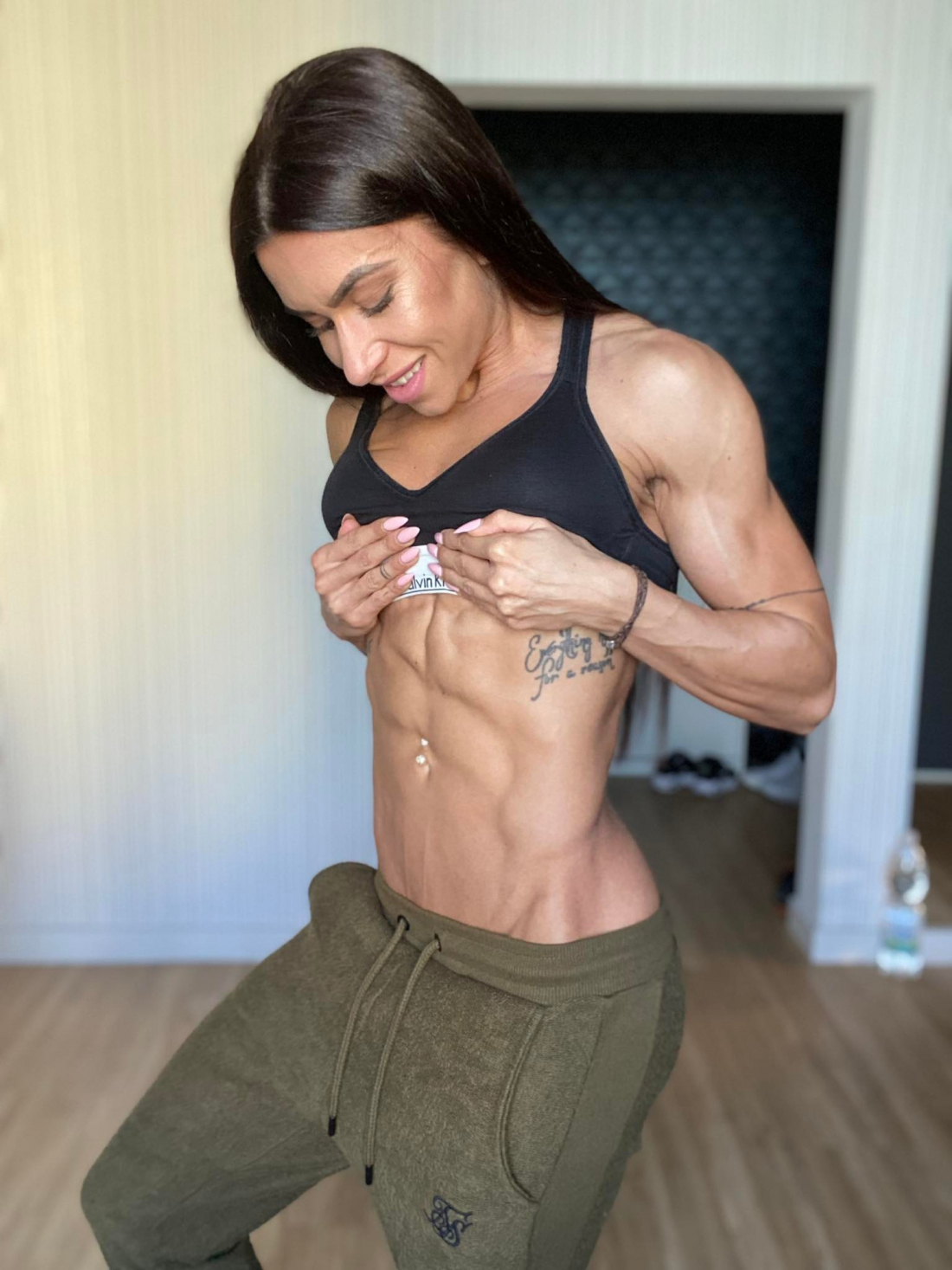
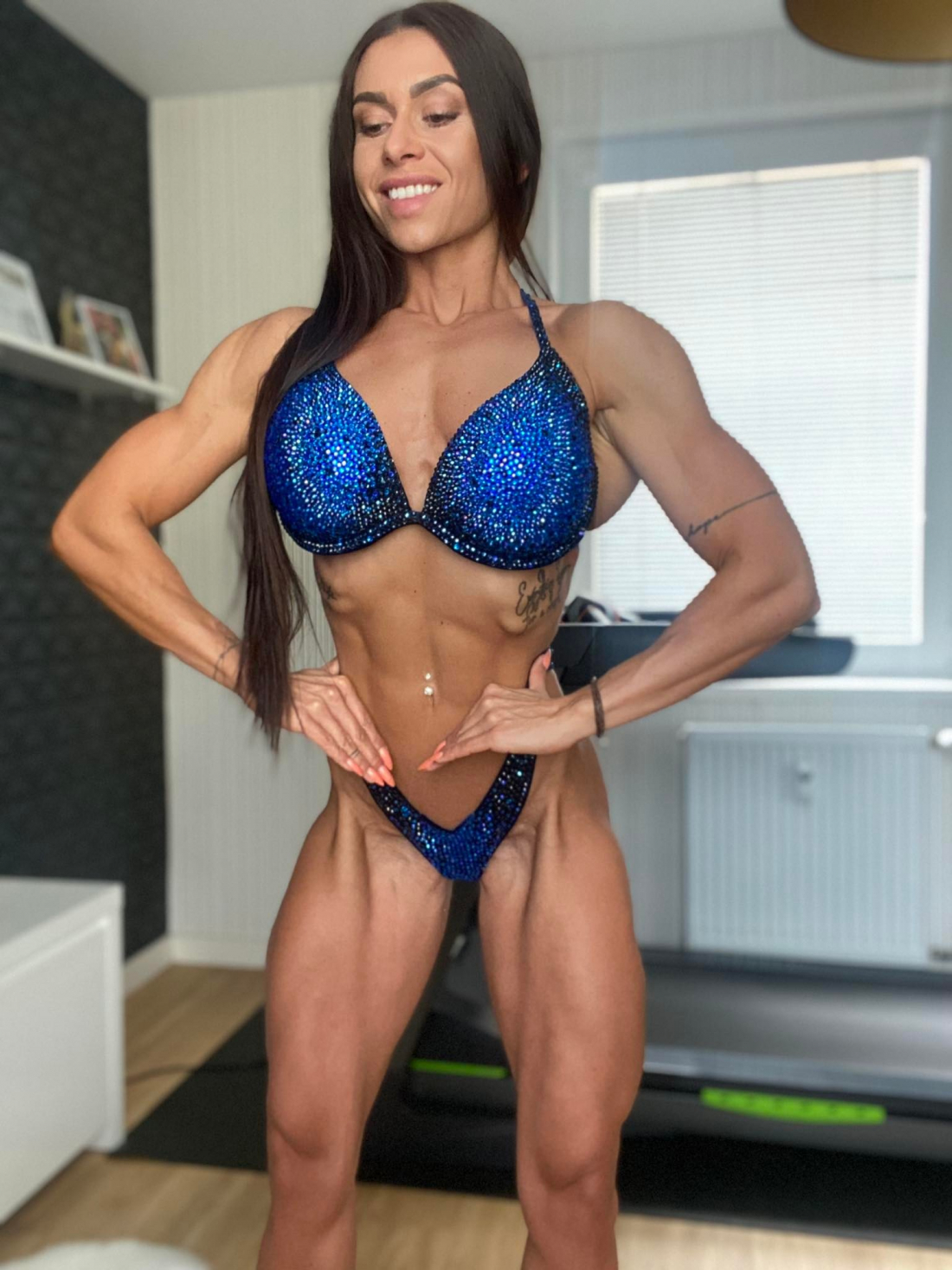
For more interesting news from the world of fitness, nutrition, tips on exercise, workouts and more, follow our instagrams nikci_fit and supertrener.cz.
Recommended
Extrifit Carni Liquid 120000mg

Amix ThermoCore 2.0

 Author: Nicola Vachová
 No posts have been made yet.








