





Detox. Is it really as important as we are told from many sides, or is it a scam without rules?
 Author: Šárka Randáčková
 Detox is a diet that promises to rid your body of toxins, and in fact, all other harmful substances. However, this idea is not supported by any toxicological mechanisms or scientific research. And sometimes it can be dangerous.
If you're not feeling well, there's probably no quick way to fix it. Health is the result of long-term effort. But that won't stop marketers. They will keep inventing products and methods that will get you back to health quickly. One of the immortal methods is called ...
Detox
Or cleansing.
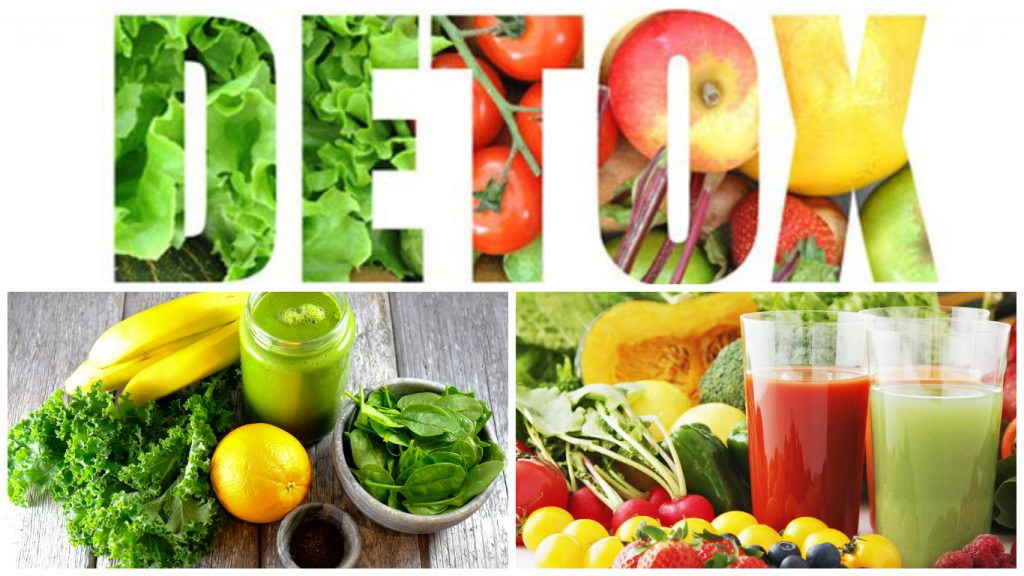
Whichever name you choose, finding a definition for this method of eating will be almost impossible.
Your body is supposed to rid itself of harmful substances during this activity. These are often called toxins. And usually this is done with a drastic diet and spiced up with supplements. Some detoxes are organ-specific, others are meant to cleanse you from head to toe.
The diet is always drastic in a detox. It is often limited to fruit and vegetable juices and other approved beverages. Such a diet is supposed to remove all toxins from the body, and sometimes even cure various kinds of diseases.
There is no need to research specific detoxes in detail, as their trends are constantly changing.
Does your body really accumulate toxins?
According to the U.S. National Library of Medicine, toxins are "substances formed by plants and animals that are poisonous to humans. Toxins are also some drugs that help in small doses but are poisonous in larger doses." (As we'll see, any substance can be poisonous in the right dose.)
In popular parlance, toxins could be man-made pollutants that accumulate in the environment.
In the context of detox, a toxin is anything harmful that supposedly accumulates in the human body. That's why you need a detox. You need to get rid of such a substance before it does any harm.
Worth mentioning are heavy metals, pollutants, pesticides, preservatives, additives such as dyes and sweeteners, and synthetic chemicals in general.
Breathing and drinking pesticides and pollutants is no doubt harmful, but the same cannot be said for all other additives. Before you fall for any advertising, let's see if there is a shred of science to be found in all of this.
Determination of toxic properties
Context is crucial. The toxicity of a substance depends on many factors. For example, coconut is completely harmless to humans, but its component theobromine is potentially lethal to dogs. CLA causes fatty liver in mice, but not in humans. Remember this, because the potential harmfulness of some substances is often described in animal studies.
Another factor is dosage. In the right dose, water can kill you.1 Even the electrolytes the heart needs to function are not always your friends. The optimal intake of potassium for adults in America is 4.7 g.[2] When that much potassium is taken in through food, it takes hours to digest. This is not only safe, but even healthy. However, when you take 1 g on an empty stomach, potassium becomes a harmful substance. Therefore, the maximum in all sports drinks is 99 mg (0.099 g).
But some substances are always harmful, right? Tobacco, alcohol? Tobacco, yes. Alcohol doesn't only have to be harmful. Of course, its excessive consumption can lead to cirrhosis and an increased risk of cancer, but small doses can have positive effects on health (for example, protecting vascular health).
What about the bogeyman of modern times, high fructose corn syrup? Yes, it's highly refined, but it's not much different in composition from table sugar. Neither is harmful, strictly speaking. However, their frequent consumption can lead to an increase in caloric intake and thus potential problems associated with weight gain.
Some substances can accumulate in body tissues. This is generally known about heavy metals. Some fish may contain mercury, which has a half-life of about 50 days in the human body [3]. some people have therefore removed fish from their diet. However, in doing so, they are also depriving themselves of healthy omega-3 fatty acids. Again, remember that toxicity usually depends on the dose. [ 4][5] Of course, try to eat fish with demonstrably low mercury content.
Another concern is pesticide residues in food. However, authorities have long recorded pesticide levels in common foods below the set tolerance level. In addition, washing and cooking further reduces this content[6][7].
Does the body need cleansing?

Even if a substance is really harmful, a cleanse doesn't really help. Acute toxicity will probably require medical attention, and chronic toxicity can only be remedied by a long-term balanced diet. A weekend of pepper soda won't help anything. The liver, kidneys, lungs, and several other organs work non-stop to filter the pollutants. And you can't help them with diet. You can help them with a balanced diet and smart supplementation. The liver, for example, benefits from cruciferous vegetables like broccoli[8 ] Among supplements, N-acetylcysteine and milk thistle have been shown to work for it.
What about commercial products? Unfortunately, research from 2009 showed that none of the 15 detox supplements could prove effective.
The companies couldn't even list the toxins their detoxes are supposed to target. In fact, they didn't even agree on the definition of detox. That says a lot about the actual effect of detoxes.
Scientists have been looking at individual toxins, such as the accumulation of organochlorine pesticides.10 But they have been able to name them and determine that their accumulation is prevented by Orlistat, an anti-obesity drug.11 We now understand its effect: Orlistat seals these pesticides in the intestines until they are excreted. Similarly, heavy metal poisoning is treated[12].
What science says
Studies on detoxes are few and not conclusive or well organized.[13] For example, research on the Master Cleanse detox on a group of middle-aged women showed no significant improvement in health indicators, compared to a group that merely reduced caloric intake to the same level.[14]
Both groups ate only 400 kcal per day, and lost weight, blood fats, and reduced insulin resistance. However, it wasn't the magic juice that was to blame. It was the fact that the women ate almost nothing. Moreover, the research only lasted 11 days, which means we don't know how the subjects' health changed when they returned to a normal diet.
However, enough people ignore the science and are impressed by the weight loss caused by complete fasting. Detoxes hold their popularity in this way. Am I losing weight? I guess that's okay. Who reads the scientific studies?
From time to time, studies surface describing possible adverse effects, such as kidney damage from green smoothie drinks[15] or liver failure from detox teas[16]. But only scientists read such articles, and they don't usually do much detoxing.
The unproven benefits of detoxes
Why are cleanses so prevalent when they don't actually have many positives? It's down to one thing: rapid weight loss. Which would be great ... if losing weight always meant losing fat.
The body needs three grams of water to store one gram of glycogen in the liver and muscles. Glycogen is easily depleted in 24-48 hours if the body is not getting enough carbohydrates. This will quickly cause you to lose several pounds of weight[17].
Once you start eating normally, both glycogen and water come back very quickly.
But even such short-term weight loss is attributed by people to the detox, which they thus consider successful.
Plus, most of us eat pretty poorly and detoxes revolve around vegetables and fruits. So, in addition to eating fewer calories, people also eat more vitamins and other useful things.
In that light, a detox might even be a good idea, but it's still better to clean up your diet. Detox is a short-term, unsustainable solution.
The detox equation
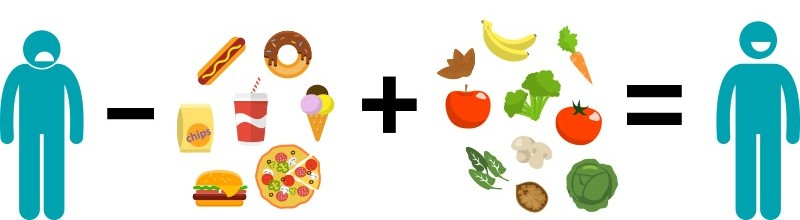
Instead of a spring cleanse, focus on quality eating that you can sustain long-term.
High-quality protein, leafy greens, and vitamin-packed meals are not only more delicious and satisfying than a detox, they're also a much better option for you."[18][19]
Source: www.examine.com - Detoxes: an undefined scam
Author.
Author: Šárka Randáčková No posts have been made yet.








