





Calorie density or: how to eat well on a diet and how to lose weight without counting calories?
 Author:
 Many individuals think of the term "reduction diet" as dry chicken with rice or broccoli and egg whites a hundred times differently. However, thanks to the healthy lifestyle boom, this notion is slowly becoming obsolete and we know that reducing doesn't have to be about eating the same thing over and over again. Surely you know that in order to successfully reduce, all we need to do is meet the principle of calorie deficit, which is to take in fewer calories than we expend.
Although we no longer have to eat only chicken and rice, for some of us, reducing is not entirely pleasant because we have to radically reduce our intake, which often means reducing our portions. In today's article, we will introduce the concept of caloric (energy) density of foods, and by understanding this concept, you will discover that you can actually eat much more food, even with a lower intake, if you can choose the right foods.
WHAT IS ENERGY DENSITY ANYWAY?
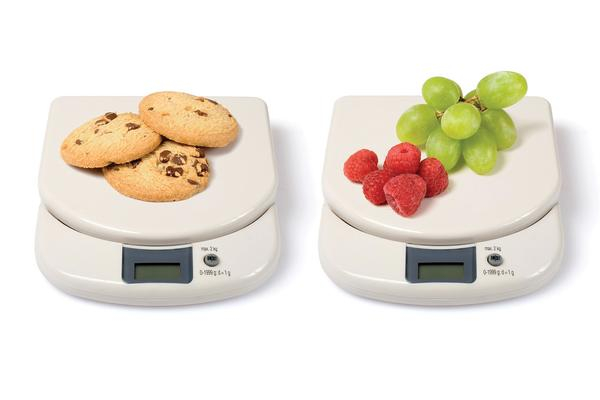
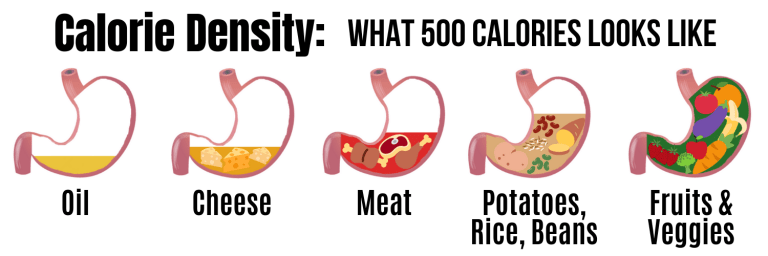
The energy density of a food is a concept that can be explained as the amount of energy per unit of weight or volume. The caloric or energy density of a food is usually measured per 100g of the food. Choosing foods with a low caloric density can make it significantly easier to reduce weight, as it allows you to consume more food in volume (= larger portions) if you choose the right foods . So it's all about choosing foods that are bulky but also contain fewer calories.
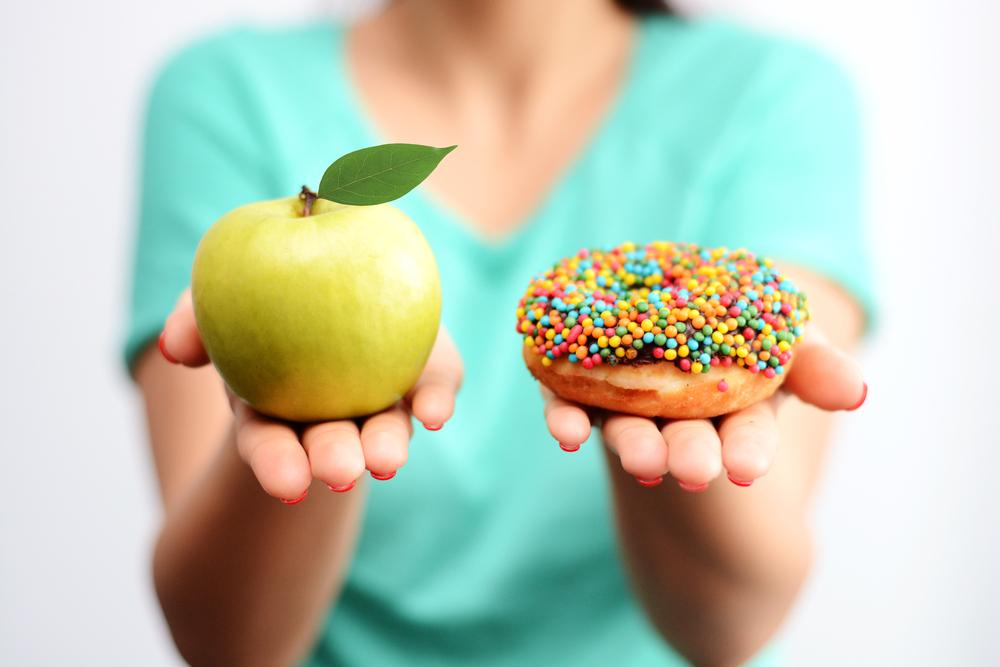
For example, think of a full plate of vegetables vs a full plate of carbonnara pasta. In terms of calories, it's pretty straightforward, and it's very easy to explain calorie density. The fewer calories a given food, or in this case a plate of food, has, the lower its energy density. So you understand correctly that low calorie foods are essentially low calorie foods. The more water a food contains, the lower its density.
Comparing foods by caloric density can be more enjoyable for many people than simply counting calories. Why? A lot of us simply don't want to be a slave to a calculator and a food scale, so more and more people are getting on the track of what is called INTUITIVE EATING. This actually means, in very simplistic terms, that you eat healthier and maybe even cut back without having to weigh and count calories. So, when you focus on making sure that most of the foods you ingest are low in calories, you actually end up eliminating foods with added sugar, saturated fat, overly processed foods, fast food and other unhealthy foods from your diet that make the general population fat.
HOW SPECIFICALLY DOES CALORIE DENSITY AFFECT FAT REDUCTION?
We have actually already explained the process - if you consume too many calories, your body weight will increase. From logical reasoning as well as from the conclusions of studies, it can be argued that if you consume mostly low calorie density foods, i.e. foods can be much larger in volume but lower in caloric value, you will consume far fewer calories per day, leading to weight loss and overall health.
Caloric density also significantly affects hunger or the feeling of fullness. Foods with a low calorie density usually have much less fat, and conversely, more water and fiber. This is a positive aspect for making you feel fuller, which can lead to a reduction in the total amount of calories you take in. In contrast, foods that have a high calorie density, and therefore contain a higher number of calories, increase the feeling of hunger, and so we often consume much more food than we even acknowledge.
Research suggests that when we eat more foods with lower calorie density, i.e. less processed foods, our brains are much more responsive in signalling feelings of fullness than when we eat industrially processed and calorie-rich foods. For example, in this study, on average, participants eating industrially processed products ate up to 56% more calories than participants eating a more unprocessed diet.
Logically, therefore, eating less processed foods, and therefore eating foods with a low calorie density, leads to weight loss. Research shows that if you focus on increasing your consumption of raw foods such as fruits, vegetables and other unprocessed products, this is a very good way of eating that can lead to weight loss. However, beware, this is not the only aspect that needs to be taken into consideration. You can gain weight even if you consume healthy, low-calorie food, as long as you consume more of it than your body needs!
By eating lower calorie dense foods, you can consume more food in volume, which leads to higher satiety and less hunger. This is because the number of calories per 100g is lower than when you consume 100g of high density foods.
FOODS WITH A LOWER CALORIE DENSITY ARE NOT ONLY GOOD FOR WEIGHT LOSS, BUT FOR OVERALL HEALTH!
Not to keep talking about weight loss, low calorie foods are generally much healthier than high calorie foods, and eating these foods leads to healthier eating habits overall, which will be appreciated not only by those trying to reduce weight, but by all fans of a healthy lifestyle.
In fact, eating lower calorie foods eliminates most overly processed foods, reducing the risk of developing diseases of civilization, obesity and digestive problems due to the consumption of heavy and fatty foods and lack of fibre. In addition, less processed foods contain more nutrients, are richer in vitamins, minerals and antioxidants, and also contain fewer calories, which, as we have already mentioned, is an advantage for those who want to reduce and eat enough.
SO WHAT FOODS SHOULD WE FOCUS ON?
We've said enough about the benefits of a diet containing low-calorie foods, but what foods should we actually focus on and what foods should we consume, whether we want to lose weight or are just trying to eat a healthy diet?
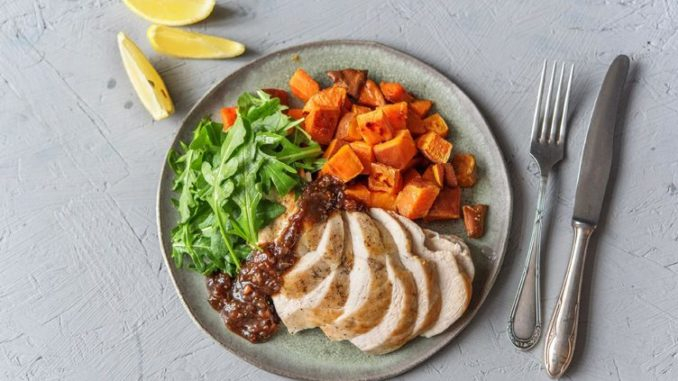
VEGETABLES - (not just) green vegetables have the lowest density of any food ever. It contains mostly just water, fiber and very low carbohydrates, so it should make up a large part of our diets. Vegetables can be used to make tasty salads, both cold and hot, to create tasty side dishes (e.g. cauliflower rice) or to form various patties.
MEAT AND FISH - if we look at these protein sources in terms of calorie density, chicken, turkey and white fish are the best. When it comes to other meats and fattier fish, these sources are medium to high in density, which doesn't necessarily mean they're bad. The high-density sources that can be considered really bad are fatty sausages and other fatty products.
FRUIT - Fruit is another low to medium calorie density food source because it contains a lot of water, fiber and some sugars. Berries such as strawberries, blueberries and raspberries have the lowest density.
Dairy products - Milk, yoghurt with no added sugar and other low-fat products are also low in energy and are a very good, easily digestible source of protein and contain bacteria that are beneficial to our digestion.
EGGS - Eggs are simply one of the superfoods that should definitely not be missing from our diet, especially in combination with vegetables.
OTHER CARBOHYDRATES - Some unprocessed cereals, potatoes, legumes also have a low or medium energy density and this is especially true if they change volume during cooking by stretching the water.
BEVERAGES - Water, tea, coffee, in short, beverages that do not contain any sugar are logically also considered as belonging to this food group.
You don't have to worry about consuming HEALTHY fats either, such as avocados, oily fish, nuts or olive oil, even though they are high in density. If you can control the amount you take in, they are a very good part of your diet. A healthy diet should include all macronutrients. If you are in a calorie deficit, don't forget to get enough protein.
WHAT TO AVOID?
We should eliminate all sweets, fast foods, cold cuts, fatty dairy products, overly processed foods, products containing added sugar and sugary drinks from our diet . We should also cut out overheated and less suitable oils and generally keep a low profile with oil.
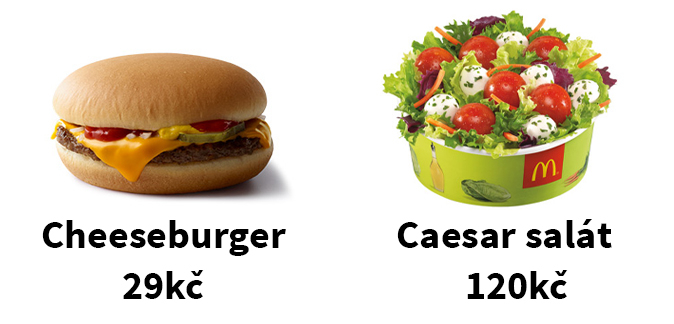
Does this seem logical to you? Yes, it is, yet a significant portion of the population still prefers a diet high in energy. Why, you ask? The reason is very simple, it is price. It is a well-known fact that healthy foods are slightly more expensive than foods with higher density or caloric value, or less healthy foods. Therefore, especially for people with lower incomes, the more calorie-dense and unhealthy foods very often win out, and we see a higher percentage of individuals struggling with overweight and obesity in this segment of the population.
WHAT CAN WE TAKE AWAY FROM THE ARTICLE?
If you want to lose some pounds, or simply want to learn to eat healthier, a very good strategy is to concentrate on foods with low energy density. This is not a drastic method, nor do you have to strictly exclude any macronutrient, the principle is to consume the so-called "energy-dense" foods. WHOLE FOODS, i.e. unprocessed foods, which are generally healthier, lower in calorie value, so you can "eat more of them", which will make you fuller and make weight loss much easier. Learn to use low-density foods in your diet - make a tasty salad from a pile of vegetables, a smoothie, or add salads to your main meals to reduce the amount of calories you take in.
Sources:
https://www.ncbi.nlm.nih.gov/pubmed/9497184
https://www.ncbi.nlm.nih.gov/pubmed/15159224
https://www.ncbi.nlm.nih.gov/pubmed/25398750
https://www.ncbi.nlm.nih.gov/pubmed/14649369
https://www.ernaehrungs-umschau.de/fileadmin/Ernaehrungs-Umschau/pdfs/pdf_2014/01_14/EU01_2014_M014_M023_-_002e_01_engl.pdf
https://www.ncbi.nlm.nih.gov/pubmed/27104562
https://www.aeaweb.org/articles?id=10.1257/089533003769204371
https://www.ncbi.nlm.nih.gov/pmc/articles/PMC4848697/
https://www.ncbi.nlm.nih.gov/pubmed/16762948
https://www.ncbi.nlm.nih.gov/pubmed/9884582
https://www.ncbi.nlm.nih.gov/pubmed/16002798
https://www.ncbi.nlm.nih.gov/pubmed/6303104
No posts have been made yet.








