





What to focus on for quality recovery and what techniques to use?
 Author:
 The internet sites are literally full of training tips that are competing in attractiveness to see which one offers faster results, more intense loads, brutal growth and much more. You'll also find catchphrases such as "you can rest in your grave" or simply "no days off" on many of them. Recovery is a part of training that is vastly underestimated and neglected, yet it is an extremely essential piece of your journey to your desired fitness goal, whatever it may be.
When you want to achieve significant results in your training, you need to ensure you have quality recovery. This is not information that should surprise you in any way, but merely a statement of logically related facts, with recovery being one of the most underrated training phases. We all want to achieve great results, lift heavier weights, achieve more significant muscle growth or sculpting, but if we don't pay attention to adequate recovery, none of this can happen and we will just be exhausted and devoid of vigour instead of great results. So let's get down to the nitty gritty - what should we really focus on to ensure our recovery is as good as possible?
Article content:
- Diet, diet and diet
- Sleep
- Carbohydrates before and after training
- Massage
- Contrast shower
- Stretching
- Active rest
- Just relax
Diet, diet and diet
The fact that we rank food at the top of the list of the best aids to recovery probably doesn't come as much of a surprise. We say it over and over again - a quality and balanced diet is the basis for everything - a healthy body, sufficient energy, providing enough nutrients for recovery processes, muscle growth and even the basis for weight loss.
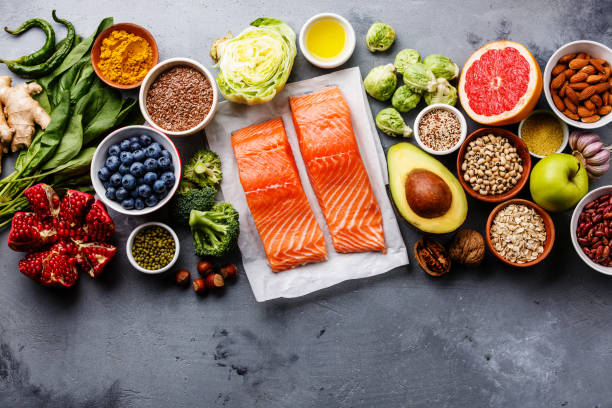
We're not going to parrot the same thing over and over again here, so let's skip the paragraph on what a healthy and balanced diet is and go a little deeper. A large portion of active individuals and healthy lifestyle enthusiasts today are concerned about their macronutrients (aka carbohydrates, fats and proteins). However, recent studies looking at this issue show that focusing on macros is simply not enough. For significant results, you need to pay attention to your micronutrient intake as well.
Focus on making sure that your diet contains food that is sufficiently nutritious and therefore rich in micronutrients. Today, the modern trend is eating styles that claim it doesn't matter what foods you take in calories from as long as they fit your nutritional profile. (IIFYM) This is true, of course, but still, a MAJOR portion of your diet should consist of foods such as lean meats, complex carbohydrates, fruits, vegetables, eggs, and other components that fall under the healthy food component.
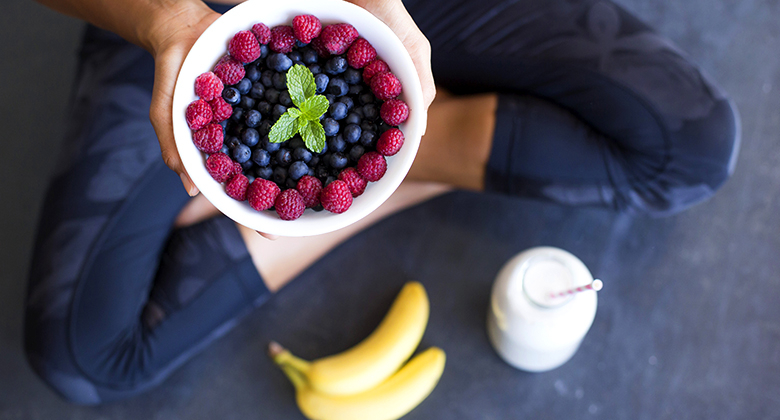
Cakes, kokina, chocolates, cold cuts and other "less healthy" or completely unhealthy foods can be part of your diet, why not, if you can incorporate them appropriately and they "fit your intake", but don't look for too many micronutrients in them. Focusing on simple, healthy and nutrient-dense foods brings much more benefits to your body,i.e. much more nutrients and thus less time needed for recovery.
Sleep
Another unsurprising item on the list of recovery essentials is, of course, sleep. We've discussed how important it is and what it affects in a previous article. Although quite a bit of attention has been paid to the importance of sleep, the demands of today's times, and unfortunately people's habits themselves, do not offer options for getting enough sleep, either in terms of time or in terms of the quality of sleep needed.
Subtle habits that negatively affect sleep include the consumption of caffeinated beverages late in the afternoon or evening, even in the form of kickers and pre-workout stimulants, or the use of electronic conveniences, especially watching TV just before going to bed, or even falling asleep with the TV running. Lack of sleep may not seem like a big deal, but the body's hormonal processes say otherwise.

Studies suggest that in addition to exhaustion and lack of energy, lack of sleep also leads to increased levels of ghrelin, the so-called hunger hormone, a hormone that influences our appetites. When we don't get enough sleep, our levels of this hormone are higher, causing us to eat more food or crave junk food, especially junk food that is a quick source of energy. Sleep deprivation also leads to a decrease in insulin sensitivity and an increase in cortisol.
In addition to the aforementioned health risks of sleep deprivation, it should also be mentioned that with insufficient sleep, the body's ability to recover from a hard workout is also significantly reduced and overtraining can occur very easily.
Make quality sleep one of your top priorities. Include some supplements, such as magnesium, to support its quality. Sleep in a cool, dark environment, and limit electronics in the room. The more emphasis you place on the quality of your sleep, the greater the hormonal response your body will provide and the better your performance (not just in the gym) will be.
Carbohydrates before and after training
Starting with sleep, let's go back to diet. Every proper fitness person knows that eating before a workout and eating after a workout are the most essential courses when it comes to fitness progression. It's advisable to choose easily digestible meals before training, ideally with a reasonable amount of complex carbohydrates versus simple sugars, to prevent your glucose levels from quickly spiking and dropping during your workout, leaving you unable to perform as well or with less energy.
The post-workout meal is then the ideal time for the highest carbohydrate intake. Studies show that if you regularly incorporate the largest portion of your daily carbohydrates into your post-workout meal, this strategy can give you the best results in terms of speeding up recovery. That's because it's after a workout that your muscles use glucose with minimal insulin release. In any other case, your pancreas must first release insulin to transfer glucose to your tissues when you consume carbohydrates.
Now, let's look at what techniques are designed for recovery and how beneficial they are.
Massage
Massage is considered to be the most effective method when it comes to recovery. It relieves muscle fatigue, helps better blood circulation to the stressed muscles, reduces the feeling of fatigue and other factors that are related to the load that has been exerted on the muscles. If you will notice, most professional athletes in a short period of time after exercising are just heading for a massage. Massages can be confidently described as one of the best ways of recovery.
If you don't have a good masseur on hand, enough money for regular massages or the time to go regularly, get a foam roller, or foam roller, and perform this form of massage at home yourself. Rolling is great for loosening fascia and speeding up recovery. It is advisable to use the roller regularly, after every workout and in the evenings. You will definitely notice a difference with long term use.
Contrast shower
The principle of alternating hot and cold water in a 2:1 ratio can be another very effective way to promote regenerative processes. For example, take a shower with warmer water for two minutes and cooler water for one minute. The whole cycle should be repeated several times - ideally 3 to 5 times. This method is not only helpful for the regenerative processes, but it will also boost your immunity and improve blood flow, which is a positive phenomenon for releasing tension and reducing the development of muscle fever.
However, beware of cold showers after your workout if your goal is muscle growth. An ice bath after strength training inhibits changes in satellite cell numbers as well as the activity of enzymes that regulate muscle growth, which can have negative effects on both muscle growth and strength performance in the long run.
Stretching
On days off, you can also engage in mobilisation exercises and stretching. Two other parts that are very neglected. Yet they are extremely important. Mobility helps increase your range of motion and stability when performing more complex exercises. We all have a weakness, especially when it comes to range of motion for certain exercises, and mobilization exercises are a great way to work on weaknesses.
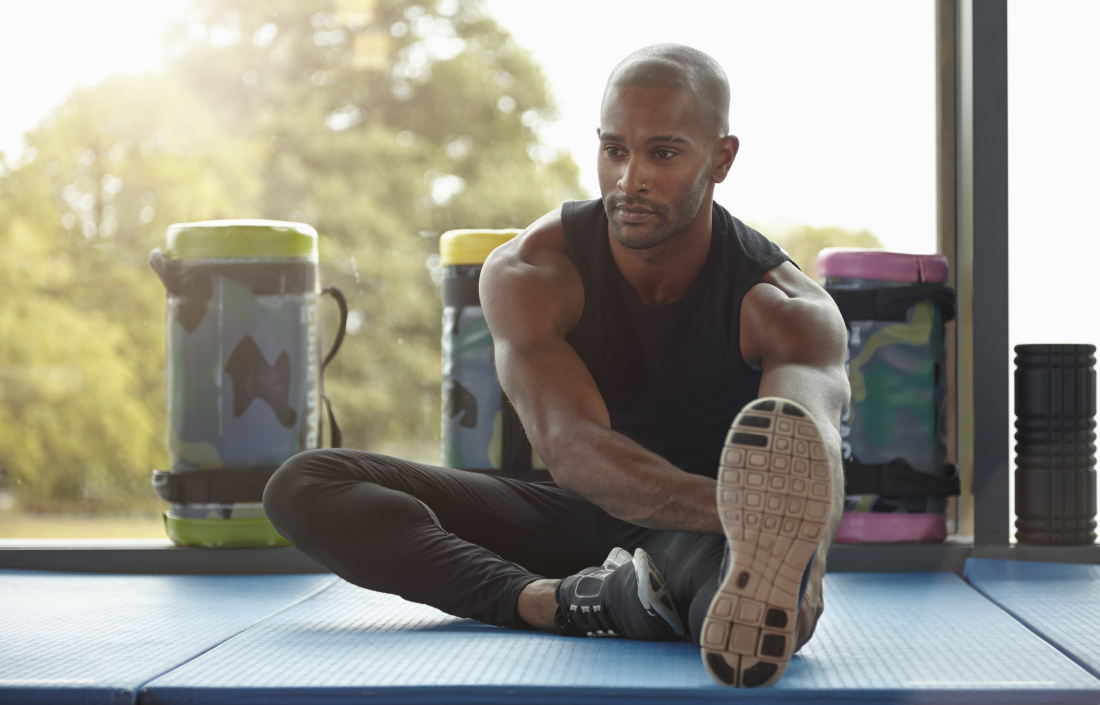
As for stretching - our muscles tend to shorten through exercise, making them less flexible. Having flexible muscles is the basis for all sports and also a prevention against muscle pain. Stretching and mobility go hand in hand, of course. The more elastic (flexible) your muscles are, the greater your mobility. In addition, stretching can also relax the muscles, improve blood flow to the muscles and thus speed up the recovery processes.
Active rest
Rest doesn't necessarily mean sitting at home on your butt in front of the TV and not moving all day. An active form of recovery can be a walk, a swim, or simply a sport you don't do every day. For example, if you exercise, an active form of recovery for you could be Sunday football or beach volleyball.
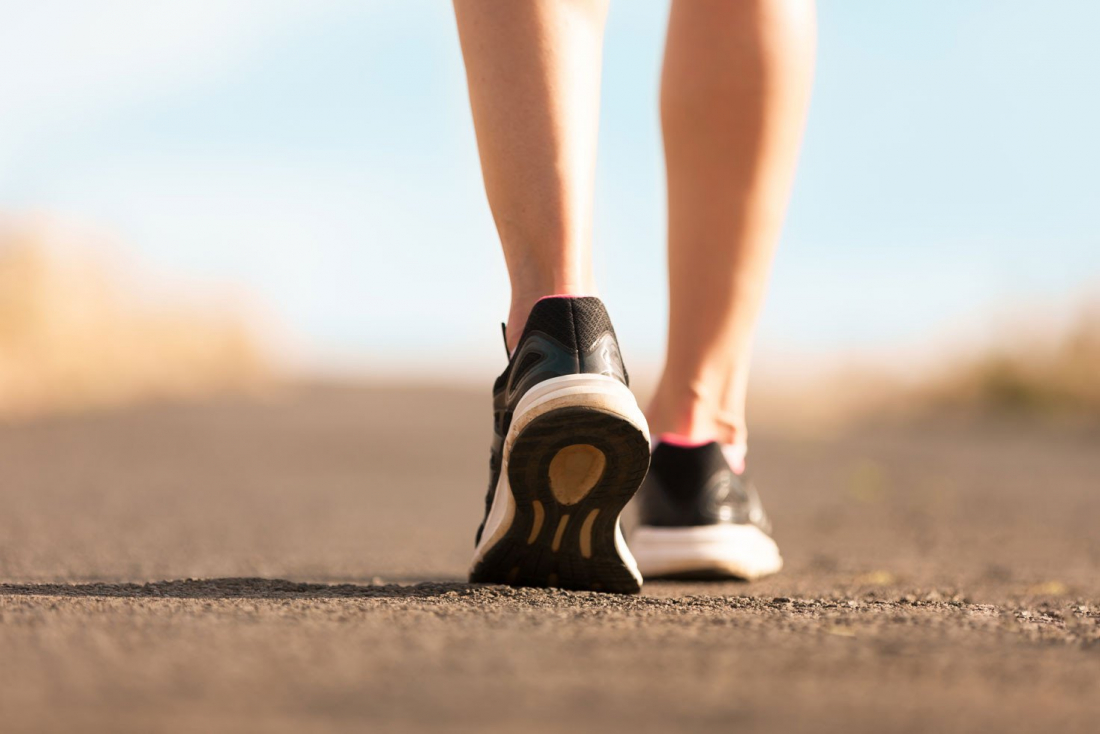
However, a workout in the gym can also be used for active relaxation. This is the kind of workout where you definitely won't be hitting the maximums, lifting weights and probably not even sweating through your shirt. Active recovery should be a training that will not leave your body exhausted. This form of training is good for blood flow to the muscles and its effect on reducing muscle soreness has been known for a very long time. In addition, walks in nature are a balm not only for a tired body, but also for the head, so we will feel fresher and full of vigor.
Just relax
The big problem is that few people today know how to relax. For some, the idea of rest is sitting in schools or work and then sleeping. It's just that the nervous system also needs to slow down. Rest is not just a matter of skipping physical activity, but also rest for the head. Incorporate some activities into your routine to help your head relax. Meditation, mindfullness, or perhaps a good book, movie or an evening with friends can be good ways to do this.

If you want to have a healthy body and good sports results, it's not enough to just focus on food and crushing yourself in the gym. Learn to relax, your body will thank you for it and believe me, you will achieve much better results.
Recommended
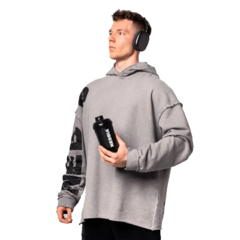
Nebbia Washed-off Oversized mikina s kapucí NO BS 371
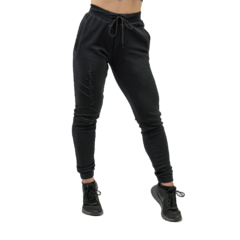
Nebbia Dámské volné tepláky INTENSE Signature 846
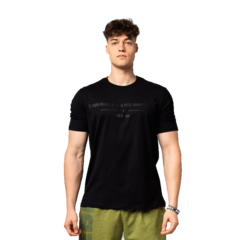
Nebbia Muscle fit tričko FLEXIN' 358
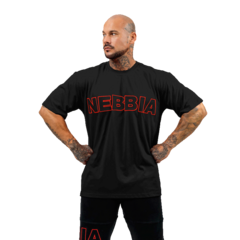
Nebbia Tričko s krátkým rukávem LEGACY 711
Sources:
https://www.ncbi.nlm.nih.gov/books/NBK232454/
https://jandonline.org/article/S0002-8223(07)01477-0/abstract
https://www.hindawi.com/journals/ije/2015/591729/abs/
https://jissn.biomedcentral.com/articles/10.1186/1550-2783-5-17
https://www.thieme-connect.com/DOI/DOI?10.1055/s-0034-1398652
No posts have been made yet.








