





Six good reasons to walk more every day!
 Author:
 Due to the demands of our time, when we often spend our days in offices and the younger generation prefers to sit in front of the TV or computer, we forget about natural movement. Although fitness and other similar sports are becoming more popular year after year, we should not neglect natural movement, especially walking. The truth is that walking is very good for your overall health, it's easy on the joints, it can be done by anyone, anywhere, it's free, and it can even be beneficial when trying to lose weight! So let's take a look together at why we should actually walk more.
The six biggest benefits of ordinary walking
Walking = super helper for maintaining a healthy weight and fitness
Although it may not seem like it, walking is a great helper for maintaining fitness and a healthy weight, and can even be beneficial for fat reduction. While walking is not one of the most intense activities, it is still very effective - especially when you put a little pep in your step and set a brisk pace, or if you choose more challenging terrain. Walking is not just for those who have never played a sport, are starting out at a high weight or simply can't find a sport they enjoy - walking can - and in fact should! - should be practiced daily by absolutely everyone without exception. Walking is a convenient way to burn a fair amount of calories - anytime, anywhere, without any restrictions. And, of course, we must not forget to mention that even ordinary walking can build muscles. Add stairs, occasionally jump on a wall or bench, or do a few lunges.

So walking is a very convenient way to add a little more exercise to your life and burn extra calories! So get off the bus a few stops early every morning, or park your car at the end of the car park and enjoy the morning air on your way to work/school, or walk to the shops with your backpack instead (this is great by the way, at least you add some extra weight and the movement gets more intense!) Plus, walking seems to be much easier for most people to sustain and do regularly, because the combination of fresh air and exercise is simply addictive! Regularly practicing walking can also help balance stress hormones, such as cortisol, which is known to increase appetite and promote fat storage. This can make it easier to follow other healthy habits - especially sticking to healthy eating principles and getting quality sleep. Both habits are key to building a leaner body.
Walking can also benefit individuals who have joint problems
Unlike running, during which quite a lot of pressure is put on our joints, making it an activity that is not suitable for everyone, walking can also be practiced by people who have a joint problem or are recovering from an injury. What's more, regular walking can even be a very effective prevention against the onset of various joint diseases, such as arthritis or other degenerative diseases. Moreover, walking is perfectly safe 99% of the time (unless you're walking on icy pavement, for example :D). So it can be done by everyone - old people, athletes after an injury, people suffering from more serious health problems that do not allow them to train more intensively (e.g. heart problems).
Regular walking is a great way to promote joint health as it improves circulation and supports the function of the lymphatic system so it can remove toxins from the body, reducing the risk of developing inflammation. Articular cartilage does not normally have a direct blood supply, but the more you move, the more synovial joint fluid circulates, allowing oxygen and nutrients to reach sensitive or injured areas. Conversely, according to research, absolute inactivity is the main reason why joint pain occurs and why joint function deteriorates. If you use walking as part of your recovery from injury, consult a trainer, physiotherapist first and definitely consider buying walking sticks to support you.

In addition, as with other types of exercise, regular walking can help stop the loss of bone mass that naturally occurs during the aging process. The risk of porous bone disease decreases when we move and walk regularly because we fight gravity, which forces our bones to become stronger to support our body weight. This reduces the risk of fractures or osteoporosis, which become more common as we age.
Regular walking for a healthy heart and a longer life
Numerous studies have confirmed the assumption that walking is, among other things, very beneficial for heart health. According to research, faster walking has beneficial effects on resting heart rate, blood pressure, lung capacity, maximal oxygen consumption and helps to improve overall quality of life. Heart disease is the world's leading cause of death. The development of heart disease is linked to modern sedentary lifestyles, lack of daily physical activity coupled with high stress levels and inappropriate diets. Brisk walking is considered to be a simple, safe and effective form of exercise for everyone - even people who are older, have a history of more serious illness or who have suffered previous injuries that prevent them from exercising at high intensity.
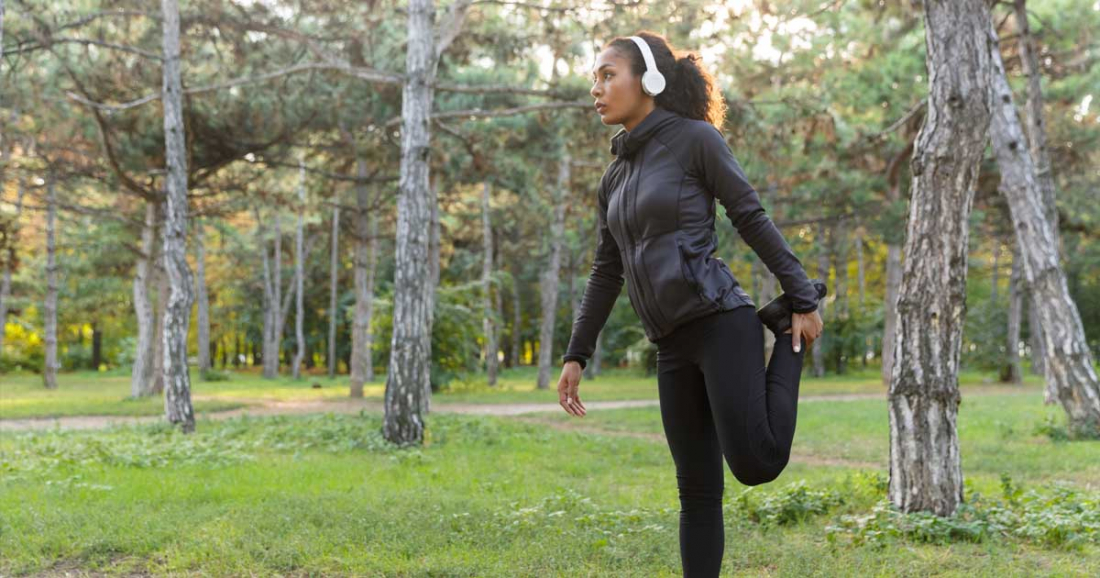
A study involving more than 1,000 heart patients shows that walking has significant benefits for most adults, offering protection against heart attack, stroke or coronary heart disease. Walking at least 30 minutes a day, five days a week (ideally in the fresh air), can reduce the risk of coronary heart disease by up to 19 percent. And this risk can be further reduced if you increase your walking time or add to the distance you can walk each day. Sounds pretty appealing doesn't it? So, let's put on our sneakers and go for a walk.
It'll fight depression and boost your mood
It's been scientifically proven that walking can boost mental health, put a stop to depression and can get us in the right frame of mind. And it doesn't matter whether you walk slowly, fast, uphill, downhill, in the fields or in the city - exercise, including walking, is a very effective natural remedy for depression and a positive side effect is that it puts you in a good mood. This happens because movement can release hormones in the brain that help us feel good - endorphins, for example. Plus, if we move outdoors, we get even more benefits! Getting your blood flowing and soaking up the sun, boosting your vitamin D levels, and spending more time in nature are all super effective and easy ways to feel happier and go the extra mile for your health every day.

8 negative consequences of a long-term sedentary lifestyle
Whether you go for a walk in the morning, on your way to lunch, with a work meeting in your ears or after work to calm down, you will always be rewarded with a clear head, lots of energy and a happy feeling. And that's really worth it! To make matters worse, regular walking is also linked to longevity and a higher quality of life. In fact, regular exercise in the fresh air not only supports the heart, but also oxygenates the brain, which appears to be a very beneficial protection against the onset of Alzheimer's disease, dementia, memory loss and other manifestations of mental degradation.
Stronger immune system
As well as all the benefits already mentioned, if we regularly exercise outdoors - ideally in all weathers - we also strengthen our immune system and are much less prone to infections. Studies clearly show that individuals who move and walk regularly are less ill than those who spend most of their time cooped up indoors or not moving at all. Plan to take at least a short walk every day - on your way to work or school, head to the park for lunch, or even go to the store. Do you go to the gym in the afternoon? How about walking, at least a short distance? And on the weekend, definitely get the family involved and if not on a bigger trip, at least take them out for a walk around your town/village. You won't regret it!

And the best part? Walking is free, you don't need special equipment and you can do it anytime, anywhere...
The best thing about walking is that it is absolutely free. In fact, you don't need any equipment, no opening hours, no funding for season tickets, no special weather conditions to walk regularly - you just put on your comfortable shoes, open your apartment door and go. All you need is the desire and determination, but we dare say that after reading all the benefits of regular walking, you won't even need to be persuaded. Just 30 minutes a day will make you feel beautiful, do something for your figure and your health... that's wonderful, don't you think?
And that you don't have time to walk for 30 minutes at a time? Then split them up! Take a 15-minute walk to start your day, walk on your way to lunch, and head out at night to air your head out just before you go to bed. Every movement counts and if you can manage a few shorter walks during the day, it's only good! Still lacking motivation? Then let's remind ourselves that regular walking is associated with a reduced risk of heart disease, lower weight, better fitness, better mental performance, increased creativity, lower blood pressure and stronger immunity. Really don't feel like going for a walk right now?
What about walking and weight loss - how much to walk and how fast?
Walking is considered a moderate-intensity activity, with most experts recommending that people who use walking as a fat-reduction aid should try to walk at a "brisk" pace of at least 5 to 7 kilometres per hour for 30 to 60 minutes per day. Another good goal might be to take 10,000 steps per day. However, new research published in 2021 found that taking as few as 7,000 steps a day on a regular basis can reduce the risk of premature death by 50 to 70 percent compared to people who take fewer steps per day or don't move at all. Even with walking, of course, it depends on your individuality, your physical proportions, and also on a combination of all other lifestyle factors such as the quality of your diet and sleep, the type of work you do, the intensity of your sporting activities, the frequency of your walking, and last but not least, genetic factors or the level of stress you are exposed to. After all, if your diet is pretty lousy, you're frequently oversleeping, and, aside from an hour a day when you exercise, you sit on your butt the rest of the day, just adding more walking in an effort to lose weight probably won't do much of an effect. Because again, you have to take the whole puzzle into account - movement, food, sleep, stress management and much more.
Recommended

Czech Virus Vitamin D3

Viridian Vitamin D3 2000IU
However, adding a regular walk to your daily routine is definitely a good idea. Just because you will do something for your body, your immune system, burn a lot of calories, boost brain function, sleep quality, get much needed vitamin D in the summer... in short, you will do something for your overall health and it is definitely worth it!
What to take away from the article?
Walking is the most natural movement we can perform. It can be practiced anytime, anywhere, is completely free and is not limited by age or experience. The more time we spend with it, the more benefits it can provide. Apart from the heaps of calories we burn by walking, it can help us strengthen our heart, immune system, promote the quality of our sleep, put us in a good mood and also boost our creativity and mental performance. It's definitely worth the few minutes a day! So put on your shoes, get a partner or put on your headphones and go for a walk now!
Sources:
Tschentscher, M., Niederseer, D., & Niebauer, J. (2013). Health benefits of Nordic walking: a systematic review. American journal of preventive medicine, 44(1), 76-84. https://doi.org/10.1016/j.amepre.2012.09.043
Mathieson, S., & Lin, C. W. (2014). Health benefits of Nordic walking; a systematic review. British journal of sports medicine, 48(21), 1577-1578. https://doi.org/10.1136/bjsports-2013-093294
Sharma, A., Madaan, V., & Petty, F. D. (2006). Exercise for mental health. Primary care companion to the Journal of clinical psychiatry, 8(2), 106. https://doi.org/10.4088/pcc.v08n0208a
Randolph, D. D., & O'Connor, P. J. (2017). Stair walking is more energizing than low dose caffeine in sleep deprived young women. Physiology & Behavior, 174, 128-135. https://doi.org/10.1016/j.physbeh.2017.03.013
Nieman, D. C., Henson, D. A., Austin, M. D., & Sha, W. (2011). Upper respiratory tract infection is reduced in physically fit and active adults. British journal of sports medicine, 45(12), 987-992. https://doi.org/10.1136/bjsm.2010.077875
https://www.arthritis.org/health-wellness/healthy-living/physical-activity/walking/12-benefits-of-walking
https://www.health.harvard.edu/staying-healthy/5-surprising-benefits-of-walking
Zheng, H., Orsini, N., Amin, J., Wolk, A., Nguyen, V. T., & Ehrlich, F. (2009). Quantifying the dose-response of walking in reducing coronary heart disease risk: a meta-analysis. European journal of epidemiology, 24(4), 181-192. https://doi.org/10.1007/s10654-009-9328-9
Paluch AE, Gabriel KP, Fulton JE, et al. Steps per Day and All-Cause Mortality in Middle-aged Adults in the Coronary Artery Risk Development in Young Adults Study. JAMA Netw Open. 2021;4(9):e2124516. doi:10.1001/jamanetworkopen.2021.24516
No posts have been made yet.








