





Simple tips to speed up post-workout recovery!
 Author:
 You must know the state after a really hard workout, when your heart is pounding, your muscles ache when you leave the gym to the locker room and you are really "exhausted". And what's even worse? That this pain is just the beginning! A day or two later, you'll feel that heavy set of squats or lifted "max" on the bench even more intensely, and if you really overdo it, or put more into your body than is healthy, sometimes it's hard to perform even normal activities like climbing the stairs, stretching on the top shelf, or sitting on the toilet. I'm sure everyone has had that kind of training too.
However, sometimes recovery takes a long time and you are unable to even think about going to train again for a few days. That's why today we're going to give you some tips on what you can do before, during and after your workout to make your recovery go faster and post-workout pain as low as possible. Incorporate the following tips regularly into your workouts to ensure that you'll be able to work out all of your scheduled weekly workouts.
Article Content:
- Pre-workout warm-up
- Don't forget to follow a drinking regime
- Get a massage
- If you really overdo it, an ice or cold shower will help
- Post-workout necessity? Eat!
- The holy grail - sleep!
- Stay moving
- Vitamins, minerals and other supplements
- What to take away from the article?
Pre-workout warm-up
Static stretching is a fine way to stretch your muscles, but definitely not in the pre-workout period. However, what will certainly help prepare your body for the load is a 10 minute warm up using low frequency cardio. Several studies have confirmed this phenomenon, and this Australian one in particular concluded that if you dedicate 10 minutes before the start of your workout to warm up, you will reduce the development of the classic two-day post-workout muscle soreness.
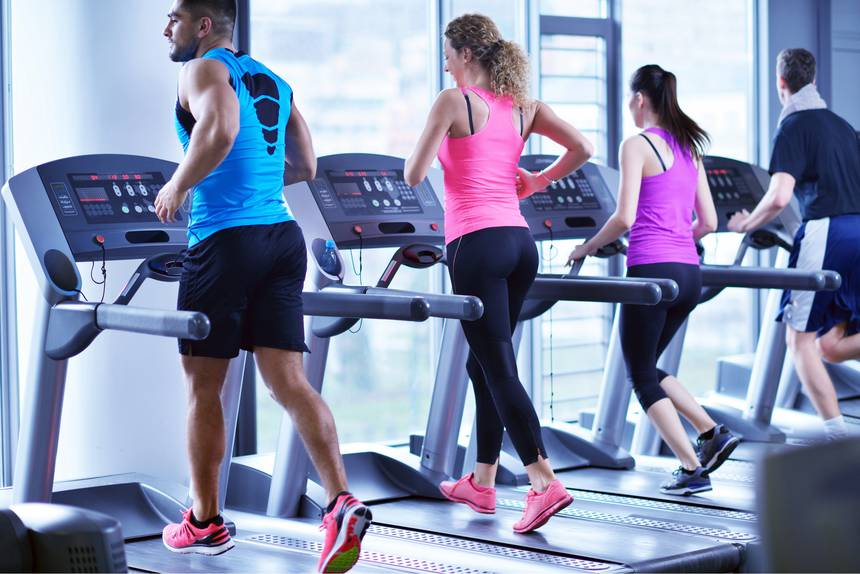
Ideal for a pre-workout warm-up is perhaps a light jog on the treadmill, a workout on the stepper or stationary bike and so on. Before the first set, it is also advisable to do at least one so-called warm-up series, where you take a very light weight and perform the exercise you are about to do. This will help activate your joints and get the blood flowing, so you can then be sure you're ready for the load.
Don't forget to keep up your drinking regime
This advice may seem like a platitude to you, but in reality, few exercisers follow a sufficient drinking regime during their workouts. Intense training "sucks" a lot of water out of your body, and if you don't replenish it at all, or don't replenish enough, dehydration can occur quite easily. Symptoms of dehydration include dizziness, lightheadedness and headache, and fatigue. Research shows that dehydration also increases symptoms of delayed onset muscle soreness (called DOMS).
Training hydration should consist of two parts - fluid replenishment during training and then increased fluid intake after training is over. In addition to classic post-workout drinks such as protein or bcaa, you can also reach for cherry juice, which has the ability to reduce the development of inflammation due to muscle damage.
Get a massage
After your workout is the perfect time to get a massage. According to a 2005 study, massage can reduce muscle soreness symptoms due to workouts by a whopping 30 percent. Soft tissue massage helps to increase blood flow and reduce inflammatory processes taking place in the body after a workout. Massage as applying light pressure also relieves fascial and muscle stiffness that often results from overtraining.
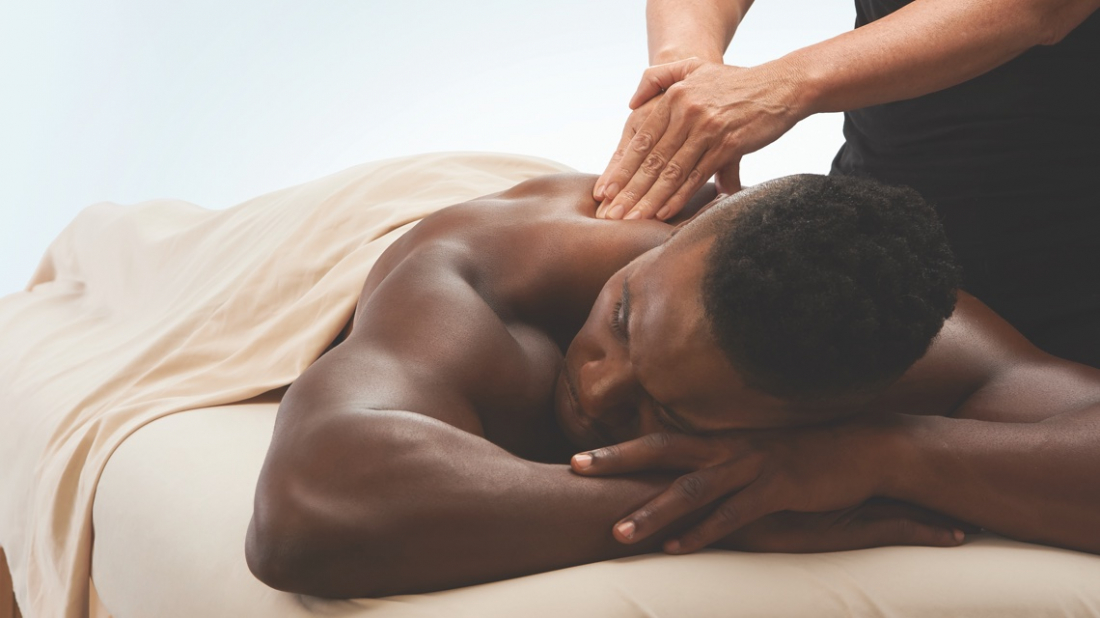
If regular massages are a bit beyond your financial means, get a cheaper but equally effective alternative that you can use to give yourself a massage at home whenever you want. Such an alternative could be a foam roller or a rubber massage ball, in short, a device that can put pressure on muscles and connective tissue. Many experts recommend that you spend 5-10 minutes after your workout massaging the exercised muscles.
If you really overdo it, an ice or cold shower will help
If you really overdo it on your workout, try icing the affected muscles. The cold will cause the blood vessels to constrict, resulting in less swelling and inflammation. Several studies looking at the use of cold in relation to reducing muscle soreness have concluded that if you include a cool bath or shower after exercise (CAUTION! NOT IMMEDIATELY AFTER EXERCISE, so your body doesn't go into shock) (ideally about 15 minutes after your workout), it will have a positive effect on reducing post-workout muscle soreness and will also help you recover faster.

We definitely don't encourage you to stay in ice water for long periods of time. A cooler stream of water should be enough, if you are uncomfortable you don't need to wash yourself all over with cold water, just apply it to the exercised areas.
A post workout necessity? Eat!
One of the smartest and most effective things you can do to help yourself recover faster is to treat your body to plenty of nutrients after your workout. Ideally, then, reach for a combination of protein and carbohydrates, which will help you reduce your levels of the stress hormone cortisol. Consistently elevated levels of cortisol - a hormone released in response to stress and low blood glucose levels - can eventually lead to muscle breakdown, and you really don't want that.
After a hard workout, it's a good idea to take in protein, and if your primary goal is performance enhancement, then definitely carbohydrates. Immediately after your workout you can indulge in a protein powder and some quicker sugars, then the post-workout meal should include an easily digestible protein such as poultry and complex carbohydrates. Furthermore, research suggests that the last meal before bedtime should contain a source of casein, which increases the rate of protein synthesis and amino acid circulation overnight, leading to muscle growth.
The holy grail - sleep!
Growth hormone levels are highest during sleep, making sleep probably the most effective recovery method ever. The optimal amount of sleep is an individual matter, but according to research, we should allow ourselves at least 7-9 hours of sleep, especially after heavy workouts. Sleep is a very important factor, so don't underestimate it, invest in a good quality mattress and learn the principles of sleep hygiene to ensure you get the best quality sleep possible. Alternatively, take a supplement such as magnesium or melatonin before you go to bed.
Stay on the move
Even if your muscles are aching, you shouldn't just roll around in such a situation. Opt for some form of active rest, such as a walk or light cycling. Studies show that doing light exercise immediately after a strenuous workout temporarily relieves symptoms of delayed onset muscle pain and can help remove lactate from muscles. Active recovery can help reduce muscle pain, muscle stiffness and restore connective tissue laxity by promoting blood flow. Therefore, on days off, it is recommended to engage in yoga, walking or cycling.
Vitamins, minerals and other supplements
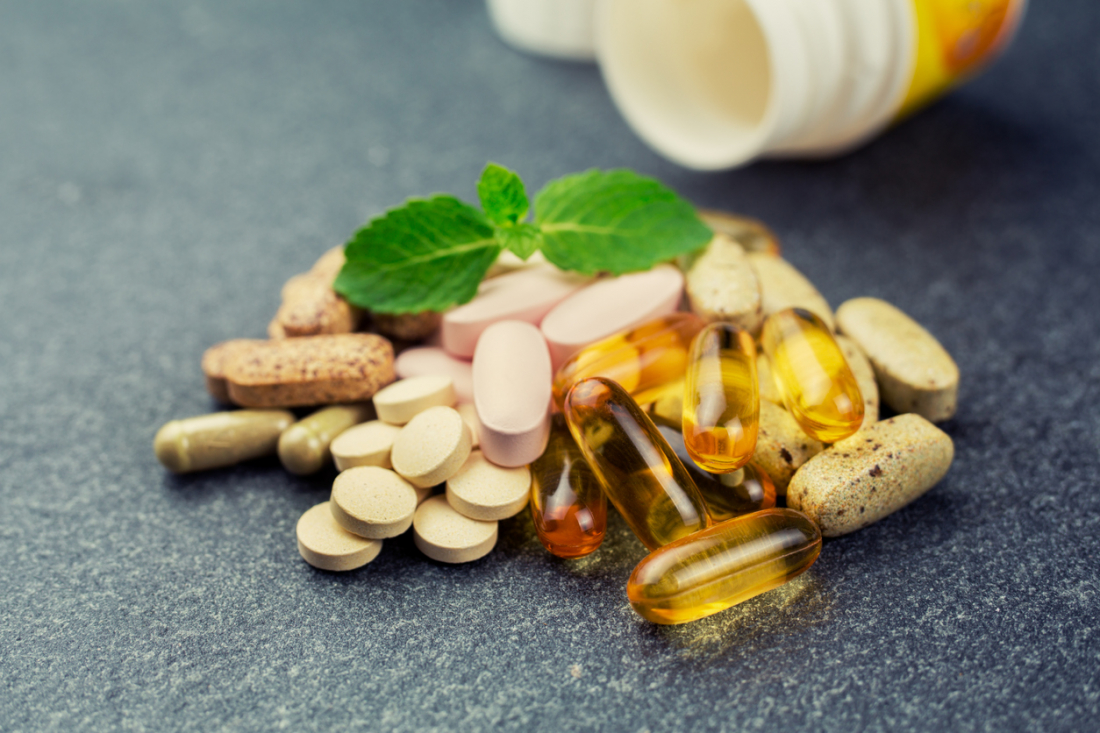
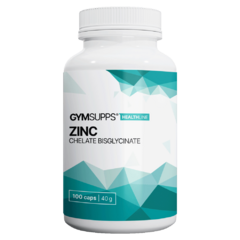
The last "helper" that can help you relieve muscle pain due to training is the supplementation of vitamins and minerals, which are really important for the body. As mentioned in the previous points, it is very advisable to take magnesium to prevent cramps, ideally in chelated form, and combine it with zinc for better utilization . Taking a quality multivitamin to support your immunity, which is compromised by the intense stress of training, will not hurt either. However, beware of taking the vitamin immediately after training. Another supplement that won't go amiss is omega-3 fattyacids. And the last supplement worth mentioning is HMB, which is a metabolite of leucine and is thought to prevent the breakdown of protein in muscles. In short, HMB promotes muscle growth, contributes to better recovery, has a positive effect on the immune system and cholesterol levels, and aids in weight reduction.
What to take away from the article?
Today we have focused on simple tips to speed up the recovery processes after training, which you can use especially in the muscle building and performance enhancement phase, but also as a regular recreational athlete. Don't underestimate your pre-workout warm-up, hydration and sufficient nutrient intake, and find time for a good and hearty sleep! In addition to these "classic" recommendations, you can still benefit from massages or contrast showers. Despite muscle soreness, you should not stop moving completely and it is advisable to include some light walking or cycling, as such activity can relax your sore muscles and remove the lactate build-up. As a last resort, we have also recommended some supplements that can be used to alleviate the manifestation of muscle pain.
Recommended
Scitec Mega HMB


GymSupps Omega 3
Sources:
https://www.ncbi.nlm.nih.gov/pubmed/18547863
https://www.ncbi.nlm.nih.gov/pubmed/11156281
https://www.ncbi.nlm.nih.gov/pubmed/22330017
https://www.ncbi.nlm.nih.gov/pubmed/18547863
https://www.ncbi.nlm.nih.gov/pubmed/10075763
https://www.ncbi.nlm.nih.gov/pmc/articles/PMC1323290/
https://www.ncbi.nlm.nih.gov/pubmed/20459662
https://www.ncbi.nlm.nih.gov/pubmed/16790484
https://www.ncbi.nlm.nih.gov/pmc/articles/PMC1250256
No posts have been made yet.








