





How to start jogging: useful advice for beginners
 Author:
 Running is one of the most popular outdoor sports and its popularity has increased even more thanks to the long quarantine we have experienced. One of the main reasons why people love running so much is the fact that you can run anywhere, anytime, nothing restricts you and you don't have to look at the opening hours of the gym. Besides, you don't need any special equipment to run, except for good shoes, but we'll get to that today. As such, running has many positive health benefits - it's exercise, after all, and in the fresh air! If everyone around you is running and you're tempted to do it too, but you just don't know how to get started, be sure to read on, because today we'll talk more about running and give you some tips on how to get started, what to get and what not to underestimate.
Article content:
What can running offer me?
Before we get into how to actually get started with running, let's get an idea of its biggest benefits and that there are many. We're sure that if you're still hesitant to start, after reading the following paragraphs you'll be clear!
First, let's get to the practical reasons. As mentioned in the introduction, running is free (except for the investment in good quality shoes and clothing) and is time-saving. You can run absolutely any time - does the activity suit you in the morning but you can't make it to the gym or it's closed? Lace up your shoes and go for a run! Need to air your head out after work but don't want to go to the gym? Lace up your shoes and run. Plus, you'll save time because you don't have to deal with transportation to an indoor gym. Run in the park, in the field, on vacation, on your lunch break, while walking the dog... run anytime, anywhere!

Are you more interested in health benefits? Okay, let's go get them. Running is the most natural movement next to walking and can be done by all ages, literally. The oldest runners who run marathons are even in their 80s. Running is one of the activities that are very beneficial for the cardiovascular system and heart health. Apart from that, it contributes to better immunity, is beneficial in burning fat and building fitness and last but not least, it has a beneficial effect on sleep. Moving outdoors also refreshes your body and brain, relieves stress and, if the sun is shining, provides you with the all-important vitamin D. As an added bonus, you'll work on your butt and work out your leg muscles. But if you have knee problems, running may not be right for you because of the concussions.
Last but not least, running has a very positive effect on the human psyche. Moving in nature, knowing you are doing something for yourself, the constant desire to work on yourself and improve. Trust that once you start, you won't want to stop. Airing out your head before a hard day, or vice versa after it, is great therapy, and it's free. Running is also a great way to meditate. Just put on your shoes, your earbuds, or you don't even have to - enjoy the sounds of nature and just run. You can run alone or with a partner, it's up to you. So, do you still doubt that running is just great?
How to start running?
Okay, we believe we've convinced you that you should at least give running a chance. Starting a new sport isn't always easy, especially if you're starting from scratch and looking for what's best for you. And just like the beginnings of other sports, running hurts a lot in the beginning and for the first weeks, maybe months, you'll probably feel like you're not going anywhere, but if you don't give up, you'll definitely be glad you did later on. To make your running beginnings as enjoyable as possible, we'll give you some important tips so you know what not to underestimate and what to avoid.
1. Appropriate footwear is essential
As we have already mentioned, running is an activity that costs nothing, except for investing in the right shoes. In fact, footwear affects comfort, performance, and can even prevent injuries or pain. But choosing the right shoe for you is not that simple. Everyone's shoe fits a little differently, so it's impossible to recommend a one-size-fits-all shoe. But I guess you're used to the fact that 99% of nutrition and sports are completely individual, right? Anyway, if you're serious about running, and you haven't tried what suits you, we recommend you go to a specialty running store and try on as many types of shoes as you can.
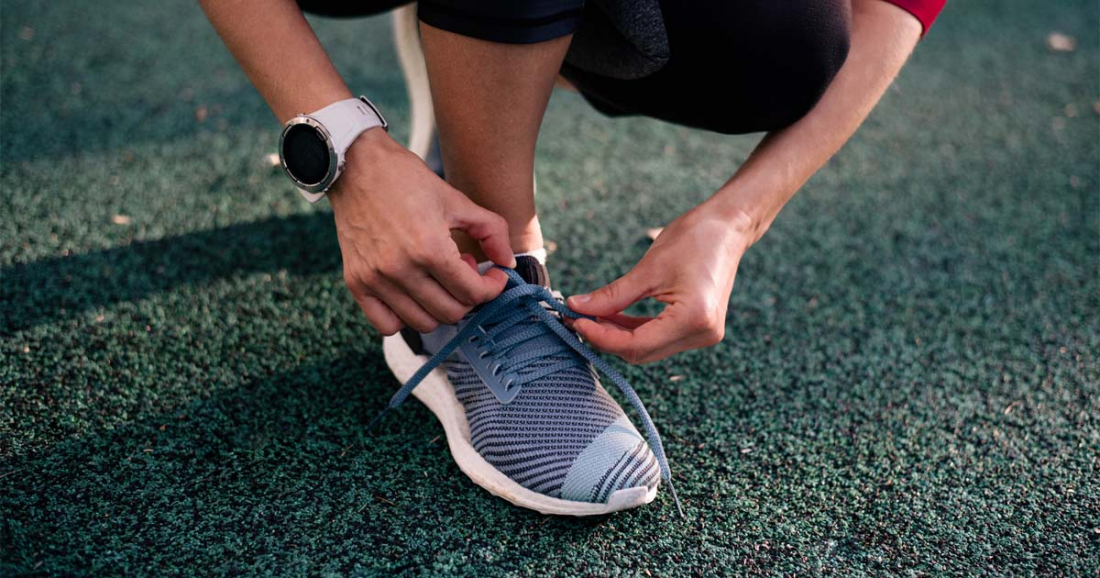
Depending on your foot shape and the way you tread, the staff will help you find one type or brand that suits you best. It is also recommended that the running shoe be one to two sizes larger than your regular shoes. This is because your foot swells slightly when you run and there needs to be plenty of room in the shoe. This is because tight shoes could cause chafing, blisters or so-called running nails. The terrain you plan to run in and your running experience also play a role. A trained staff member will be happy to advise you on all the parameters. Choosing running shoes is a bit of alchemy, but if you really want to run you should definitely not underestimate the choice of shoes.
2. Set a goal and run consistently
Do you want to feel a little better every day, air your head out, work on your fitness, want to lose weight, want to run a certain distance, want to run a marathon or just want to prove to yourself that you can run regularly 4 days a week? Great! Setting a goal often helps us stick with a sport and motivates us to get better and better every day. If you're new to running, arm yourself with patience because beginnings are hard. Sometimes you'll be tired, sometimes sore, and sometimes you'll manage to run much less than you'd like. But it's okay. Consistency is more important in this case than giving peak performances every day.
Goals are important, but remember that they should be realistic, achievable, and easy to measure. If you haven't done anything for x years, don't expect to be running a marathon in a month. Start gradually, slowly, mindfully. In the beginning, feel free to try Indian Running - that is, alternating between running and walking, and when you are more confident, switch to just running. Don't overdo it with distance or speed at first, but try to add at least 10% distance each week. And remember, even a little progress is still progress. If you're lacking motivation, put on a good playlist, music really works wonders!
Recommended
Nebbia Washed crop top tričko GOLDEN AGE 782
Nebbia Boxy fit košile s kapsami STREET ICON 599
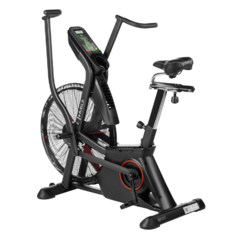
HMS AirBike MP5420
3. Don't forget to warm up well before the run
Warm up. Probably the least fun part of running, but hugely important! Because if you skip a warm up or short warm up before your run, you risk pain, pulled muscles, and worse, you could injure your hamstrings or cause a more serious injury. This is because during the warm-up and warm-down you prepare your muscles for the load, which is not only important for injury prevention, but also appreciated during the run itself because you will run much better. Avoid static stretching and instead opt for a dynamic form that gets your blood flowing, raises your heart rate, warms up your muscles and prepares your joints for the load. For example, you can start with a brisk walk, then switch to light jogging and finish your warm-up with the so-called running alphabet or various lunges, dynamic squats, etc.
4. After the run? A good stretch!
As important as a warm-up is, don't forget to stretch after your run. This will loosen up tight muscles and pass on their pain or muscle soreness. After your run, do some stretching exercises for your calves, hamstrings, butt and thighs. You may want to try yoga, as many yoga poses help relieve tension in the muscles. We can also definitely recommend a foam roller. We've dedicated quite an extensive article to these, so you can read how rollers actually work and how to choose the best one in the article below.
5. Choose your surface wisely and change it regularly
The surface you run on can be as important as the type of shoes you wear, as running is a sport that puts a lot of pressure on joints and tendons. Every surface has its pros and cons. Grass is usually considered the best surface for running because it's soft and doesn't cause as much shock as running on concrete, but even grass has its drawbacks - you have to be careful where you step because it's easy to jump into a hole or step on an uneven surface and twist your ankle. If you're training for a race, it's a good idea to practice running on asphalt (aka road) so your body can acclimate to the conditions before the race. On the road, or paved surfaces, there are more shocks and you also have to watch out for things like cars.
If you think a treadmill is the best choice, then maybe so as far as the surface is concerned. But otherwise it's pretty boring, quite frankly. A treadmill is great for interval running and HIIT, but for longer runs you're better off going outdoors, although of course it depends on what works best for you. As it seems the best strategy is to change surfaces regularly, one day run in the woods, another time run in a field, then do HIIT on the treadmill and another time run on a concrete path. Variability is hugely important and this is true in terrain too.
6. Proper fuel before and after training
As with other sports, nutrition before and after exercise plays a vital role. This is because proper nutrition gives you energy for the performance and is also crucial for optimal recovery afterwards. You shouldn't go out too full or hungry, but no one can tell you the exact time to eat before a run. It is, as usual, individual. Therefore, you need to test whether you are comfortable eating an hour before the run, or whether you need a longer window of time. If you're going for a longer run, definitely don't skip the meal, if on the other hand you're going for a short morning run, feel free to go out on an empty stomach if that suits you. However, running on an empty stomach has no demonstrable benefits, meaning in terms of fat burning.

What to have before a run? Ideally something easily digestible, depending on when you go running after your meal. If over a longer period of time, feel free to have a larger meal - the pre-exercise meal should be nutritious enough, but at the same time not too heavy so that it doesn't weigh you down in your stomach when you run. A combination of complex carbohydrates to ensure you have enough energy and easily digestible protein is ideal. Complex carbohydrates can be found in whole grain breads, oatmeal, rice, pasta, buckwheat, potatoes, eggs, legumes, etc. As a source of protein you can choose lean meat, white yoghurt, protein or even eggs. There should not be too much fat and fibre in the pre-run meal as these two components take a long time to digest and can cause digestive discomfort for more sensitive individuals. At the same time, you certainly don't have to give them up completely.
If you're going for a shorter run, or if you're hungry before the run, reach for quicker carbohydrates - like a piece of fruit with yoghurt or rice cakes with ham. Really shortly before the run, you can have a few dates or a banana. The run should again be followed by a meal containing complex carbohydrates and easily digestible protein. Of course, it all depends on the length of the run, the intensity of the training and the time of day you go running. If you're going for a 15-minute lunge, you don't need to take the diet around it completely seriously. On the other hand, if you have a race or a long run coming up, you should definitely give nutrition plenty of attention, and in the case of a race, the day before.
Adequate hydration is also important, not only during and after the run, but also before. You don't need to bring water on shorter runs, but if you are running a longer route or it is very hot, definitely bring water. You can keep a bottle in your hand or get a stylish kidney or small backpack for your run. For longer runs, feel free to add BCAAs or an ionic drink to your bottle. Beware of sugary sodas and fizzy drinks, which are not suitable for drinking during physical activity.
7. Don't forget about recovery
Even though running is great, it relaxes you and helps you feel good, don't forget about proper recovery. Even though running may seem like a recreational activity, it's a lot of hard work and if you can't compensate, you could end up with a nasty injury. So please give your body time to recover, get enough sleep, get a massage and learn to relax from time to time. For recovery you can also use the foam roller already mentioned or perhaps a massage gun. Don't forget to alternate between activities, as a varied workload benefits the body in every way. Swimming, for example, is a great compensatory activity, as is the gym.
8. You don't have to run at all costs every day, listen to your body
A final piece of advice. Your body is always talking to you and you will get the best results if you learn to really listen to it. When something hurts or you're too tired, you don't have to switch gears and go running just because you simply have to. The body is an incredibly intelligent machine and will always let you know if it doesn't like something. Especially if you're new to running, don't overdo the beginning and really give your body time to rest and recover properly. Also remember that what works for others, whether it's shoes, time of day to train or even food, may not work for you. And that's okay. Resist the urge to compare yourself and your running routine or performance to others and focus on feeling good - physically and mentally.
What to take away from the article?
Running is one of the most popular activities ever. That's because it's basically free, unrestricted by anything, has a lot of health benefits and is beneficial for weight loss as well. Running starts are hard, but if you don't get discouraged, we know you'll love running. Plus, moving in the fresh air is a wonderful way to combine the pleasant with the useful. In fact, you can run at any time - in the morning before you go to work, during your lunch break, or in the evening at sunset. If you're serious about running, you shouldn't underestimate the importance of choosing good quality shoes. It's important to warm up before your run, and stretch after your run so your muscles don't hurt as much. We should not forget about optimal nutrition, hydration and, of course, rest. Running is a great activity and we hope that with today's article we have convinced you that it deserves a chance in your program.
Sources:
Rasmussen, C. H., Nielsen, R. O., Juul, M. S., & Rasmussen, S. (2013). Weekly running volume and risk of running-related injuries among marathon runners. International journal of sports physical therapy, 8(2), 111-120.
Ryan M, Elashi M, Newsham-West R, et al Examining injury risk and pain perception in runners using minimalist footwear. British Journal of Sports Medicine 2014;48:1257-1262.
No posts have been made yet.








