





How to get rid of calluses? We have a hand care guide for you!
 Author:
 Hard work in the gym is a normal part of life for most of us. And of course, with all those one-armed machines, axles, pulleys and other equipment go hand in hand with callouses, which are very hard to avoid. But some people don't like callouses on their hands, and some people simply can't afford to have their hands ruined because of their work. Have you ever wondered how to get rid of calluses, or better yet, how to prevent them? In our article today, we'll guide you through hand care that will effectively minimize the appearance of calluses.
Article content:
- How do calluses form?
- How to prevent them?
- What to do if calluses have already formed?
- What to take away from today's article?
How do calluses form?
Calluses are not unusual or serious in any way and can occur any time you put either more stress or some constant pressure on a certain part of your body. They typically form not only on the palms of the hands, which is of course typical of gym-goers, but also on the feet in the case of improper footwear or on the beds of the fingers in the case of playing a stringed musical instrument. But they can form on almost any part of the body.
How to prevent them from forming?
Let's divide today's article into two parts - in the first part we will show how to actually prevent callouses from forming in the first place. In the second one, we will show what can be done once they have already formed and how to get rid of them as efficiently as possible. As part of prevention we recommend:
Use appropriate cosmetics
It's no lie, although things have improved a lot over the last few years, most men still resist cosmetics and see it as a feminine activity. And of course - no one can ask you to take who knows how much excessive care of your body, but believe it or not, if you keep your hands well moisturized, you'll get significantly less calluses. After all, there's nothing worse for calluses than dry skin. For example, there are scientific studies that have proven coconut oil's ability to protect your skin effectively. Moreover, it only costs a few crowns in our shop and has a very versatile use - it is suitable for the kitchen as well as for the hands.

By using the appropriate cosmetics during the day and after your workout, you can effectively prevent calluses.
Gloves can also help
A super protection against calluses is, of course, the gloves that you see on many athletes in the gym - and all of you who think that's effeminate should remember that Ronnie Coleman, one of bodybuilding's biggest icons, wore gloves during his workouts. But of course we must add in the same breath that not everyone gets used to gloves and although many gloves are made for strength training, using them will lose some contact with the barbell and of course they can also negatively affect your grip strength, which is not desirable when training.
Hold the axis correctly
If you want to minimize the formation of calluses, make sure you hold the barbell correctly. Of course, you can't completely prevent calluses, but it is very common for someone to hold the dumbbell off-center, which puts more pressure on one side of the palm and can cause more calluses to form. So if you want to minimize the formation of calluses, hold the barbell or single bar in the middle and grip it properly between your palm and fingers.
Use a good magnesium
Have you noticed that all kinds of athletes often have completely white hands at various competitions? This is because they usemagnesium, which is designed to prevent your hands from sweating, thus improving your grip quite effectively. And of course, this is also desirable in situations where you're trying to prevent calluses. After all, there is nothing worse than when the axle starts slipping out of your hands during an exercise and you therefore start moving your fingers all over the place trying to grip the barbell. When you then put the axle down, it can do much more mischief on wet hands than on dry ones. But as we mentioned once before, dry hands aren't good for calluses either - once you've finished exercising, it's a good idea to wash the magnesium off thoroughly and lubricate your hands with some moisturiser.
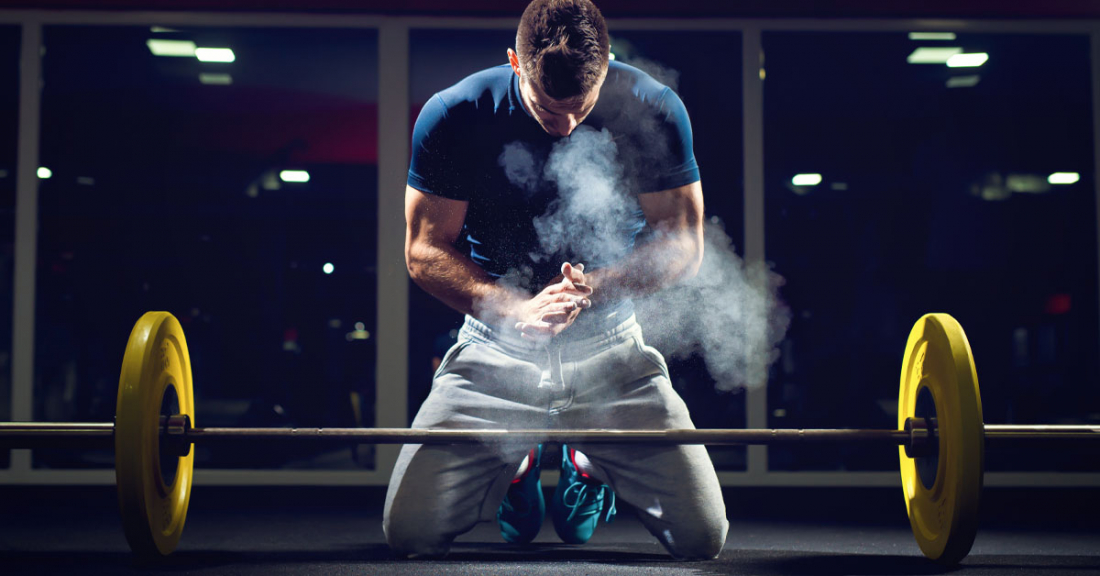
If you're not using magnesium, you're robbing yourself of a firm grip and quite possibly making your hands worse.
For heavy weights, jerks come in handy.
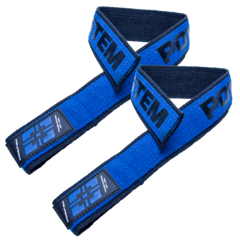
Once in a while, once you get into some heavier reps on the exercises that put the most strain on your hands, use snatches or hooks. You'll find both of these in a separate category in our shop. Although there are some differences between these pieces of equipment, they work on a very similar principle - they transfer some of the weight you lift from your wrists to other areas. By helping with your grip, there is also less strain on your hands and therefore less calluses.
What to do if calluses have already formed?
You can try as hard as you like, but you can never completely avoid calluses. However, you will see that once you start applying the above advice, they will not form to such an extent and should not even be that painful. If you want to take care of your hands to perfection, let's take a look at what you should do when they appear:
A good cream will do a lot of the work
Just as it's good to keep your hands hydrated throughout the day, it's also good to keep them properly lubricated once you've got some of those calluses. While the aforementioned coconut oil isn't bad for regular use, creams containing salicylic acid tend to be recommended for post-workout. Of course, these creams do cost something and if you don't want to invest too much in callous care, some people recommend using a commonly available deer tallow after training, which costs a few crowns and works very well on the hands as well.
Give them room to regenerate
Once the calluses appear, try rubbing them with the aforementioned cream and then ignore them. Many people have a habit of picking small calluses and the like, but this can slow down their "healing" quite considerably. Ignore them, give them room to regenerate and you will see that they will disappear completely on their own in some time. However, if they are large (but painless) and you want to get rid of them quickly, you can choose exactly the opposite procedure, which we will mention in the next point.
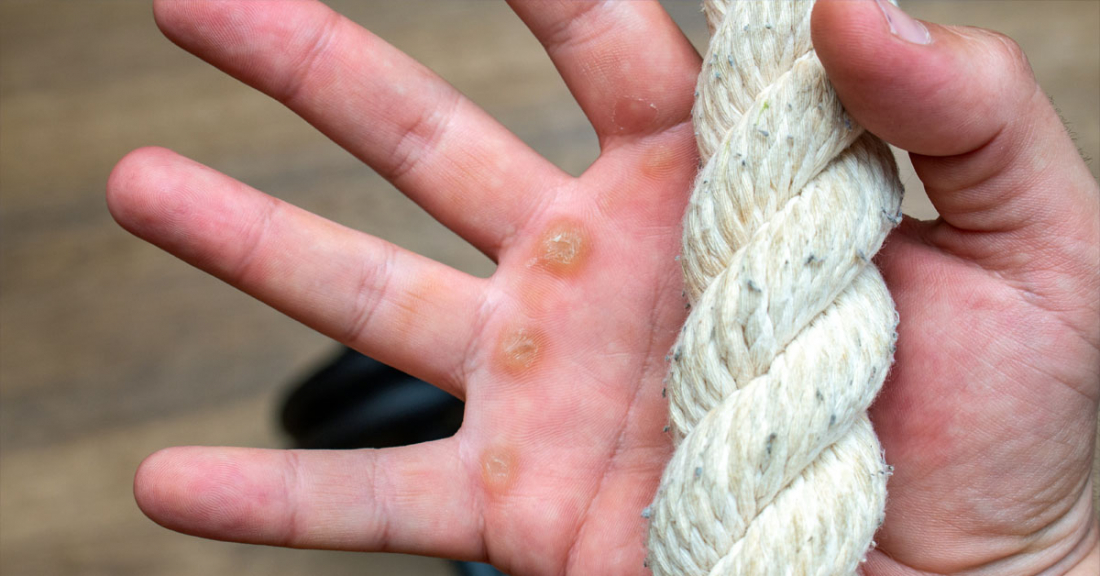
Once you get calluses, give them room to regenerate and don't rub them unnecessarily.
Let them soak and rim them
The third piece of advice is for the really big callouses that bother you and you want to get rid of as quickly as possible, rather than for small callouses. If they don't hurt at all, first soak them in hot water for a few minutes (some people recommend dissolving a little baking soda or Epsom salt in the water) and then rub them properly using a pumice stone or a special brush you can usually find in a drugstore.
If you're desperate, try some old wives' advice
If you don't resist scientifically untested old wives' advice, you have endless options when it comes to calluses. Some recommend a pineapple compress, others recommend lemon or even tomatoes. Similarly, chamomile, garlic or lemon juice compresses are said to help. However, since we have not tried these treatments on ourselves, we cannot recommend them from our own experience. If you dare, you can try them yourself and let us know in the comments below the article.
What to take away from today's article?
The main thing you should take away from today's article is that although you can never prevent calluses completely, you can reduce their occurrence quite a bit. All you have to do is take good care of your hands, keep a good grip on the axle, and use magnesium and pick for some of the harder series. If you do get a callous on your hands, don't despair. After your workout, use deer tallow and depending on the size, either give them plenty of rest or rub them down with pumice. If you feel like nothing is helping, you can also take some old wives' advice, of which there are many.
Recommended
No posts have been made yet.








