





How to find the best online trainer?
 Author: Šárka Randáčková
 There are many talented fitness professionals who offer online coaching. Unfortunately, there are many more who offer outdated, even dangerous advice.
So what makes a good online coach? We asked 11 great trainers.
What should you look for in an online coach?
1. Look for an online coach with the right specialty
Just like a personal trainer, an online coach may have a different specialization, which may or may not be what you need. You wouldn't expect a classically trained French chef to make the best sushi or vice versa.
Likewise, you wouldn't expect a trainer specializing in weight training for professional athletes to be the best trainer for a beginner. Their experience may not transfer.
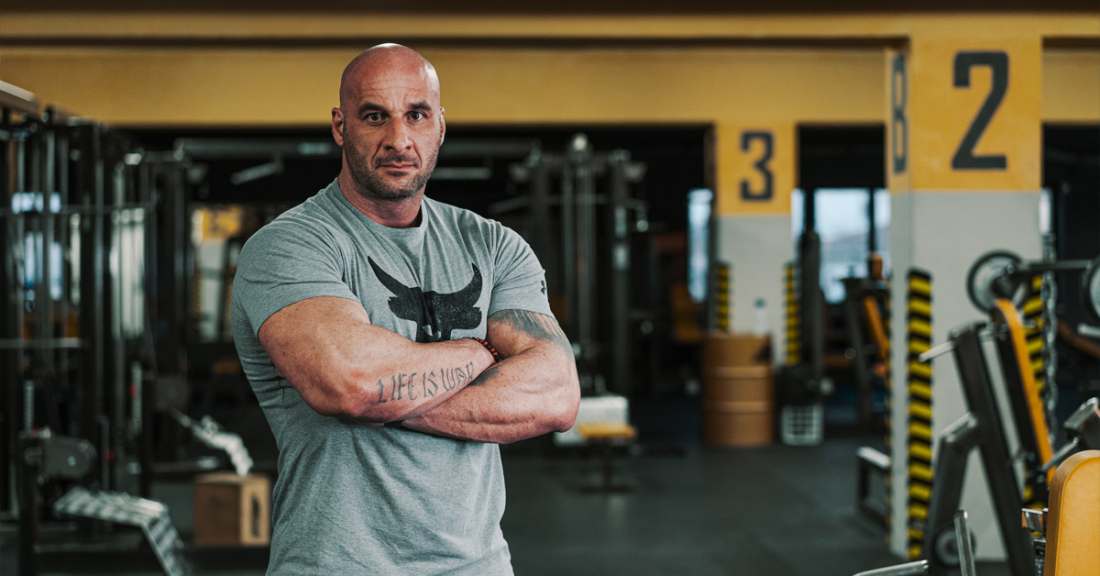
Once you find an online trainer who specializes in people like you, here are a few things to check off your list:
- EXPERIENCE AND CREDENTIALS
They may be hiding behind a computer screen, but that doesn't mean a trainer should be passed up for little relevant experience, qualifications or credentials. I don't know many good online coaches who weren't great as personal trainers years before.
- GOOD CONSULTING EXPERIENCE
Did a few clicks on the internet through a fancy landing page lead you to a "buy now" button ? Or did it lead you to book an actual conversation with a coach?
Even if that's the case, if it takes a week to get an email back from them or to jump on a 15-minute call, it's not a good sign of their overall helpfulness. If they're slow now, imagine how slow they'll be when you hand them the money.
- GUARANTEED SPECIALIZATION
Sure, find someone who will take you outside your comfort zone and turn weaknesses into strengths. But if the plan or some of the exercises don't feel right or the plan isn't sustainable, then the trainer hasn't listened to you. Either that or he's giving you a cookie-cutter plan.
A good trainer should be able to train you regardless of whether you have access to a tough gym or just your own weight. The plan should be set up for YOU.
- LEVEL OF CONTACT
Depending on a trainer's workload and effectiveness, there are only a limited number of clients he or she can successfully work with at any one time.
If an online trainer claims that his program has helped thousands of people, I would be concerned. If they haven't been doing it for decades, be concerned about their service and retention.
- ONGOING SUPPORT
Can you write your coach at any time, or does he just stick a 90-day plan in and walk away? Coaches provide their support in a variety of ways, but the good ones can make simple changes to your plan.
Some coaches also use apps to train their clients and ask for technique review videos. This way the coach can see your check workouts and stats and adjust your training plan accordingly. - Gareth Sapstead
2. They pay attention to their systems and response.
When you are looking for an online trainer, you want an experience that is actually more personal than in-person training. If you subscribe for $200 to $400 a month, you better get a response the same day. Habits should be tracked. There should be clearly defined follow-up visits.
You should have almost immediate access to your trainer and expect a timely response and resolution. And don't forget that metrics should be tracked so that YOU and the coach can determine exactly why you are or are not getting results and what needs to be worked on." - PJ Striet
3. Find one who will assess your technique and adjust your workouts
There are three things you need to focus on. I apply these in my own online personal training sessions with clients:
- EMPHASIZE TECHNIQUE AND BODY MECHANICS
It's tempting for a trainer to simply go into a relaxed mode because they can either just tell the client what to do or sit at the computer with little coaching, cues or verbal instructions.
However, a good online coach should observe your technique while showing you what proper technique and body mechanics look like. Just because it's not personal training doesn't mean there should be less emphasis on technique and body mechanics.
They should be given the same emphasis as in a face-to-face session.
- EVALUATION
Many coaches will suggest that evaluations and movement screenings are difficult to do online, and will therefore forgo them. A competent online trainer should be able to take you through a movement screening and capture most, if not all, of what they would see in person.
Everyone has different forms of muscle dysfunction and deviant movement patterns. A trainer should catch most of them. In addition, he or she should understand how to use these elements of the assessment to customize the client's training.
- MODIFICATIONS
Workouts should be tailored not only to your goals and training level, but also to equipment availability. Even if you have zero equipment, just rubber bands, just dumbbells, or just water jugs, a competent trainer should be able to guide you through an intense and effective workout. This workout should target most of the major muscles of your body while increasing your heart rate.
In short, the trainer should adapt to YOU instead of you adapting to the trainer. - Dr. Joel Seedman, Ph.D.
4. Look for enthusiasm, personalization, and digestible feedback.
Make sure their service feels the same as if you were working with them in person. An online trainer - just like a personal trainer - should exude passion and get you excited about training. They should be able to troubleshoot problems with your technique, customize workouts on the fly, and design programs that are appropriately tailored to your needs, goals, and preferred training style.
Of course, the qualities that an online trainer should possess will vary depending on the types of people they work with and their goals. Regardless, though, he or she should be checking in on you and evaluating your technique via video. - Meghan Callaway
5. Avoid those who give general programs to all clients
A good online coach offers personalized help and top-notch expertise. They should follow your program every week and teach you how to progress, not throw a random program at you once every few months.
They should be able to explain your training choices, coach you through multiple nutrition methods, and bring a fun personality. You can get support and accountability anywhere, but a true, down-to-earth professional who is invested in your success is hard to find these days. - Calvin Huynh
6. Make sure they are authentic
Every online trainer and fitness influencer promises personalized coaching and customized programs, but that's not always the reality. Many successful trainers clearly differentiate their offerings. Some provide a higher volume of programs and templates with less individualization, but at a lower price. Others may have a higher price with more personal interaction and a plan that is truly like your own.
More often than not, the promise doesn't match the delivery and you're met with copier-like workouts and diets with a delayed response. This tends to be the case with influencers who care more about image than human contact; they produce more smoke and less fire.
So talk to your potential coach. If he or she responds with authenticity and dedication while not being aggressive in pursuit of the sale, you may have a winner. Try seeking out someone with a great reputation or get a recommendation directly from a trusted friend. Find someone who is established but not too busy to give you the time of day. Find someone who feels grateful to work with you - Andrew Coates
Want to get in shape or change your lifestyle through a really experienced trainer? Order a customized diet or workout from Supertrener.com!
7. Take a look at their results and procedures so far
Here are a few important things to remember:
- You're not paying for the trainer, you're paying for the results. Evaluating a trainer based solely on price will save you money in the short term, but in the long run it can cost you results and money. Find someone who has a proven track record. If he can't demonstrate results with others, why should you expect anything else?
- You have to trust your trainer and their process. If you haven't bought into him, you won't trust him. If you don't trust them, you are unlikely to follow the plan. Make sure their approach is something you trust and can incorporate into your daily life.
- Coaches often try to build relationships by befriending their clients. Sometimes this "friendship" blurs boundaries and causes them to look the other way when you don't put in the work. Of course you want to like your trainer, but it's just as important that you respect them and that they hold you accountable. Make sure your trainer has firm boundaries and isn't afraid to nudge you when you stray from the path.
- Avoid coaches who are dogmatic about systems. They will say things like: my clients do keto or we only use kettlebells, functional movement or powerlifting. Every person is unique in some sense. And while the basics have broad applications, the way they are done can have significant inter-individual differences.
In these cases, online trainers may take on several clients, but only those who are best suited to their particular approach will get results. The rest are chewed up and spat out. Good trainers don't impose any system on you. They work with you to create the optimal approach for your individual challenges and lifestyle. - Daniel DeBrocke
8. Find someone whose philosophy and values you align with.
Find someone you can identify with. Do some research to see if you like his or her coaching style. Do his personal and professional philosophies resonate with you? Do you feel they will understand your body and challenges? Do they explain things to you in a way that you can really understand?
Try to find a coach who will teach and hold you accountable, not just tell you what to do, physically slam you into the ground, take your money and move on. Coaches should look at their clients holistically in terms of their body type, athletic ability, medical history, habits and difficulties.
While it's important to find someone who is highly knowledgeable about your training goals, they should also be interested in other elements related to your health: recovery, mobility, nutrition, and stress management.
The metrics they gather from you are often less important than the intimate relationship they can build with you. You should trust them and understand why they let you do certain things. After working with them, you should be able to go out on your own and practice the behaviors they taught you.
Sure, it's good when an online coach has a high client retention rate, but it's even better when their clients become independent in their own fitness." - Jessica Kilts
Recommended
Nebbia Intense Legíny GOLD Mesh 829
HMS Magnetický veslovací trenažér ZM1856
HMS Magnetický veslařský trenažér ZM1502

Nebbia Teplákové šortky 6” MUSCLE MOMMY 624
9. Find a trainer who will adapt the training to your daily life
The most important thing to consider when choosing an online fitness program is how practical the program is for your current lifestyle and skill level.
If you're a busy executive balancing a job, a partner and children who are unexpectedly homeschooled, or you already struggle with consistency, then a 90-day challenge of high-intensity fitness workouts may not be the best program for your current lifestyle.
Choose a plan that fits where you are right now, in all aspects of your life. - Sam Pogue
10. Make sure your trainer has a plan to help you achieve success
A great coach will help you create a clear vision of what you are trying to achieve and the action steps needed to get there. A great coach will have systems in place to ensure relevant data is collected for your specific needs. Data is king, and what gets measured gets managed!
A great coach will then evaluate your progress through regular touch points and check-ins, and adjust the plan to keep you moving towards your goal. When you find such a coach, they should be able to handle the inevitable obstacles along the way.
With the path clearly laid out, the coach's job is to ensure that you can function at your best. That's the least you should expect from a good coach. - Ross Gilmour
11. Find someone who will work with your equipment
Some coaches may offer carefully crafted programs with advice, explanations and assessments. Others may send you copies of old workouts from exercise magazines. When it comes to navigating it all, here are two key principles to look for:
- FIND A TEACHER
Look for someone who can teach you how to get the most out of your workouts. The most frustrating struggle on the fitness journey is the constant questioning, " Am I doing this right?" Find someone who will TEACH you, not just show you.
- FIND SOMEONE WHO CAN WORK WITH YOUR EQUIPMENT AND UNDERSTANDING
You won't have all the equipment you want right away. Find a professional who can adapt to your personal setup. And make sure you understand what he or she is telling you and that he or she speaks the language of your gym. Content is great, but you both need to speak the same language." - David Otey
Source: www.t-nation.com - How to Find the Best Online Coach
Author: Gareth Sapstead
Translated by Jaromir Carbon
Author: Šárka Randáčková No posts have been made yet.








