





Complete guide to the first powerlifting competition
 Author:
 The popularity of weight training as a sport is rocketing and it is no longer just an underground thing for a few strange sweaty people meeting in the basement of a block of flats to lift incomprehensibly heavy objects. On the contrary, it's more in than ever before and with it the interest in bodybuilding and powerlifting competitions is growing proportionally. And although nowadays you can find everything about supplementation, training and recovery on any website, few people actually introduce you to the course of such triathlon competitions. So today's article will be a sort of universal guide for all of you who are thinking about competing in powerlifting.
Article content:
- What do I actually have to meet? What do I need to do to be at my max?
- Okay, I'm in!
- What should you take away from today's article?
What do I have to meet? What's the max?
When you start thinking about competing in powerlifting, probably the first question that comes to mind is whether I'm up to it and what kind of performance I should ideally have. If I had to answer from my own experience, at my first deadlift competition I put down 155kg - a weight that almost every novice athlete lifts in backwater village gyms. Still, I was incredibly happy, had a great race and found that lifting weights in front of an audience and other competitors has a completely different atmosphere than some gym workout.
Even though (as expected) I finished almost last in my category, it gave me a huge desire to continue. I mean, the "max" doesn't really matter, and whether you end up with a medal (no prize money or valuable prizes can be mentioned in most races) doesn't really matter in the end, because you gain great experience and move on incredibly.
Still, ideally you should have spent some time in the gym and be able to perform all the competition exercises to the rules. Otherwise, you'll be wasting time and money competing. It is also very useful to see the results of competitions from previous years. In a few seconds you can compare your performance with that of other athletes in your category.
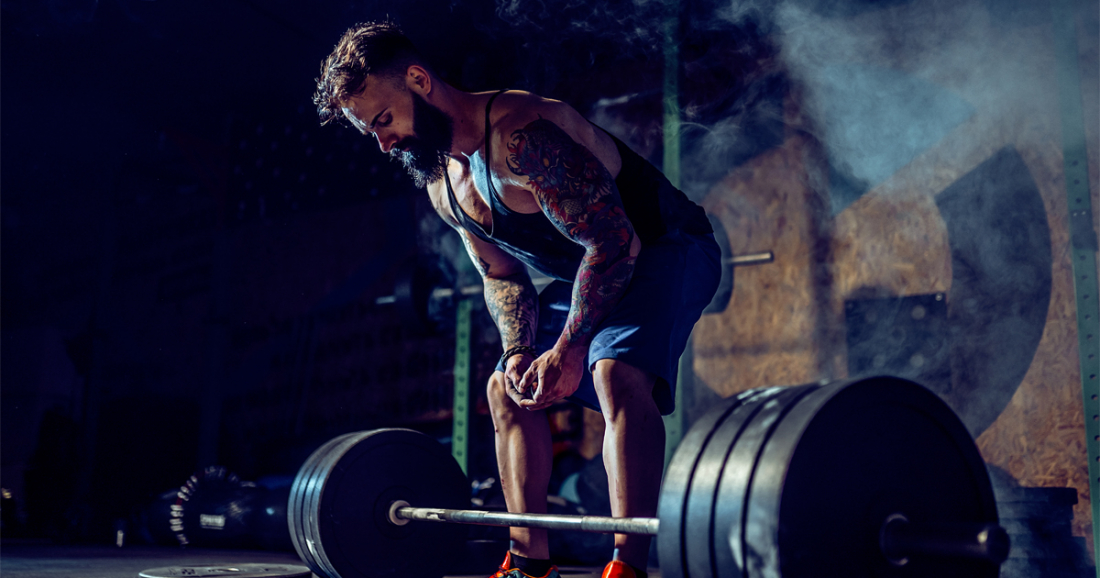
Trying out new highs in competition and in front of people will put you incredibly ahead.
Okay, I'm in!
So, once you commit to racing, you have to choose specific races in specific federations, pay fees, study the rules, buy equipment and other things that, truth be told, can be somewhat problematic and challenging for the unknowledgeable athlete, so much so that some decide to end their training before it has properly begun. But today we'll look at each of these points in a little more detail to make everything clear:
Choose a specific federation
There are a lot of federations you can compete in, and they differ from each other by slight variations in the rules. If I had to mention three major federations, it would definitely be the WUAP, the GPC and the IPF. For the needs of the novice racer, it is important to know that each of these federations organise their own competitions. In the case of the WUAP federation, you can attend any competition (except for the European Championships and World Championships, where you have to be nominated by the designated competitions) without any restriction if you enter in time. The GPC federation organizes both open competitions (where anyone can enter), but also closed competitions, where participation is not possible without functioning in a certain club - one of the best clubs in our country is SK Ironbulls Domažlice led by an experienced coach and a great athlete Tomas Kaas. In terms of rules, the IPF is the strictest federation, which is the only one of the above-mentioned federation that also has doping controls on selected competitors.
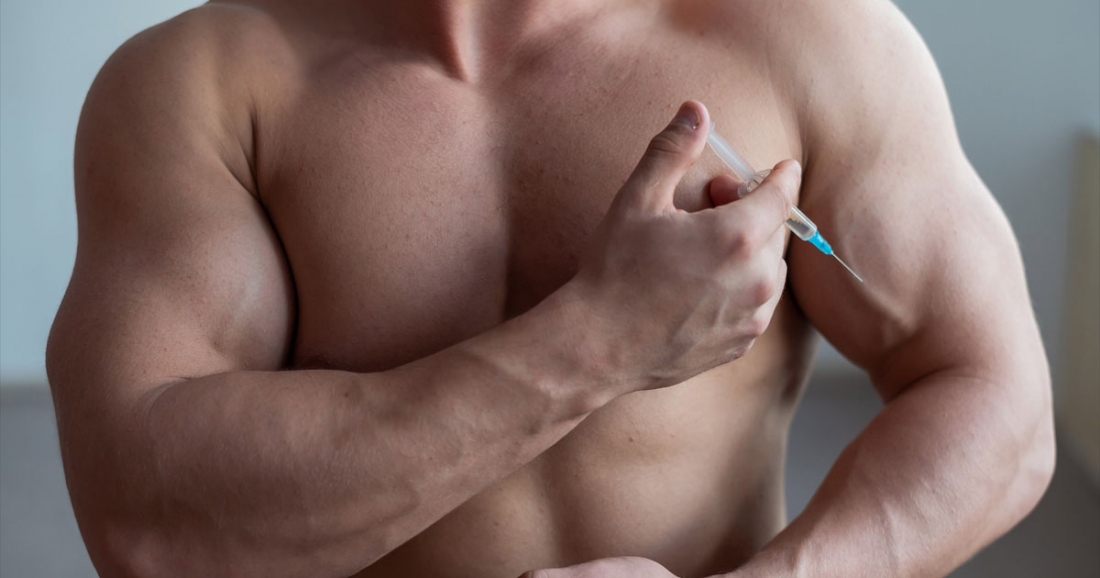
While in some federations doping is not a problem, in others they can ban you for up to several years.
Select specific events and send in your application
Have you made up your mind about which federation is best for you? Then it's probably time to look around for race dates. Both the GPC, WUAP and IPF publish their planned competitions long in advance on their websites, which are definitely worth following. When you find a competition that suits your time availability, you need to fill out an entry form. It's a good idea to fill it out as soon as possible - last-minute appointments make it very difficult for the organizers to plan competitions - it may not necessarily suit the number of medals ordered, there may be changes to the competition schedule, the capacity of the competition may be exceeded, etc. Once you know that you will be preparing for the competition for several weeks, send in your entry early. After the deadline, the organizer may not allow you to participate and that would be a shame, of course. There is usually a fee to pay along with the entry form.
Don't put unnecessary weight into a low weight category
When you send in your entry form, you also need to fill in what age and therefore weight category you will be competing in. You will have to undergo a weigh-in the day before the competition (in the case of the IPF, on the day of the competition) and if you do not fit the weight range, you will be moved to a higher/lower category.
So one option is to choose the category you currently fall into - in this case you won't have to overthink anything or watch your salt levels before the race , and you can concentrate fully on your performance.
The other option is to drop down to a lower weight category. However, this is not very easy for young and inexperienced competitors, because at the same time as losing weight you need to maintain the strength to lift as much weight as possible. You are able to sweat off a few hundred grams quite easily in the sauna, but I would definitely not go for any more drastic interventions in the diet or drinking regime in the place of younger competitors.
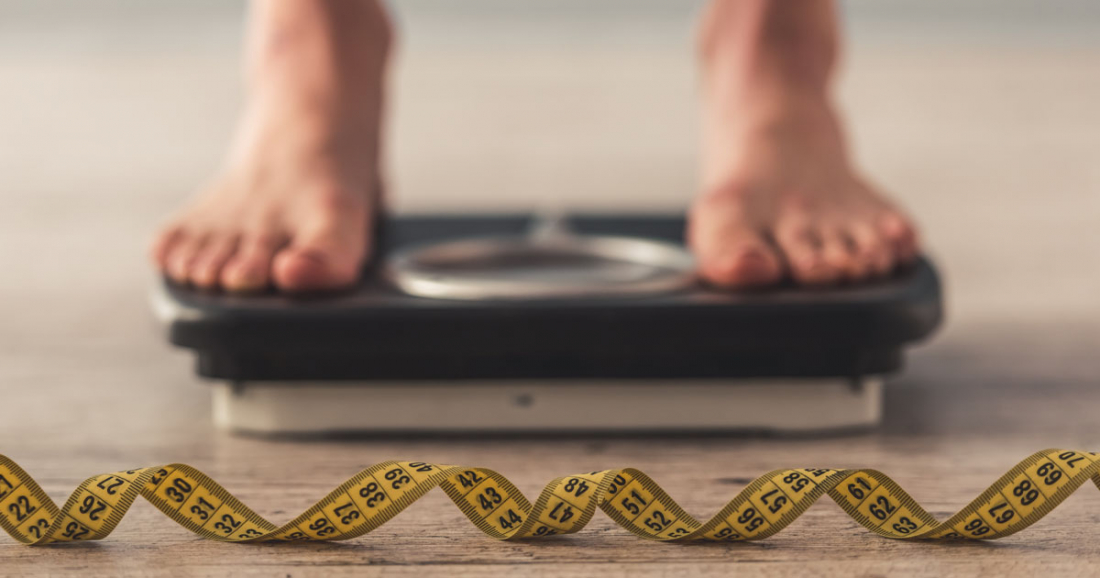
If you're going to drop weight into a lower weight class, you need to focus on not getting weak and performing at your peak in addition to that.
Read the rules and regulations carefully
Each exercise you will perform at the competition has certain specifics and you must comply with them in order for your attempt to be recognized. Therefore, study carefully what the federation requires for specific exercises and stick to it. It is unfortunate if, after a valid attempt, a competitor, for example, goes over the bar and starts to rejoice, thus breaking the rules and rendering the performance invalid. Equally, it is also useful to know what equipment you can have at a competition. If you are competing in the RAW category, you will probably need a singlet jersey, appropriate shoes, wrist bands and knee bands.
Keep a close eye on the schedule on the day of the competition
Every competition has a set schedule and as you can probably understand, it doesn't work like you complete all three events in one hour and just wait for the winners to be announced. The competitors are usually divided into groups (although there can be more criteria, most often based on the weight of the first attempt you report at the weigh-in) and all groups complete a squat first, then a benchpress and finally a deadlift. The whole competition thus takes more or less the whole day and you have to take this into account - you have to follow the schedule and adjust your meal planning accordingly, for example, so that you don't get sick during the attempts, but you don't get hungry either.
You need to warm up before your first attempts
Before the group in which you will be competing, you need to warm up. You don't need to warm up between each trial, which is three in total for each event, but you definitely need to warm up before the first one. In addition to a light warm-up and muscle activation, it is of course a good idea to complete a few sets of the exercises you will soon be performing competitively. Start your warm-up with an empty axle and end at about 10-15 kg less than your starting weight (depending on how much you lift, of course).
Allow plenty of time for the warm-up, it is usually a good idea to start it while the group before yours is on the agenda. You also need to take into account that not every athlete will have their own axis, so you need to join someone with similar performance or simply wait for an axis to open up.
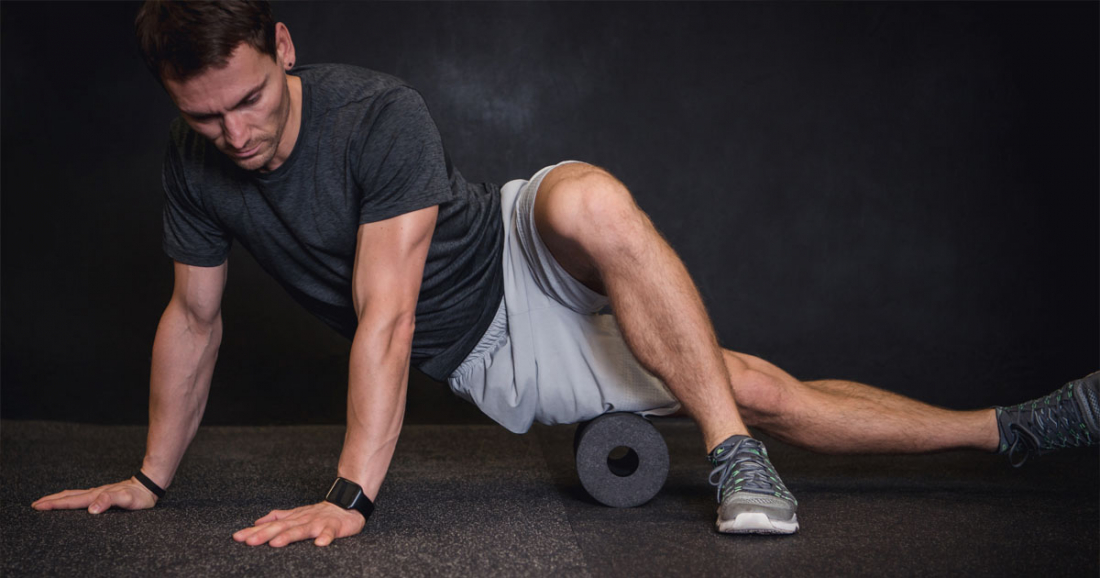
In addition to warming up, massaging on the foam roller and activating the muscles, it's a good idea to do a few warm-up sets of the exercise.
If you're going to a race with someone, have them record your attempts
Unless you're at a race all by yourself, it's definitely worth having someone film you at your attempts. First of all, you'll have a good memory of the race, but most importantly, you'll see which phases of the exercise are giving you trouble and what to focus on in your next workout. For myself, it wasn't until the video of the competition that I realized that the top phase of the deadlift was problematic for me and I immediately started working on a solution. Also, the video can serve you in case your attempt was not recognized by the judges, but you still felt that there was nothing wrong with the technical execution at all.
Respect the judges' decisions
It is the last sentence of the previous paragraph that reminds me of a very common mischief these days. It is necessary to remember that the judges are people who have many years of experience in competing, have a perfect knowledge of the rules of the federation and, last but not least, do not have the slightest interest in harming you if the attempt was in accordance with the rules. Moreover, they sit a few meters away from you and see the whole performance literally from the front row. Complaining at the races (or, heaven forbid, heroically on social media after the races) and arguing with a one-pixel video shot from somewhere in the tenth row over the heads of others is more than uncalled for.
Recommended
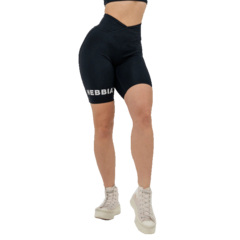
Nebbia Legínové šortky s vysokým pasem 9” SNATCHED 614
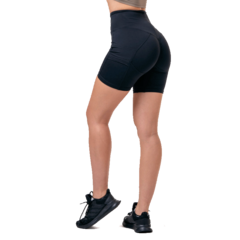
Nebbia FIT & SMART cyklistické šortky FIT 575

Magnesium Malate 100cps 1+1
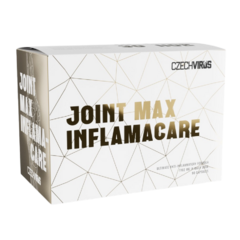
Czech Virus Joint MAX InflamaCare
What should you take away from today's article?
The main thing you should take away from today's article, which may be a bit exhausting for some, is that participating in powerlifting competitions will be incredibly motivating for you to continue your performance. You'll meet new people with the same interest, you'll gain great experience, and if you enjoy racing, you'll have all the more reason to keep improving. Plus, it's clear that if you have a specific goal you're working towards, you'll find going to the gym immediately a little more fun.
And ultimately, there's really nothing that complicated about it, you just need to sign up for a specific race, study the race rules and regulations of the federation in question, and keep an eye on the competition schedule on that day so you don't miss anything. The truth is that the races are usually very relaxed and the organizers try to provide the competitors with maximum service. So if you're thinking about them, I can't recommend them enough.
Oh, and if you have any specific questions about competing in powerlifting that we didn't talk about in today's article, feel free to ask in the comments.
No posts have been made yet.








