



When to take protein and how to dose it
 Author:
Following our previous article, where we talked about the types of protein and how to choose the one that is best for you, today we will look at another tricky part, namely when and how to use protein. Many people think that protein only finds use as a post-workout drink for muscle builders, but this is not true at all.
To answer the question: "When to have protein?" there is a simple answer - you can actually take protein at any time of the day, and today we're going to talk about a few times when incorporating it is a very good strategy for the different goals we have with our bodies, but also to ensure our bodies have enough energy through balanced macronutrient ratios.
Article content:
- To start with - a little refresher from last time.
- When to drink protein?
- The top three proteins according to customer reviews
- What to take away from the article?
To start with - a little refresher from last time...
Protein is the basic building block of all tissues, muscles, tendons, skin and important for a wide range of bodily processes - not only for building muscle, but also for fat reduction, enzyme production, hormone production and is central to optimal immune system function. It is clear from this that adequate protein intake is absolutely essential. Protein is commonly found in meat, fish, eggs, dairy products, legumes, tofu and to a lesser extent cereals, nuts and seeds.
It probably won't surprise you that the amount of protein needed (like any other macronutrient intake) is purely an individual matter. Different amounts are recommended for athletes, different amounts for inactive individuals, different amounts for men, different amounts for women, and different amounts for different age groups. Under certain circumstances, such as physical activity or illness, the need for protein may increase or decrease.
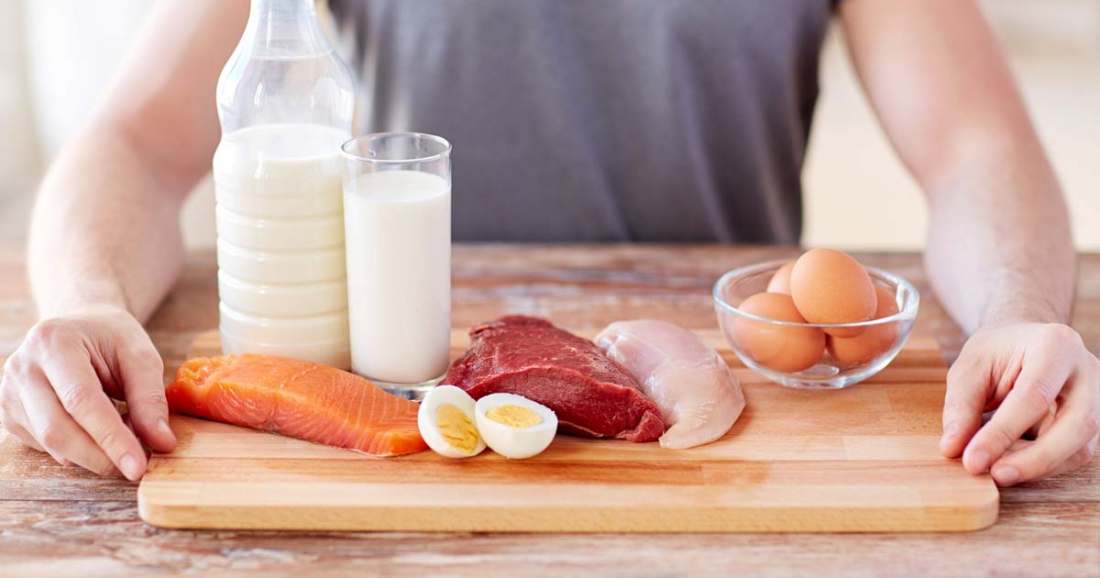
Daily protein intake should be roughly in the range of 1.6 - 2.2 grams per kilogram for active people and up to 3 grams for athletes. As already mentioned, a sufficient protein intake is important to ensure optimal functioning of the body and health in general. Protein also plays an important role during muscle reduction and muscle building.
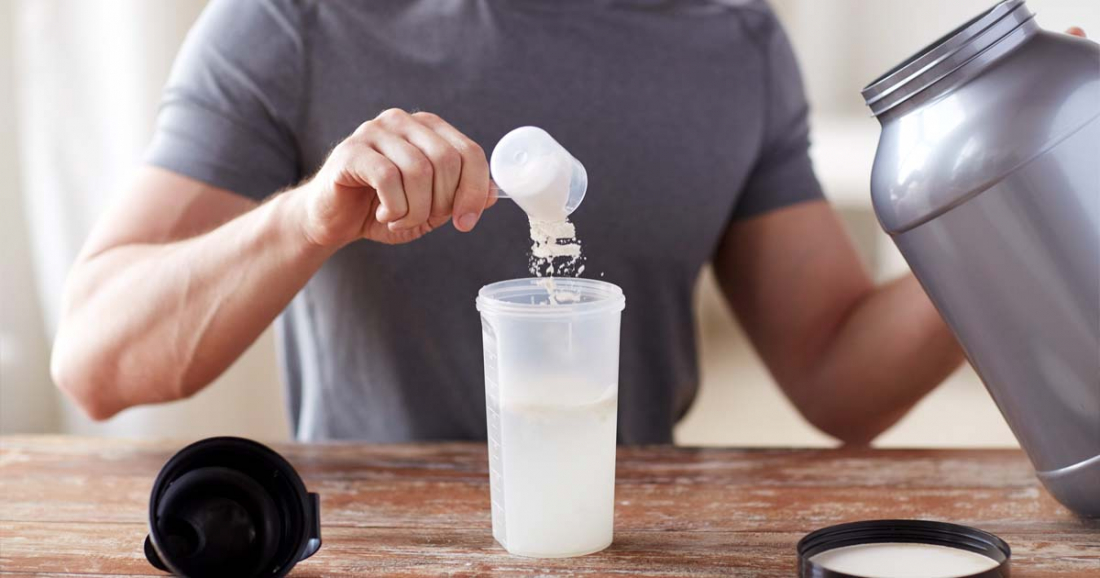
If we have difficulties with sufficient protein intake or our requirements are higher, we can use a convenient way of supplementing it in the form of protein powder. Protein powder is a concentrated source of protein. It is not some magic powder that will make you grow huge muscles just by itself, it is simply a perfectly safe supplement that is becoming a regular part of our diets.
We discussed the types of protein in a previous article (here) so let's just briefly mention the most commonly available types. We can meet for example:
- Whey protein - A type of milk protein. This is the most common form of protein, which contains all essential amino acids and is quickly absorbed.
- Casein protein - The second type of milk protein. Again, it contains all the essential amino acids, but its digestion is much slower, so it is often used, for example, at bedtime or in combination with other, faster digesting types of protein.
- Egg protein - A protein from egg whites with high biological value, which is appreciated by those who are allergic to milk but prefer animal protein sources.
- Pea protein - A type of vegetable protein, hypoallergenic. It has a high digestibility.
- Hemp protein - A plant protein, hypoallergenic, rich source of omega-3 fatty acids and fibre.
- Rice protein - A type of plant protein, it is also hypoallergenic and low in the amino acid lysine.
- Various combinations- Different blends of animal or plant proteins that combine the benefits of all their components.
What is a protein drink for?
A protein drink is an ideal way to quickly and effectively replenish the protein the body needs for muscle growth and recovery. It is particularly useful after training, when muscles need nutrients to recover, but also during the day as a snack to fill you up and boost your daily protein intake. The protein drink is suitable not only for athletes, but also for individuals who have increased demands on protein intake, for example during weight loss or recovery.

When to drink protein?
As already mentioned, protein is not some miracle powder that is only for building muscle, but it is an incredibly versatile food that can be used at any time of the day, for example, incorporating it into baked desserts, sweetening your yoghurt with it, or reaching for a good quality protein bar when you're not in a hurry. In general, it is advisable for (not only) active individuals to keep their daily protein intake in the range of 25-35% of their total daily calorie intake, and they should take protein at every meal.
Each meal should generally contain at least 20-30g of protein (depending of course on other aspects such as physical characteristics like height, weight, gender, physical activity and its intensity, goals, etc.) and meals should come at regular intervals. This will help optimize muscle protein synthesis (MPS) throughout the day. In addition, there are three, or four, very important times when protein intake is absolutely crucial. And it's breakfast, the pre- and post-workout periods, and before bed.
Morning
Why should our breakfast contain enough protein? Muscle protein breakdown (MPB) occurs to a greater extent at night and a sufficient dose of protein at breakfast helps to stop this process and stimulate protein synthesis. For this reason, we should make sure that our breakfast ideally contains easily digestible sources of protein, which of course include eggs or protein powder. As mentioned above, breakfast should contain at least 20-30 g of easily digestible protein. Why at least? We've already mentioned that the amount of protein we need in a day depends on a number of factors.
The amount of protein in one meal is based on the number of meals we eat in a day, among other things, so we wouldn't consider this number the holy grail, but based on studies, just 20-30g is enough to jumpstart protein synthesis. You can incorporate protein into your porridge, which tastes so nice and sweet, or mix it into your waffle/pancake batter. Ideally, choose whey or a plant-based protein. If you don't have a workout coming up anytime soon, you can also reach for casein powder, which takes the longest to digest of all protein types.
Around training
Following on from the first point, we move seamlessly to the period around training. Before and after training are two other key moments when protein (in the sense of protein) should definitely not be missing from any athlete's diet. This is because a training session can increase both anabolic (synthetic, folding) and catabolic (fission, breakdown) processes. The goal of most athletes, of course, is to maximize synthesis and minimize breakdown. This can be ensured through appropriately chosen meals before and, of course, especially after training. Pre- and post-training meals should contain easily digestible protein and, especially after training, should be supplemented with sufficient carbohydrates. After training is the best time to reach for a protein powder.
During training, especially if it is of a strength nature, blood moves from the digestive system to the parts of the body that are stressed during the activity and remains there after the activity is over. This is why it is not entirely advisable to take solid food immediately after training. To ensure that the body receives the necessary nutrients after an intense workout, you can use protein, which is designed for this purpose. Protein is not a burden on the digestive system compared to a solid diet and the body can continue to focus on post-training processes such as protein synthesis and the start of recovery processes. Protein should come within about 30 minutes after training.

Which post-workout protein to choose? Here again, a good quality whey protein will be absolutely sufficient for most athletes , as it is very effective for the start of proteosynthesis, as it is a rich source of BCAAs. Whey protein is digested the fastest and thanks to this the body receives amino acids in a short time. Whey protein also increases blood flow to muscle tissue. Due to the increased blood flow, there is an increase in nutrient supply, including glucose (energy), amino acids and oxygen. These nutrients promote muscle growth and speed recovery after exercise.
Recently, multi-ingredient proteins have been recommended for the post-workout window, where whey protein, casein, egg protein are mixed in different proportions and their benefits interact with each other. If you are allergic to milk, you can choose whey protein isolate or hydrolysate, where the lactose content is minimal due to the higher filtration rate and usually does not cause any problems.
If your goal is to build muscle mass, you can also use a protein-carbohydrate complex to ensure your muscles receive adequate nutrition. There are also different types of plant proteins available. If you are a vegetarian, vegan, or simply prefer more plant-based proteins, you can opt for some plant protein after your workout, but you need to keep in mind that plant proteins often do not contain all the necessary amino acids and are also absorbed more slowly.
How to dose the protein? Dosage is again very subjective and should be based on the previously mentioned factors such as total daily intake, ability to meet dietary needs, etc. Before strength training, it is possible to include about 10-20 grams of whey protein to increase muscle strength, increase endurance and reduce muscle breakdown.
After training, it is ideal to add about 20-40 grams of protein powder to promote muscle recovery and increase muscle protein synthesis. However, protein is not a necessity in either case and if for any reason you don't want to take it or it doesn't do you any good, just take a solid diet containing protein and carbohydrates after about 60-90 minutes.
Bedtime
The last moment that is cited as crucial for protein intake is the time in the evening before going to bed. As mentioned in the previous paragraphs, muscle protein breakdown (MPB) occurs to a greater extent at night, which can lead to catabolism, but if you provide your body with sufficient protein intake before bedtime, you will ensure a positive protein balance, which is crucial for adequate recovery and muscle building. For evening use, casein is best suited as it takes 6-8 hours to be absorbed, so muscles are supplied with amino acids throughout the night, preventing catabolic phenomena and promoting muscle recovery and repair.
Research also suggests a positive effect of taking protein before sleep in the area of weight reduction, as it is well known that protein has a high thermic effect and the body burns a slightly higher amount of calories overnight. But of course, you need to control your calorie intake throughout the day (in case of reduction, maintain the principle of calorie deficit), because if you are eating donuts, pizza and a coke during the day, then protein before bedtime will not save you. Further, there are studies that support the idea that pre-sleep protein supplementation can promote overall sleep quality.
As mentioned, casein or some sort of protein mix where casein is combined with other types of protein is best for evening use. You'll remember a few years back when the biggest hit was eating cottage cheese before bed - cottage cheese is a rich source of casein, which also contains a number of vitamins and minerals. But for some people, cottage cheese can be hard to digest, so using casein may be preferable. The dose here will also be very individual depending on your daily protein intake.
Anytime during the day, when you're not eating or on a protein-poor day
Since we often repeat that protein is a universal supplement, or rather a functional food that is now a common part of our diets, one more important thing needs to be mentioned. In the case of protein, you don't have to follow only the "best time" to take it, but you can incorporate it into your diet whenever you need it. If you know you're having a low protein day, you're having a meatless day, or you're simply not able to meet your daily protein intake through diet alone, then protein is exactly the solution you're looking for. The amount in which you take protein will be based on your daily needs and total protein intake, as has been said several times today.
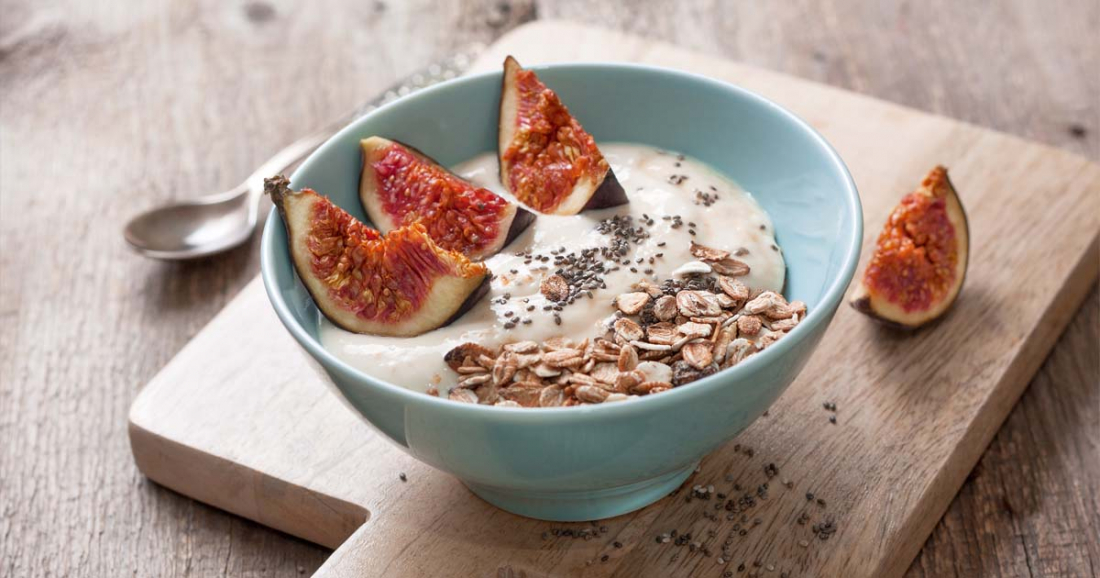
In fact, protein is not just for bodybuilders looking to build giant muscles, but for anyone who has trouble getting enough protein. You can use it to flavour your morning porridge, which, thanks to the addition of protein, will become a perfectly balanced meal that will give you enough energy for the whole morning, or mix it into pancake batter or waffles. You can also incorporate it into your homemade desserts for a super snack with plenty of protein.
You can simply flavour your yoghurt with it to reduce your intake of sugars, thanks to the sweetened yoghurts you buy, or make a smoothie with your favourite fruit, a scoop of protein and a dairy product, like kefir. There are no limits to your imagination! Protein can also be a help during treatment for illnesses with restrictions on solid food intake or for older people and children who struggle to get enough to eat. You can also use protein bars or various protein mixes for pancakes or instant porridge with protein.
The best three proteins according to customer reviews
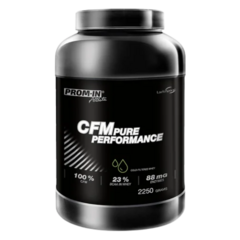
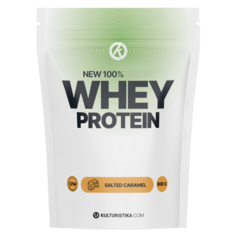
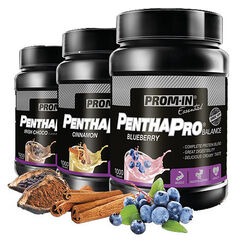
Based on our customer reviews, we have selected the top 3 proteins for you. Prom-in CFM Pure Performance has long reigned supreme at number 1, with 1913 reviews to date. In second place is our refined Bodybuilding.The 3rd place is again occupied by a product from Prom-in, but this time Pentha Pro Balance with 813 reviews.
What to take away from the article?
Protein is an incredibly functional and versatile supplement that finds use in every household. Although its primary purpose was to provide protein to athletes after a workout, it is useful in many other situations, regardless of whether you are building muscle, reducing fat, or simply have a demanding schedule and can't manage to get enough protein in during the day. We know that protein is not a magic powder, but a functional food that is suitable for all ages. Today, we have discussed the most important situations when protein is crucial during the day, what type is suitable for each moment of the day and we have also said that its versatility makes it a supplement that we can use absolutely at any time.
How much protein to take daily?
The amount of protein depends on your age, activity and goals. In general, 1.2-2 g of protein per kg of body weight per day is ideal for athletes.
When to have protein?
Timing is key:
- Protein before exercise. Ideally 30-60 minutes before training.
- Protein drink after exercise: Helps with recovery and muscle growth. It should be drunk within 30 minutes after exercise.
- Protein after running: runners should include protein for the sake of muscle fiber recovery.
- When to eat a protein bar: It is great as a snack or a quick source of protein during the day.
Drinking protein without exercise: Yes or no?
If you don't exercise, protein can still be beneficial, for example to supplement protein in your diet. However, excess protein without activity is not used efficiently by the body.
Protein at a young age
Protein is also important for younger individuals, but everything in moderation, best to consult a doctor:
- Protein at 13: It should come primarily from a natural diet (meat, dairy, eggs).
- Protein at 14: If they play sports, they can include a small amount of protein drink after training, but always under the supervision of a professional.
Summary: When to take protein?
- In the morning: To jump-start the metabolism.
- Before training.
- After training or running.
- During the day: As a snack (e.g. protein bar).
The right answer to when to take protein and its dosage will help you achieve better results, whether you are exercising or need to replenish protein.
Sources:
Anthony, J. C., Anthony, T. G., Kimball, S. R., & Jefferson, L. S. (2001). Signaling pathways involved in translational control of protein synthesis in skeletal muscle by leucine. The Journal of Nutrition, 131(3), 856S-860S.
Baer, D. J., Stote, K. S., Paul, D. R., Harris, G. K., Rumpler, W. V., & Clevidence, B. A. (2011). Whey protein but not soy protein supplementation alters body weight and composition in free-living overweight and obese adults. The Journal of nutrition, 141(8), 1489-1494. https://doi.org/10.3945/jn.111.139840
Campbell, B. I., Aguilar, D., Conlin, L., Vargas, A., Schoenfeld, B. J., Corson, A., Gai, C., Best, S., Galvan, E., & Couvillion, K. (2018). Effects of High Versus Low Protein Intake on Body Composition and Maximal Strength in Aspiring Female Physique Athletes Engaging in an 8-Week Resistance Training Program. International journal of sports nutrition and exercise metabolism, 28(6), 580-585. https://doi.org/10.1123/ijsnem.2017-0389
Baum, J. I., Kim, I. Y., & Wolfe, R. R. (2016). Protein Consumption and the Elderly: What Is the Optimal Level of Intake?. Nutrients, 8(6), 359. https://doi.org/10.3390/nu8060359
Bauer, J., Biolo, G., Cederholm, T., Cesari, M., Cruz-Jentoft, A. J., Morley, J. E., Phillips, S., Sieber, C., Stehle, P., Teta, D., Visvanathan, R., Volpi, E., & Boirie, Y. (2013). Evidence-based recommendations for optimal dietary protein intake in older people: a position paper from the PROT-AGE Study Group. Journal of the American Medical Directors Association, 14(8), 542-559. https://doi.org/10.1016/j.jamda.2013.05.021
Tollsen, M. (2021). Benefits of Drinking Protein Shake Before Bed. Available from: https://amerisleep.com/blog/protein-shake-before-bed/
Fallaize, R., Wilson, L., Gray, J., Morgan, L. M., & Griffin, B. A. (2013). Variation in the effects of three different breakfast meals on subjective satiety and subsequent energy intake at lunch and evening meal. European journal of nutrition, 52(4), 1353-1359. https://doi.org/10.1007/s00394-012-0444-z
Rowlands, D. S., Nelson, A. R., Phillips, S. M., Faulkner, J. A., Clarke, J., Burd, N. A., Moore, D., & Stellingwerff, T. (2015). Protein-leucine fed dose effects on muscle protein synthesis after endurance exercise. Medicine and science in sports and exercise, 47(3), 547-555. https://doi.org/10.1249/MSS.0000000000000447
Demling, R. H., & DeSanti, L. (2000). Effect of a hypocaloric diet, increased protein intake and resistance training on lean mass gains and fat mass loss in overweight police officers. Annals of nutrition & metabolism, 44(1), 21-29. https://doi.org/10.1159/000012817
No posts have been made yet.