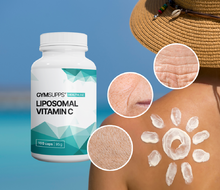
What vitamin C is good for: a great overview of the effects
 Author:
 Vitamin C, also known by its chemical name ascorbic acid, is undoubtedly one of the most well-known and most frequently mentioned vitamins. Many of us associate it with the orange we peel at the first sign of a cold. However, its importance to the human body is much broader and deeper than most people realize. It's not just a helper for our immunity, but a key player in a whole host of biochemical processes that keep us healthy and vital.
This article will provide a comprehensive overview of the effects of vitamin C, based on scientific studies. We'll look at exactly how it works in our bodies, what its most important health benefits are, and why you should make sure you get enough of it.
Article content:
- What is vitamin C and why is it indispensable?
- A protective shield against diseases of civilization
- Heart and blood vessels safe
- An ally in cancer prevention and eye protection
- What is the optimal amount and is it possible to overdose?
What is vitamin C and why is it indispensable?
Vitamin C belongs to the group of essential nutrients. The word "essential" is key here - it means that our bodies cannot make it on their own and we need to take it regularly from our diet or supplements. While most animals can synthesize ascorbic acid, humans have lost this ability in the course of evolution.
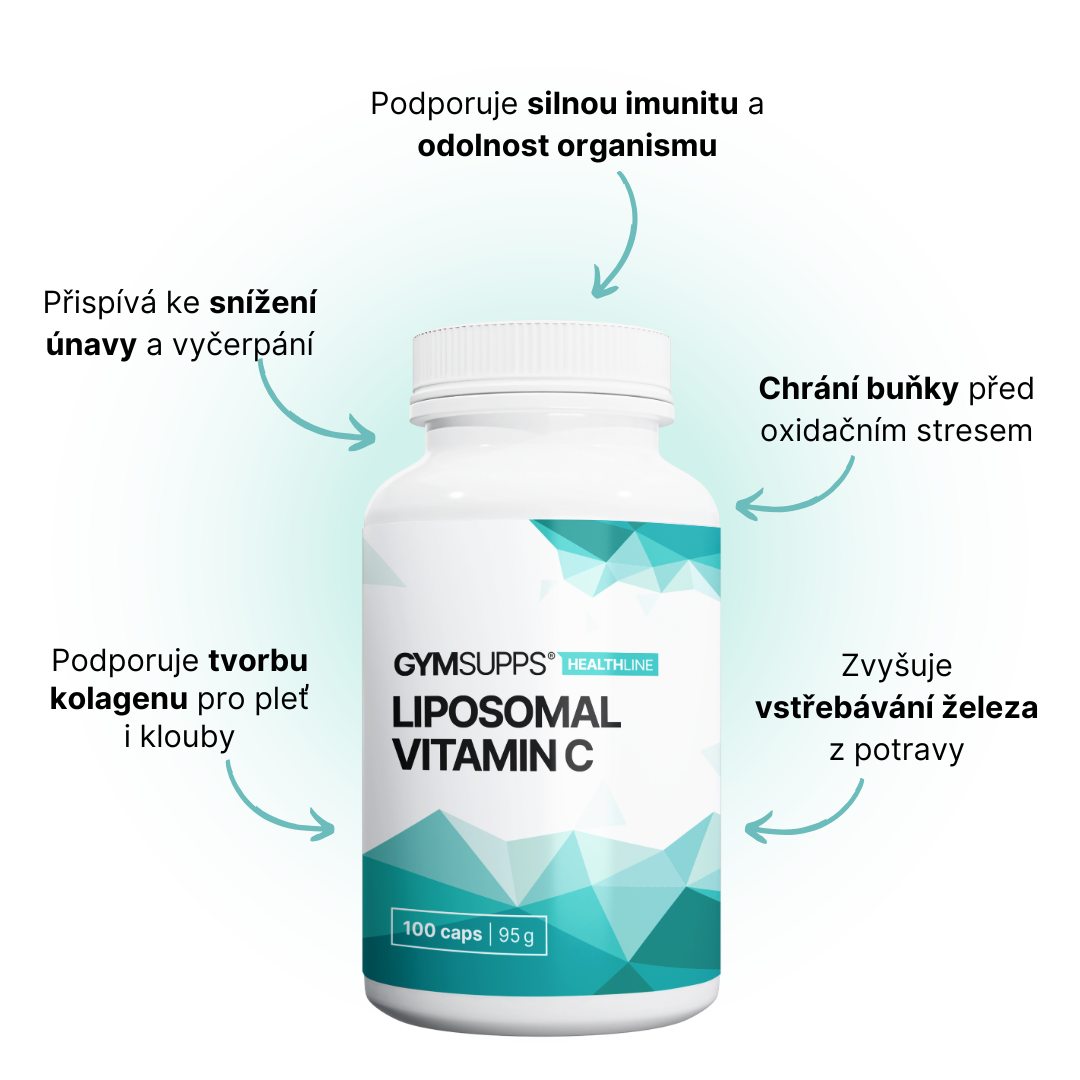
Its primary role is as a cofactor in a number of enzymatic reactions. Think of it as the key that starts the motors (enzymes) in our bodies. One of the most important reactions it is involved in is the biosynthesis of collagen. Collagen is an essential building protein in our body that forms the structure of skin, bone, cartilage, tendons and blood vessels. Without enough vitamin C, our bodies would literally not hold together, as demonstrated in extreme form by scurvy, a critical deficiency disease that leads to blood vessel fragility and connective tissue breakdown.1
In addition to collagen, vitamin C is also involved in the synthesis of other important substances such as L-carnitine (essential for energy production from fat) and certain neurotransmitters, the chemicals that transmit signals in the brain.1
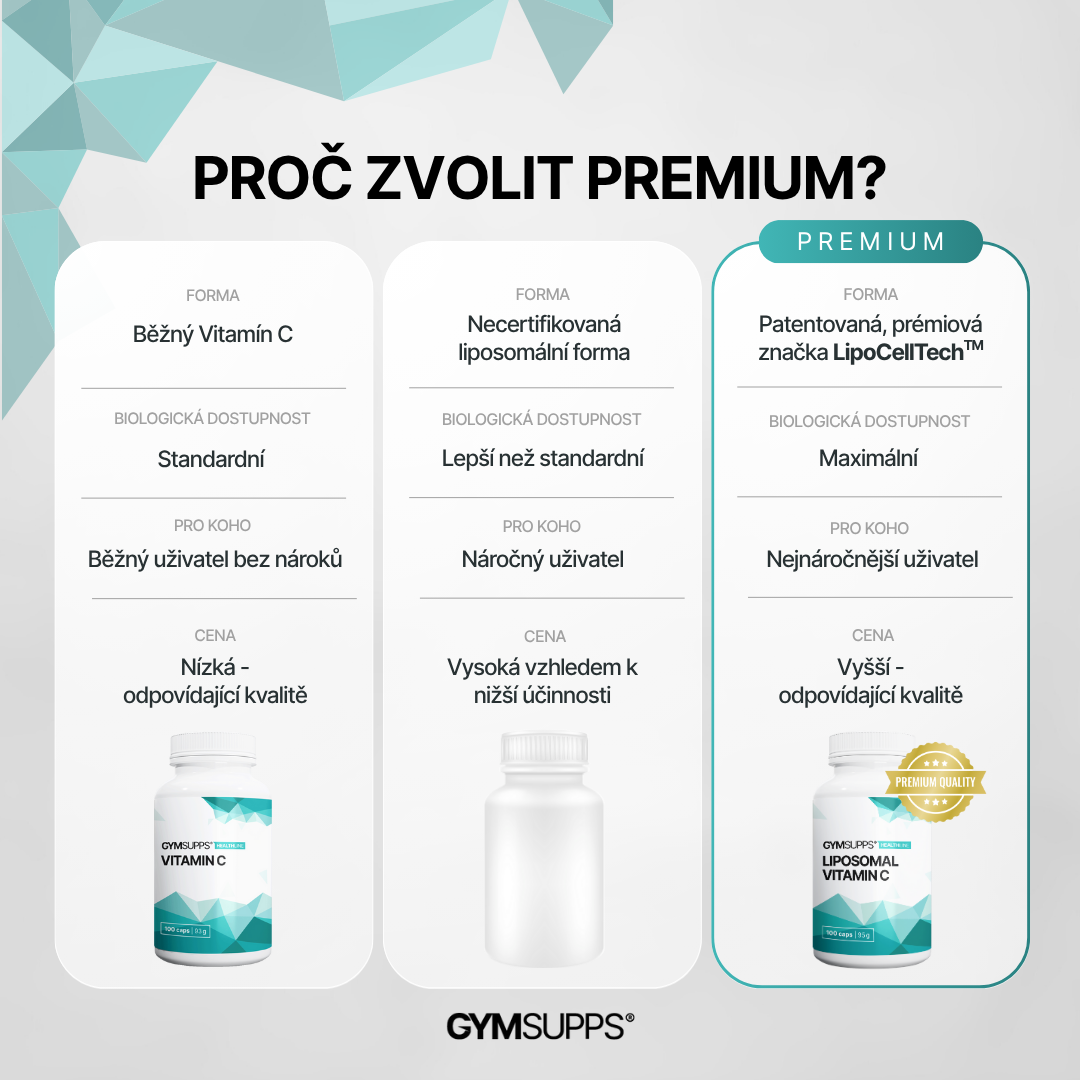
.png)
Protective shield against civilization diseases
One of the most valuable properties of vitamin C is its powerful antioxidant capacity. Our body is constantly exposed to so-called oxidative stress. This occurs as a by-product of normal metabolism but is amplified by external factors such as air pollution, smoking, stress or an unhealthy diet. Oxidative stress damages cells, proteins and DNA and plays a key role in the ageing process and in the development of many chronic diseases.
Vitamin C acts as a "scavenger" of these harmful free radicals, helping to protect our cells from damage. Scientific review studies show that it is this ability to fight inflammation and oxidative damage that makes vitamin C a powerful tool in the prevention of a wide range of pathologies.1
Heart and blood vessels safe
Cardiovascular disease is the leading cause of death in the developed world. Research suggests that vitamin C may play an important role in maintaining a healthy heart and blood vessels. How does it do this?
- It improves blood lipid profiles: studies show that higher vitamin C intake is associated with an increase in HDL ("good") cholesterol while reducing oxidation of LDL ("bad") cholesterol. It is the oxidized LDL cholesterol that is one of the main culprits in arterial calcification (atherosclerosis).2
- Promotes healthy blood pressure: Some studies suggest that vitamin C may contribute slightly to lowering blood pressure.
- Reduces overall mortality: Comprehensive analyses show that long-term consumption of higher doses of vitamin C is associated with lower cardiovascular mortality.2
By strengthening blood vessel walls through collagen production and protecting them from oxidative stress, vitamin C ensures their elasticity and functionality.
An ally in cancer prevention and eye protection
Although vitamin C is not a cure for cancer, scientific work suggests its preventive potential. Long-term and sufficient intake of vitamin C has been associated with a reduced risk of certain types of cancer.2 This effect is again attributed to its antioxidant properties and its ability to protect cellular DNA from damage that can lead to uncontrolled growth.
Another area where vitamin C has shown its protective effect is in eye health. Oxidative stress is one of the factors that contribute to the development of cataracts, which is the clouding of the lens of the eye leading to impaired vision. Studies have shown that populations with a higher intake of vitamin C have a lower risk of developing this disease.2
What is the optimal amount and is it possible to overdose?
The recommended daily allowance (RDA) of vitamin C is around 80-100 mg per day. This dose is set to prevent the onset of scurvy. However, scientific studies that have investigated the preventive effects on chronic diseases clearly show that benefits occur with long-term consumption of doses higher than the DDD.2
Many people are concerned about vitamin C overdose. However, it is important to know that it is a water-soluble vitamin. This means that excess is easily excreted by the body in the urine and is not stored as fat-soluble vitamins. The safety of even very high doses has been confirmed in a number of clinical studies. For example, in eight placebo-controlled, double-blind studies, participants consumed up to 10,000 mg (or 10 grams) of vitamin C daily for up to three years with no proven negative effects.2
Even so, we want to emphasize that taking vitamin c above the recommended daily dosage levels should be consulted with a physician!
Conclusion.
Vitamin C is so much more than just a quick fix for a cold. It is a fundamental nutrient that is involved in building our bodies, producing energy and protecting against damage at the cellular level. Its regular and sufficient intake is associated with a lower risk of cardiovascular disease, certain cancers and cataracts.
Ensuring optimal vitamin C levels through a varied diet rich in fruits and vegetables is essential. In today's hectic times, when we are exposed to increased stress and negative environmental influences, a quality dietary supplement may be a sensible choice for anyone who wants to actively support their health and provide a protective shield against the pitfalls of modern life.
Recommended

Sources:
- [1] Grosso, G., Bei, R., Mistretta, A., Marventano, S., Calabrese, G., Masuelli, L., Giganti, M. G., Modesti, A., Galvano, F., & Gazzolo, D. (2013). Effects of vitamin C on health: a review of evidence. Frontiers in bioscience (Landmark edition), 18(3), 1017-1029.
- [2] Bendich, A., & Langseth, L. (1995). The health effects of vitamin C supplementation: a review. Journal of the American College of Nutrition, 14(2), 124-136.
No posts have been made yet.