





What is liposomal vitamin C and everything about it
 Author:
 Vitamin C is one of the most important antioxidants our body needs to maintain immune function, fight free radicals and support tissue regeneration. But regular vitamin C has its limits - its absorption can be insufficient and some forms can irritate the stomach. That's why liposomal vitamin C is increasingly being mentioned, which, thanks to modern technological processing, offers significantly higher bioavailability and more efficient use of nutrients. In this article, we'll take a detailed look at what liposomal vitamin C is, how it works, what benefits it provides, and why supplementation is becoming increasingly popular among athletes, fitness enthusiasts, and people who want to maintain their vitality and healthy appearance.
Article content:
- What is liposomal vitamin C?
- What is liposomal vitamin C?
- The scientific benefits of liposomal vitamin C
- How best to supplement vitamin C - the role of liposomal technology
- When and how to take liposomal vitamin C?
- Scientific studies and links
- Practical tips for daily supplementation
What is liposomal vitamin C?
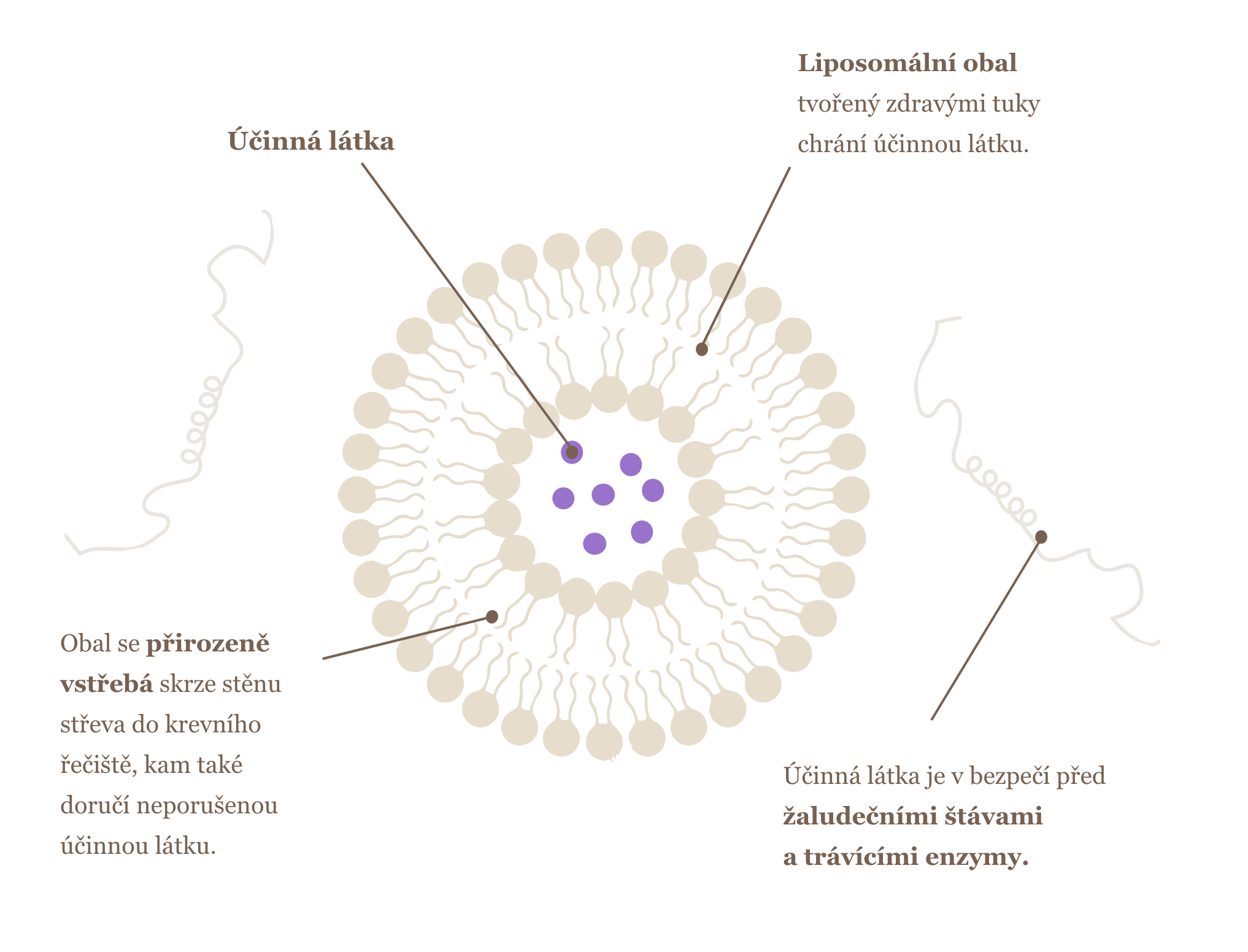
Liposomal vitamin C is an innovative form of vitamin C supplementation in which the vitamin C molecule itself is packaged into small, slightly spherical structures made of phospholipids - called liposomes. These liposomes are approximately 50-200 nm in diameter and mimic the natural structure of cell membranes. Thanks to this technology, vitamin C is protected from degradation in the gastrointestinal tract and its absorption is significantly increased. For the average user, this means that the liposomal form can provide higher blood levels of vitamin C and more efficient delivery of the antioxidant to target tissues such as skin, muscle and immune cells.
How does liposomal technology work?
Liposomes are microscopic vesicles made up of a bilayer of phospholipids that readily fuse with cell membranes when ingested. This property allows the liposomally packaged vitamin C to reach the cells directly without being lost in the digestion process. According to a study by Sontakke et al. (2016), the absorbability of liposomal vitamin C is several times higher than that of traditional forms, meaning that smaller doses can achieve the same or better therapeutic effects. This optimization of distribution is essential for maximizing the antioxidant effect, which is involved in neutralizing free radicals and protecting cells from oxidative stress.1
Scientific benefits of liposomal vitamin C
1. Increased bioavailability
One of the main benefits of liposomal vitamin C is its high bioavailability. In traditional forms of vitamin C, it can be partially degraded in the stomach, limiting the amount of antioxidant available. Liposomal technology allows for a greater portion of vitamin C to be retained and efficiently delivered into the bloodstream. This increases its efficacy at the cellular level, as demonstrated by studies showing increased absorption.1
2. Stronger antioxidant protection
The high concentration of vitamin C in cells helps to actively fight free radicals that attack cell membranes, proteins and DNA. According to a study by Jacob et al. (2007), liposomal vitamin C has a stronger antioxidant effect due to its protection in liposomes, which helps to slow the aging process and improve overall cell health.2
3. Supporting the immune system
Immune cells such as leukocytes and lymphocytes depend on vitamin C for their proper function. The increased availability of this antioxidant through its liposomal form can boost the immune response, which is especially helpful during intense training and stressful situations. A stronger immune system then contributes to overall vitality and better performance.
4. Supporting skin and hair health
Vitamin C is crucial for the synthesis of collagen, which is essential for maintaining skin strength and elasticity. The liposomal form allows this vitamin to be efficiently delivered to skin cells, promoting the formation of new collagen and improving the overall appearance of skin and hair. Studies show that supplementation with liposomal vitamin C can improve hydration, reduce wrinkles, and promote healthy-looking hair.2
5. Improve athletic performance and recovery
Vitamin C also plays a role in muscle recovery and reducing inflammation. For athletes who undergo strenuous training, a sufficient supply of this vitamin is essential for rapid muscle tissue recovery and reduced muscle soreness. Higher levels of vitamin C can promote protein synthesis, which is crucial for muscle recovery and growth. In this context, the liposomal form has the advantage of contributing to more efficient recovery after training due to faster absorption.3
How best to supplement vitamin C - the role of liposomal technology
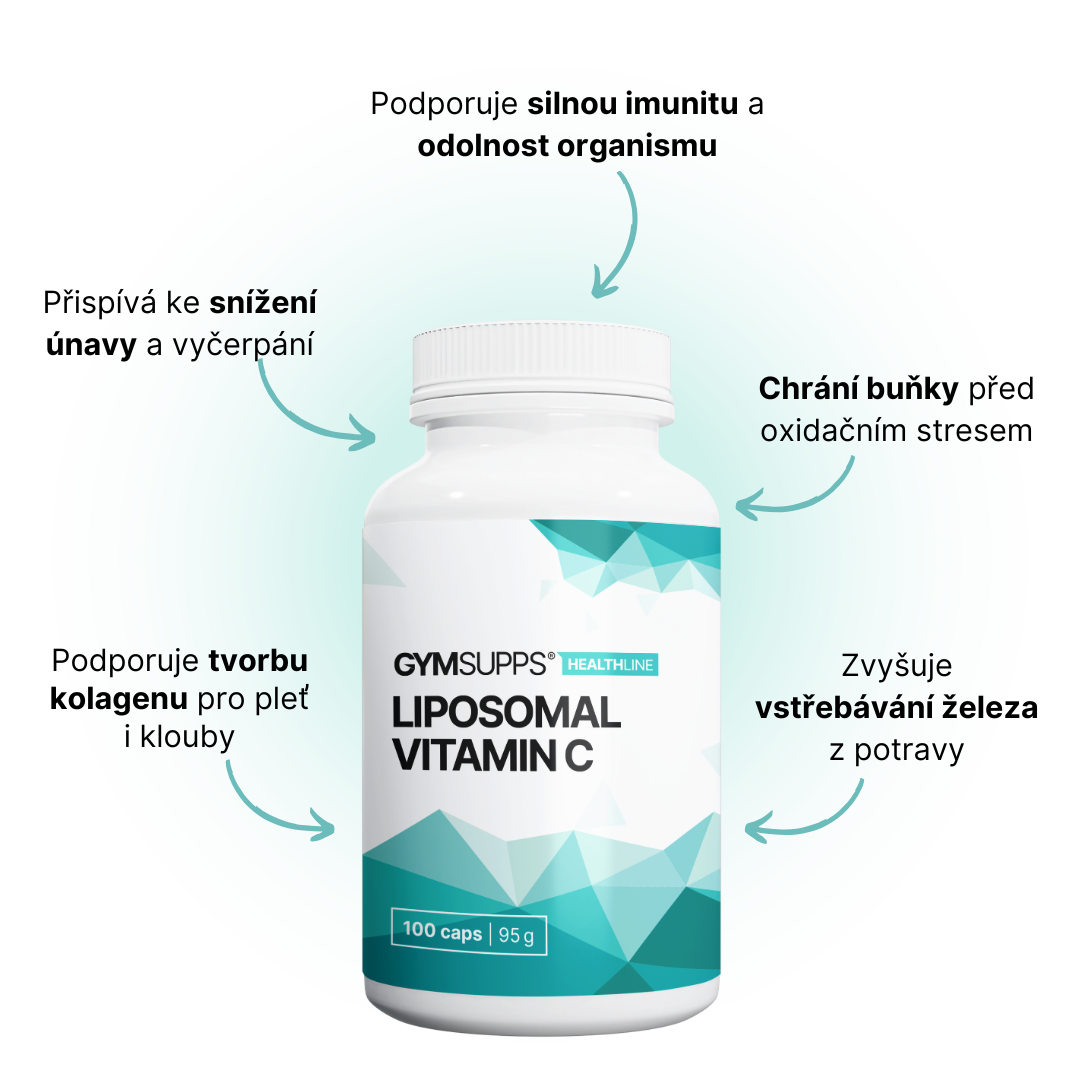
When it comes to the best way to supplement vitamin C, the liposomal form is a cutting-edge solution. Thanks to the protective layer of liposomes, vitamin C is protected from degradation and its absorption is greatly increased. Such technology ensures that cells receive the maximum dose of the beneficial antioxidant, which is crucial to its effectiveness in fighting oxidative stress and promoting regeneration.
Liposomal vitamin C is recommended to be taken daily, preferably with a meal containing fats that promote absorption. For best results, it is important to pay attention to consistency of supplementation, which means vitamin C should be part of your daily routine.
When and how to take liposomal vitamin C?
Optimizing supplementation depends on a number of factors, including personal needs, lifestyle and target use. Here are some tips on how to get the best out of liposomal vitamin C:
- Regular supplementation: for a steady supply of nutrients, it is advisable to take vitamin C daily. It is recommended to take it in the morning or during the day along with a meal containing a small amount of fat for better absorption.
- Combination with other antioxidants: Vitamin C has a synergistic effect with other antioxidants such as vitamin E or polyphenols. The combination of these nutrients can increase cellular protection against free radicals and promote overall regeneration.
- Immune system support: Take vitamin C especially during periods of increased stress, strenuous workouts, or when you're exposed to illness - its antioxidant and immune-boosting effects can keep you healthy.
- Sports recovery. Take it immediately after exercise to support the recovery of energy stores and muscle regeneration.
- Consistency is the key. Introducing liposomal vitamin C into your daily routine will ensure that your cells have a continuous supply of the protective antioxidant shield that is important for overall health and vitality.
Scientific studies and links
1. Increased bioavailability of liposomal vitamin C
A study conducted by Sontakke et al. (2016) found that the liposomal form of vitamin C had up to several times higher absorption than traditional forms, confirming the technology's advantage in supporting antioxidant functions.1
2. Promoting collagen synthesis and skin regeneration
Further research shows that optimized vitamin C supplementation helps increase collagen production, which contributes to better skin texture and overall cell regeneration, which is important for anti-aging.2
3. Effects on athletic performance and recovery
Research published in the Journal of Clinical Nutrition confirmed that vitamin C improves muscle recovery and reduces inflammatory processes in athletes, allowing for faster recovery and more efficient training cycles.3
Practical tips for daily supplementation
For those looking for a reliable way to increase your body's overall protection and boost your recovery, here are some practical recommendations:
- Incorporate vitamin C into your morning ritual: Take liposomal vitamin C every morning, preferably along with a nutritious breakfast that contains healthy fats. This will support its absorption and create a solid foundation for the day.
- Use it as part of your sports recovery: if you're an active athlete, incorporate this supplement into your post-workout regimen. Taking it immediately after a workout can speed muscle recovery and reduce inflammation.
- Combine with antioxidants: For even better protection against free radicals, combine vitamin C with other antioxidants such as vitamin E or polyphenols found in blueberries or green tea, for example.
- Monitor your health: Regular blood tests can help you see if your vitamin C levels are at optimal levels and allow you to adjust your dosage if necessary.
- Tailor supplementation to your lifestyle: We all have different needs - if you spend most of your time outdoors and are exposed to sunlight, supplementation may be less demanding. Conversely, in the winter months or with an indoor lifestyle, liposomal vitamin C can be invaluable.

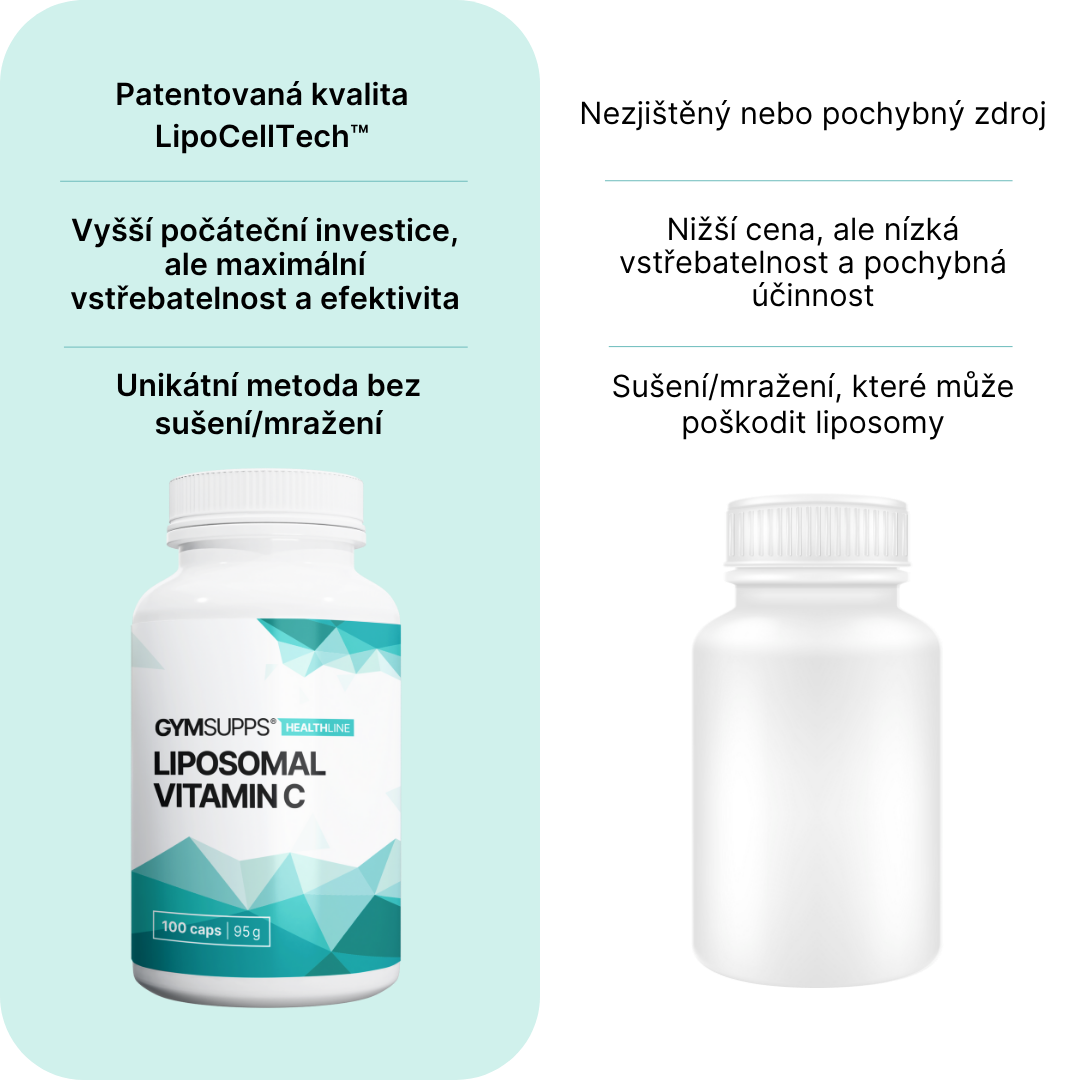
Absorbability of regular vitamin C vs. absorbability of liposomal vitamin C
Conclusion
Liposomal vitamin C is a revolutionary way to ensure high absorption and maximum efficacy of this key nutrient. Its ability to protect cells from oxidative stress, promote collagen synthesis and improve regeneration is supported by numerous scientific studies that confirm its benefits for overall health and beauty. Whether you're an athlete, an active individual or just someone who wants to keep your skin glowing and youthful, the liposomal form of vitamin C is a great choice. With its regular supplementation, you can not only boost your immunity and regeneration, but also contribute to a better quality of life and overall vitality.
Thanks to modern technology and innovative liposome packaging, you get the maximum dose of vitamin C right where it's needed most - in the cells that fight free radicals and aging. Enter a new era of supplementation where your body gets exactly what it needs to function optimally, and discover how liposomal vitamin C can positively impact your health, recovery and beauty.
Recommended
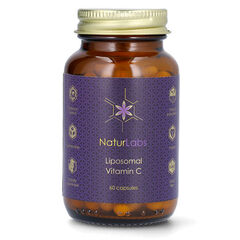
NaturLabs Liposomální Vitamín C
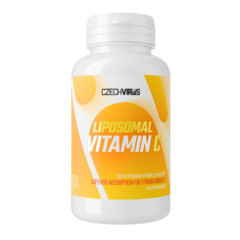
Czech Virus Liposomal Vitamin C
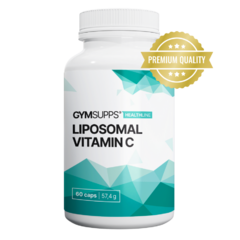
GymSupps Liposomal Vitamin C
Links to studies
- 1) Sontakke, S.B., et al. (2016). Liposomal encapsulation enhances the bioavailability of vitamin C: A randomized, placebo-controlled trial. Journal of Nutraceuticals.
- 2) Jacob, R.A., et al. (2007). Enhanced absorption of liposomal vitamin C leads to increased collagen synthesis in the skin. Clinical Pharmacology & Therapeutics.
- 3) Carr, A.C. & Frei, B. (1999). Is vitamin C acting as a pro-oxidant under physiological conditions? Free Radical Biology and Medicine.
Image source:
- vitalvibe.eu
No posts have been made yet.








