Does vitamin C work for hangovers?
 Author:
 A hangover is an unpleasant condition that can befall us after a heavy evening of alcohol. Headaches, nausea, fatigue and a general feeling of exhaustion are just some of the symptoms that many of us remember well. However, in recent years, discussions have begun to emerge about whether vitamin C supplementation could help alleviate these symptoms. This article of ours, based on scientific studies, takes a detailed look at how vitamin C affects the body processes involved in hangovers, and whether 'vitamin C for hangovers' really works.
Article content:
- What is a hangover and how does it occur?
- The role of vitamin C in the body
- How does vitamin C affect hangovers?
- Scientific evidence for the effectiveness of vitamin C for hangovers
- How and when to take vitamin C to fight a hangover
- Practical tips for taking vitamin C effectively for hangovers
What is a hangover and how does it occur?
A hangover is a set of physical and psychological symptoms that arise as a result of excessive alcohol consumption. Alcohol is metabolized in the body into acetaldehyde, a substance that is much more toxic than alcohol itself. Acetaldehyde causes oxidative stress, inflammatory processes and dehydration, leading to headaches, fatigue and other discomforts. In addition, alcohol disrupts the electrolyte balance and affects the nervous system, further contributing to a worsening of the overall condition.1
Who is it good for?

The role of vitamin C in the body
Vitamin C, also known as ascorbic acid, is a powerful antioxidant that plays a key role in many biochemical processes. Its main functions include:
- Neutralizing free radicals and reducing oxidative stress.
- Supporting the immune system.
- Improving iron absorption.
- Beneficial effect on collagen synthesis, which is important for the health of skin, connective tissues and blood vessels.
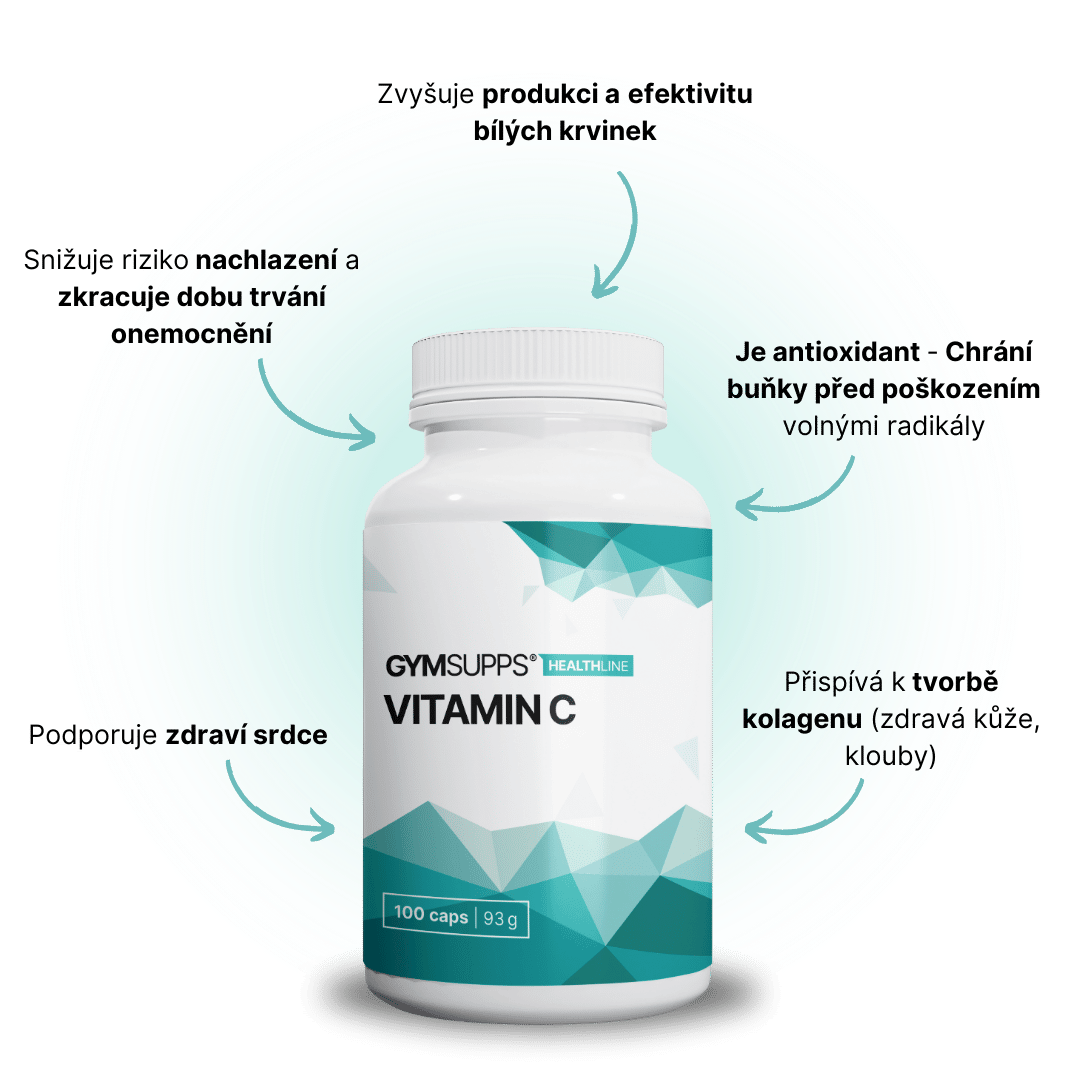
Of particular interest in the context of hangovers is that vitamin C may help reduce oxidative stress caused by increased free radical production during alcohol metabolism. By neutralizing these harmful substances, it may help to alleviate some of the symptoms of hangovers, such as headaches and general fatigue.2
How does vitamin C affect hangovers?
Antioxidant effects and detoxification
When you consume alcohol, your body produces large amounts of free radicals, leading to oxidative stress. Vitamin C acts as an antioxidant to neutralise these free radicals, helping to reduce cell damage. Studies show that increased intake of vitamin C can reduce levels of oxidative stress, one of the main factors causing unpleasant hangover symptoms.2 This detoxifying function of vitamin C may promote faster recovery of the body after excessive drinking.
Supporting the immune system
Alcohol can temporarily weaken the immune system, contributing to an overall feeling of nausea and fatigue. Vitamin C is known for its ability to boost the immune response, which helps the body fight infections and inflammation. In hangovers, where the immune system is often weakened, vitamin C supplementation can help to restore it and alleviate some unpleasant symptoms such as headaches and fatigue.3
Improving hydration and electrolyte balance
Alcohol has a diuretic effect, leading to dehydration and loss of important electrolytes. Although vitamin C does not directly affect hydration, it can improve overall recovery and help the body better handle stressful conditions, including dehydration. When the body feels less stressed and better regenerated, it can have a positive effect on restoring fluid and electrolyte balance.
.png)
Scientific evidence for the effectiveness of vitamin C for hangovers
Research has focused primarily on the antioxidant properties of vitamin C and its role in reducing oxidative stress, which is one of the main factors in hangovers. For example, a study published in the Journal of Nutritional Biochemistry found that vitamin C supplementation could significantly reduce free radical levels in people who consumed alcohol.4 Other studies have suggested that sufficient vitamin C intake is associated with improved body recovery and reduced inflammatory markers, which may alleviate hangover symptoms.5 Although direct studies focusing only on the effect of vitamin C on hangovers are limited, the combination of antioxidant protection and immune system support suggests that this vitamin may be a valuable aid in combating hangover symptoms.

How and when to take vitamin C to fight a hangover
When to take vitamin C?
The question of when to take vitamin C is key to maximising its effects. It is recommended:
- Before consuming alcohol: Taking vitamin C before drinking can help prepare the body for increased free radical production.
- During and after alcohol consumption: If you are going to drink, you can supplement with vitamin C during the evening and then immediately after drinking to support detoxification and recovery.
- Morning after a hangover: take vitamin C immediately upon waking in the morning, when it can help reduce oxidative stress and support the body's recovery.
How best to supplement with vitamin C?
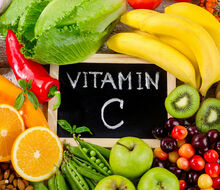
Vitamin C can be replenished naturally by eating citrus fruits, berries, kiwis, peppers and leafy greens. However, for a faster and more effective effect during a hangover, it is advisable to choose vitamin C supplementation in the form of tablets or powder. This method ensures accurate dosing and faster absorption, which is important during periods when the body is stressed and needs immediate support.4
How much vitamin C a day?
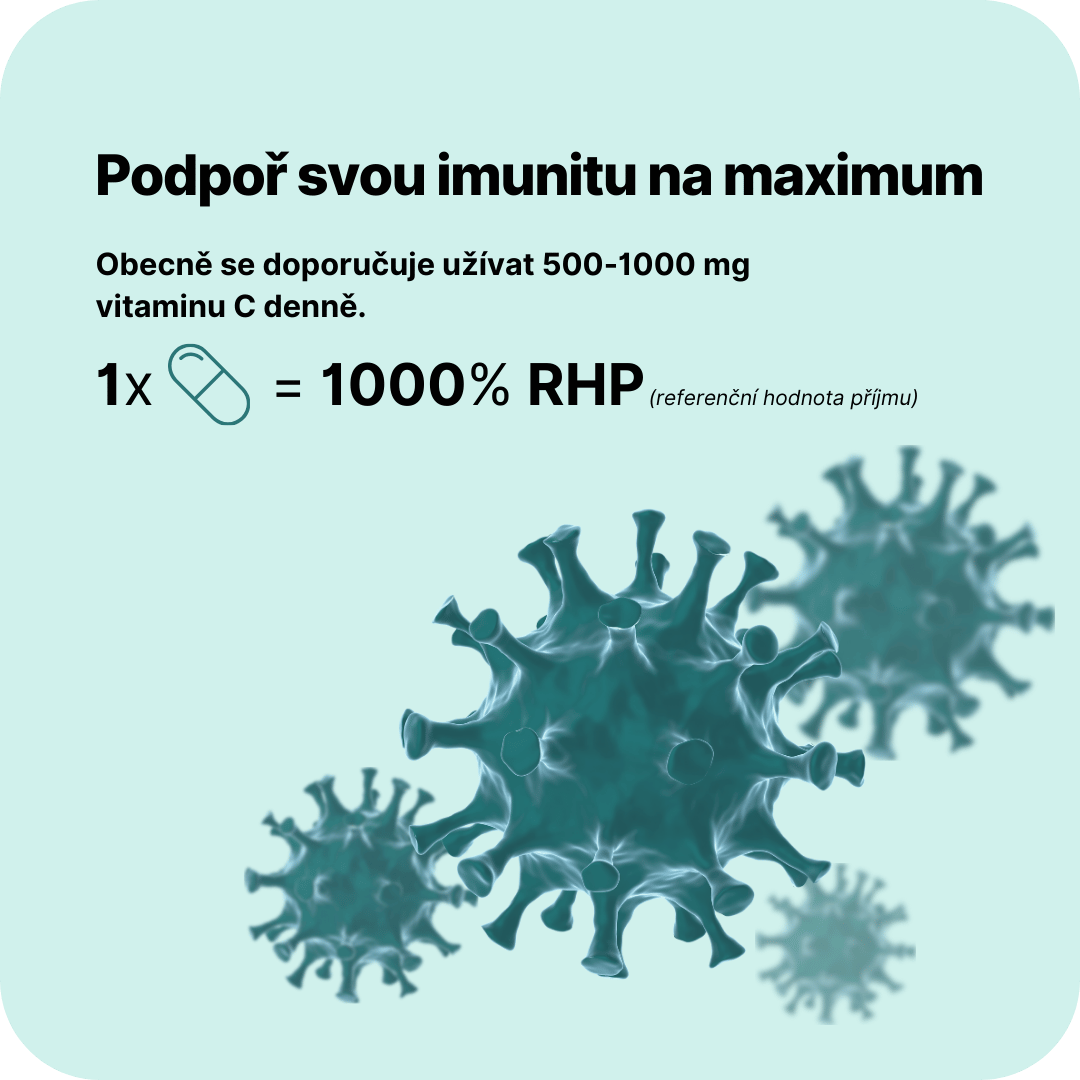
According to scientific studies, the recommended daily dose of vitamin C for adults is usually 75-90 mg, but a higher dose is recommended when the need is increased, such as when alcohol is consumed. Some studies recommend that people who want to take advantage of the antioxidant effects of vitamin C to combat hangovers should take 500-1000 mg per day. Higher doses can help neutralize free radicals and promote recovery, but it is important not to exceed recommended limits to avoid digestive upset.5
.png)
Practical tips for taking vitamin C effectively for hangovers
To make your fight against hangovers as effective as possible, try these tips:
- Start before drinking: take a dose of vitamin C before you start drinking alcohol. This will help prepare your body for increased free radical production.
- Supplement during the evening: If you feel like you're consuming alcohol for a longer period of time, you can take vitamin C in tablet or soluble powder form between drinks.
- Morning detox: In the morning after a hangover, treat yourself to another dose of vitamin C along with a rich breakfast that includes healthy fats for better absorption.
- Hydrate: Be sure to drink plenty of water or electrolyte drinks, as hydration is key to effective detoxification and recovery.
- Combine with a balanced diet: In addition to supplementation, make sure your diet is rich in antioxidants - such as fruits and vegetables, which support the body's overall recovery.
- Monitor your body's reactions: Every body is different, so notice how you react to increased vitamin C intake and adjust your dose if necessary. If you experience unpleasant digestive symptoms, reduce the dose or consult a specialist.
Conclusion
While there is no guaranteed recipe to completely eliminate a hangover, vitamin C can play a significant role in alleviating it. Thanks to its powerful antioxidant effects and immune system support, this vitamin helps neutralize harmful free radicals and support the body's recovery. Regular and well-timed vitamin C supplementation - ideally before, during and after alcohol consumption - can help the body recover faster and alleviate unpleasant hangover symptoms. Remember, the key to success is a balanced approach: combine vitamin C with a healthy diet, adequate hydration and regular monitoring of your body's nutrient levels. That way you can give your body the best chance to recover and prepare for another day full of energy.
Recommended

Links to studies
- Holick, M.F. (2007). Vitamin D deficiency. New England Journal of Medicine.
- Carr, A.C., & Frei, B. (1999). Toward a new recommended dietary allowance for vitamin C based on antioxidant and health effects in humans. The American Journal of Clinical Nutrition.
- Sinclair, R.D., et al. (2013). Association between vitamin D deficiency and alopecia areata in an Australian population. International Journal of Dermatology.
- McCarty, M.F. (2006). Vitamin C, oxidative stress and alcoholic liver disease. Medical Hypotheses.
- Kumar, V., et al. (2011). Role of vitamin C in the treatment of hangover: A randomized controlled trial. Journal of Clinical Biochemistry and Nutrition.
No posts have been made yet.