





Guide to alcohol or how to get over a hangover
 Author:
 During the Christmas and New Year holidays, perhaps the most current and talked about topic in the fitness world, aside from tons of good food, is mainly ALCOHOL. It's actually a hot topic year-round in our country, but even people who normally avoid alcohol during the rest of the year will reach for some during the holidays.
The aim of this article is certainly not to advocate alcohol consumption in any way, quite the opposite. We will, however, share some tips and tricks on how best to deal with alcohol and, when it does come, how to minimize its impact on your health and physique.
Biochemistry - the basics - alcohol metabolism
To properly understand what happens in the body after alcohol consumption, let's take a simplified look at the biochemical processes that take place in the body. First of all, it should be mentioned that alcohol is metabolized differently than food! Macronutrients are broken down into smaller parts by enzymes and only then absorbed.
On the other hand, if we drink alcohol, which is more or less just ethanol, it is absorbed immediately. Alcohol is already in the mouth, but primarily in the liver, converted to acetaldehyde (ALDH), which is done by an enzyme called alcohol dehydrogenase (ADH).
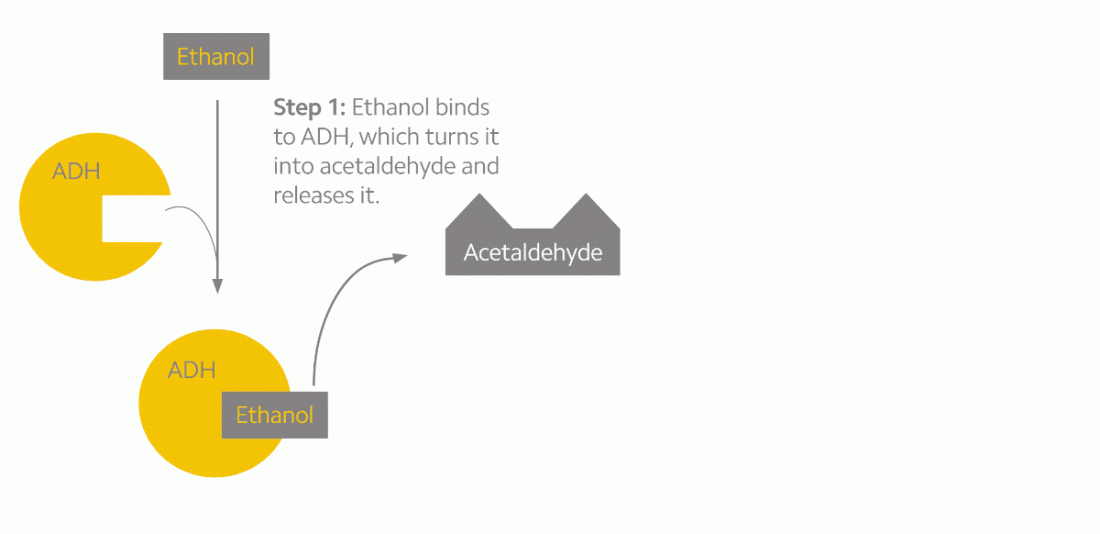
"Alcohol metabolism. Ethanol is converted to acetaldehyde (ALDH) by an enzyme called alcohol dehydrogenase (ADH) - marked in yellow. Acetaldehyde is then converted to acetate by the enzyme ALDH - indicated in pink."
The aforementioned acetaldehyde then "travels" to many parts of the body, one of which may be the tiny capillaries where nutrients normally do not reach, these capillaries are found, for example, in the main detoxification organ - the liver.
It should be added that acetaldehyde is 10-15 times more toxic than ethanol alone. Acetaldehyde is broken down into acetate by the same enzyme.
So much for the basics of alcohol metabolism.
How does a hangover even occur?
The pituitary gland produces an antidiuretic hormone that keeps us from having to run to the bathroom every now and then. When we drink alcohol, less antidiuretic hormone is produced by the pituitary gland, the body stops retaining water, causing more frequent urges to urinate than usual (damn queues in the men's room!!).
At this point, the kidneys also produce more of a hormone called ALDOSTERONE. At this point, the amount of sodium in the body increases and conversely the amount of potassium decreases, causing an electrolyte imbalance by the body desperately trying to retain water in the body.
Cortisol is another culprit in the hangover. It works in conjunction with aldosterone to maintain proper electrolyte balance, which is why it is elevated after an alcohol party.
This causes increased water retention (swollen limbs after a party, remember?) and a steady rise in blood sugar - sleep is thus greatly disrupted by this cascade of events, as melatonin production, which contributes to a healthy and restorative sleep, is also reduced.
You can buymelatonin on our website HERE!
Genetic tolerance to alcohol
According to some authors, alcohol tolerance is largely genetic .
Cytochrome-P450
A large group of homoprotein enzymes that metabolize some portion of ethanol. This group is much more active in people who consume alcohol frequently, whereas activity is much lower in people who routinely avoid alcohol.
Recommended
GreenFood Melatonin
Czech Virus Melatonin
Gen ADH1C
If you've ever experienced a great feeling after drinking alcohol, euphoria, and not feeling sick the next day, you may be in a group with a good gene for alcohol withdrawal and tolerance. However, this group is more predisposed to develop alcoholism.
If, on the other hand, you've experienced facial flushing, hot flashes, rapid heartbeat, upset stomach and an unbearable post-alcohol hangover, you will not be genetically predisposed to become a typical alcoholic.
The ADH1C gene itself is responsible for the production of alcohol dehydrogenase (ADH).
Variants in the DNA code for ADH affect how quickly a person can convert alcohol into acetaldehyde.
In case you would like to learn more about this issue, I recommend listening to Ben Greenfield's podcast - HERE.
A practical guide to alcohol consumption
But enough of the boring concepts and biochemical basics, now let's look at how to practically deal with when you stumble upon an alcohol binge by complete mistake!
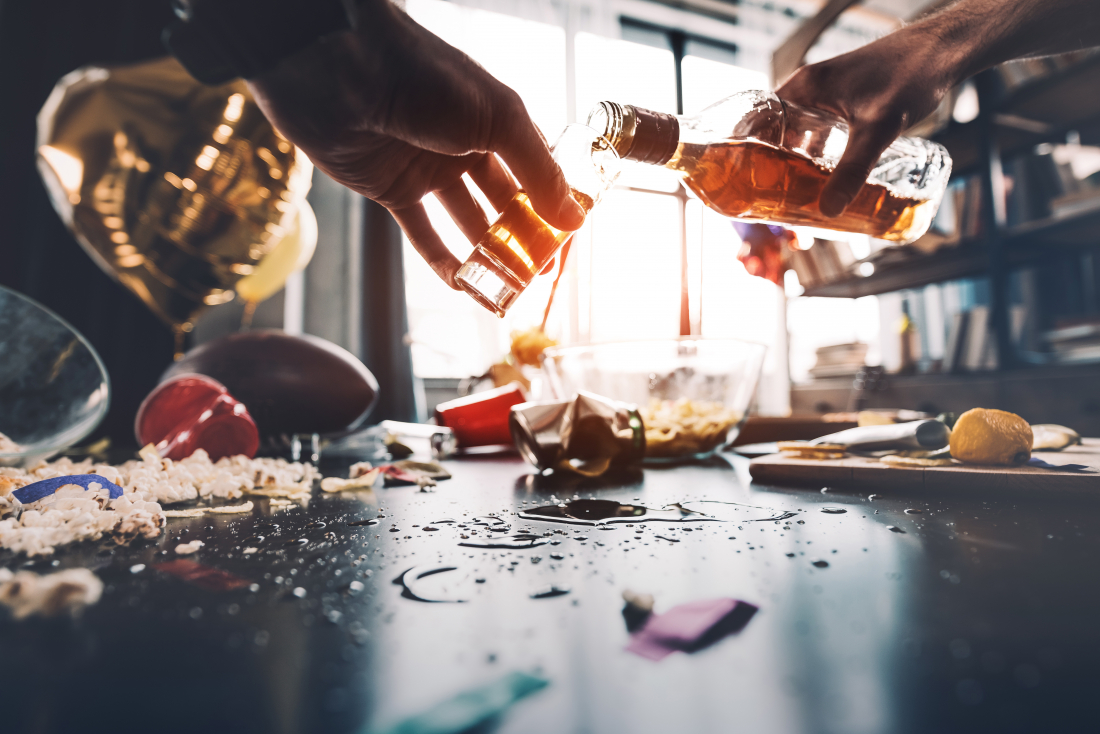
Focus on sleep!!!
Sleep is one of the most important parts of the process of properly dealing with alcohol consumption.
Before you get to the party, ideally 3-4 days before. Studies have shown that the extra sleep you get beforehand mitigates the effects of losing enough hours of sleep later on.
So, 3-4 days before your planned party, increase your sleep duration by 30-60 minutes, instead of your usual seven/eight hours. Taking a 20-minute afternoon nap before you start getting ready for the party will definitely help too!
On the day of the party, practice!
On the day of the party, you're sure to consume more calories than normal.
1 gram of alcohol contains 9 kcal, so you can do the math yourself.
In addition, alcohol consumption is associated with loss of self-control and subsequent overeating, so losing glycogen is definitely an effective strategy to minimize the damage.
Opt for a more metabolically challenging workout, meaning some form of HIIT, a CrossFit type workout, or a classic bodybuilding pump to create as much room for glycogen as possible.
Choose quality alcohol!
It's like with everything, we should always choose the highest quality alcohol possible because that's what matters. You know how sick you get after a poor quality beer/wine/vodka.
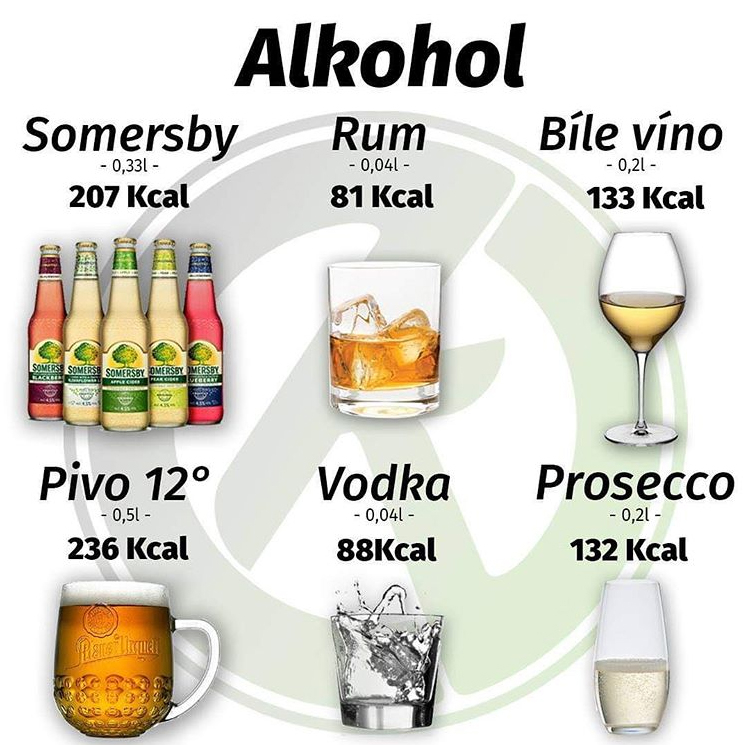
Avoid extra sweet combinations. If you want to save extra calories, opt for diet/light/zero variants of sweet drinks.
Ideal variants (again, I stress that alcohol quality is key):
- Vodka-soda-lime: about 90 calories per drink
- Rum-diet cola: approx. 100 calories per drink
- Champagne: approx. 110 calories per glass
- Dry red wine: approx. 120 calories per 2 dcl
- Skinygirl Margarita: approx. 100 calories per drink
Stay hydrated!
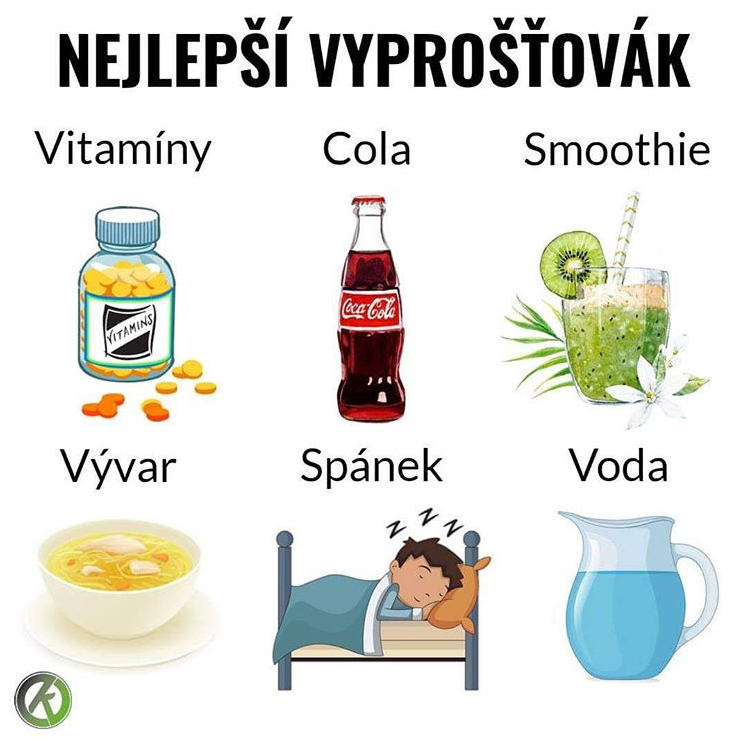
As crazy as it may sound, if we improve our electrolyte balance during the party, we'll simply feel better in the morning. The ideal is to add a pinch of salt to drinks where it fits, or include more salt overall in your food on the day of the party.
Don't forget to drink plenty of water during the party.
You'll promote better alcohol breakdown from your body, you'll get hydrated and the drink tastes great too. Don't be afraid to experiment, or try our Budweiser classic: vodka-soda-lime-intra amino.
ATTENTION!! As sweet as the drink is, sometimes you lose track of the amount you've drunk and you may suddenly wake up the next morning in bed.
Try special supplementation!
Don't be afraid to try supplementation, I have tested that it simply works and greatly relieves the symptoms of morning hangover.
Drinking into the wee hours affects our biological clock and drinking alcohol as such reduces MELATONIN production, so I recommend including 1-2 capsules of melatonin after coming home from a party - HERE.
Increase your magnesium intake before bed - see pre-sleep supplementation above.
Add a few capsules of activated charcoal to draw toxins out of the gut - read the package insert carefully, buy anywhere in a pharmacy.
Secret after-dinner tips:
- Infra-red sauna to support detoxification processes and toxin breakdown
- light cardio exercise
- supplementation with N-Acetyl-L-Cysteine (NAC - the precursor of the most powerful antioxidant glutathione)
- superfoods: coconut water, lemon juice, ginger juice, a tablespoon of apple cider vinegar, a pinch of Himalayan salt
!!! Addendum: All recommendations only apply if you consume alcohol ONCE in a while!!! In case you go off 2-3 times a week, you are an idio** and none of these recommendations are likely to have much effect !!!
You don't have to worry too much if you ever miss it, just have enough tricks in your toolbox to minimize the damage caused by alcohol. I wish you good luck with applying the knowledge you have gained.
Source: https://blog.helix.com/alcohol-effects-the-weekly-gene-adh1c/
No posts have been made yet.








