





What product do you use to maintain your own healthy testosterone production? We've selected a few products for you that are worth trying.
 Author:
 Testosterone is the main hormone associated with muscle mass, increased strength and sexual activity. It can be increased naturally in many ways such as intense exercise, diet, etc. We, in this article, are going to talk about products that should help us increase or settle testosterone levels within a healthy range. There are plenty of pills that promise to increase natural testosterone production. But the question is whether they really work, and for whom these products are suitable.
Testosterone boosters, or if you prefer "testosteroneboosters", are supplements designed to naturally increase testosterone levels. They can work by directly increasing testosterone in the normal range or by hormonal support. Either way, all of these supplements should help you recover faster and build bigger and stronger muscles.
TRIBULLUS TERRESTRIS
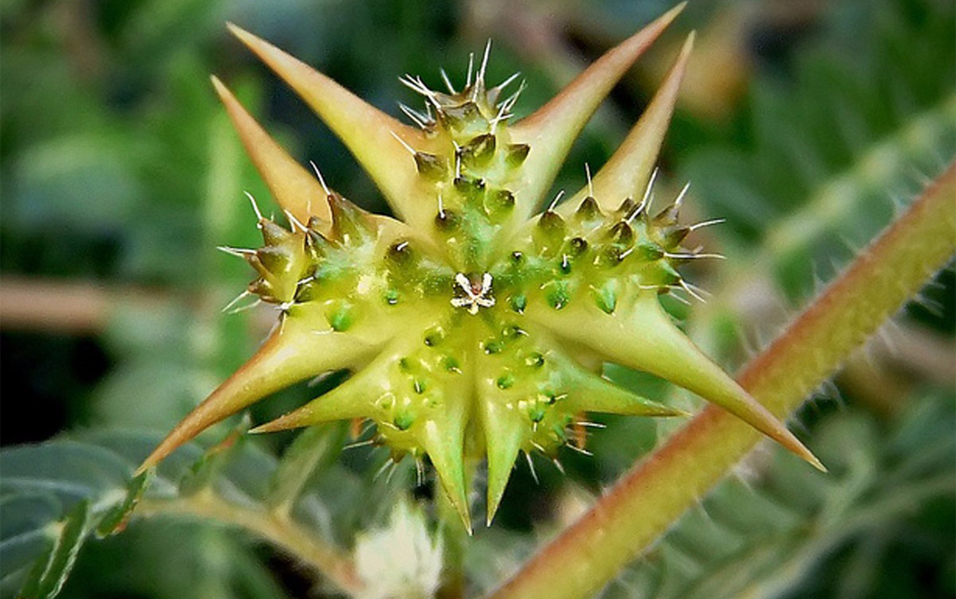
As a medicinal plant, the earth anemone was known to ancient healers in China, India and Mesopotamia. A decoction of various parts of the plant was traditionally used to improve liver function and strengthen the sleep-diminishing sex life.
A natural testosterone stimulant, derived from the Tribulus Terrestris plant, is very popular today. It is a substance that contributes significantly to the production of testosterone. Increased testosterone levels have a positive effect on recovery, muscle mass formation, muscle endurance and improved libido.
One 90-day study in men with erectile dysfunction found that taking tribulus improved self-rated sexual health and increased testosterone levels by 16%.
However, the current research showed no benefit of tribulus use for young elite athletes and healthy individuals with normal testosterone levels. As with most other T-boosters, tribulus has beneficial effects especially in individuals with low testosterone levels or impaired sexual function, but has not been shown to increase testosterone levels in individuals with normal or healthy levels.
The effective dose of tribulus containing 60% protodioscin ranges from 600mg per day for 8 weeks.
Kulturistikacom recommends :BULGARIAN TRIBULUS
FENUGREEK (FENUGREEK)
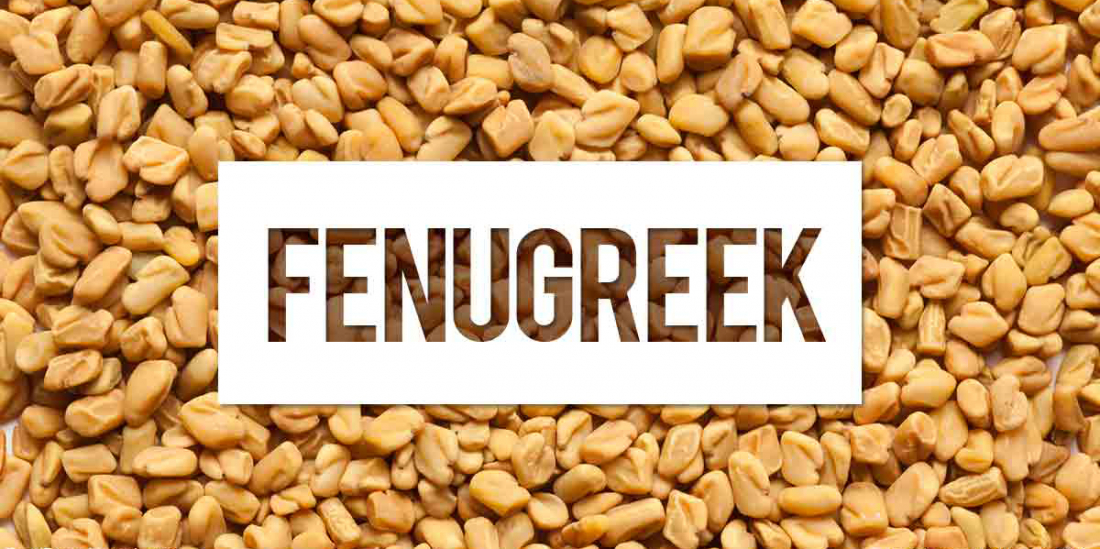
Fenugreek is another very popular testosterone booster and is one of the oldest cultivated plants, its seeds are used as a spice. Some research suggests that it has the effect of reducing the enzymes that convert testosterone to estrogen.
One of the most comprehensive studies tested two groups of 15 school-aged men over eight weeks to determine the plant's effect on testosterone levels. All 30 participants received training four times a week, but only participants in one of the groups received 500 mg of fenugreek per day.In the group in which the men took fenugreek , testosterone levels rose . While the group that exercised without ingesting the plant experienced a slight decrease. Those who took fenugreek also experienced greater fat loss and increased strength.
Another study examined how fenugreek affects sexual function and quality of life. Researchers recruited 60 healthy men aged 25 to 52 with either 600 mg of fenugreek or a blank placebo pill daily for six weeks. Participants who took fenugreek supplements experienced an increase in strength.
The researchers found:
Increased libido: 81% of the group
Improved sexual performance: 66% of the group
Higher energy levels: 81% of the group
Improved well-being: 55% of the group
500 mg of fenugreek seems to be an effective daily dose to increase testosterone levels and sexual function in both healthy and men who are struggling.
Bodyburistikacom Recommends : TESTO FUSION
ASHWAGANDHA
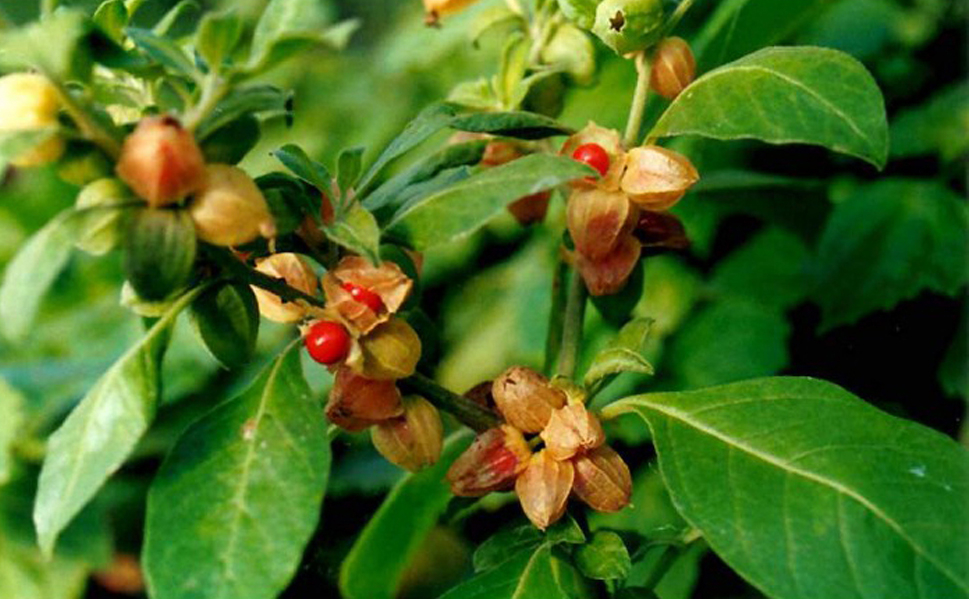
Ashwagandha or Indian Ginseng, is an herb widely used in Ayurvedic medicine where it is used as a general tonic, energy source and antioxidant. It can be recommended to anyone who is focused on comprehensive support and invigoration of the body and to increase athletic performance. Used primarily as an adaptogen, it helps the body manage stress and anxiety.
One study tested its benefits on sperm quality in infertile men who were given 5 grams daily over a three-month period. The men in this study had 10 to 22% increased testosterone levels. In addition, 14% of the participants had their fertility confirmed by their partners becoming pregnant.
Another study suggests that ashwagandha increases performance, strength, fat loss, while significantly increasing testosterone levels. Ashwagandha is thus useful to increase testosterone levels in stressed individuals,by reducing the stress hormone cortisol.
Should you opt for our recommended product Organic Ashwagandha Extract from Viridian, the recommended dosage is 1-2 tablets (300mg of extract) per day.
Bodyburistikacom recommends : ORGANIC ASHWAGANDHA EXTRACT
VITAMIN D
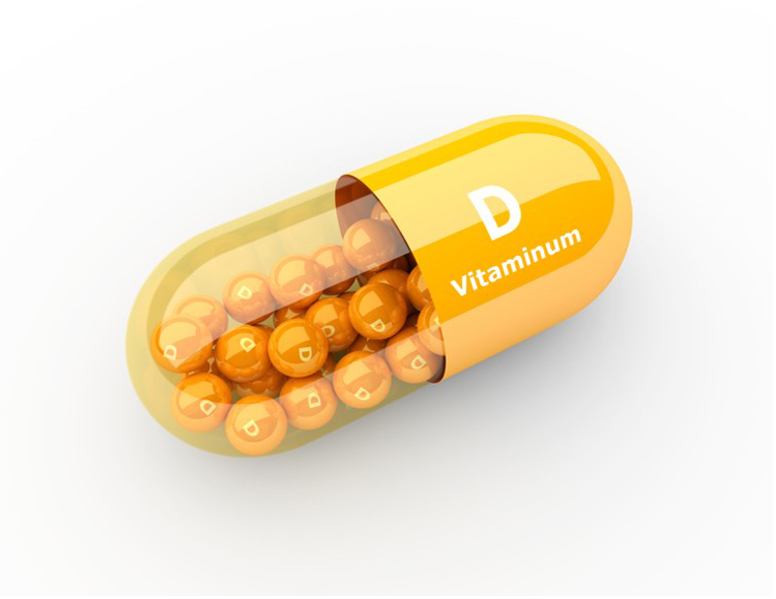
Vitamin D is a fat-soluble vitamin produced in the skin when exposed to sunlight and its active form functions as a steroid hormone in the body.
Currently, a large proportion of the population is very little exposed to sunlight, resulting in low or insufficient levels of vitamin D. By increasing vitamin D we can increase testosterone and improve other related bodily functions such as semen quality.
A link has been found between vitamin D deficiency and low testosterone. When study participants spent more time in the sun, their testosterone levels rose.
For the year-long study, 65 men were divided into two groups. Half of them took 3,300 IU of vitamin D daily. The vitamin D supplementation group's levels doubled, and their testosterone levels increased by about 20%, from 10.7 nmol/L to 13.4 nmol/L (9).
To get more vitamin D, you need to be in the sun more often, or you can take about 3,000 IU of vitamin D3 daily and eat more vitamin D-rich foods.
Bodybuildingcom recommends : VITAMIN D3
D-AA
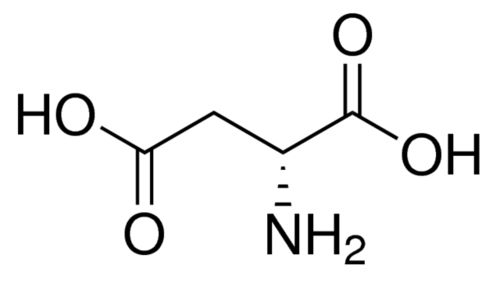
D-form of Aspartic Acid is a natural amino acid that can increase low testosterone levels. Research suggests that the primary way D-AA works is by increasing levels of follicle stimulating hormone and luteinizing hormone. Luteinizing hormone causes the Leydig cells in the testes to produce more testosterone.
Animal and human research has found that just 12 days of D-Aspartic Acid increases luteinizing hormone as well as the production and transport of testosterone in the body, this can also help in terms of sperm quality and production.
One 90 day study examined the effect of D-aspartic acid in men with impaired sperm production. The sperm count doubled from 8.2 million sperm per ml to 16.5 million sperm per ml. In another study, athletic men with healthy testosterone levels were followed during 28 days of exercise. Half of them were given 3 grams of D-aspartic acid daily. Both groups showed significantly increased strength and muscle gains. However, there was no increase in testosterone in the group taking D-aspartic acid.
Together, these findings suggest that taking D-aspartic acid may be beneficial in people with low testosterone levels or those with impaired sexual function, but not necessarily in individuals with normal testosterone levels.
A dose of 2-3g per day appears to be effective in those with testosterone problems or deficiency.
Bodybuildingcom recommends.
ZINEK
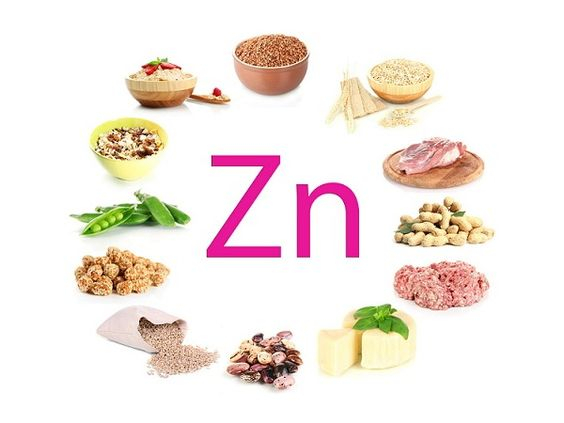
Zinc is an essential mineral involved in over 100 chemical processes in the body. As with vitamin D, the level of zinc in the body is closely linked to testosterone levels. If you have a zinc deficiency in your body, increasing your intake will have a very positive effect on the testosterone levels in your body. Zinc primarily inhibits the production of the enzyme aromatase, which converts testosterone to estrogen in the body .
In one study, 3 mg/kg of zinc sulfate was given daily to top wrestlers for 4 weeks. Zinc supplementation in this amount was enough to significantly increase testosterone and thyroid hormone levels in these individuals . In contrast, production decreased significantly in the group of individuals who were given a placebo as a result of physical exertion.
Thus, zinc can help boost testosterone levels if you have low testosterone levels or a zinc deficiency. Taking zinc is helpful if you are trying to recover from high intensity exercise, but no additional benefit has been shown for men with normal levels.
A dose of 30 mg of zinc should help adjust testosterone levels in the blood. Suitable dosing should be in combination with vitamin B6 and the amino acid methionine.
Kulturistikacom recommends : 100% ZINC CHELATE
WHAT TO FINISH ?
Testosterone is absolutely essential for many aspects of health and body composition. Interestingly, there are hundreds of testosterone boosting supplements available to us on the market today, but few have significant research behind them. Take note that most of these supplements are likely to have noticeable benefits only in individuals with fertility issues or low testosterone levels.
If you have tried any of these products, we would be only too happy to have you share your experiences with us here below this article. Whether they are positive or negative, we'll take them all!
Sources:
Netter, A., Nahoul, K., & Hartoma, R. (1981). Effect of zinc administration on plasma testosterone, dihydrotestosterone, and sperm count. Archives of Andrology
Chandrasekhar, K., Kapoor, J., & Anishetty, S. (2012). A prospective, randomized double-blind, placebo-controlled study of safety and efficacy of a high-concentration full-spectrum extract of ashwagandha root in reducing stress and anxiety in adults. Indian Journal of Psychological Medicine.
Dabbs Jr, J. M., & Mohammed, S. (1992). Male and female salivary testosterone concentrations before and after sexual activity. Physiology & Behavior,
Topo, E., Soricelli, A., D'Aniello, A., Ronsini, S., & D'Aniello, G. (2009). The role and molecular mechanism of D-aspartic acid in the release and synthesis of LH and testosterone in humans and rats. Reproductive Biology and Endocrinology,
Poole, C., Bushey, B., Foster, C., Campbell, B., Willoughby, D., Kreider, R., ... & Wilborn, C. (2010). The effects of a commercially available botanical supplement on strength, body composition, power output, and hormonal profiles in resistance-trained males. Journal of the International Society of Sports Nutrition
Study:
https://www.ncbi.nlm.nih.gov/pubmed/21312304
https://www.ncbi.nlm.nih.gov/pubmed/23723641
https://www.ncbi.nlm.nih.gov/pubmed/21154195
http://file.scirp.org/Html/1-1990018_24016.htm
https://www.ncbi.nlm.nih.gov/pubmed/24074738
https://www.ncbi.nlm.nih.gov/pubmed/8875519
https://www.ncbi.nlm.nih.gov/pubmed/23439798
No posts have been made yet.








