





What are the best energy gels for endurance athletes?
 Author:
 We cover supplements used in bodybuilding quite often in our articles, but supplementation for endurance athletes can be quite different. And the basic difference is the use of various energy gels, which many runners, cyclists and other endurance athletes can't afford, whereas bodybuilders, weightlifters or powerlifters hardly use them. In this article we will therefore take a closer look at these supplements, present their advantages and disadvantages and of course recommend specific products that are worth trying.
Article content:
- What are energy gels?
- The benefits of energy gels
- Disadvantages of energy gels
- When to dose them?
- What supplements do we recommend to try?
What are energy gels?
First of all, we should take a look at what energy gels actually are. And as the name suggests, it is a supplement designed to replenish energy during some strenuous sporting activity. Unlike ordinary carbohydrate sources, such as cyclic dextrin, for example, there is no need to dissolve energy gels in water and then drink a large volume of liquids. In a relatively small package, which practically fits in your pocket or backpack, you get a concentrated source of carbohydrates and often amino acids, some stimulants such as caffeine or taurine, as well as vitamins and minerals.

Benefits of energy gels
Although we have already touched on some of the benefits of energy gels in the previous paragraph, let's summarize them once again:
They are practical and concentrated
The concentrated formula is undoubtedly the first advantage to highlight. This is why energy gels take up no space not only in your backpack, but also in your stomach. Once you go for a two-hour run, you probably won't feel like a pint of water with maltodextrin, because you might feel nauseous at most. But a small pouch of energy gel weighs between 50 and 100 grams, and the energy in it is perfectly usable.

Energy gels are ideal for hiking in the mountains or for tough races.
They can be used quickly
Although the composition of the different gels available on the market varies greatly, the base of them almost always consists of some carbohydrates, which are of course necessary during really intense activity. And as we explained in a separate article, a great option is cyclic dextrin, but in practice you are more likely to see maltodextrin, dextrose or isomaltulose or various combinations. According to the International Society of Sports Nutrition (ISSN), 30 to 60 grams of carbohydrate is recommended for workouts longer than one hour, but it's a good idea to try it out and adjust the dosage to your own needs if necessary.
They contain stimulants
Although we'll come back to stimulants later in the chapter on the disadvantages of energy gels, on the one hand, in some circumstances it can be a welcome benefit to supplement with a certain amount of caffeine in addition to carbohydrates, which is absorbed more slowly in the body but has a half-life of up to several hours. So you don't have to reach for multiple different supplements, but you have a comprehensive all-in-one blend to support performance even on long runs.
They taste good
One of the advantages of such supplements is that they usually taste relatively good and are available in a variety of different flavours. As they contain quite a lot of simple carbohydrates, they are also quite sweet, which can have a relatively good effect on your psyche when it comes to strenuous sporting activity.
They are affordable
Considering that you don't need to use kickers for endurance sports, for example, energy gels used in training are actually relatively affordable. For example, for a decent Express Energy Gel from Extrifit you will pay 24 crowns, which is not bad at all. And if you wait for a discount and buy more packs, you can of course still save on it.
Disadvantages of energy gels
On the other hand, it's also good to point out the disadvantages of energy gels, of course there are a few. For us, the most significant problems include:
Unnecessarily complicated composition
Manufacturers of sports supplements sometimes like to entice customers with a wide range of active ingredients that their products contain. Sometimes, however, this can be quite counterproductive, and some of the energy gels are a prime example of this. While, for example, sodium or chloride has its place in energy gels because one loses quite a lot of it through sweat (even more so in summer), the loss of the often used calcium or magnesium, for example, is not so staggering that it needs to be replenished. Similarly, in practice you probably won't even notice any miraculous effect of BCAAs, but adding them can be helpful for your psyche.
They contain stimulants
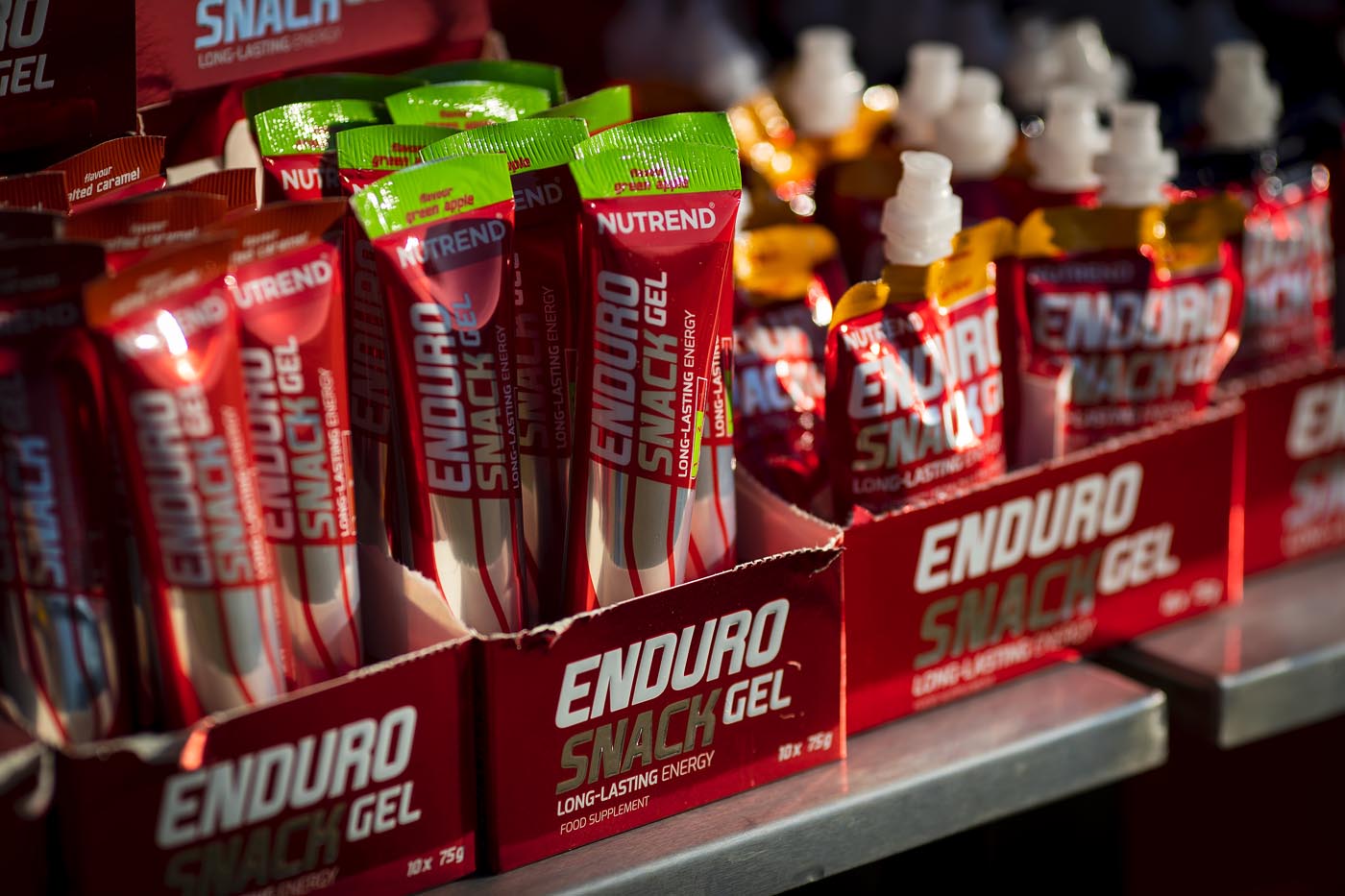
If you have a really long race ahead of you and you'd like to consume more energy gels, the stimulant content can be slightly problematic. For example, the recommended daily dose of caffeine is no more than 400mg according to expert sources, which you can easily cover with two or three energy gels containing large amounts of stimulants. But some contain considerably less caffeine, such as Nutrend's Carbosnack, which has only 60 mg of caffeine per serving. There are even completely caffeine-free options, including Endurosnack from Nutrend.

When to dose them?
Before you buy a supply of energy gels, it's a good idea to think about whether you need energy gels at all. From our own experience, we would recommend them especially to really trained endurance athletes, and especially in the summer time, when due to excessive sweating there is a greater loss of the mentioned minerals such as sodium from the body. If you're going for a half hour run, you probably don't need this supplement at all. Anyway, it's worth mentioning that different energy gels have different consistencies and everyone may like something a bit different, so if you are preparing for some physically demanding races, it's definitely a good idea to have tried several types of energy gels, be used to using them during training and know exactly what suits you, so that this supplement does not do more harm than good and you don't get nauseous during the competition, for example.
What supplements do we recommend to try?
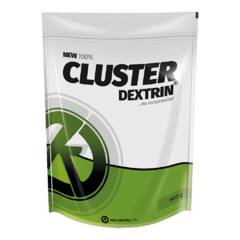
In the case of energy gels, as with many other supplements, simplicity is power. If you have the option, we would be inclined to prepare your own drink made from good quality cyclic dextrin and a little salt dissolved in a little water to replenish your energy during a tough race in the summer days, so you get all the nutrients you need. However, if you're looking for a complex mix that will contain more variety, including stimulants, plus be relatively well flavoured, ready-made gels are a better option, which are likely to have a slightly thicker consistency. A good choice in this case might be the aforementioned Express Energy Gel from Extrifit or Endurosnack from Nutrend, which does not contain caffeine. Amix Rock's Gel also has a simple yet sufficient formula.
What to take away from today's article?
As a final summary, it's worth pointing out that energy gels can be a particularly good choice for hard-training endurance athletes (and even more so in the summer), but as a recreational exerciser who just likes to go for a run or a bike ride from time to time, you definitely don't need to shell out money for them. You should also keep in mind that manufacturers often use substances that are not really important and are meant to give the impression of a sophisticated supplement rather than having any real and scientifically confirmed use. So if you have the opportunity, it is not at all a bad idea to prepare, for example, the aforementioned concentrated cyclic dextrin and enrich it with a little salt. However, if such a solution is not entirely practical for you, we recommend choosing one of the ready-made energy gels mentioned in the previous paragraph.
Recommended
No posts have been made yet.








