Cycling dextrin takes your training to the next level! How is it better than conventional maltodextrin?
 Author:
 Although some bodybuilders may have never used maltodextrin, it is a very important part of supplementation for actively training athletes who like to play hockey, do crossfit, athletics or even ride a bike. But as modern scientific knowledge and methods of producing new supplements evolve, more and more modern and effective products are coming along. And an imaginary successor to maltodextrin may therefore be cyclic dextrin, which we will introduce you to in this article.
Article content:
- What is maltodextrin? And why is there controversy around it?
- What about cyclic dextrin? How is it better than glucose?
- How to dose cyclic dextrin?
- Who is cyclic dextrin good for?
What is maltodextrin? And why is there controversy around it?
Maltodextrin is a polysaccharide that is made from either corn or wheat and although it is commonly found in many foods as an additive, it is also popular with athletes. Why? It 's a good source of energy for them, so they can drink it during hard and intense workouts. Unfortunately, maltodextrin does come with some controversy - for example, there are studies that point to a possible change in the composition of gut bacteria in regular maltodextrin users, which may make them more susceptible to certain specific diseases. In addition, there are studies indicating an increased risk of colitis, for example, and since maltodextrin affects blood sugar levels, people with insulin resistance or diabetes need to monitor their intake.
What about cyclic dextrin? How is it better than glucose?
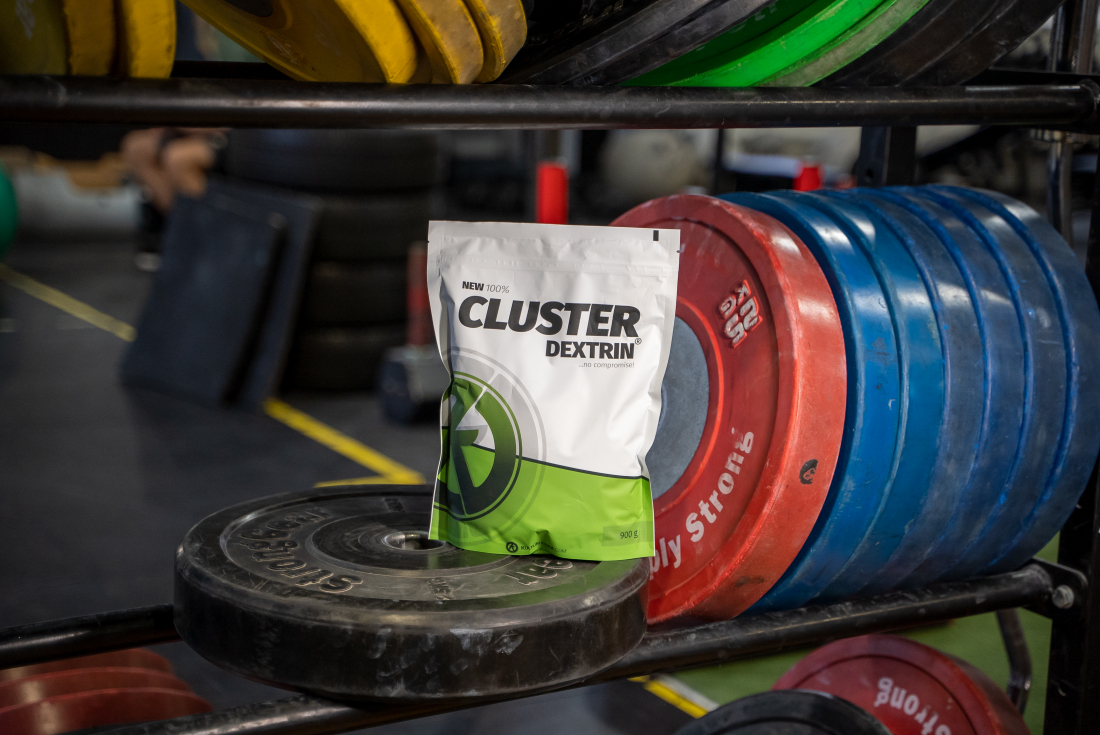
With this short digression we come to the main topic of today's article, which is cyclic dextrin, which you may also know as cluster dextrin or highly branched cyclic dextrin (or its English equivalent highly branched cyclic dextrin, hidden under the abbreviation HBCD). Although the popularity of this supplement has only recently begun to grow, the scientific community first began to take more notice in 1999, when research was published that revealed that mice were able to perform better after HBCD than after glucose, and their energy levels were more stable without fluctuations. This was then followed by other studies that found, for example, that HBCD delayed exhaustion and fatigue. So let's take a look at three important reasons why this supplement is great:
- It's an excellent source of energy that doesn't make you feel bloated or nauseous. In fact, the low osmolality of HBCD causes it to pass through the body quickly without the unnecessary feeling of thirst that would make you drink more and more fluids and feel uncomfortable during your workout.
- It doesn't cause such energy spikes, as evidenced by the aforementioned study that found that the average rise in blood insulin was significantly lower in mice taking HBCD than in mice taking glucose.
- It may be influencing the increase in performance, which is of course related to the fact that cyclic dextrin is a source of carbohydrate and therefore energy. But in addition, some scientific articles also point out that athletes who used HBCD before exercise showed lower levels of cytokines in their urine, suggesting that this supplement may positively influence the body's natural inflammatory response to exercise.

How to dose cyclic dextrin?
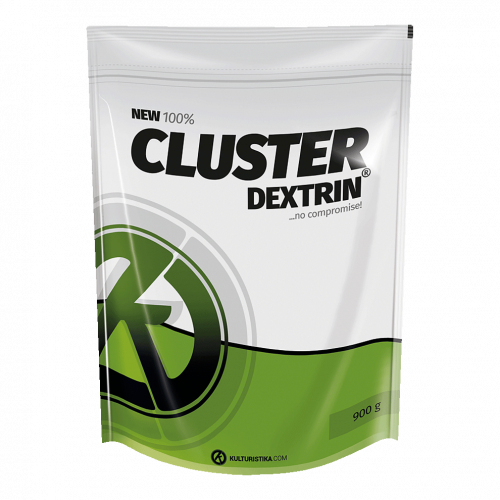
The great advantage of our cyclic dextrin from Kulturistika.com is the absence of any flavor and despite the fact that it is a polysaccharide, this supplement contains less than 0.2 grams of simple sugars per 100 grams of product. So you can add it to any supplement you like to use, both before, during or after your workout. For example, foreign sources recommend using 30 grams of HBCD half an hour before a workout to boost blood glucose, followed by another 30 grams to boost performance during your workout. However, dosing after athletic performance to maximize recovery is also an option. You can start with lower doses (some studies work with as low as 15 grams and find positive effects) and gradually monitor how your body responds.
Who is cyclic dextrin good for?
Really anyone can take cyclic dextrin, and it doesn't matter if you're in the gym, on the ice or on a bike. It's true, however, that endurance athletes are more likely to reach for carbohydrates. If you spend an hour in the gym doing low-intensity training, it's probably not necessary for you to supplement carbohydrates in any way during exercise.
What to take away from today's article?
The main thing you should take away from today's article is that cyclic dextrin is a very high quality polysaccharide that can provide energy during training without significant insulin spikes and can help you achieve your goals. While it can be taken by de facto anyone, it will benefit endurance athletes the most, who can take it before training to raise blood glucose and then during heavy bodybuilding or strength training to replenish energy. A great choice is, for example, our cyclic dextrin from Kulturistika.com.
Recommended
GymSupps Super Intra
No posts have been made yet.