





The ordinary powder that crushes expensive supplements: why you should give psyllium a chance
 Author:
 People today spend thousands of crowns on exotic extracts, miracle green pills and pills promising longevity. Yet one of the best-researched and most effective dietary supplements often sits on the bottom shelf in supermarkets for a few crowns. It's called psyllium, and from a scientific perspective it does things that most popular supplements can only dream of.
If you feel that fiber is just "something for good digestion," it's time to bust that myth. Psyllium is in fact the silent guardian of your heart and metabolism.
Article Content:
- What exactly is psyllium and how does it work?
- 1. The cholesterol vacuum cleaner
- 2. 1.
- How to start using psyllium (and not make a mistake)
What exactly is psyllium and how does it work?
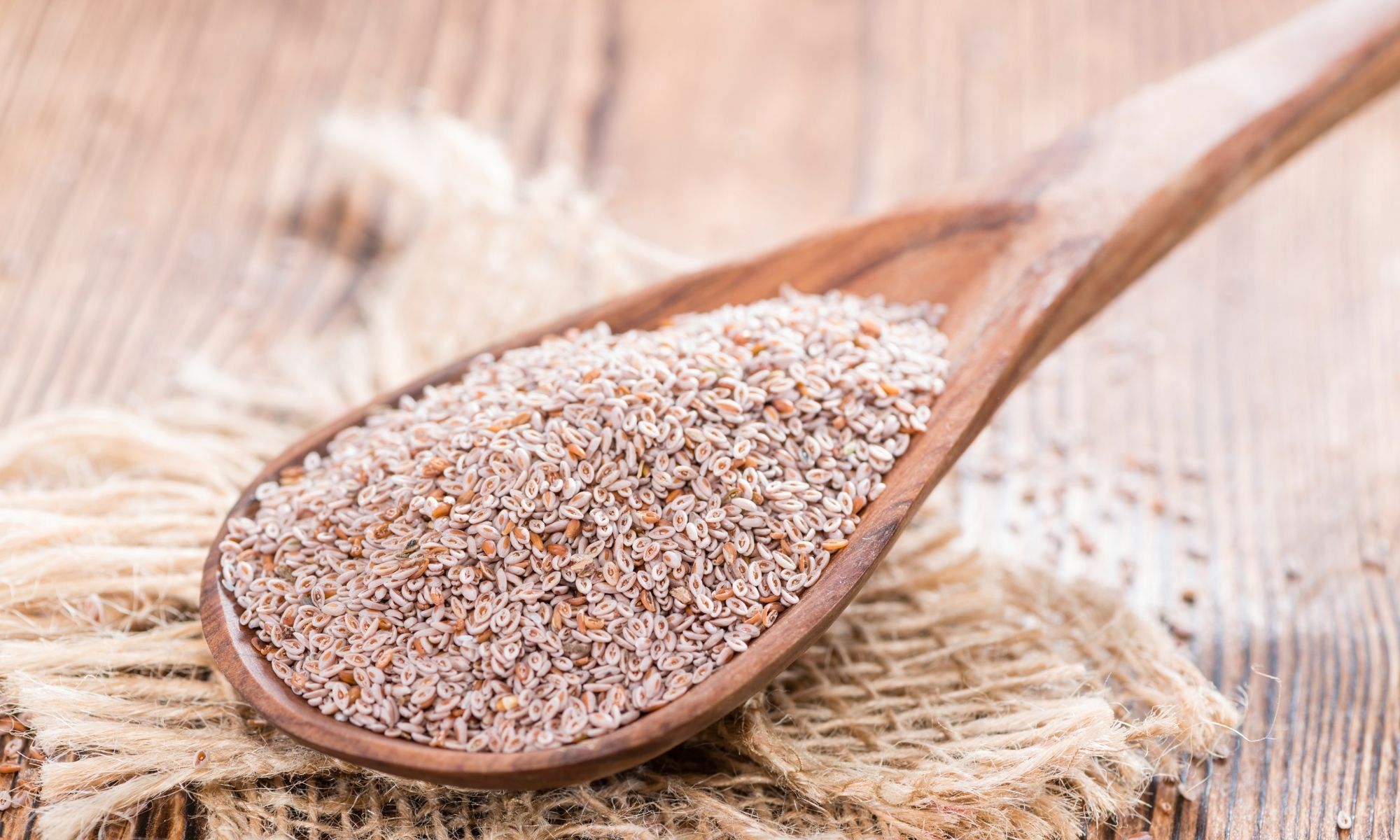
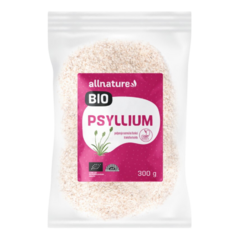
Psyllium is a soluble fiber derived from the seed coats of plantain(Plantago ovata). Its magic lies not in what it contains, but in what happens to it when you eat it.
Once the psyllium enters your digestive tract and mixes with water, it forms a thick gel. This gel acts like a biological net. It slows down the passage of food and physically binds certain substances to itself before they can enter the bloodstream. And that's what starts a chain reaction with huge health benefits.
1. The cholesterol vacuum cleaner
The U.S. Food and Drug Administration (FDA) doesn't hand out health claims on a whim. But psyllium is one of the few supplements that the FDA officially recognizes as reducing the risk of cardiovascular disease.
- How it does it: psyllium gel in the intestines traps bile acids (which the body makes from cholesterol) and carries them out of the body. Your liver then realizes, " Damn, we're out of bile, we need to make new bile," so it reaches into your blood and pulls out the excess LDL (the "bad") cholesterol.
- Results.
2. Blood sugar taming
big problem of modern times is the constantly rocking blood sugar. You know - you eat something carbohydrate-y, your sugar shoots up, and two hours later there's a hard crash, fatigue and ravenous hunger.
The psyllium gel in your gut acts like a speed bump on the highway. It slows the breakdown and absorption of carbohydrates from food. Sugar is released into the blood gradually and steadily. According to an analysis of 51 studies, psyllium has been shown to lower fasting blood sugar and improve the body's sensitivity to insulin. For people with prediabetes or those trying to lose weight and struggling with constant cravings, it's a total gamechanger.
How to start using psyllium (and not make a mistake)
Sounds great, right? But there's a catch. Psyllium absorbs extreme amounts of water. If you start eating it the wrong way, you're going to be constipated. Here are the rules on how to do it:
- Start slow: If you're not used to a fiber-rich diet, don't start with a full dose right away. Start with 1 teaspoon (about 3-5 grams) a day and let your body get used to it. Gradually work your way up to the recommended 7-10 grams per day.
- Drink, drink, drink: This is absolutely key. Psyllium without water is like cement without water. Wash down each teaspoon with a giant glass of water (at least 300 ml) and watch your drinking throughout the rest of the day.
- How to eat it: You can simply mix it in water and drink it quickly (before it has time to gel). If you don't like it, stir it into porridge, yoghurt or add it to a protein smoothie.
- Medication alert: Because psyllium slows absorption, space it and your medications or vitamins at least 1 to 2 hours apart.
Summary for your day:
You don't always need the most expensive and newest supplements to do something essential for your health. Sometimes you just need to go back to the basics. Psyllium is cheap, safe, and its effects on cholesterol and blood sugar are backed by decades of hard science. Add a few grams to your breakfast, wash it down properly and let your body do the rest of the work.
Recommended
No posts have been made yet.








