





The difference between volume and reduction diets
 Author: Nicola Vachová
 The topic of dieting is often given much more attention than the gaining phase, and especially in women. Volume (or if you want the gaining phase) is a bit of a forbidden topic among women. Few women want to voluntarily put on weight, watch her butt subtly get bigger and stay in this uncomfortable phase for weeks or even months. On the other hand, it is important to remember that if we are trying to gain muscle mass and shape the body, there is a caloric surplus, the gaining phase, which is inherently associated with a slightly higher number on the scale. This is due to a higher food intake or a greater likelihood of water retention in the body, which is perfectly normal and natural at this stage. The myths about gaining are often accompanied by the fact that diet and overall caloric intake is unmonitored and uncontrolled in volume and so the weight flies up at rocket speed. This is, of course, nonsense and even at this stage we should still approach diet with the same controlled and deliberate approach. So what is the main difference between dieting and bulking?
The essence of a diet for reduction (diet diet) is a calorie deficit. Caloric intake is set to be lower than our caloric expenditure. The composition of the diet should be based on basic, minimally processed foods that fill us up and provide us with the necessary macronutrients. We should make sure we get enough protein, which has a good satiating power and also helps us preserve existing muscle mass during the reduction. Next comes carbohydrates and fats, between which we should distribute the rest of our caloric intake. Some people prefer carbohydrates, others prefer fats, but the equation remains the same - our total caloric intake simply has to meet the caloric deficit in order to achieve body fat loss. It's good to reduce caloric intake slowly and gradually and work with our food intake to achieve the desired results.
Among the basic foods that I think should appear in the diet are various types of lean meat (chicken, turkey, beef butt, etc.) and fish such as Alaskan cod, tilapia, salmon, etc. Also foods like eggs, white, unsweetened yogurt, cottage cheese, ham, cheese (I would choose lower fat ones), vegetables, fruit, oatmeal, rice, pasta, potatoes, sweet potatoes, legumes, etc. These foods are not meant as a template for a perfect diet, but only as examples of appropriate foods. However, anyone embarking on a reduction on their own and without a coach to tailor a diet to their individual wants and needs should stick to basic, unprocessed foods. Not only can we provide the body with sufficient nutrients thanks to appropriately chosen foods, but we can also avoid unnecessary starvation and, in addition, cravings for sweets, which are quite common during a reduction.
As far as the weight gain diet is concerned, the same rules will apply here as with the reduction diet. The main difference will be in caloric intake, which at this stage will be in excess. So if we imagine an imaginary scale where we start from zero, towards the minus we will be in a caloric deficit and towards the plus we will be in a caloric surplus. However, even in a caloric surplus we still need to be in control and increase our intake gradually according to our results. There is no point in going into uncontrolled volume, which will only result in unnecessary extra pounds and much more work in the diet. Here too, we should approach our diet with common sense and put it together with as few processed, nutrient-dense foods as possible, just as we do with a reduction diet.
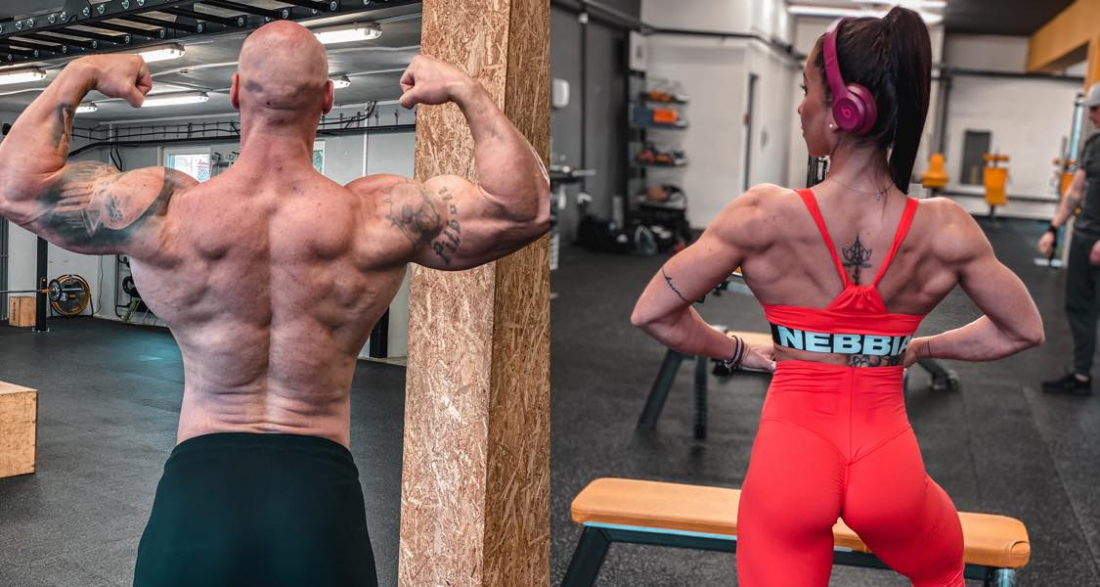
The basis of the diets will be practically the same, but the main difference will be in the amount of food - to achieve a caloric surplus. There is no need to change the diet from the ground up and make major differences between the reduction and volume diets. In the bulking phase, we can afford within the set calorie intake some foods that we probably would not have included in the diet, but there is no need to rewrite the principles of the set diet as if it were something completely different. In fact, it's just a matter of reducing or increasing the overall caloric intake and there's no need to come up with major changes or complexities.
Want to get in shape or change your lifestyle? Order a customized diet or workout from Supertrener.cz
Recommended
Nexgen 60 kapslí 2+1
Nebbia Dvouvrstvá sportovní podprsenka FLEX 241
Nebbia Washed legíny s vysokým pasem GYM WARRIOR 776
Nebbia Sportovní podprsenka se střední podporou TWIST-KNOT 423
Author: Nicola Vachová No posts have been made yet.








