Sunflower lecithin and its effects
 Author:
 In the world of dietary supplements and functional foods, we often encounter dozens of exotic names and complex compounds promising miraculous effects. But among them are substances that are much closer to us and whose potential we are only just beginning to discover. One such substance is sunflower lecithin. Although it is more familiar to many as a common emulsifier in foods, modern scientific studies show that its role may be much more significant than it first appears. This article will delve into the results of recent research and present how this unassuming substance can contribute to the health of our heart, blood vessels and digestive system.
Article Content:
- What is lecithin?
- Heart and blood vessels under protection: Impact on cardiometabolic health
- A smart transporter for a healthy gut and more effective treatment
What is lecithin?
Before we get into specific studies, it's helpful to briefly clarify what lecithin is. Chemically, it is a mixture of fats, specifically phospholipids. These molecules are absolutely crucial to life, as they form the building blocks of all cell membranes in our bodies. They ensure their flexibility, permeability and proper function. In the food industry, lecithin is valued for its emulsifying properties - it can bind together two otherwise immiscible liquids such as water and oil. Think of it as nature's diplomat, creating harmony between these two worlds, which is why it can be found in chocolate, mayonnaise and baked goods.
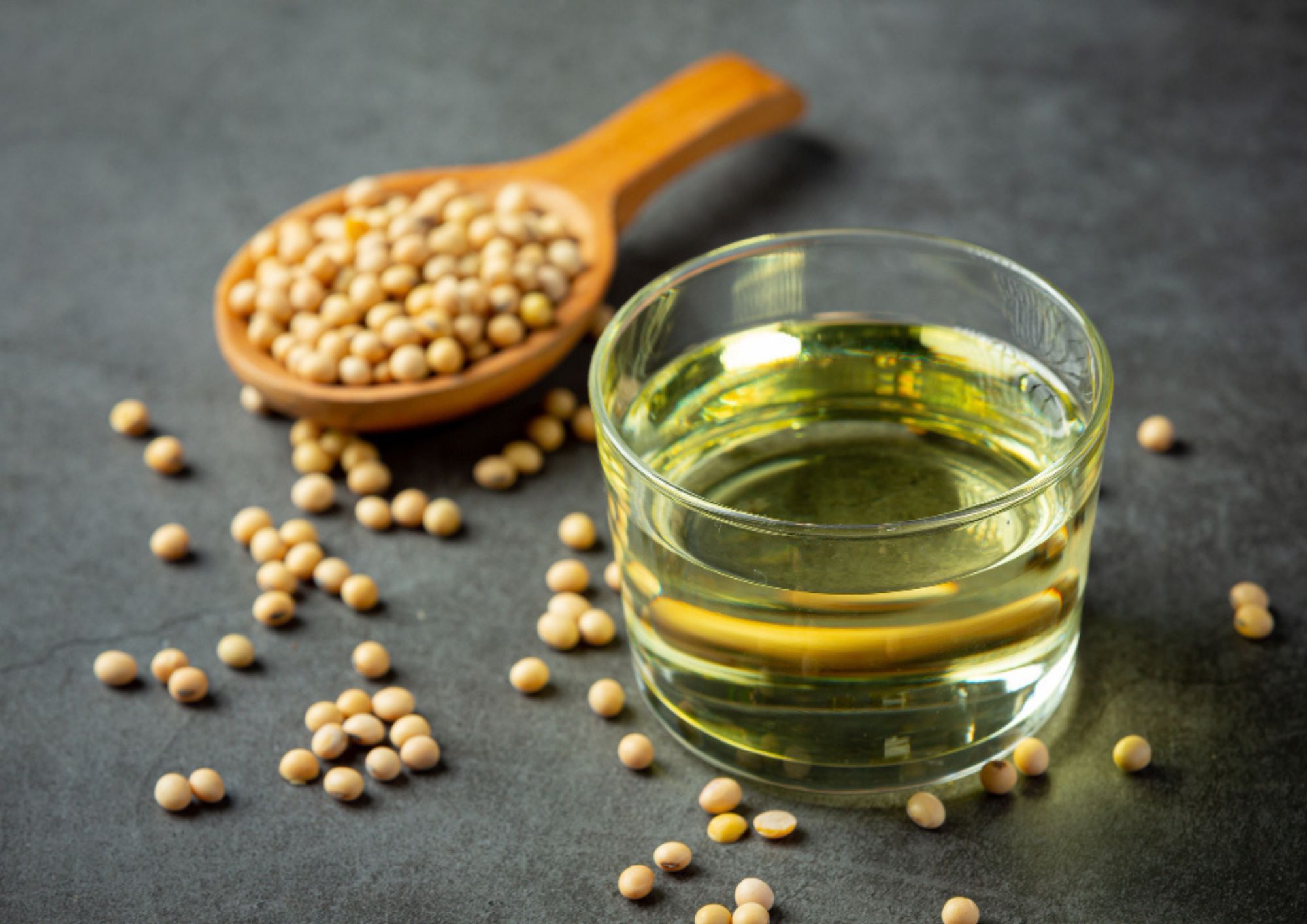
Sunflower lecithin has gained popularity in recent years as an alternative to the more traditional soy lecithin. This is primarily because sunflower is not associated with genetic modification (GMO) and does not pose a risk to people with soy allergies. However, scientists are increasingly interested not only in its technological function but also in its direct biological effects.
Heart and blood vessels under protection: Impact on cardiometabolic health
One of the most interesting lines of research is the effects of sunflower lecithin on so-called cardiometabolic health. This term describes the state of our metabolism in relation to cardiovascular health. It includes factors such as blood sugar levels, cholesterol and other lipid levels and the risk of developing type 2 diabetes. It is this area that was the focus of a recent randomized crossover study by Swedish researchers published in 2024.
In this study, researchers gave healthy adults a high-fat breakfast, with the fat component varying. One group consumed fat enriched with sunflower lecithin, another consumed polar lipids from oats, and a third, control group, consumed only canola oil. They then monitored how the participants' bodies reacted to the food, both immediately after breakfast and after a subsequent standardized lunch.
The results were very promising. It showed that breakfast with sunflower lecithin led to statistically significant improvements in several key indicators. After the meal, there was a more favorable profile of blood lipoproteins, which are essentially the "carriers" of cholesterol. In layman's terms, lecithin helped the body better manage fats and cholesterol after meals, which is positive in the long run for preventing atherosclerosis (hardening of the arteries).
In addition, the study revealed another interesting effect. Consuming sunflower lecithin positively affected the levels of hormones that regulate our appetite. Participants showed a better feeling of satiety after such a breakfast. This effect persisted even after a subsequent lunch. This suggests that incorporating sunflower lecithin into the diet could be a useful strategy not only for promoting heart health, but also for better weight control through more effective management of feelings of hunger and satiety.¹
A smart transporter for a healthy gut and more effective treatment
The second, equally fascinating role of sunflower lecithin lies in its ability to act as a highly efficient carrier system for other substances. Many beneficial natural compounds, such as curcumin from turmeric or boswellic acid from frankincense, have one major problem - they are poorly soluble in water and therefore difficult for our bodies to absorb. Their bioavailability is low. We can think of it as trying to send a valuable parcel without packaging and address - most of it gets lost on the way and only a tiny fraction reaches its destination.
This is where lecithin comes in. Thanks to its unique molecular structure, which has both hydrophilic (water-loving) and lipophilic (fat-loving) parts, it can form microscopic transport "bubbles" called phytosomes. These phytosomes encapsulate the active substance molecule, protecting it during its passage through the digestive tract and greatly facilitating its passage through the intestinal wall into the bloodstream.
This principle was used in an Italian study, also from 2024, which investigated the effects of a combination of curcumin and frankincense extract in patients suffering from irritable bowel syndrome (IBS) associated with small bowel dysbiosis (an imbalance of gut bacteria). The active substances were administered specifically in the form of sunflower lecithin-based phytosomes.
The results were remarkable. Patients taking this special formulation experienced a significant reduction in typical IBS symptoms such as bloating and abdominal pain. More importantly, the tests showed an improvement in gut dysbiosis. Thus, the lecithin carrier not only increased the effectiveness of the anti-inflammatory and healing agents, but allowed them to act exactly where they were needed - in the gut. Thus, this study clearly demonstrates that sunflower lecithin is not just a passive ingredient, but an active agent that can unlock the full potential of other natural substances and purposefully support the health of our gut microbiome.²
What to take away from this?
Modern research shows sunflower lecithin in two main roles. On the one hand, it acts as an active player that directly interferes with our fat and sugar metabolism and helps regulate satiety. On the other hand, it plays the role of a clever auxiliary carrier that enhances the absorption and effectiveness of other substances, which opens up new possibilities, for example in the treatment of digestive disorders.
Although more research is needed, it is already clear that sunflower lecithin is much more than a simple emulsifier. It is a functional ingredient with science-based potential that deserves our attention, whether as part of a balanced diet or as a thoughtful dietary supplement.
Recommended
Sources:
- ¹ Ostbring K, Önning G, Tunjic NR, et al. Oat polar lipids and sunflower lecithin similarly improve cardiometabolic risk markers and appetite controlling hormone responses after breakfast and a subsequent lunch. A randomized crossover study in healthy adults. Food Funct. 2024;15(12):5509-5522. published online June 11, 2024.
- ² Riva A, Togni S, Girometta C, et al. Positive Outcomes of Supplementation with Lecithin-Based Delivery Formulation of Curcuma longa and Boswellia serrata in IBS Subjects with Small Bowel Dysbiosis. Nutrients. 2024;16(23):3958. Published November 26, 2024.
No posts have been made yet.