Lecithin: What it is, what it is good for and what side effects it has
 Author:
 In the world of dietary supplements, we often come across substances that promise a wide range of effects. One of them is lecithin. Although it is a natural part of our diet and our bodies, its role and true potential are often shrouded in confusion. Is it just another fashion accessory or a substance with proven benefits for our health? In this article, we'll dive into the scientific studies and use proven data to explain what lecithin really is, how it can benefit our health, and what to watch out for when taking it.
Article content:
- What exactly is lecithin?
- The potential benefits of lecithin backed by research
- Safety and side effects: what do I need to know?
What exactly is lecithin? The basic building block of life
Chemically, lecithin is a general term for a group of fats called phospholipids. For the layman, the most important thing to understand is that it is not a man-made molecule, but the basic building block of all cell membranes in our bodies. Every cell, from brain to muscle, needs lecithin for its proper structure and function.
However, its key importance lies in the fact that it is one of the richest natural sources of choline. Choline is a vital nutrient that our bodies can make in small amounts, but we depend on its intake from our diet for optimal health. And choline is the precursor, the starting substance, for the synthesis of acetylcholine - one of the most important neurotransmitters in our nervous system. Acetylcholine is essential for the transmission of nerve impulses and thus plays a key role in processes such as memory, learning, concentration and muscle coordination.
So when we talk about the effects of lecithin, we are largely talking about the effects of choline, which it provides to our bodies in a highly absorbable form.
.jpg)
The potential benefits of lecithin backed by research
The scientific database PubMed, which compiles millions of medical and biological studies, offers an interesting insight into where lecithin may actually help.
1. Supporting brain function and cognitive health
It is because of its high choline content that lecithin has become a focus of interest for neuroscientists and researchers studying cognitive disorders. The logic is simple: if acetylcholine plays a key role in memory and thinking, could supplying its building block (choline from lecithin) help?
Studies have focused primarily on Alzheimer's patients. These patients have been found to have reduced activity in the brain of the enzyme responsible for converting choline to acetylcholine. In theory, increased choline intake could therefore help compensate for this deficit and potentially slow the progression of dementia. A review study from the Cochrane Database, which analysed the available randomised trials, examined this very hypothesis and confirmed the scientific interest in lecithin in this area.1
In addition to Alzheimer's disease, lecithin has been investigated in other neurological disorders such as tardive dyskinesia (uncontrollable movements), Friedreich's ataxia and Huntington's disease. Results have been mixed, but have suggested that choline supplementation may provide relief in some patients and is considered worthy of further investigation.2
For the average healthy person, this means that adequate lecithin intake may be an important element of a strategy for maintaining cognitive freshness into old age.
2. A surprising ally for gut health: ulcerative colitis
One of the most interesting and well-documented benefits of lecithin lies in the field of gastroenterology, specifically in patients with ulcerative colitis. This chronic inflammatory bowel disease is characterized by damage to the lining of the colon.
A scientific study published in the journal Digestive Diseases revealed a fascinating link. A key component of lecithin, phosphatidylcholine (PC), makes up more than 70% of the phospholipids in intestinal mucus. This layer of mucus acts as a hydrophobic (water-repellent) barrier that prevents bacteria from the gut contents from penetrating the intestinal wall, where they could cause inflammation. A study has shown that patients with ulcerative colitis have a reduction of approximately 70% in this protective phosphatidylcholine in the mucosa, regardless of the current level of inflammation. This deficiency is thought to be one of the primary pathogenetic factors that allows bacteria to "breach" the gut's defenses and trigger an inflammatory response.3
Based on this discovery, a new therapeutic strategy has been developed: the administration of lecithin in the form of controlled-release tablets that can replenish the missing phosphatidylcholine in the gut. Randomized controlled trials have confirmed that this treatment is clinically and endoscopically effective and leads to an improvement in inflammatory activity. This approach is now awaiting approval in a final, phase III clinical trial.3
Safety and side effects: what do I need to know?
No active ingredient is without potential side effects, and lecithin is no exception, although it is generally considered very safe.
Most side effects are associated with the use of very high doses. Among the most common are acute gastrointestinal problems such as nausea, bloating or diarrhoea. Increased sweating, salivation and loss of appetite may also occur. These symptoms are usually unpleasant enough to discourage further overuse, minimizing the risk of permanent health damage from overdose.2
Some individuals have also been observed to develop depressive states at high doses, which is important to consider if you are prone to depression.
There is also interesting information in the report on the safety of lecithin in cosmetic products. Here it is considered safe in rinses and in concentrations of up to 15% in creams and emulsions that remain on the skin. However, the report warns that lecithin should not be used in cosmetic products where nitrosamines (potentially carcinogenic substances) may be formed, which is important information for cosmetic manufacturers.4
Conclusion: for whom is lecithin suitable?
Based on scientific studies, lecithin is much more than a simple dietary supplement. It is a key nutrient with proven importance for the structure of our cells and with well-studied potential in several specific areas of health.
Summary of key points:
- For the brain: Lecithin is an excellent source of choline, essential for the production of acetylcholine, which plays a role in memory and cognitive function. It is the subject of research in neurodegenerative diseases.
- For the gut: It is proving to be a highly promising adjunctive therapy for ulcerative colitis, where it helps to restore the compromised protective barrier of the intestinal mucosa.
- Safety: it is very safe in normal doses. High doses may cause digestive upset and potentially affect mood in sensitive individuals.
Lecithin is a valuable supplement for those who want to actively support their cognitive health and may provide significant support for conventional treatment for patients with ulcerative colitis, in consultation with a physician. However, as with any dietary supplement, it is wise to take an informed approach and consult a specialist if health problems arise.
Recommended
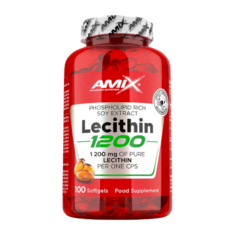
Amix Lecithin 1200 mg
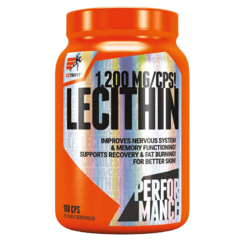
Extrifit Lecithin
Sources:
- [1] Higgins, J. P. T., & Flicker, L. (2003). Lecithin for dementia and cognitive impairment. Cochrane Database of Systematic Reviews.
- [2] Wurtman, R. J., Hefti, F., & Melamed, E. (1981). Effects of consumption of choline and lecithin on neurological and cardiovascular systems. Federation Proceedings, 40(5), 1573-1577.
- [3] Stremmel, W., & Gauss, A. (2013). Lecithin as a therapeutic agent in ulcerative colitis. Digestive Diseases, 31(3-4), 388-390.
- [4] Final report on the safety assessment of Lecithin and Hydrogenated Lecithin. (2001). International Journal of Toxicology, 20 Suppl 1, 21-45.
No posts have been made yet.