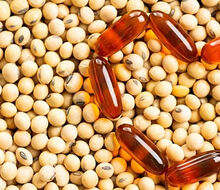
What is soy lecithin and everything about it
 Author:
 In the world of sports nutrition, new supplements are constantly appearing promising miracles. Among the stalwarts that hold their place on the market, we find soy lecithin. Many athletes are familiar with it as a common ingredient in protein drinks or other supplements, where it plays the role of an emulsifier - a substance that helps mix fats with water. But its potential is much broader and goes far beyond food technology. Two interesting scientific studies from the PubMed database offer us a glimpse into the depth of its actual biological effects, so we'll take a closer look.
Article content:
- What is soy lecithin?
- Part 1: Soy Lecithin and Cholesterol
- Part 2: An Unexpected Bonus
- Soy Lecithin and its Harmfulness
What is soy lecithin?
Before we dive into its effects, let's be clear about what soy lecithin actually is. Chemically, it is not one specific molecule, but a complex mixture of fats called phospholipids that are extracted from soybeans. These phospholipids are absolutely essential for life because they form the building blocks of all cell membranes in our bodies. The key components of lecithin are phosphatidylcholine, phosphatidylinositol and phosphatidylethanolamine.
The most important of these is phosphatidylcholine, which serves as a rich source of choline. Choline is an essential nutrient that, although the body can make in small amounts, must be taken from the diet for optimal health. It is crucial for brain function, muscle movement, liver health and fat metabolism. It is because of this composition that lecithin is not a mere "excipient" but a full-fledged nutritional supplement with its own biological effects. In the food industry, its ability to emulsify - that is, to hold together oil and water - is used to improve the texture and shelf life of many products.
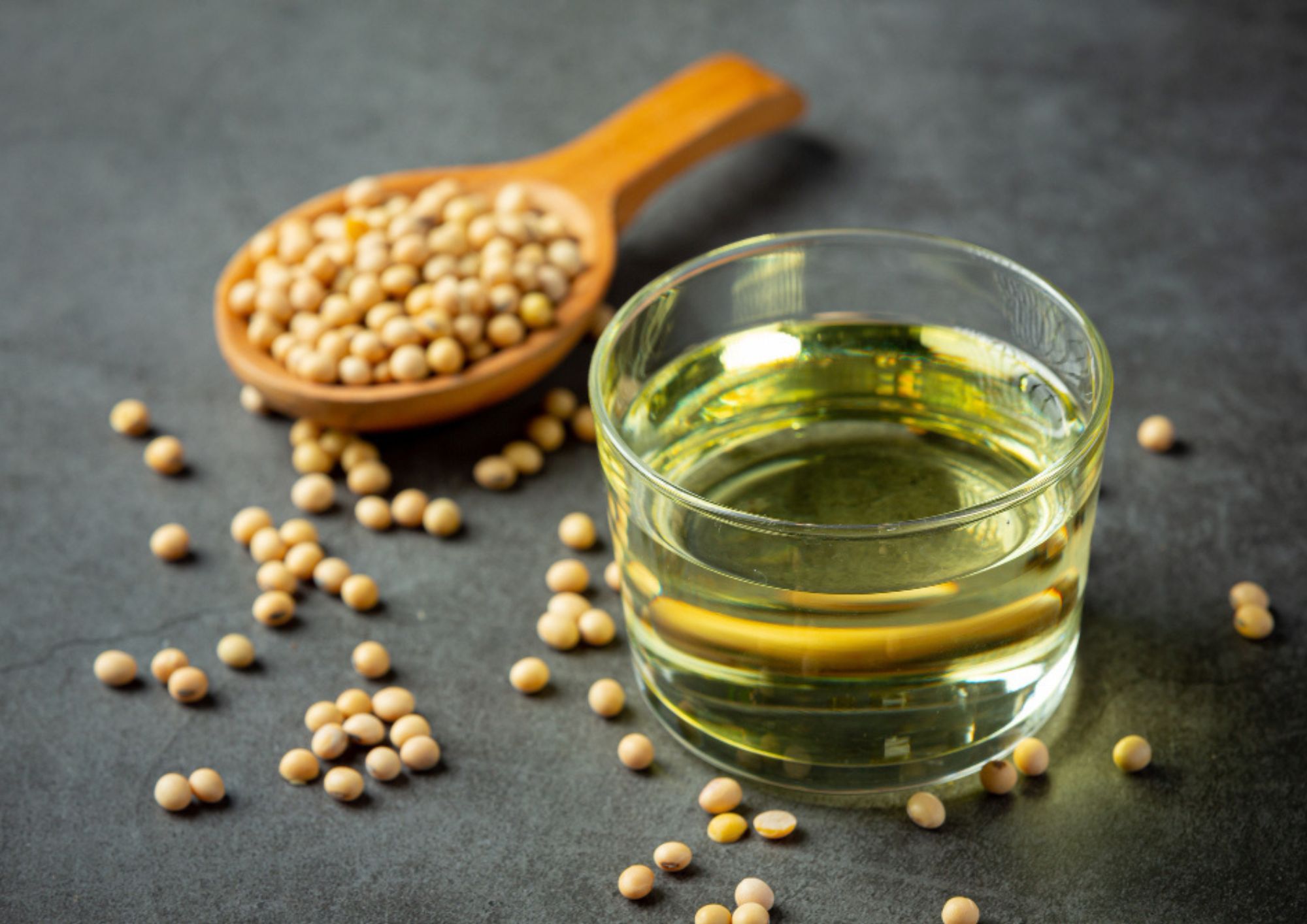
Soya lecithin: an overview of its key effects
Based on scientific studies and the biochemical properties of its components, the main benefits of soya lecithin can be summarised in a few key points:
- Promoting cardiovascular health: As we will show in more detail below, studies have shown its strong effect on lowering total and especially "bad" LDL cholesterol levels. This contributes to the maintenance of healthy and clean blood vessels, which is the basis for endurance performance.
- Modulation of the immune system: Research suggests that lecithin may boost the activity of key immune cells (macrophages), thereby helping the body defend itself more effectively against pathogens. This is key for athletes to minimize downtime from training.
- Brain Function Support: Due to its high choline content, lecithin is associated with brain health. Choline is a precursor to acetylcholine, a neurotransmitter essential for memory, learning and concentration.
- Liver health: Choline plays a vital role in the transport of fats from the liver. Its deficiency can lead to fat accumulation in the liver, which is a risk factor for various diseases. Lecithin as a source of choline thus contributes to the protection and proper function of the liver.
Part 1: Soy lecithin and cholesterol - an ally for your heart and blood vessels?
For every athlete, whether professional or recreational, a healthy cardiovascular system is an absolute essential. The heart and blood vessels are responsible for transporting oxygen and nutrients to the working muscles. Any problem in this system can significantly limit performance and, in the long run, compromise health. One of the most debated risk factors is hypercholesterolaemia, which is elevated blood cholesterol levels, especially the 'bad' LDL cholesterol.
A scientific study published in the journal Cholesterol entitled "Influence of soy lecithin administration on hypercholesterolemia" focused on exactly this issue. The aim of the research was to find out whether regular administration of soy lecithin can help people with high cholesterol. The results were more than promising.
What did the study find?
The study participants, patients diagnosed with hypercholesterolaemia, took one capsule containing 500 mg of soya lecithin daily. Researchers monitored changes in their blood lipids for one and two months.
The results showed a stunning reduction in cholesterol levels:
- Total cholesterol: 40.66% decrease after the first month and 42.00% decrease after two months.
- LDL cholesterol (the so-called "bad" cholesterol): 42 .05% decrease after the first month and a whopping 56.15% decrease after two months of treatment.
The authors of the study noted that the most significant decrease occurred within the first month of use. Based on this data, they suggested that daily administration of soy lecithin could serve as an effective adjunctive treatment for hypercholesterolaemia.
How is this possible?
Although the exact mechanism requires further investigation, the researchers suggest that the ability of lecithin to influence fat metabolism plays a key role. Lecithin, rich in phospholipids (especially phosphatidylcholine), is a natural component of bile. Its increased intake is thought to promote the elimination of cholesterol from the body via bile acids, thereby preventing its accumulation in the bloodstream. For athletes, this means only one thing: promoting vascular health, better blood flow and more efficient delivery of nutrients where it is needed most - to the muscles.
Part 2: An unexpected bonus - immune system support
Intense training puts tremendous stress on the body. This stress can temporarily weaken the immune system and make the athlete more susceptible to infections. Every day spent in bed with a cold means a loss of training progress. That's why a strong and responsive immunity is just as important to an athlete as strong muscles.
This is where a second study comes in, this time from the journal Cell Biochemistry and Function, titled "Soy lecithin supplementation alters macrophage phagocytosis and lymphocyte response to concanavalin A...". This research, conducted on laboratory rats, revealed the fascinating immunomodulatory effects of soy lecithin.
What did the study find?
The researchers examined how supplementation with soy lecithin would affect two key components of the immune system: macrophages and lymphocytes.
- Macrophages are cells that act as the immune system's "clean-up crew." They literally absorb and destroy foreign particles such as bacteria and viruses. This process is called phagocytosis. The study found that in healthy rats given lecithin, the phagocytic capacity of macrophages increased by 29%. In other words, their immune cells were significantly more effective at destroying potential threats.
- Lymphocytes are a type of white blood cell that play a central role in acquired immunity - they remember pathogens and organise targeted defences against them. In rats with experimentally induced diabetes (a condition that often accompanies compromised immunity), administration of lecithin led to a 92% increase in lymphocyte numbers.
What does this mean in practice?
These results strongly suggest that soy lecithin has immunomodulatory effects - it does not act as a blind "booster" but rather as a regulator that helps the immune system function optimally. Increased macrophage activity means a faster and more effective first line of defense against infections. For athletes, this can mean less risk of illness during tough training periods or a faster recovery if illness has already occurred.
.jpg)
Soy lecithin and its harmfulness: potential risks and what to watch out for
No supplement is completely risk-free and it is important to approach it with awareness. With soy lecithin, the debate is mainly in three areas:
Soy allergy
This is the most obvious risk. People with a known and confirmed soy allergy should avoid soy lecithin. It should be added, however, that modern lecithin extraction processes remove most of the soy protein that is the main trigger for allergic reactions. It is therefore not a problem for most people, but caution is in order for highly sensitive individuals.
GMOs and pesticides
Much of the world's soya production is genetically modified (GMO) and grown using pesticides. If you want to avoid these factors, look for the "Organic" certification or "Non-GMO" label on the product packaging.
Phytoestrogens and hormones
This is a common bogeyman, especially in the male fitness community. Soybeans contain isoflavones, which are phytoestrogens (estrogen-like substances). However, in soy lecithin, which is a highly processed fat extract, their amounts are trace to negligible. Extensive scientific studies have not confirmed that consuming soy or soy lecithin in normal doses has a negative effect on testosterone levels in men. Concerns about hormonal imbalances are largely unfounded in this case.
At high doses (many grams per day), lecithin may cause mild digestive upset such as bloating or nausea in sensitive individuals. It is recommended to start with a lower dose and monitor the body's reaction.
Conclusion.
Based on these two scientific studies, it is clear that soy lecithin is much more than just a food excipient. The evidence suggests that it may play an active role in two key areas relevant to the health and performance of any athlete:
- Cardiovascular health: with its potential to significantly lower total and especially LDL cholesterol levels, soy lecithin can contribute to the long-term maintenance of a healthy cardiovascular system.
- Immune support: Its ability to modulate and enhance the function of key immune cells makes it a valuable ally in the fight against infections that can disrupt the training cycle.
When choosing supplements, it is crucial to rely on facts and scientific evidence, not just marketing promises. Soy lecithin, often overlooked and taken for granted, shows that even traditional and seemingly simple substances can hold significant potential. Incorporating quality soy lecithin into your supplementation plan can thus be a smart move to optimize not only your performance, but more importantly your overall health.
Recommended
Sources:
- Influence of soy lecithin administration on hypercholesterolemia.
- Soy lecithin supplementation alters macrophage phagocytosis and lymphocyte response to concanavalin A: a study in alloxan-induced diabetic rats.
No posts have been made yet.