What is fish oil good for: desirable and undesirable effects
 Author:
 Fish oil has become one of the most popular dietary supplements in the world in recent decades. Its popularity stems from its content of omega-3 polyunsaturated fatty acids (known as PUFAs), especially eicosapentaenoic acid (EPA) and docosahexaenoic acid (DHA). These essential fatty acids cannot be efficiently produced by the human body and must therefore be obtained from the diet, typically from oily marine fish, or from supplements.
Scientific interest in fish oil dates back to the 1970s, when researchers noticed a low incidence of heart disease in populations with high seafood consumption. Since then, a number of studies have been conducted that have examined a wide range of its effects - both positive and possible negative.
Article content:
Adverse effects (Benefits of fish oil)
Research has identified several major areas of potential health benefits associated with the consumption of fish oil or its active ingredients EPA and DHA:
Cardiovascular support
This is probably the best researched area. A number of studies suggest that fish oil may play an important role in the prevention and treatment of cardiovascular disease. The mechanisms of action are complex and include, for example:
- Lowering triglyceride levels: fish oil is known for its ability to lower blood levels of triglycerides (a type of fat), a recognized risk factor for heart disease.1
- Potential arrhythmia risk reduction: some research suggests an effect on stabilizing heart rhythm.
- Slight reduction in blood pressure: May contribute to a decrease in blood pressure in some individuals.
- Improved prognosis in patients: Studies have examined the benefits in patients with pre-existing heart disease such as coronary artery disease or heart failure. However, it is important to note that not all studies have reached the same conclusions and some results are inconsistent, indicating the need for further research and a more individualized approach.1

Anti-inflammatory action
Chronic inflammation is associated with many diseases of civilization. Omega-3 fatty acids have proven anti-inflammatory properties that may be beneficial in various inflammatory conditions. They may influence the production of molecules involved in inflammatory processes.1
Antioxidant activity
In addition to their anti-inflammatory effects, omega-3 PUFAs may act as antioxidants, helping to protect cells from free radical damage.1
Other areas of research
The potential benefits of fish oil are also being investigated in relation to:
- Neurocognitive function: as DHA is an important component of brain cells, the effects of fish oil on cognitive function, memory and the prevention of neurodegenerative diseases such as Alzheimer's disease are being investigated.
- Mental health: Some studies suggest a possible role for omega-3s in the supportive treatment of depression.
- Eye health: DHA is also a component of the retina.
- Autoimmune diseases and allergies: Due to its anti-inflammatory effects, it is being investigated here as well.

Side effects and safety aspects of fish oil
Although fish oil is generally considered safe, especially in doses recommended by manufacturers or doctors, it is important to know its possible side effects:
Gastrointestinal upset
The most commonly reported side effects are mild digestive problems. These include:
- A fishy aftertaste in the mouth or when burping (eructation).2
- Nausea, heartburn, diarrhea, or bloating. These symptoms are often dose-dependent and can be alleviated by taking the supplement with meals or by splitting the dose during the day.2
Effect on blood clotting
Omega-3 fatty acids may slightly reduce blood clotting ('thin the blood'). This is usually considered a benefit for cardiovascular health, but may pose a risk to the person:
- Taking blood-thinning medications (e.g. warfarin, anticoagulants, antiplatelet agents). In such cases, consultation with a physician is necessary as the dosage of the medication may need to be adjusted.2
- Before elective surgery.
Quality and contamination
It is important to choose quality supplements from reputable manufacturers who guarantee the purity of the product. Fish oil can theoretically contain contaminants from the marine environment, such as heavy metals (mercury) or polychlorinated biphenyls (PCBs). Quality products are purified and tested.
Overall safety at normal dosage
A systematic review of studies in older adults concluded that the incidence of serious adverse events is relatively low when moderate to low doses of fish oil are used, and the potential benefits may outweigh the risks.2

Conclusion
Fish oil offers a wide range of potential health benefits, supported by scientific research, particularly in the areas of cardiovascular health and reducing inflammation. Its effects are complex and may vary depending on dose, individual health status and other factors. Although it is generally well tolerated, it is good to be aware of possible mild side effects and potential effects on blood clotting. It is always best to consult a physician or pharmacist before starting use, especially at higher doses or when taking concomitant medications. Choosing a quality, pure product is also key to maximizing the benefits and minimizing the risks.
Recommended

Prom-in Native Omega 3
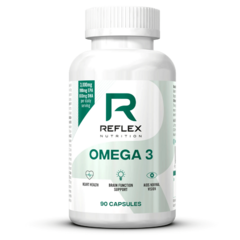
Reflex Omega 3

GymSupps Omega 3

Omega 3 240cps 1+1
Sources:
- 1) The Effects of Fish Oil on Cardiovascular Diseases: Systematic Evaluation and Recent Advances
- 2) Fish oil administration in older adults: is there potential for adverse events? A systematic review of the literature
No posts have been made yet.