





Lecithin in food: what contains the most of it?
 Author:
 In today's world full of information about healthy eating, we often come across terms such as antioxidants, vitamins or omega-3 fatty acids. One of the key but often overlooked heroes of cellular nutrition is lecithin. This fascinating substance is not just a mere dietary supplement, but a fundamental building block of life that is found in every cell of our body. At the same time, we encounter it in dozens of foods every day without even realising it. What exactly is lecithin? Why is it so essential to our health and which foods are the richest natural sources of it? In this article, we'll delve into the world of lecithin, reveal its secrets and show you how to easily enrich your diet with this valuable nutrient.
Article content:
- What is lecithin? More than just an emulsifier
- The two faces of lecithin: A body building block and a food helper
- Where to look for lecithin? The richest natural sources
- Health benefits backed by science
What is lecithin? More than just an emulsifier
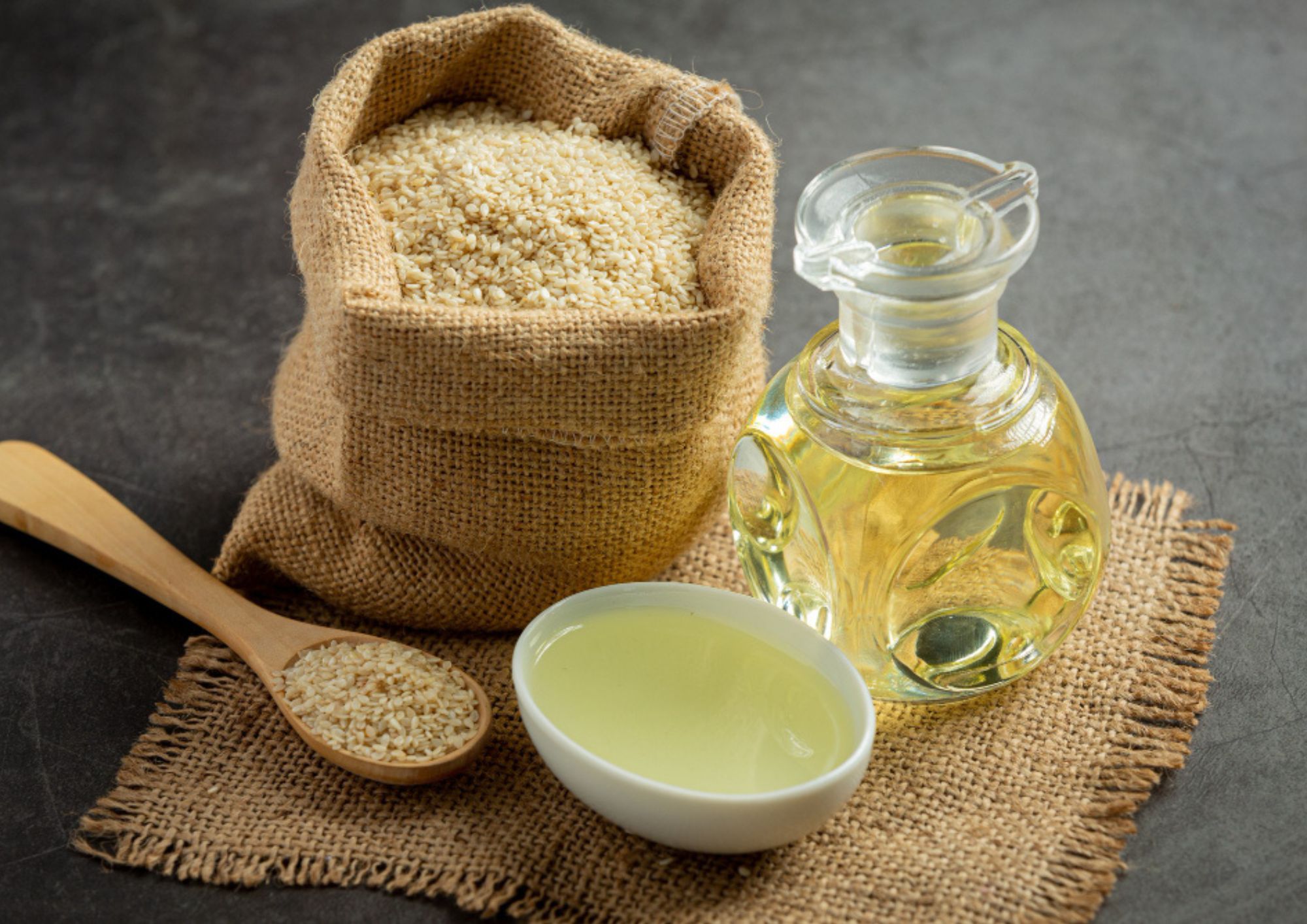
Chemically, lecithin belongs to a group of substances called phospholipids. Think of them as special fats that have one hydrophilic (water-loving) and one hydrophobic (water-repelling) end. This unique "amphiphilic" property allows them to form an interface between water and fats, which is crucial for many biological processes. It is because of this ability that lecithin acts as a natural emulsifier - a substance that can mix two normally immiscible liquids such as oil and water.
The most important component of lecithin that gives it most of its benefits is phosphatidylcholine. Choline is a nutrient essential for proper brain, liver and nervous system function. While our bodies can make choline in small amounts on their own, we depend largely on dietary intake for optimal health. Lecithin is therefore considered one of the best and most accessible sources of choline.
Its importance was recognized as early as the 19th century, when French chemist Théodore Gobley first isolated it from egg yolk. This is where its name comes from - the Greek word lekithos (λέκιθος) means "egg yolk".
.jpg)
The two faces of lecithin: A body building block and a food helper
Lecithin plays a dual role in our lives. On the one hand, it is an indispensable component of our cell membranes, where it regulates their permeability and ensures that nutrients get in and waste substances get out. On the other hand, it is one of the most widely used food additives in the world, bearing the designation E322.
Its emulsifying properties are used as an additive. It can be found in chocolate, where it prevents the cocoa butter from separating, in margarines, in baked goods to improve texture and shelf life, in instant drinks to improve solubility or in cooking sprays to prevent burning.
The most commonly used commercial source is soya lecithin. And here we come to the interesting question of safety and allergies. Soy is a known allergen. So should people with soy allergies avoid all products containing soy lecithin? A study published in the peer-reviewed journal Pediatric Allergy and Immunology looked at this very question in children with so-called non-IgE mediated soy allergy. In a double-blind, placebo-controlled study, the researchers found that the vast majority of these children tolerated soy lecithin at normal doses without any problems. This is due to the high degree of processing during which the lecithin is almost completely stripped of the problematic soy proteins that are the main trigger for allergic reactions.¹ This finding is important because it shows that the presence of lecithin in foods is generally very safe.
Where to look for lecithin? The richest natural resources
Although lecithin is present in many industrially processed foods, for maximum health benefits we should focus on its natural sources, where it is found in its purest and most complex form. So which foods are the richest in lecithin?
- Egg yolk: The absolute king and original source of lecithin. One large egg yolk can contain up to 2 grams of phospholipids, much of which is lecithin. It's no coincidence that eggs are often referred to as "brain food". Eating whole eggs (not just the whites) is one of the easiest ways to provide the body with quality lecithin and choline.
- Soybeans: As mentioned, soybeans are the main commercial source of lecithin. Whether in the form of cooked soybeans (edamame), tofu, tempeh or soy milk, all of these products are rich in lecithin. Soy lecithin is often extracted for use in dietary supplements.
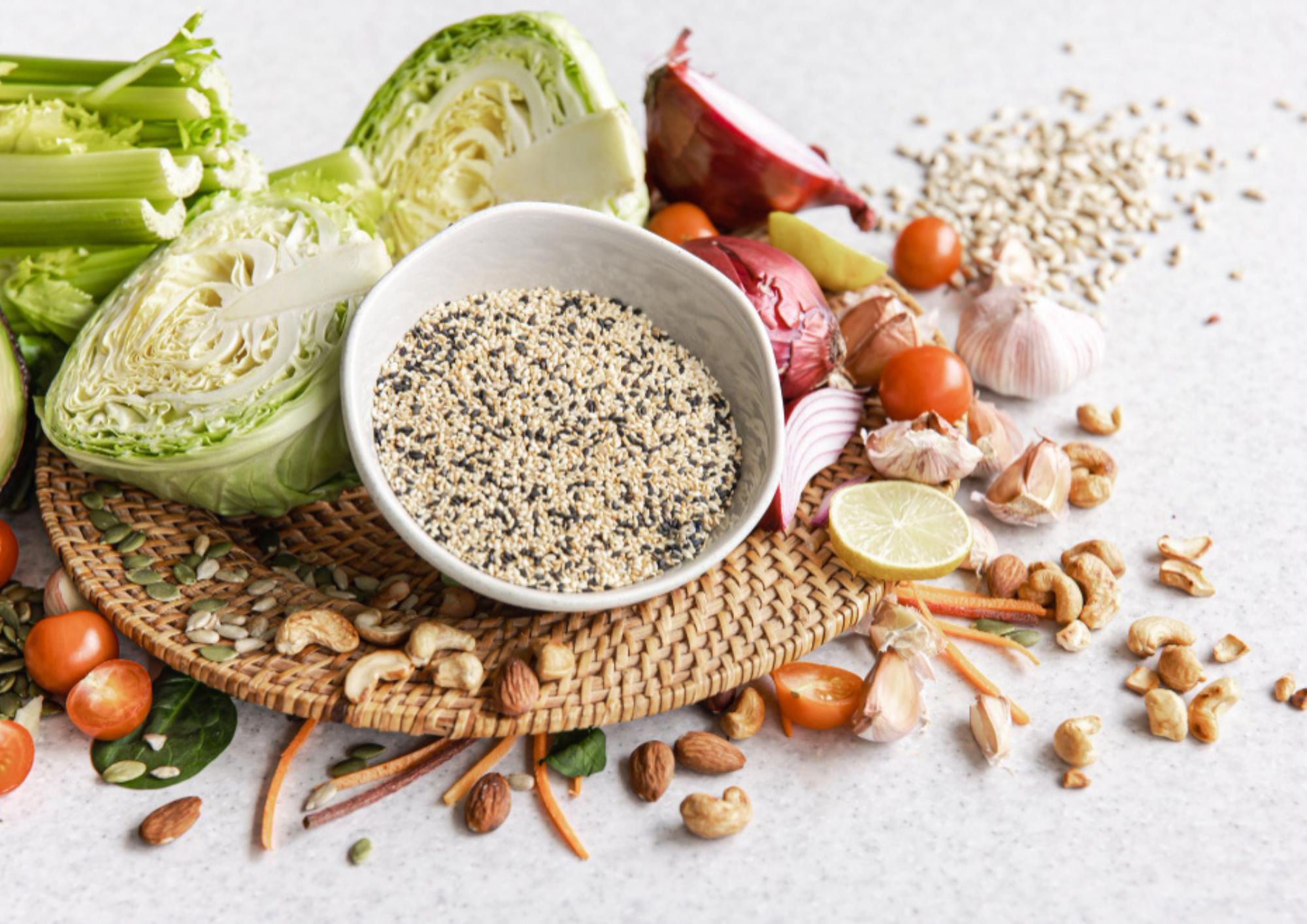
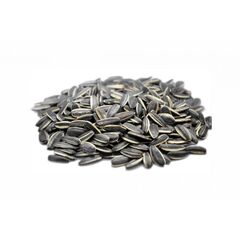
- Sunflower seeds: an increasingly popular alternative to soy. Sunflower lecithin is especially sought after by those who want to avoid soy because of allergies or concerns about genetically modified crops. Sunflower seeds themselves, as well as cold-pressed oil or butter made from them, are a great source. In addition, sunflower lecithin extract is obtained by a gentler cold-pressing method without the use of chemical solvents.
- Beef liver and tripe: Our ancestors knew well why tripe is such a prized food. Beef liver is literally a nutritional bomb and one of the most concentrated sources of lecithin and choline in nature. A regular, albeit small, portion of liver can contribute significantly to meeting the daily requirement of these substances.
- Wheat germ: The germ of a wheat grain is full of nutrients needed for the growth of a new plant. Wheat germ contains high amounts of fats, B vitamins, vitamin E and, of course, lecithin. You can add them to yogurts, smoothies or breakfast cereals.
- Peanuts: Peanuts and peanut butter are another tasty and readily available source. They provide not only lecithin, but also healthy fats, protein and biotin.
Health benefits backed by science
Adequate intake of lecithin, or choline, is associated with a number of health benefits:
- Cognitive support: Choline is a precursor to acetylcholine, a key neurotransmitter for memory, learning and concentration. Higher choline intake is associated with better cognitive performance and may play a role in preventing neurodegenerative disease.²
- Liver health: Lecithin helps emulsify fats in the liver and prevents their excessive accumulation, which can lead to non-alcoholic fatty liver disease (steatosis). It helps maintain healthy fat metabolism.
- Cardiovascular system: Due to its emulsifying ability, lecithin may help in cholesterol metabolism. Although the mechanism is not fully understood, some studies suggest that it may contribute to the maintenance of healthy blood lipid levels.³
- Breastfeeding support: Lecithin is sometimes recommended for breastfeeding mothers to reduce the viscosity of breast milk, which may help prevent milk duct blockage.
Conclusion.
Lecithin is much more than just the E322 on the label of your favorite chocolate. It's an essential nutrient that forms the basis of the health of our cells, brain and liver. Although it can be found in many processed foods, the key to harnessing its full potential is to focus on its rich natural sources.
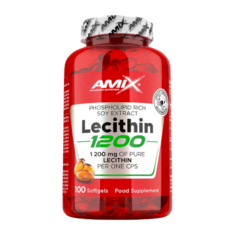
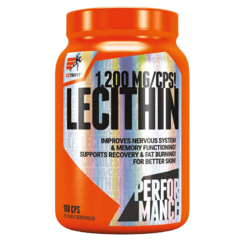
By including foods such as eggs, sunflower seeds, liver or soy products in your diet, you will take a significant step towards supporting your health. For those looking for targeted support or who have increased requirements, high quality dietary supplements with lecithin (such as from sunflower seeds) can be a great option. However, a varied and balanced diet that provides the body with a comprehensive spectrum of nutrients in their natural synergy is always essential.
Recommended
Sources:
- ¹ Venter, C., Maslin, K., Dean, T., Sommer, I., Lait, M., & Perkin, M. R. (2019). Tolerance of soy lecithin in children with non-immunoglobulin E-mediated soy allergy: A randomized, double-blind, cross-over trial. Pediatric Allergy and Immunology, 31(2), 161-167.
- ² Poly, C., Massaro, J. M., Seshadri, S., Wolf, P. A., Cho, E., Krall, E., Jacques, P. F., & Au, R. (2011). The relationship of dietary choline to cognitive performance and white-matter hyperintensity in the Framingham Offspring Cohort. The American Journal of Clinical Nutrition, 94(6), 1584-1591.
- ³ Mourad, A. M., de Carvalho Pincinato, E., Mazzantini, P., & et al. (2010). Influence of soy lecithin administration on hypercholesterolemia. Cholesterol, 2010, 824813.
No posts have been made yet.








