Protein Composition and Which Ones to Choose
 Author:
 Proteins are the fundamental building blocks of our bodies and play a key role in a number of bodily functions—from muscle repair and growth to supporting the immune system and regulating metabolism. When choosing a protein, it’s important to focus on its composition—specifically, its quality and source—which influence its biological value and effectiveness. In this article, based on scientific studies, we’ll explore different types of proteins, their composition, and tips on which protein to choose for various needs.
Article Contents:
- The Importance of Protein Composition
- Types of Proteins and Their Composition
- How to Choose the Right Protein?
- Practical Tips for Choosing and Using Protein
The Importance of Protein Composition
Protein composition is a key factor that determines how well a given protein supports muscle growth and recovery. Proteins are composed of amino acids, and essential amino acids must be obtained from food because the body cannot synthesize them. A high-quality protein should have a balanced ratio of these amino acids, which enables optimal muscle protein synthesis. For example, whey protein has a high biological value because it contains all essential amino acids in optimal proportions, making it an ideal choice for athletes who want to support muscle recovery and growth.
Types of Proteins and Their Composition
Whey Proteins: WPC, WPI, and WPH
Whey protein is an absolute classic that works great, but the mysterious abbreviations on the packaging can sometimes be unnecessarily confusing. In reality, it’s not rocket science—it all depends on how thoroughly the manufacturer has purified and filtered the whey.
Concentrate (WPC) – The Gold Standard
The absolute foundation is concentrate, which offers a solid 70 to 80% protein, while retaining a bit of fat and lactose (milk sugar). It’s precisely these natural components that are great news for your taste buds, because they give the concentrate a lovely creaminess and simply make it taste the best. Plus, it won’t break the bank. So, if you don’t have any digestive issues with milk, this is definitely the most sensible choice in terms of value for money, and it’s a product the vast majority of us can feel comfortable sticking with.
Isolate (WPI) – Pure Protein with No Extra Calories
If whey is filtered for a little longer, the result is whey isolate. It boasts a protein content of 85 to 90% and contains almost no fat or lactose. Although it tends to be a bit watery when mixed and costs more due to the more complex production process, you’ll especially appreciate it when you’re counting every gram on a strict diet, or if regular protein makes you bloated due to lactose intolerance.
Recommended

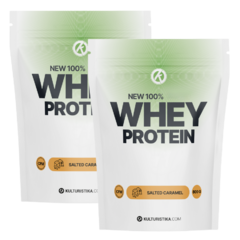
New 100% Whey Protein 800g 1+1
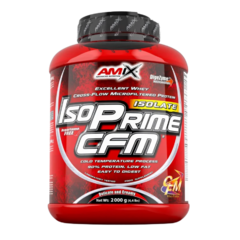
Amix Isoprime CFM
Hydrolysate (WPH) – A Quick Guide for Discerning Consumers
The highest level of processing is hydrolysate, which, simply put, is “pre-digested” protein. The body has practically no work to do with it because it’s already broken down into smaller particles during production and is delivered instantly straight to the muscles. However, it is by far the most expensive and often has a distinct, slightly bitter aftertaste. It’s therefore best suited primarily for professional athletes who train up to twice a day and need immediate recovery, or for people with extremely sensitive stomachs.
For the average person who works out a few times a week, these more expensive and purer versions don’t deliver the miracle results the price tag might suggest. Extremely fast absorption only matters in very specific situations. As long as you make sure you’re getting enough protein from regular meals throughout the day, even the most basic concentrate will serve you absolutely fantastically.
Casein
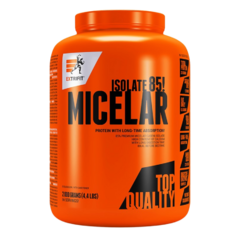
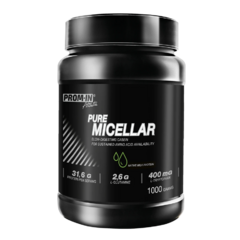
Casein is a slow-digesting protein that is released gradually and provides a long-lasting supply of amino acids. Casein also has a complete amino acid profile, but because of its slower absorption, it’s particularly suitable before bedtime so that your muscles have enough nutrients for recovery overnight. This property helps maintain an anabolic state and protect muscle mass from catabolism.
Recommended
Egg Protein
Egg protein is a high-quality source of protein that is suitable for people with lactose intolerance. The composition of egg protein is comparable to that of whey; it contains the full spectrum of essential amino acids and is an excellent source of bioactive peptides. Thanks to its high biological value, it supports muscle recovery and is a popular choice among athletes looking for an alternative to dairy proteins.
Recommended
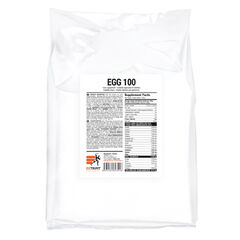
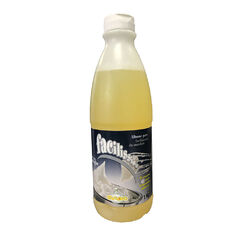
Eurovo Service Tekuté vaječné bílky
Plant-Based Proteins
Plant-based proteins, such as pea, soy, rice, and hemp protein, offer a suitable alternative for vegans and vegetarians. Although the composition of plant-based proteins may differ from that of animal sources, a complete amino acid profile can be achieved by combining various plant sources. High-quality plant-based proteins are also rich in fiber, antioxidants, and other bioactive compounds that support overall health and recovery.
Recommended
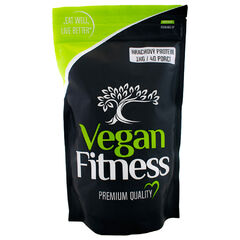
Vegan Fitness Hrachový Protein
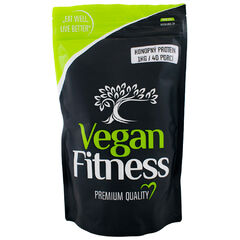
Vegan Fitness Konopný Protein
Multi-component proteins
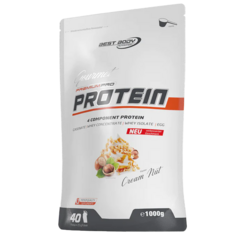
Multi-component proteins are blends containing different types of proteins with varying rates of absorption and release of amino acids into the body. They most often combine fast-absorbing proteins, such as whey protein, with slower-absorbing forms, such as casein or egg protein. This ensures a continuous supply of amino acids to the body over a longer period of time, thereby supporting muscle recovery, muscle growth, and the body’s overall recovery after physical exertion. Multi-component proteins are suitable not only after a workout but also as a dietary supplement throughout the day or before bed, when they help prevent catabolism and support long-term nutrition of muscle cells.

Quick Comparison: Which Protein Is Right for You?
| Protein Type | Protein Content | Absorption Rate | Lactose | When to Use It |
|---|---|---|---|---|
| WPC Concentrate | 70–80% | Fast | Yes, in small amounts | Versatile—anytime during the day; best value for money |
| WPI Isolate | 85–90% and higher | Fast | Minimum | For dietary use, for those with lactose sensitivity |
| WPH Hydrolysate | 90% and higher | Fastest | Minimum | After a strenuous workout, sensitive digestion |
| Casein | 70–85% | Slow | Yes | Before bed, longer breaks between meals |
| Egg | 80% and above | Medium | No | Alternative to dairy proteins |
| Plant-based | 70–85% | Medium | No | Vegan and vegetarian diets |
| Multi-ingredient | Depending on the composition | Combined | By composition | Versatile, suitable as a first protein |
Recommended
GymSupps XWhey Protein
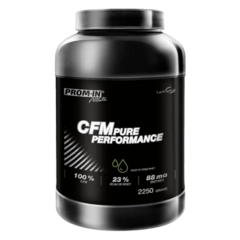
Prom-in CFM Pure Performance
How much protein do you actually need?
Before you dive into choosing the best flavor and type of protein, it’s a good idea to figure out how much protein you actually need each day. Don’t forget the most important rule: protein powder is still just a handy supplement to your regular meals, not a full-fledged replacement for them.
Daily Intake
Scientists looked into this in a truly extensive study and discovered something interesting. If you work out and want to build muscle or strength, the ideal amount is around 1.6 grams of protein per kilogram of your body weight per day. According to the data, anything beyond that won’t give your body any more “miracle” muscle. Putting this into practice, an average person weighing 80 kilograms needs to consume roughly 128 grams of protein per day from all meals and shakes combined.
One serving
Sports nutrition experts agree that the ideal single serving is about 0.25 grams per kilogram of body weight. In real life, that amounts to about 20 to 40 grams of protein per meal. The good news is that a single standard scoop of protein powder easily falls within this range.
Spreading It Out Throughout the Day
It’s not exactly ideal to just have one giant steak for dinner. You’ll benefit your body much more by spreading your protein intake evenly throughout the day, ideally about every three to four hours.
Timing Around Your Workout
You can put your worries aside here. The myth that you have to quickly down some protein within thirty minutes after a workout (the so-called “anabolic window”), or else your muscles won’t grow, has long been debunked. The effects of your workout continue for hours afterward. Whether you have a shake before your workout or later at home after a shower depends entirely on what works best for your stomach and daily routine.
Casein Before Bed
If you’re one of those people who likes to have a slow-digesting protein (casein) at night to fuel your body while you sleep, in

How to Choose the Right Protein?
When choosing a protein, there are several factors to consider that affect its effectiveness and suitability for your needs. It’s important that the protein’s composition aligns with your goals—whether you’re looking for quick recovery after a workout, support for muscle growth, or an alternative protein source for a vegetarian diet.
Selection Criteria
- Biological Value: The higher the biological value of a protein, the more effectively your body will utilize its amino acids. Whey protein and egg protein have a high biological value.
- Digestibility and Absorption: Fast-digesting proteins, such as whey, are ideal after a workout, while slower-absorbing proteins, such as casein, are suitable for long-term recovery support, such as before bed.
- Target audience: If you’re vegan, you should choose a high-quality plant-based protein. If you’re lactose intolerant, egg protein or plant-based options are more suitable.
- Additional Ingredients: Some protein supplements contain additional ingredients, such as vitamins, minerals, BCAAs, or glutamine, which can further support recovery and performance.
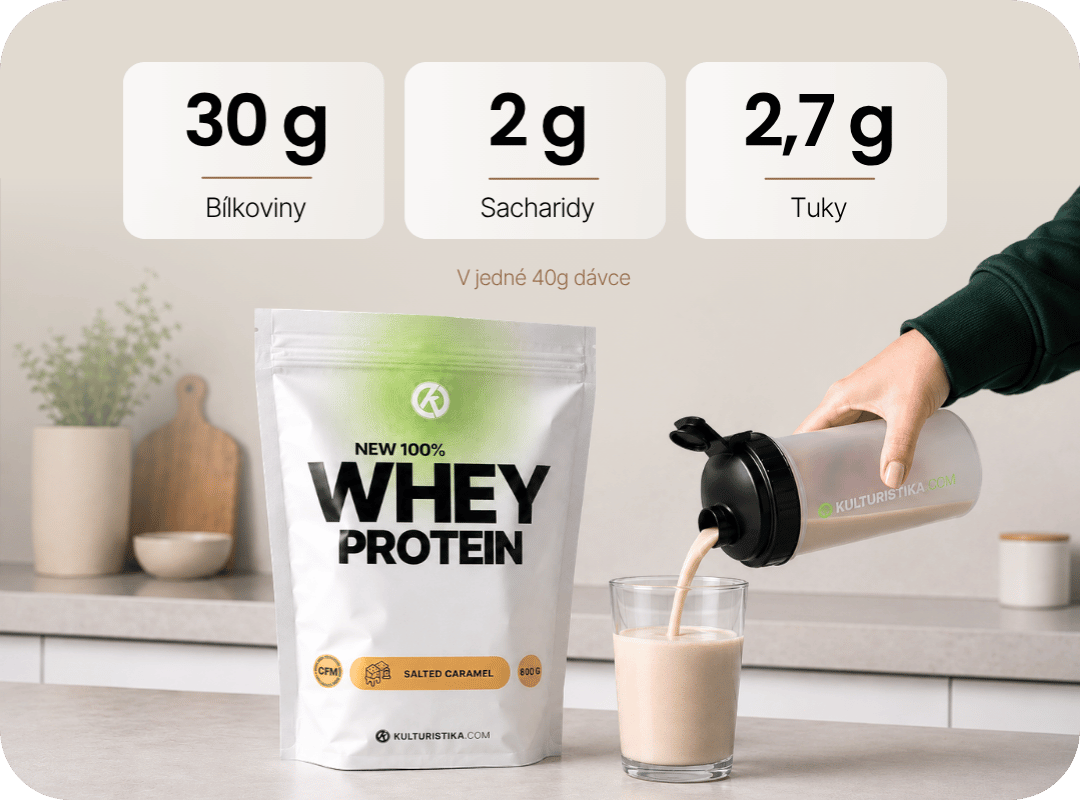
How to Read a Protein Label
Big numbers and catchy slogans on the front of the package usually mean nothing; the most important information is always on the back. When reading labels, it’s therefore worth knowing a few basic rules so you don’t get fooled.
Look at the values per 100 grams, not per serving
Manufacturers often play around with scoop sizes, so the only fair way to compare products is based on the values per 100 grams.
Check the order of ingredients
Ingredients are always listed in descending order by quantity. If a carbohydrate filler is right at the top of the list, you’re paying much more for protein than you realize.
Look for the specific protein source
The general label “whey protein” can, in practice, hide a concentrate, an isolate, or a mixture of both in any ratio whatsoever. High-quality brands will always tell you upfront and transparently exactly what their product contains and in what proportions.
Watch out for artificial inflation
Added free amino acids such as glycine, taurine, or glutamine artificially inflate the total nitrogen content. This artificially boosts the declared protein amount on the label, even though they don’t provide the same nutritional value to your body as complete protein. They aren’t harmful in and of themselves, but if there’s a whole bunch of them right at the top of the ingredient list, take that as a clear warning sign.
Calculate the price per gram of protein
To determine a product’s true value, divide the price of the entire package by the actual number of grams of protein it actually contains. You’ll often quickly discover that a cheaper package with a lower protein content will end up costing you more than one that seems more expensive at first glance.

Practical Tips for Choosing and Using Protein
- Try different types: Each type of protein has its own benefits. Experiment with whey, casein, and plant-based proteins to find out which one best suits your training routine and dietary preferences.
- Read labels and compare protein compositions: When shopping, check the ingredient list to see how many grams of protein are in one serving and what the ratio of essential amino acids is. Choose a product with at least 20–25 grams of high-quality protein per serving.
- Maintain a consistent daily intake. Before switching brands, first make sure you’re getting enough protein overall. Most people for whom “protein doesn’t work” have a problem with their total intake, not with their choice of product.
- Supplement your diet: Protein supplements should not replace a balanced diet. Make sure your diet includes plenty of fresh fruits, vegetables, healthy fats, and complex carbohydrates, which, together with protein, support overall health.
- Consult an expert: If you’re unsure which protein is right for you, consult a nutritionist or trainer who can help you tailor your supplementation to your individual needs and goals.
Frequently Asked Questions
- Do I have to take protein if I want to build muscle? No, you don’t. If you can meet your daily protein needs through your regular diet, protein powder won’t add any extra benefit. It’s a practical tool, not a requirement.
- Can I take protein on days when I don’t work out? Yes, and it makes sense to do so. What matters is your total daily protein intake, not whether you’ve just had a workout.
- What if I feel sick after drinking protein? Most often, this is due to the lactose in the concentrate. Try an isolate or hydrolyzate, or switch to egg or plant-based protein.
- Is protein suitable for women as well? Yes. Protein requirements are calculated the same way; it’s just that a lower body weight results in a lower absolute number.
- Does a high protein intake harm the kidneys? This has not been confirmed in healthy people. If you have been diagnosed with kidney disease, consult your doctor.
- Does excess protein turn into fat? Excess calories from any source can be stored as fat, but protein is the least likely culprit in this regard—it has a high thermic effect and is very filling. (This topic is covered in a separate article; see the link below.)
Conclusion
Choosing the right protein depends primarily on the product’s composition and your specific training needs. High-quality proteins, such as whey, casein, egg, or plant-based protein, can support muscle growth, recovery, and overall athletic performance. When making your selection, it’s important to focus on biological value, digestibility, and additional ingredients, all of which can influence how effectively your body utilizes the amino acids it receives.
In today’s fast-paced world, where convenience is just as important as quality, protein supplements offer a practical solution for meeting your protein needs. Remember that choosing the right product—based on high-quality ingredients—along with a balanced diet and a personalized approach, is key to achieving optimal results. Experiment, track your progress, and, if necessary, consult with experts to ensure your supplementation is as effective and safe as possible.

References:
- Ivy, J.L., et al. (2002). Nutrient timing: the means to improved exercise performance, recovery, and training adaptation. Journal of Sports Sciences.
- Kerksick, C.M., et al. (2017). International Society of Sports Nutrition position statement: Nutrient timing. Journal of the International Society of Sports Nutrition.
- Tipton, K.D., Wolfe, R.R. (2004). Protein and amino acids for athletes. Journal of Sports Sciences.
- Aragon, A.A., Schoenfeld, B.J. (2013). Nutrient timing revisited: Is there a post-exercise anabolic window? Journal of the International Society of Sports Nutrition.
- Jäger R, et al. International Society of Sports Nutrition Position Stand: protein and exercise. J Int Soc Sports Nutr. 2017. PMID 28642676
- Morton RW, et al. A systematic review, meta-analysis, and meta-regression of the effect of protein supplementation on resistance training-induced gains in muscle mass and strength in healthy adults. Br J Sports Med. 2018. PMID 28698222
- Ivy JL, et al. Nutrient timing: the means to improved exercise performance, recovery, and training adaptation. J Sports Sci. 2002 (keep if the mention of timing remains)
- Aragon AA, Schoenfeld BJ. Nutrient timing revisited: is there a post-exercise anabolic window? J Int Soc Sports Nutr. 2013 (keep—supports the claim about the anabolic window in Section 4)
No posts have been made yet.