Proteins after running: they're not just for bodybuilders
 Author:
 Running is one of the world's most popular sports - whether it's recreational endurance running, interval training or marathon preparation. However, it is often said that protein is mainly important for bodybuilders and strength athletes, while runners mainly need carbohydrates to replenish energy.
More recent research shows that protein after running is crucial not only for repairing muscle fibers, but also for overall recovery, maintaining healthy immune function, and supporting performance. This article takes a detailed look at the importance of protein for runners, how and when it is ideal to consume protein, and the scientific studies that support the importance of protein in the diet of endurance athletes.
Article content:
- Why should runners pay attention to protein intake?
- How much protein do runners need?
- Why focus on protein after running?
- Different forms of protein: What is best after running?
- Timing and strategies for protein intake after running
- Benefits of protein for runners
- Studies supporting the importance of protein after running
- How to choose the right protein after running?
Why should runners pay attention to protein intake?
Protein is the basic building block of muscle mass. They are involved in the regeneration of muscle fibers after exercise, the production of enzymes, hormones and the maintenance of immune function. Although runners do not need as high a dose of protein as bodybuilders, their intake should not be underestimated. Why?
- Muscle recovery: running, especially endurance running, causes microtrauma to muscle fibers that need to be repaired. Adequate protein intake speeds healing and minimizes the risk of overtraining or injury.
- Immune function: long and strenuous runs can temporarily weaken the immune system. Protein plays a key role in the production of antibodies and other immune components, helping to prevent disease and faster exhaustion1.
- Metabolic flexibility: Protein can increase satiety, regulate blood sugar levels and support the maintenance of a stable weight. This reduces the risk of excessive calorie intake, which is important for endurance runners.
- Prevention of catabolism: During a long run (for example, in marathon runners), the body can draw energy not only from fats and carbohydrates, but also from protein. If there is a deficiency of these in the diet, muscle breakdown can occur.

How much protein do runners need?
It is generally recommended that endurance athletes consume approximately 1.2-1.6 g of protein per kilogram of body weight per day2. This range can vary depending on training intensity, frequency of races and individual factors such as body composition or gender. For runners who combine endurance and strength training, protein intake may be slightly higher (around 1.4-1.8 g/kg/day). It is important to distribute protein evenly throughout the day to maximise muscle protein synthesis and promote recovery3.
Distribution of protein intake
- Breakfast: Include a source of good quality protein (e.g. Greek yoghurt, eggs, cottage cheese) along with carbohydrates and fats.
- Lunch: A balanced portion of meat, fish, legumes or plant-based protein sources (e.g. tofu, tempeh).
- Dinner: Combination of animal or vegetable protein, carbohydrates and vegetables for adequate micronutrient intake.
- Snacks and supplements: Protein drinks or bars between meals, especially after training, will ensure a continuous supply of amino acids.
Why focus on protein after running?
Many runners believe that after training, they need to replenish mainly carbohydrates to rebuild glycogen stores. While this is partially true, current research shows that combining carbohydrates with protein after training produces better results4. Protein after running increases muscle protein synthesis, speeds recovery and minimizes the risk of muscle damage. In addition, it helps maintain stable blood levels of amino acids, which reduces muscle tissue catabolism.
How does protein work after running?
- Promote protein synthesis: when running, there is microtrauma to muscle fibers that need to be repaired. Protein after training provides the body with amino acids, which leads to muscle repair and strengthening of muscle structure.
- Reduced recovery time: Protein contributes to faster recovery, allowing runners to train more frequently and intensely.
- Reduced muscle fatigue: Adequate intake of amino acids helps to neutralise free radicals and inflammatory processes in the muscles.
Different forms of protein: What is best after running?
Whey concentrate
Whey concentrate is economically available and contains around 70-80% protein. It is suitable for runners who want a quality source of amino acids with a slightly higher fat and carbohydrate content. Its absorption is relatively fast, but not as fast as isolate or hydrolysate.
Whey isolate
Isolate contains 90% or more protein, with fats and carbohydrates minimised. This form is absorbed faster, making it ideal for immediate muscle recovery. For runners who want to replenish amino acids as quickly as possible, whey isolate is an excellent choice.
Hydrolyzed whey protein
Hydrolysate is a pre-digested form of protein that allows for even faster absorption. It is therefore suitable for situations where an immediate supply of amino acids is necessary, for example after a very intense or long run. Its disadvantages may be its higher price and possibly more bitter taste.
Multi-ingredient protein
Products that combine multiple forms of whey offer a synergistic effect - a rapid and gradual delivery of amino acids. This is advantageous for runners of all levels who want to cover the different phases of post-workout recovery. The fast-absorbing component covers the acute need for protein, while the isolate and concentrate provide amino acids over a longer period of time.

Recommended
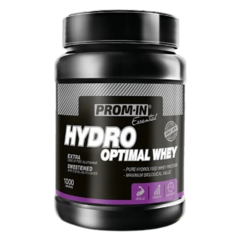
Prom-in Optimal Hydro Whey
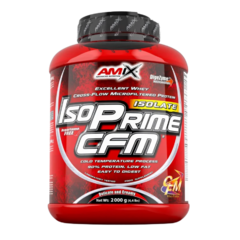
Amix Isoprime CFM

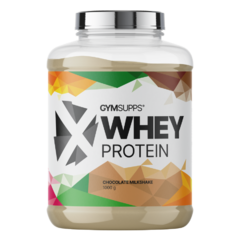
GymSupps XWhey Protein
Timing and strategy of protein intake after running
According to a study published in the Journal of the International Society of Sports Nutrition, it is advisable to consume protein within 30-60 minutes after training, the so-called anabolic window, when muscles are most sensitive to amino acid intake4. However, even later protein intake is not without significance. If you fail to replenish protein immediately after running, it is still useful to consume it within a few hours afterwards to support long-term recovery.
Practical tips
- Combine protein and carbohydrates: for optimal post-run recovery, mix a protein drink with a fast-digesting carbohydrate (e.g. banana) to replenish glycogen stores and promote muscle protein synthesis.
- Take advantage of nighttime recovery: take protein before bedtime to keep blood amino acid levels stable during the night, a period of intense muscle recovery.
- Beware of overtraining: high workloads can increase the risk of weakening the immune system. Adequate protein intake promotes the production of antibodies and aids faster recovery.
The benefits of protein for runners
- Improved recovery: Adequate protein intake reduces the time needed for recovery, reduces the risk of overtraining and improves the quality of training.
- Promote muscle growth: Although runners may not seek to increase bulky muscle mass, quality muscle mass is essential for strength, speed and injury prevention.
- Stable amino acid levels: regular doses of protein throughout the day help maintain a positive nitrogen balance and increase the anabolic environment.
- Weight control: Protein has a higher satiating effect than carbohydrates or fats, which can help control calorie intake and prevent unwanted weight gain.

Studies supporting the importance of protein after running
- Ivy et al. (2002) - Nutrient timing: this study highlights the importance of proper timing of nutrient intake to improve performance and speed recovery1.
- Kerksick et al. (2017) - ISSN position stand: recommends a combination of carbohydrate and protein within 30-60 minutes after training to maximise muscle protein synthesis2.
- Tipton & Wolfe (2004) - Protein and amino acids for athletes: the authors point to the key role of amino acids in muscle fibre recovery and repair, which is also relevant to endurance athletes3.
- Aragon & Schoenfeld (2013) - Nutrient timing revisited.
How to choose the right protein after running?
- Focus on ingredients: look for products with minimal added sugars and fats. Isolates or hydrolysed proteins are ideal for fast recovery.
- Look for quality: look for certifications, reputable manufacturers and transparent labels to make sure the product contains the declared amount of protein.
- Taste and digestibility: If you don't like the taste of the protein or it causes you digestive problems, you may not be able to use it regularly. Choose flavours that suit you and watch your body's reaction.
- Combinations with other supplements: protein can be combined with creatine, BCAAs or glutamine, which also support recovery and performance.
Conclusion
Adequate protein intake is also essential for endurance athletes seeking rapid recovery, muscle maintenance and long-term performance improvement. High-quality protein after running helps replenish amino acids and reduces the risk of catabolism, which is crucial for anyone seeking to steadily develop their athletic abilities.
Studies suggest that the combination of fast digesting (e.g. hydrolyzed) and slower releasing (concentrate, isolate) forms of protein provides a synergistic effect. Adding carbohydrates to protein post-workout improves glycogen replenishment, while regular doses of protein throughout the day maintain a positive nitrogen balance and promote an anabolic environment in the body. Also remember to eat a balanced diet with plenty of fruits, vegetables and whole grains, and consult a nutritionist if you have specific goals or health restrictions. So protein supplementation is not just the domain of bodybuilders - it can also help runners to recover faster, reduce fatigue and improve performance in the long term.
Recommended
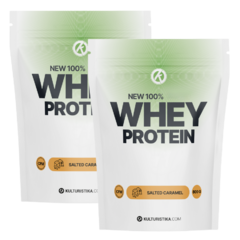
New 100% Whey Protein 800g 1+1
GymSupps XWhey Protein
Links to studies
- 1) Ivy, J.L., et al. (2002). Nutrient timing: the means to improved exercise performance, recovery, and training adaptation. Journal of Sports Sciences.
- 2) Kerksick, C.M., et al. (2017). International Society of Sports Nutrition position stand: nutrient timing. Journal of the International Society of Sports Nutrition.
- 3) Tipton, K.D., Wolfe, R.R. (2004). protein and amino acids for athletes. Journal of Sports Sciences.
- 4) Aragon, A.A., Schoenfeld, B.J. (2013). Nutrient timing revisited: is there a post-exercise anabolic window? Journal of the International Society of Sports Nutrition.
No posts have been made yet.