





Peanut butter | Is it really such a miracle? And which one to choose?
 Author:
 Peanut butter is experiencing a huge surge in popularity and it's no wonder. Many people find it to be an absolutely great source of fat, plus it can be used in baking, sweet and savoury dishes and you'll never go wrong with it. To make matters worse, manufacturers often combine peanut butter with different types of chocolate, crisps or even salted caramel to ensure an irresistible taste. But what is the health impact of peanut butter? Are there also any negatives to eating it? That's what we'll look at in today's article.
Peanuts are not nuts!
Many people live under the assumption that peanuts are nuts, like almonds, cashews or pistachios. But this is not true, the peanut is the seed of the groundnut and is therefore a legume. Peanuts are now primarily grown in China, India, Nigeria and the United States, but with a little effort they can be grown here too. After harvesting, which usually takes place in the autumn, they are simply dried and if you have a powerful blender, it is possible to make homemade peanut butter. Good quality peanut butter usually contains peanuts and peanuts only - no other ingredients need to be added.
And if regular (unflavored) peanut butters contain palm oil or solidified vegetable fats, stay away from them, as this is a sign of inferior quality. If the palm oil or fats are found in the chocolate in the butter used, it means that the amount is only relatively small and it doesn't really matter. Even so, butters completely free of palm oil or solidified fats are better. However, this can vary from product to product, so we recommend relying on verified brands or checking the ingredients before buying.
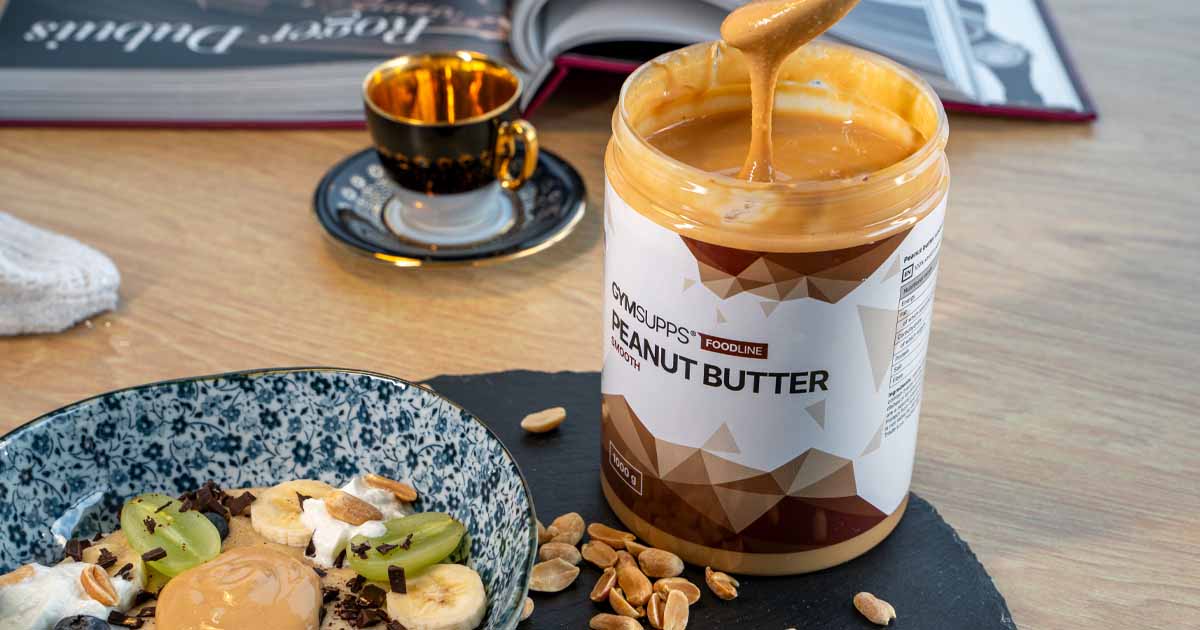
Although many people think of peanuts as nuts, they are actually a legume.
What are the negatives of peanuts? Are peanuts any better?
In the first paragraph, we made it clear that peanuts are not nuts, but a legume, and there are a number of other factors related to this. In fact, frequent consumption of nuts has (besides a huge number of positives) also major negatives, such as:
- The antinutrient content - nuts contain relatively high levels of phthalates and oxalates, which can prevent the proper use of calcium, magnesium, zinc or iron.
- Allergenic food - an allergy to nuts can develop at any time in life and, unlike legumes, the substances behind the development of an allergy are not destroyed by cooking.
- Amount of Omega 6 - as we addressed in a separate article, it is important for overall health to maintain an optimal ratio between omega 3 and omega 6. And regular overconsumption of nut butters can tip this balance.
When it comes to peanuts, of course, they too have their pitfalls. As a legume, they also contain some antinutrients (many different from those in nuts) and a number of omega 6 fatty acids, but they don't often cause allergic reactions. And they contain different vitamins and minerals. So we can definitely recommend swapping nut butters for peanut butters from time to time.
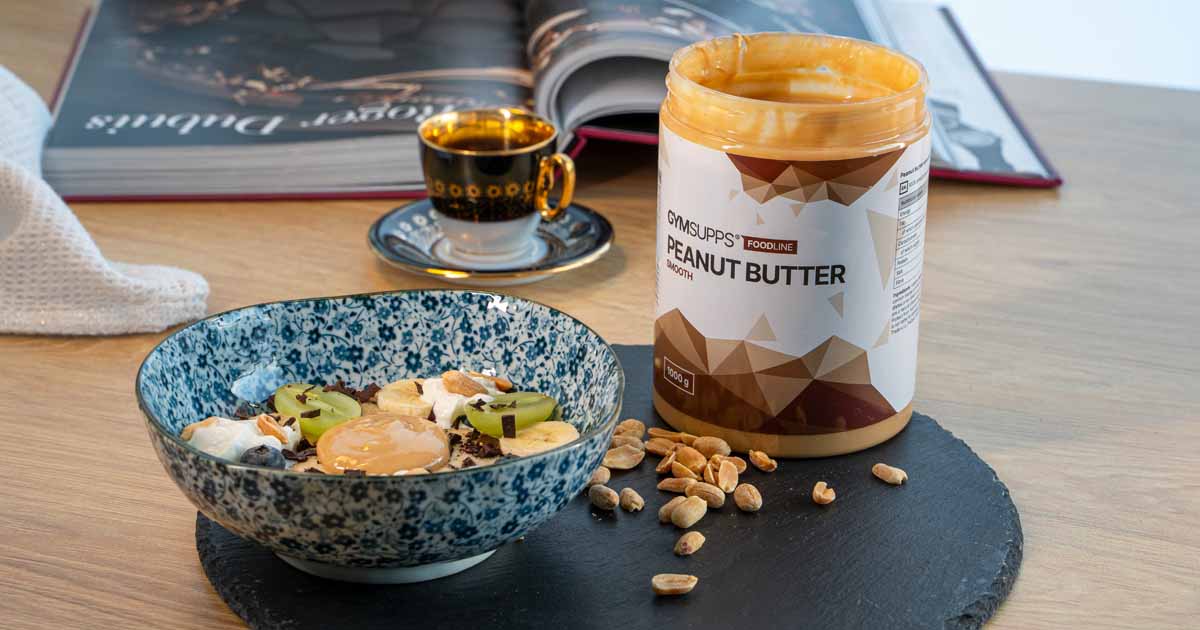
Peanuts have a different nutritional profile compared to nuts.
What are the benefits of peanuts?
Peanuts, or rather the substances contained in them, have a huge number of benefits, so it is definitely a good idea to include them in your diet from time to time. So why include peanuts in your diet at all?
- Preventing the onset of type II diabetes - peanuts are a source of unsaturated fatty fats which, when combined with an active lifestyle and a balanced diet, have been shown to be an effective method of reducing insulin sensitivity, thereby preventing the onset of diabetes.
- Source of antioxidants - peanuts themselves are quite rich in antioxidants, which generally reduce the activity of oxygen radicals. One of the many that are really worth mentioning is resveratrol, which is mainly known from red wine. But what is also interesting is that the available findings suggest that the antioxidant content will increase even more.
- Replenish protein - as 100 grams of peanut butter contains up to 30 grams of protein, you can use it to enrich, for example, wholemeal bread and create a filling snack.
- They help you gain weight - if you're going to lose weight, you need to be very careful with peanut and nut butters. However, many athletes address the fact that they can't gain weight, which we also addressed in a separate article. Rest assured that adding peanut butter to various smoothies or porridges will give you a hefty serving of calories.
- It's filling - you'd be hard pressed to find a food as filling as peanut butter. Many of us just need one spoonful and they'll stop craving and never even think about being hungry.
Are peanut butters really such a miracle?
Peanut butters are a really tasty snack rich in fat, protein and antioxidants. But you've probably noticed that our article, unlike many other articles about peanut butter, doesn't mention any specific spectrum of vitamins and minerals that peanuts contain. While peanuts are indeed extremely rich in micronutrients, roasted peanuts must be used to make the butter, and it is the roasting process that largely eliminates the beneficial content. So whether you buy peanut butter or just salted peanuts in the supermarket, don't expect a vitamin load. A tasty snack full of protein, fat and antioxidants does.
Which peanut butter do we recommend?
There are dozens, if not hundreds, of peanut butters on the market and it can be really hard to know your way around. That's why it's worth giving you a short recommendation at the end of today's article:
- Powdered peanut butter - this type of butter has become extremely popular in the last few years. The fat from the peanuts is squeezed out to be used as vegetable oil, for example, and the peanut residue is dried and ground into an instant powder. In this way, they retain the fully authentic peanut flavour, but with a bare minimum of fat. An ideal option for bodybuilders on a diet.
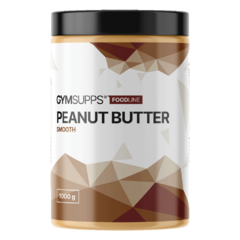
- Unflavoured peanut butter - if you are choosing a butter without any chocolate or other flavouring, we always recommend choosing 100% peanuts. No palm oil, salt or sweeteners have any place in such a product. You can choose between smooth butter and crunchy butter.
- Flavoured peanut butter - if you're looking for flavoured peanut butters, you're sure to find one in our shop.
What to take away from today's article?
The main thing you should take away from today's article is that peanut butter is definitely not a miracle food as it is often presented. But it is still a very nutritious snack rich in protein, fat and various antioxidants. Most importantly, it tastes great. So whether you're looking for a healthy addition to your baked goods or wondering how to increase your calorie intake without radical intervention, we can only recommend peanut butter.
Recommended
No posts have been made yet.








