Omega-3s and their effects on skin and hair
 Author:
 In the fitness and healthy lifestyle community, we focus on performance, strength and muscle recovery. We count macros, optimize training plans and look for supplements to help us achieve our next personal best. In doing so, we often forget that true health shows up not only in performance, but also on the outside. Healthy, clear skin and strong, thick hair are a reflection of inner balance and optimal nutrition. This is where omega-3 fatty acids come in - nutrients that deserve your attention not only for heart and brain health, but as a key ally in taking care of your appearance.
Article Content:
- What are omega-3 fatty acids anyway?
- Omega-3s and Skin.
- The Effect of Omega-3s on Hair Health and Growth
- Practical summary and recommendations
What are omega-3 fatty acids?
Before we get to the actual effects, let's briefly recap what we're talking about. Omega-3 fatty acids are polyenoic (formerly called polyene) unsaturated fatty acids that are essential for the human body. This means that we cannot make them ourselves and must take them from our diet. The three most important are:
- Alpha-linolenic acid (ALA): found in plant sources such as flaxseeds, chia seeds and walnuts. The body can convert it into EPA and DHA, but this process is very inefficient.
- Eicosapentaenoic acid (EPA): found primarily in oily marine fish and seaweed. It is known for its powerful anti-inflammatory effects.
- Docosahexaenoic acid (DHA): Also found in oily fish, it is crucial for the structure of cell membranes, especially in the brain and retina.
EPA and DHA are most important for effects on skin and hair due to their direct involvement in cellular processes and inhibition of inflammation.
Omega-3s and skin: a scientific perspective on hydration and protection
The skin is our largest organ and first line of defense against the outside world. Its health and appearance depend on the integrity of the skin barrier, its level of hydration and the body's ability to control inflammation. Omega-3s play a vital role in all of these areas.
1. Strengthening the skin barrier and hydration
DHA and EPA are key components of the phospholipid bilayer that makes up the membrane (envelope) of every skin cell. Think of them as high quality, flexible bricks in the cell wall. Adequate amounts of omega-3s in the membranes help keep skin strong yet supple. This prevents excessive water loss (called transepidermal water loss), which leads to better hydration, softness and a reduction in the appearance of dry, flaky patches. A review article published in Marine Drugs highlights this structural function of fatty acids for both cosmetic and therapeutic skin applications.1
2. A powerful weapon against inflammation: acne, eczema and psoriasis
Chronic inflammation is the common denominator of many skin problems. Athletes may be more prone to inflammation due to the physical stress of training. Omega-3s, especially EPA, have a strong anti-inflammatory effect. They limit the production of substances (such as pro-inflammatory prostaglandins and leukotrienes) that trigger and maintain inflammatory processes.
- Acne: Although acne is multifactorial, inflammation plays a key role in the formation of painful pimples. Studies suggest that omega-3 supplementation may lead to a reduction in both inflammatory and non-inflammatory acne lesions.2
- Atopic dermatitis (eczema) and psoriasis: These autoimmune diseases, characterized by dry, itchy and inflamed skin, show the therapeutic potential of omega-3. They help alleviate symptoms precisely because of their ability to dampen the inflammatory response of the immune system in the skin.3
3. Protection from the sun from within
Research also shows that omega-3s can increase the skin's resistance to UV damage. This is not a replacement for sunscreen, but rather a supplemental protection at the cellular level. They help reduce sun sensitivity and reduce the inflammatory reaction (redness) after sun exposure. This phenomenon is called "intrinsic photoprotection" and is one of the actively researched benefits of omega-3s in dermatology.2
Effect of Omega-3 on hair health and growth
While the association of omega-3s with the skin is already fairly well documented, their effect on hair is a newer but all the more interesting area of research. The hair follicle is a complex mini-organ whose activity is sensitive to inflammation and the nutritional status of the body.
A key study in this area is a prospective, randomized trial published in the Journal of Cosmetic Dermatology that examined the effects of a dietary supplement on hair loss in women.4 Participants took a supplement containing omega-3, omega-6, and antioxidants for six months. The results were remarkable:
- Reduced hair loss: Women taking the supplement experienced a significant reduction in hair loss.
- Improvement in hair density and diameter: The number of hairs in the active growth (anagen) phase increased significantly, as did the diameter of the hair fiber.
Although this study used a combination of substances, the authors attribute much of the success to the anti-inflammatory effects of essential fatty acids. Inflammation around the hair follicle is thought to be one of the factors that can disrupt the hair growth cycle and lead to premature hair loss. By dampening this micro-inflammation, omega-3s can create a more favorable environment for healthy and strong hair growth.
Other research, albeit conducted in mice, suggests that a diet rich in certain types of fats (in this case fish oil) may influence the mechanisms associated with hair loss.5 This opens the door for further investigation and confirms that nutrition plays a significant role in alopecia (hair loss).

Practical summary and recommendations
Scientific evidence clearly shows that omega-3 fatty acids are highly beneficial for skin and hair health. They are not a miracle cure, but an essential building block and regulator that supports the body's natural functions.
How to supplement them effectively?
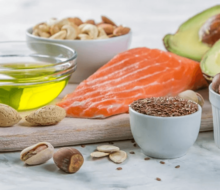
- Diet in the first place: Include oily marine fish (salmon, mackerel, sardines, herring) in your diet at least twice a week. Freshly ground flaxseeds, chia seeds and walnuts are great plant sources of ALA.
- A quality dietary supplement: to achieve therapeutic doses, especially if you do not eat fish regularly, supplementation is a sensible option. Look for supplements made from high-quality, purified fish oil (or seaweed oil for vegans) that clearly state the EPA and DHA content per serving. For overall skin health and support, a combined daily dose of EPA and DHA between 500-2000 mg is often recommended.
An investment in omega-3s is an investment in overall health. As athletes, you know that the details matter. And healthy, resilient skin and strong hair are details that perfectly complement a body image that is well cared for - inside and out.
Recommended
Prom-in Native Omega 3
Reflex Omega 3

GymSupps Omega 3

Omega 3 240cps 1+1
Sources:
[1]Huang, T. H., Wang, P. W., Yang, S. C., Chou, W. L., & Fang, J. Y. (2018). Cosmetic and Therapeutic Applications of Fish Oil's Fatty Acids on the Skin. Marine drugs, 16(8), 256.[2]Thomsen, B. J., Chow, E. Y., & Sapijaszko, M. J. (2020). The Potential Uses of Omega-3 Fatty Acids in Dermatology: A Review. Journal of cutaneous medicine and surgery, 24(5), 481-494.[3]Balic, A., Vlašić, D., Žužul, K., Marinović, B., & Bukvić Mokos, Z. (2020). Omega-3 Versus Omega-6 Polyunsaturated Fatty Acids in the Prevention and Treatment of Inflammatory Skin Diseases. International journal of molecular sciences, 21(3), 741.[4]Le Floc'h, C., Cheniti, A., Connétable, S., Piccardi, N., Vincenzi, C., & Tosti, A. (2015). Effect of a nutritional supplement on hair loss in women. Journal of cosmetic dermatology, 14(1), 76-82.[5]Lee, Y., Kim, S. J., Kim, S., Park, G., Kim, J. Y., Lee, J. S., Kang, D., & An, S. (2022). Consumption of fish oil high-fat diet induces murine hair loss via epidermal fatty acid binding protein in skin macrophages. The Journal of nutritional biochemistry, 111, 109187.
No posts have been made yet.