Omega-9 fatty acids and their effects
 Author:
 In recent decades, the media and scientific studies have focused primarily on omega-3 and omega-6 fatty acids, and with good reason. These polyunsaturated fats are essential for our bodies, which means we cannot make them ourselves and must take them in through food. However, behind the scenes, often overlooked, stand the equally important omega-9 fatty acids. Although they are not essential - our bodies can synthesize them - they play a key role in maintaining optimal health, and getting enough of them from food provides a number of benefits. Let's delve deeper into the world of omega-9 fatty acids and discover their fascinating effects.
Contents:
- What are omega-9s?
- What are omega-9 fatty acids?
- How to incorporate more omega-9 into your diet?
- Conclusion
What are omega-9 fatty acids and where can we find them?
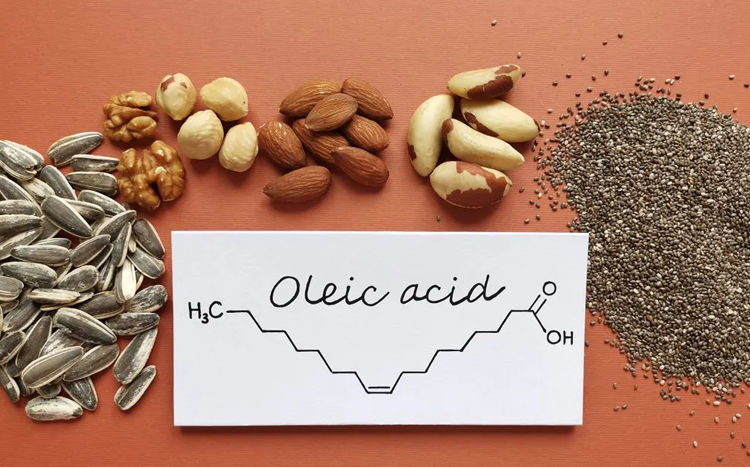
Omega-9 fatty acids are monounsaturated fatty acids (MUFAs). This means they have only one double bond in their carbon chain. Their name "omega-9" refers to the position of this double bond, which is located on the ninth carbon from the end (omega end) of the molecule.
The best known and most widely used omega-9 fatty acid is oleic acid. It makes up a significant portion of the content in many vegetable oils and fats. Among its richest sources are:
- Olive oil: The king of Mediterranean cuisine and one of the best sources of oleic acid. Extra virgin olive oil is especially prized for its high content of antioxidants and polyphenols, which work synergistically with omega-9.
- Avocado oil and avocados: Another excellent source high in oleic acid and vitamin E.
- Canola oil: It is rich in oleic acid and also contains omega-3 fatty acids.
- Macadamia oil: An exotic oil very high in oleic acid.
- Almond and almond oil: Popular nuts and their oil are also a good source.
- Peanuts and peanut oil: Contain significant amounts of oleic acid.
- Sesame oil: Typical of Asian cuisine, is also a good source.
- Hazelnuts: A tasty and healthy snack containing omega-9.
In addition to oleic acid, there are other omega-9 fatty acids such as erucic acid (found in mustard, for example) or nervonic acid (important for brain function), but oleic acid is by far the most studied and represented in the general diet.

Health effects of omega-9 fatty acids
Although they are not essential, their role in the human body is significant and their sufficient intake provides a range of proven benefits:
1. Cardiovascular health
This is probably the most researched area of the effects of omega-9 fatty acids, especially oleic acid. Due to their monounsaturated structure, they contribute to:
- Lowering "bad" LDL cholesterol: Oleic acid helps to lower levels of low-density lipoprotein (LDL), which is a major culprit in atherosclerosis and heart disease.
- Increasing "good" HDL cholesterol: It can also help raise levels of high-density lipoprotein (HDL), which helps remove cholesterol from the arteries.
- Lowering blood pressure: Some studies suggest that regular consumption of omega-9-rich foods may help lower both systolic and diastolic blood pressure.
- Anti-inflammatory effects: Chronic inflammation plays a key role in the development of heart disease. Omega-9 fatty acids, and in particular the polyphenols found in good quality olive oil, have strong anti-inflammatory properties.
These effects are one of the reasons why the Mediterranean diet, rich in olive oil, is considered one of the healthiest diets for the heart.
2. Blood sugar control and insulin sensitivity
Omega-9 fatty acids may play a role in regulating blood sugar levels and improving cellular sensitivity to insulin. This is especially important for people with type 2 diabetes or those at risk of developing it. Improved insulin sensitivity means that cells use glucose from the blood more efficiently, leading to more stable sugar levels.

3. Supporting brain function and mental health
Although omega-3 fatty acids are generally associated with brain health, omega-9s also contribute to optimal brain function. Nervonic acid, a lesser-known omega-9, is an important component of the myelin sheaths of nerve cells, which are crucial for the rapid transmission of nerve impulses. Adequate intake of omega-9 can:
- Improve cognitive function: some research suggests a link between higher MUFA intake and better memory and cognitive ability in old age.
- Promote mental well-being: Because of its anti-inflammatory effects and support for healthy blood vessels that supply the brain, omega-9s may indirectly contribute to reducing the risk of depression and anxiety.
4. Skin and hair health
Omega-9 fatty acids are also beneficial for external beauty. They are an important component of sebum, a natural barrier that protects the skin from dehydration and external influences.
- Skin hydration: they help keep skin supple and elastic, reducing dryness and irritation.
- Anti-aging: Antioxidants present in omega-9 rich oils (such as olive oil) protect the skin from free radical damage that contributes to premature aging.
- Healthy hair: They nourish the hair follicles and give hair shine and strength.
5. Anti-inflammatory effects
As mentioned, omega-9 fatty acids have anti-inflammatory properties. Chronic inflammation is the basis of many diseases of civilization, including heart disease, autoimmune disorders, and some cancers. Consuming foods rich in omega-9 can help reduce systemic inflammation in the body.
Recommended
Extrifit Omega 3-6-9

Wolfberry Lněný olej

GymSupps Omega 3

Omega 3 240cps 1+1
6. Immune system support
Indirectly, omega-9 fatty acids can support the immune system. Healthy fats are crucial for the proper functioning of cell membranes, which are the foundation of all immune system cells. In addition, anti-inflammatory effects contribute to the overall balance of immune responses.
How can I incorporate more omega-9 into my diet?
Incorporating omega-9 fatty acids into your diet is relatively simple, as they are widely available in common foods. The key is to focus on quality sources and use them in moderation, as all fats are energy-dense.
- Replace: Replace saturated and trans fats (which are found in fatty meats, butter, fried foods and processed foods) with monounsaturated fats.
- Olive oil: Use extra virgin olive oil as the main fat for cooking, salad dressings and marinades.
- Avocado: Add avocado to salads, sandwiches, smoothies or mash it on toast.
- Nuts and seeds: Include almonds, cashews, hazelnuts and macadamia nuts in your diet as a snack or addition to meals.
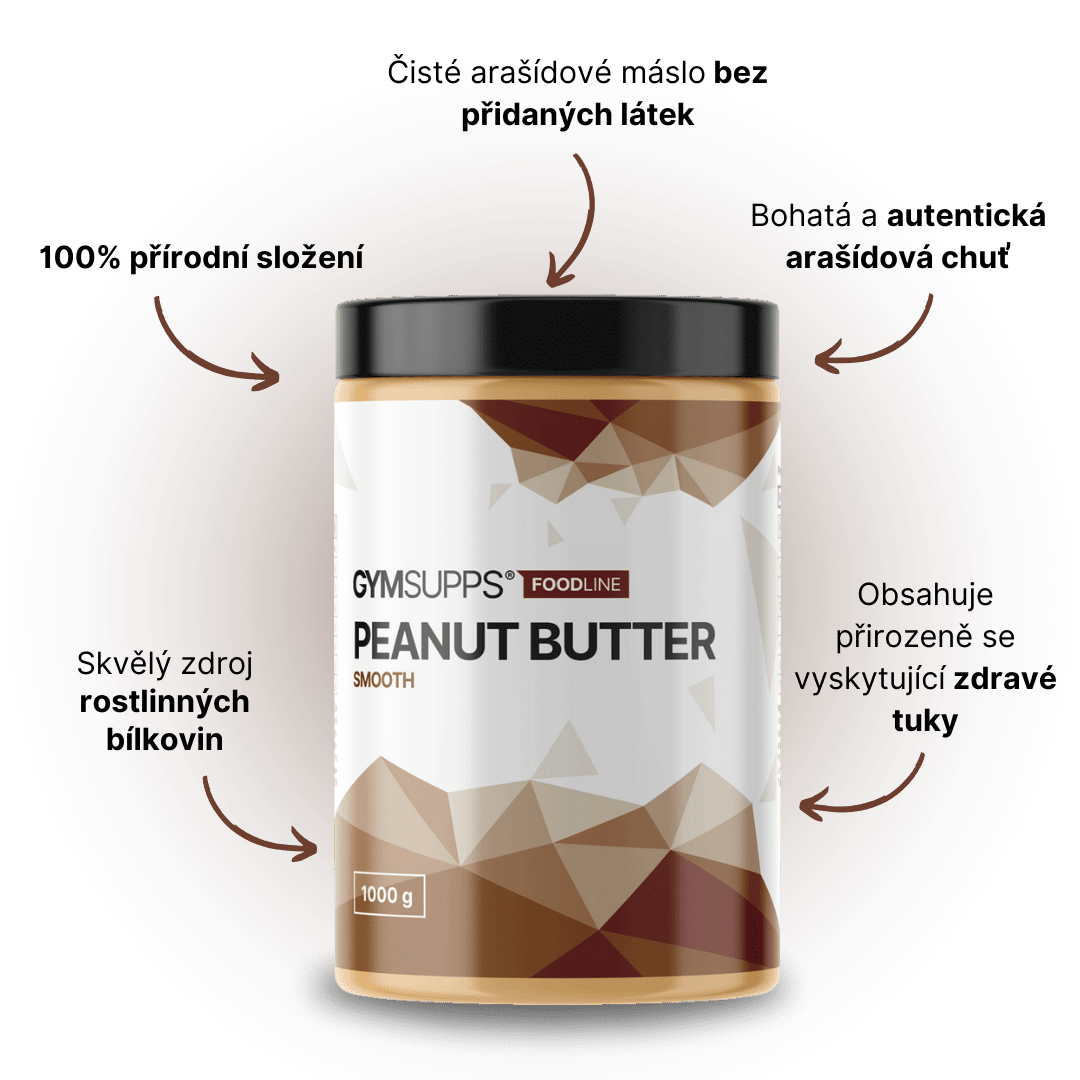
- Peanut butter: Choose natural peanut butter without added sugar or hydrogenated fats.
- Vegetable oils: Use good quality canola, high oleic sunflower or sesame oil.
Balance is key
Although omega-9 fatty acids are beneficial, it is important to remember that optimal health requires a balanced intake of all types of fats:
- Omega-3: Essential and often deficient, essential for anti-inflammatory processes and brain health. Sources: oily fish (salmon, mackerel), flaxseeds, chia seeds.
- Omega-6: Also essential, but often consumed in excess in the Western diet, which can promote inflammation. Sources: sunflower, corn, soybean oil. It is important to maintain a healthy ratio of omega-3 to omega-6.
- Omega-9: As described, our bodies can make them, but there are many benefits to dietary intake.
- Saturated Fats: Moderate consumption is fine, but excessive intake can raise LDL cholesterol. Sources: animal fats, coconut oil.
- Trans Fats: Man-made fats that are highly harmful and should be eliminated from the diet completely. They are found in many processed and fried foods.
Conclusion
Omega-9 fatty acids, especially oleic acid, are quiet but extremely important players in the orchestra of healthy fats. Their positive effects on the cardiovascular system, blood sugar regulation, brain function, skin and anti-inflammatory processes are well documented. By including quality sources of omega-9 in your daily diet - such as extra virgin olive oil, avocados and nuts - you can make a significant contribution to your overall health and well-being. But don't forget about the overall balance of fats in your diet and the diversity of your diet that is essential for long-term health.
No posts have been made yet.