





Omega-3 fatty acids: Why are they important for overall health?
 Author:
 Omega-3 fatty acids are among the important components of a healthy diet, which contribute significantly to the maintenance of optimal health of the whole organism. These essential fats, which our bodies cannot produce themselves, play a key role in preventing cardiovascular disease, supporting brain function, reducing inflammatory processes, improving mental well-being and strengthening the immune system. In this article, you will learn what omega-3 fatty acids are, why they are so important, what their impact on health is and how to properly incorporate them into your daily diet.
Article content:
- What are omega-3 fatty acids and why does the body need them?
- How to include omega-3s in the diet?
- Conclusion.
What are omega-3 fatty acids and why does the body need them?
Omega-3 fatty acids are polyunsaturated fats, which mainly include eicosapentaenoic acid (EPA), docosahexaenoic acid (DHA) and alpha-linolenic acid (ALA).
- EPA and DHA: Found mainly in oily marine fish such as salmon, mackerel, herring and sardines. EPA and DHA are the best-utilized forms of omega-3 fatty acids for the human body and are associated with significant health benefits.
- ALA: It is found in plant sources such as flaxseeds, chia seeds, walnuts and flax and hemp oil. Although ALA is partially converted to EPA and DHA in the body, this conversion is not always efficient enough, so it is advisable to include marine sources of omega-3 or high-quality fish oil supplements in your diet.
Omega-3s and a healthy heart: preventing cardiovascular disease
An important benefit of consuming omega-3 fatty acids is to promote cardiovascular health. A number of studies show that regular intake of EPA and DHA helps reduce the risk of heart disease, high blood pressure, irregular heart rhythms and excessive triglycerides in the blood1. Omega-3 fatty acids can also help improve blood vessel elasticity, reduce inflammation and protect the heart and blood vessels from damage.
.png)

Supporting brain function: better memory and concentration
DHA, which is abundant in the brain, is essential for its proper function. Studies suggest that a balanced intake of omega-3 fatty acids can support cognitive functions such as memory, concentration and learning ability. In addition, there is evidence that omega-3s may help reduce the risk of neurodegenerative diseases such as Alzheimer's disease, thus supporting the maintenance of mental fitness into late old age.
Mental well-being: Preventing depression and anxiety
A lack of omega-3 fatty acids in the diet is often associated with a higher risk of depressive disorders and anxiety. A balanced diet rich in EPA and DHA can positively influence the production of neurotransmitters affecting mood and emotional stability. Some research even confirms that adequate intake of omega-3s can alleviate symptoms of depression and improve mental balance2.

Anti-inflammatory effects and stronger immune system
Chronic inflammation in the body can lead to a number of civilization diseases. Omega-3 fatty acids have anti-inflammatory properties that can help balance the ratio between omega-3 and omega-6 fatty acids in the diet. A balanced ratio of these fats is key to maintaining a healthy immune system and reducing the risk of inflammatory diseases such as arthritis and metabolic syndrome.
Muscle regeneration and support for athletic performance
For active individuals and athletes, omega-3 fatty acids are an important aid. Thanks to their anti-inflammatory and antioxidant properties, they can help muscles regenerate faster, relieve joint pain and promote better overall performance. With their consumption, you will gain an advantage in intensive training and in recovery after sports injuries.
How to incorporate omega-3 into your diet?
- Seafood: It is ideal to consume 2-3 servings of oily fish per week, such as salmon, sardines or mackerel.
- Plant sources: add flax and chia seeds, walnuts or hemp and flaxseeds to your diet. These foods are rich in ALA, which is partially converted to EPA and DHA in the body.
- Supplements: if you don't eat fish, consider good quality supplements with fish, krill or algae oil. These products will provide enough EPA and DHA for a healthy heart, brain and optimal body function. The European Food Safety Authority (EFSA) recommends approximately 250 mg of EPA and DHA per day3.
Conclusion: an investment in health that pays off
Omega-3 fatty acids are an essential component of a balanced diet and have far-reaching effects on our bodies and minds. Supporting a healthy heart, improving brain function, preventing depression, boosting immunity and helping muscle recovery are just some of the many benefits that come from regular consumption of omega-3 fatty acids. Include quality sources of EPA and DHA in your diet or choose an appropriate dietary supplement. Your health will thank you.
Recommended

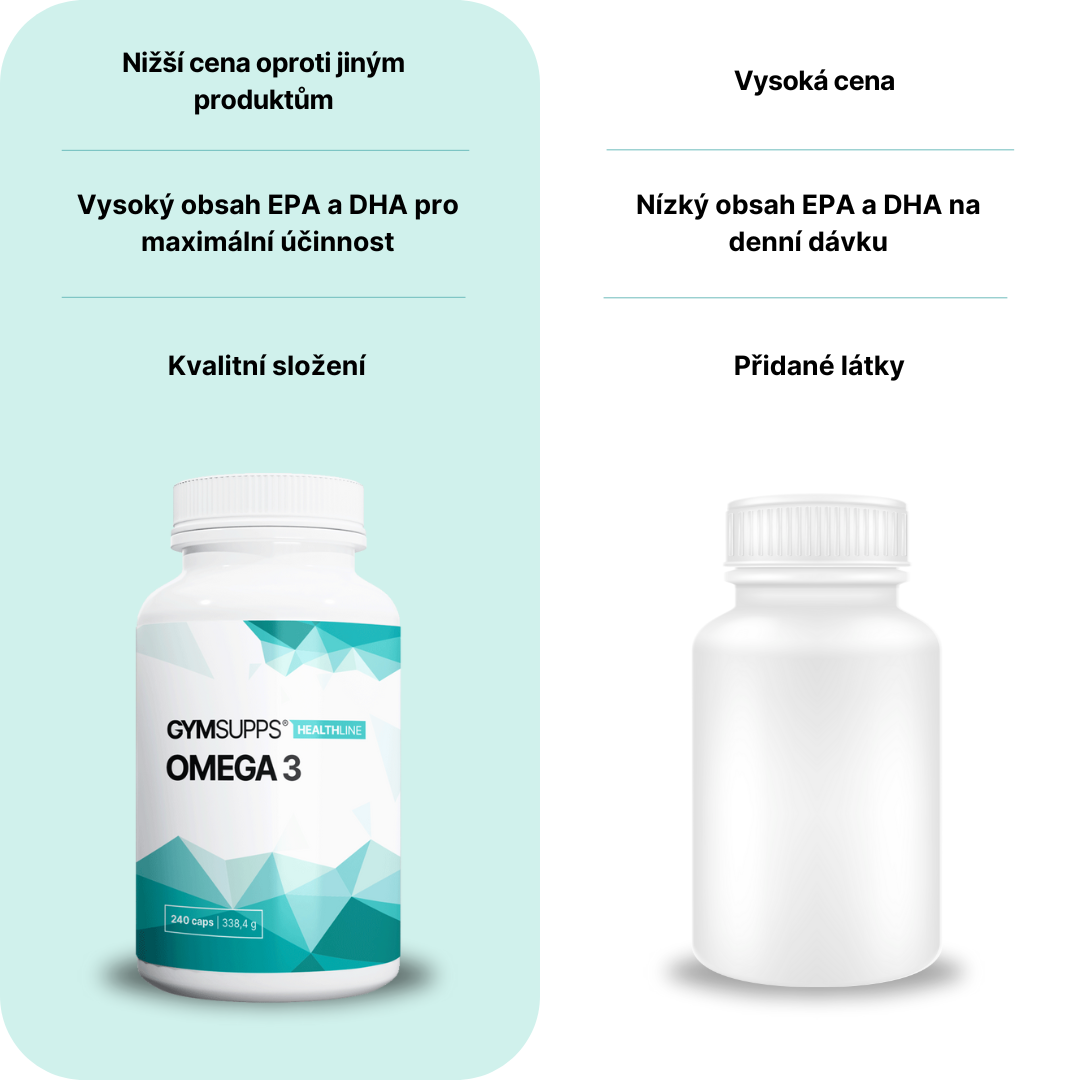
GymSupps Omega 3

Omega 3 240cps 1+1
Sources:
- [1] Mozaffarian, D. & Wu, J.H.Y. (2011). Omega-3 Fatty Acids and Cardiovascular Disease: Effects on Risk Factors, Molecular Pathways, and Clinical Events. Journal of the American College of Cardiology, 58(20): 2047-2067
- [2] Grosso, G. et al. (2014). Role of Omega-3 Fatty Acids in the Treatment of Depressive Disorders: A Comprehensive Meta-Analysis of Randomized Clinical Trials. PLOS ONE, 9(5).
- [3] EFSA (2010). Scientific Opinion on Dietary Reference Values for fats. EFSA Journal, 8(3): 1461.
No posts have been made yet.








