The correct ratio of omega-3 and 6 and their amounts in food
 Author:
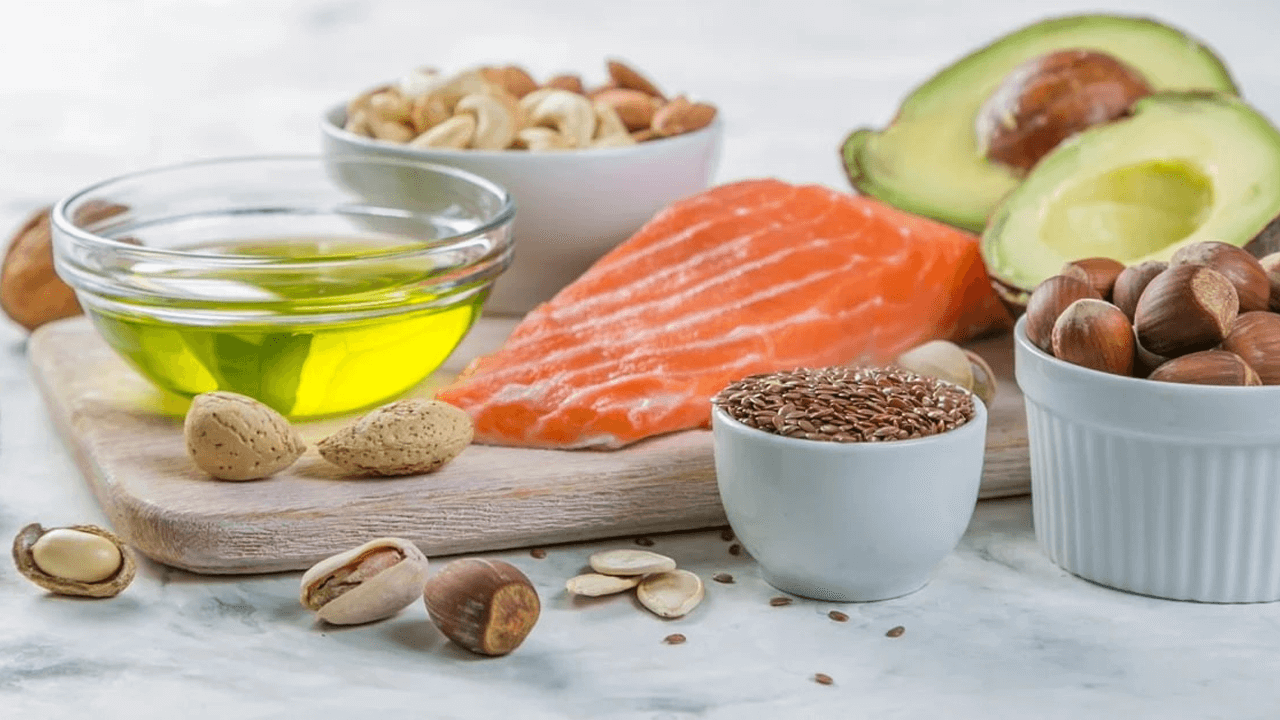
 In this day and age of nutritional information and misinformation, we often see terms like omega-3 and omega-6 fatty acids. These are essential fats, which means that our bodies cannot make them themselves and we must take them in through our diet. Although they are absolutely essential for our health, the key lies in the right ratio and amount. A long-term imbalance of these fats can lead to chronic inflammation and many health problems. Let's take a closer look at why this ratio is so important and how we can optimize it through our diet.
Content:
- Why are omega-3 and omega-6 so important?
- How important are omega-3 and omega-6 in food
- How to achieve the ideal ratio in practice?
- Signs of imbalance and when to seek help
Why are omega-3 and omega-6 so important?
Before we dive into ratios, it's important to understand the individual roles of these fatty acids.
Omega-3 fatty acids are known for their anti-inflammatory effects. There are three main types:
- ALA (alpha-linolenic acid): found in plant sources such as flaxseeds, chia seeds, walnuts and canola oil. The body can partially convert it to EPA and DHA, but this conversion is often inefficient.
- EPA (eicosapentaenoic acid): mainly found in oily fish (salmon, mackerel, sardines) and seafood. It is key to reducing inflammation, heart and blood vessel health.
- DHA (docosahexaenoic acid): Also found in oily fish and seafood. It is vital for brain and eye development, cognitive function and the nervous system.
Omega-6 fatty acids are also essential, but excessive intake can promote inflammatory processes. The main type is:
- LA (linoleic acid): found in vegetable oils (sunflower, corn, soybean), nuts and seeds. The body converts it into arachidonic acid (AA), which is a precursor for inflammation-promoting compounds. In small amounts, these inflammatory processes are necessary for immune response and healing; the problem occurs when they are over-stimulated.

Ideal ratio: what is the goal?
Most experts agree that the ideal ratio of omega-6 to omega-3 should be between 1:1 and 4:1. Achieving this ratio requires conscious changes in our diet. It is not a question of eliminating omega-6s altogether, as they are still essential. Rather, it is about reducing excessive omega-6 intake while increasing omega-3 intake.
Omega-3 and omega-6 levels in food: a practical guide
Let's look at specific foods and how they can help us achieve the optimal ratio.
Foods rich in omega-3 (increase intake):
The best sources of EPA and DHA (animal):
- Oily fish:
- Salmon (wild preferred): contains high amounts of EPA and DHA. For example, a 100g serving of wild salmon can contain 1.5-2g of omega-3.
- Mackerel: Another excellent source.
- Sardines: Smaller fish high in omega-3 and low in mercury.
- Herring: similar to mackerel and sardines, an excellent source.
- Trout: A good source, whether saltwater or freshwater.
- Tuna (fresh, uncanned): Some species (e.g. albacore) are rich in omega-3s, but should be consumed in moderation due to mercury.
- Seafood: Oysters, shrimp and other seafood contain smaller but still significant amounts of EPA and DHA.
- Algae and seaweed: Some species are rich in DHA, making them a great choice for vegans and vegetarians. Algae supplements are also available.
- Eggs (enriched with omega-3): Some producers feed flaxseed-enriched feed to hens, increasing the omega-3 content of eggs.
- Pasture-raised meat and dairy products: Grass-fed animals have higher omega-3 content in meat and milk compared to grain-fed animals.
Best sources of ALA (plant-based):
- Flaxseed: Extremely rich in ALA. For optimal absorption, they are best ground or consumed in the form of flaxseed oil.
- Chia seeds: similar to flax seeds, they are rich in ALA.
- Walnuts: A great source of ALA and healthy fats.
- Hemp seeds and hemp oil: Contain a balanced ratio of omega-3 and omega-6.
- Canola oil (good quality, cold-pressed): Although it also contains omega-6, it has a good ratio of ALA.
- Cranberries: Contain small amounts of ALA.
Foods rich in omega-6 (reduce intake or choose with ratio in mind):
High in omega-6:
- Vegetable oils:
- Sunflower oil: Extremely high in omega-6.
- Corn oil: Similar to sunflower.
- Soybean oil: Very common in industrially processed foods.
- Palm oil: Also higher in omega-6.
- Cottonseed oil: Used in many fried foods.
- Processed foods: Often contain the oils mentioned above. These include cookies, chips, cereals, pastries, ready-made meals.
- Conventionally raised meat: Grain-fed animals have higher levels of omega-6 in their meat.
- Fast food: Often prepared with oils high in omega-6.
- Some nuts and seeds:
- Pecans: Have a higher ratio of omega-6.
- Cashews: Higher ratio of omega-6.
- Peanuts: Also with a higher omega-6 ratio.
Foods with a more balanced ratio of omega-6 and omega-3, or with a predominance of omega-9 (healthy fats):
- Olive oil (extra virgin): Predominantly monounsaturated fats (omega-9), with very low omega-6 and omega-3. Ideal for cooking.
- Avocado and avocado oil: Also rich in omega-9.
- Macadamia nuts: Low in omega-6 and high in monounsaturated fats.
Recommended
Extrifit Omega 3-6-9
Amix ProVegan Omega 3-6-9
How to achieve the ideal ratio in practice?
- Increase your intake of oily fish: try to eat 2-3 portions of oily fish per week (salmon, mackerel, sardines, herring).
- Include flax and chia seeds: add them to yoghurt, smoothies, porridge.
- Use healthy oils: Replace sunflower and corn oil with extra virgin olive oil or avocado oil for cooking. Use flaxseed oil for cold cooking.
- Limit processed foods: Read labels and avoid foods high in omega-6 vegetable oils.
- Prefer pasture-raised meat and dairy products: If you have the option, choose meat from grass-fed animals.
- Be careful with nuts and seeds: They may be healthy, but some are high in omega-6. Combine them with nuts with a better ratio (walnuts, macadamia nuts) and seeds (flax, chia, hemp).
- Consider supplements: if it is difficult to achieve adequate omega-3 intake from the diet, high quality fish oil (certified for purity) or algae supplements may be beneficial. Always consult a doctor or nutritionist.
Signs of imbalance and when to seek help
Common signs of an omega-3 and omega-6 imbalance may include:
- Dry, flaky skin
- Inflammatory conditions (acne, eczema, psoriasis)
- Joint pain
- Concentration and memory problems
- Frequent infections
- Increased fatigue
If you suspect an imbalance or suffer from chronic inflammatory diseases, it is advisable to consult your doctor or a qualified nutritional therapist. They may recommend blood tests to determine your current fatty acid ratio and help you develop an individualized plan.
Optimizing the ratio of omega-3 and omega-6 is a key step in promoting overall health and preventing chronic inflammation. Small but consistent changes in your diet can have a big impact on your long-term well-being. Focus on whole, unprocessed foods and variety in your diet. Your body will thank you for it.
No posts have been made yet.