





Morning ritual or unnecessary risk? Find out what your ideal pre-workout coffee intake is
 Author:
 A cup of aromatic coffee on the way to our favorite gym, a yoga class, or before a morning run is an indispensable ritual for many of us. Caffeine is a great ally—it gives us energy, boosts our mood, and makes us feel unstoppable. But what if we have one more espresso? Will our performance improve proportionally? The answer might surprise you.
Caffeine is a fantastic aid and has a firm place in our active lifestyle. The way it works is actually very simple: in the brain, it blocks a molecule called adenosine, which signals fatigue to us. Thanks to this, we feel refreshed and lighter, and we suddenly enjoy physical activity much more—even when it would otherwise require a lot of effort.

But when does our body finally say “enough”?
We’ve all been there—that feeling when we’ve had a little too much coffee. Instead of bursting with positive energy, we’re restless, unfocused, and feel an inner unease. According to the latest analyses of dozens of different studies, a clear trend emerges: caffeine boosts performance only to a certain extent.
Beyond a certain dose, it no longer provides any additional benefits to our bodies; on the contrary, its side effects increase dramatically. So instead of a surge of energy, we unnecessarily cause ourselves:
- An unpleasant and rapid heartbeat
- Feelings of anxiety and nervousness
- Stomach discomfort
- Disturbed sleep
In short, overstimulation isn’t good for our nervous system, and a pleasant workout can quickly turn into a stressful experience.
Where exactly is the magic threshold?
Scientific research shows that the imaginary dividing line is around 6 milligrams of caffeine per kilogram of body weight. What does that mean in practice? If you weigh 80 kilograms, for example, your daily limit is around 480 mg. To put that in perspective, we’re talking about roughly 4 to 5 cups of regular coffee a day. Once you exceed this limit, your body can no longer derive any further benefits from the caffeine and reacts with irritability.
Recommended
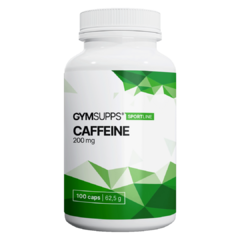
GymSupps Caffeine
Caffeine 100cps 1+1
The Beauty of Deep Sleep
In today’s fast-paced world, quality sleep is the absolute best recipe for beauty, health, and vitality. To ensure that caffeine doesn’t disrupt your evening rest and your body’s ability to regenerate, proper timing is key. Experts recommend having your last cup of coffee or green tea about 9 hours before you go to sleep. That’s the only way to ensure you’ll wake up feeling refreshed and ready for the day ahead.
Surprising Advice from a True Master
You might be wondering which wellness guru or modern biohacker recently came up with these insights. Surprisingly, it was an absolute icon of the fitness world— Arnold Schwarzenegger—who highlighted these scientific findings in his latest newsletter.
Although we know him primarily as a seven-time Mr. Olympia winner, today, at 78 years old, he focuses mainly on longevity, balance, and a sustainable approach to health. He shared this wise insight with his fans:
"When you get the dosage right, caffeine lives up to its reputation. But past a certain point, a higher dose doesn’t yield better results."
Caffeine is therefore a great companion for our active lives, but the golden rule applies here as well: listen to your body. Find your personal balance, enjoy your morning coffee in peace, and simply feel great with every move you make!

No posts have been made yet.








