





Why doesn't caffeine work the same for everyone? A scientific look at coffee metabolism
 Author:
 You know the drill. You have a coffee after lunch and stare at the ceiling in the evening, while your friend or colleague kicks back a double espresso at 8pm and sleeps like a baby. It's not that you're weak-willed or "sensitive". According to a new analysis of 26 studies on more than 1.8 million people, your caffeine tolerance is written deep in your genetics.
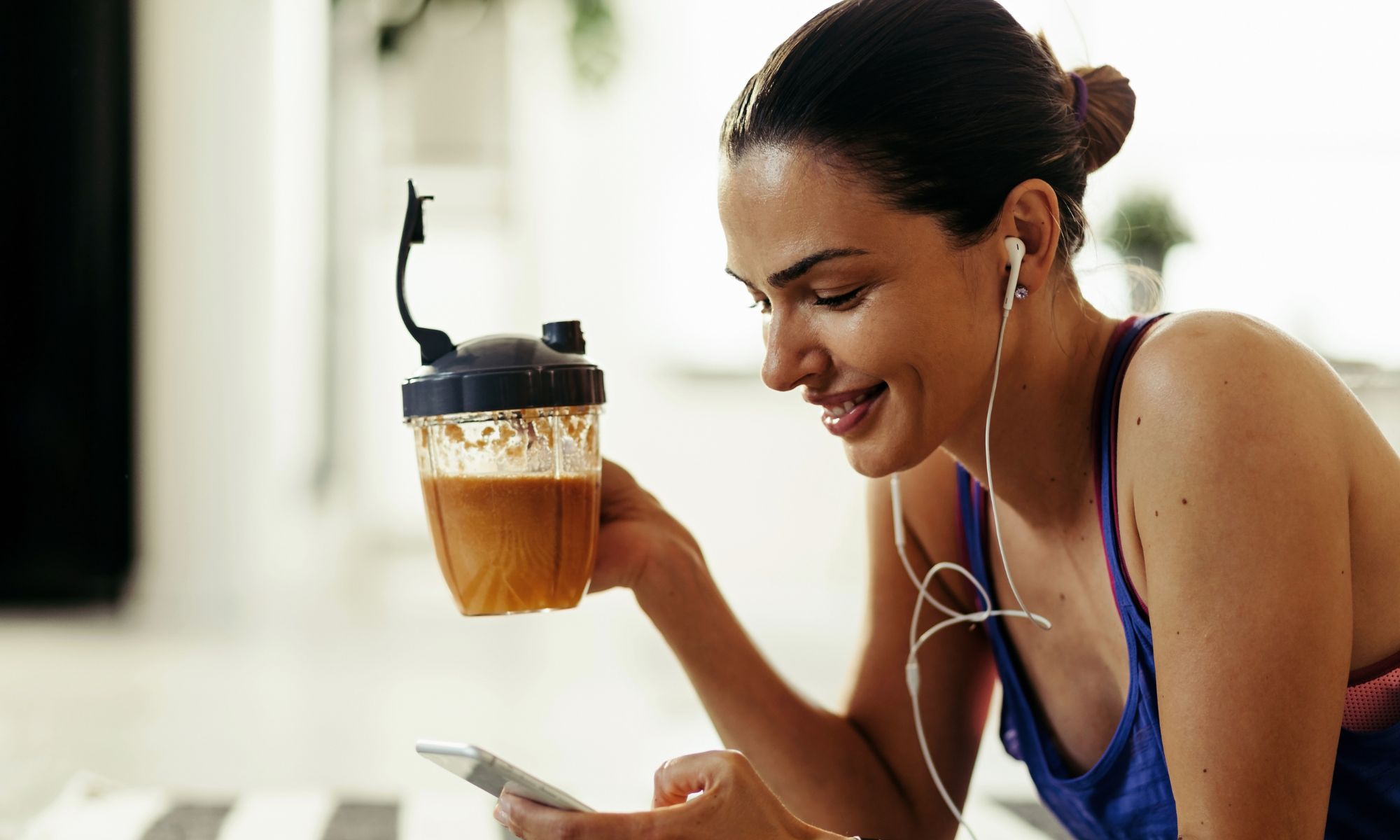
It's not training, it's biology
Researchers have found that specific genes (primarily CYP1A2) play a key role in determining how quickly your liver breaks down caffeine. The differences between people are extreme - caffeine metabolism rates can vary up to 60-fold between individuals.
Basically, there are two types of people:
- Fast metabolizers: Their bodies dispose of caffeine in a flash. They often need more coffee to even feel the kick, and the caffeine is out of their system long before bedtime.
- Slow metabolizers: Caffeine circulates in their blood for hours and hours. Coffee drunk at 2 p.m. can still block their sleep receptors at midnight.
Anxiety is not weakness
If your heart races after coffee, your palms start sweating or you feel unexplained anxiety, again, genes (linked to dopamine) are to blame. Your brain receptors are simply more sensitive to stimulants. It's not a "bug", it's your factory setting.
How to drink coffee according to your DNA?
If you're in the "slow" or "sensitive" group, you don't have to give up coffee altogether. Try these science-based adjustments:
- The Noon Rule: If you're slow to break down caffeine, have your last cup no later than 12:00.
- Microdosing: Instead of one big cup (the "killer"), drink smaller doses (about 100 mg, which is a small espresso) at longer intervals.
- Secret weapon (L-theanine): If coffee makes you nervous, try combining it with a substance called L-theanine. This amino acid occurs naturally in green tea and acts as a "brake" for the negative effects of caffeine. It smooths out the energy curve so you get focus without the jitters and jitters.
So the next time someone laughs at you for having decaffeinated coffee, feel free to tell them, "My CYP1A2 gene won't let me do that today."
Recommended
GymSupps Caffeine
GreenFood Kofein
No posts have been made yet.








