





Let's take a look at 5 nutrients that can improve your mood.
 Author: Šárka Randáčková
 There are many foods that can improve your mood in the short term because they are simply good. But healthy foods can also have a long-term effect on your mental well-being.
Food can affect mood in two ways
- Excellent food can improve it immediately. However, it's often short-lived.
- Healthy food will give you a healthy body. And being healthy is definitely better for your mood than not being healthy.
- Certain nutrients in healthy foods can improve mood.
In this article, we'll look at five nutrients: magnesium, zinc, vitamin D, omega-3s, and tryptophan.
Magnesium
Magnesium has many functions in the body, so it can improve mood in different ways. We will mention two ways.
It can influence the body through hormones. Its low levels are associated with low testosterone, which makes men feel worse. Women too, of course.
It can also directly affect the brain. Preliminary evidence suggests that magnesium may control the activity of NMDA receptors (glutamate receptors on neurons), which would explain why low levels of this mineral can lead to anxiety.
Studies confirm that people with anxiety tend to have lower magnesium levels, and a review of 18 studies claims that magnesium supplementation can help with this problem.
However, researchers bemoan the lack of information, and in a recent test, magnesium failed to prove its ability to relieve patients of postpartum depression and anxiety.
A 2018 systematic review concluded that magnesium plays a small role in depression; it worked in uncontrolled trials but not in placebo-controlled ones.
Magnesium deficiency is not a rarity in the U.S., especially among the elderly. Since it is lost through sweating,athletes in particular should be careful about their intake. This is most concerning for those athletes who must lose weight in their sport.
Fortunately, daily intake is easy enough to achieve. Magnesium-rich foods are numerous and fit into any diet.
High doses of magnesium supplements can cause digestive problems, but magnesium from the diet has no proven adverse effects.
If you want to supplement, avoid magnesium oxide: it has poor bioavailability (only 15% was absorbed in mice, only 4% in humans) and is more likely to give you digestive problems.
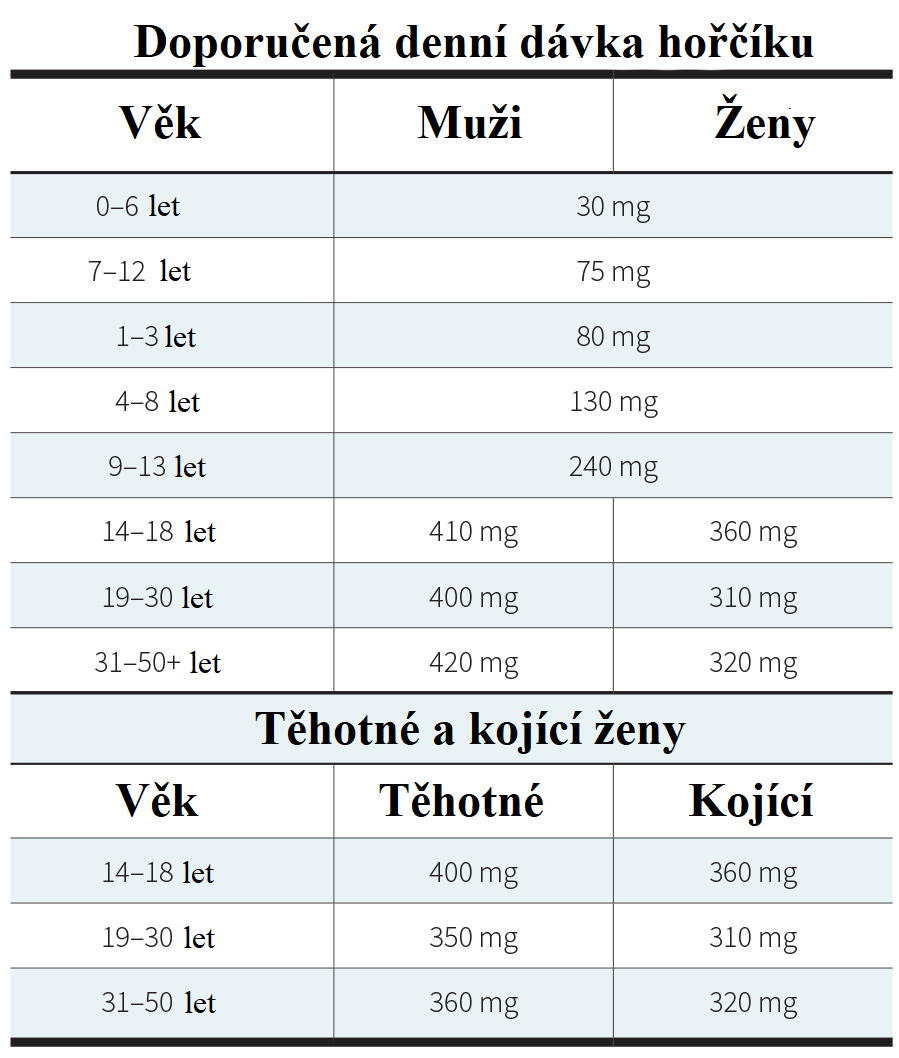
If you'd like to try some magnesium, check out our extensive range in the shop, where you can choose from customer reviews, for example.
Zinc
A cross-sectional study collected data from 14,834 Americans (7,435 women and 7,399 men) between 2009 and 2014 and found a link between depression and zinc deficiency. The same was true for a Canadian study of 2,019 pregnant women, which found that zinc deficiency may be linked to the increasing effects of stress and the development of depression symptoms.
Cross-sectional studies do not determine the cause. Zinc deficiency is associated with depression, but does it cause it? Or does depression reduce zinc levels? Or does another factor cause both?
Cross-sectional studies do not answer such questions. However, we do have randomized trials that claim that antidepressant treatment can be aided by zinc supplementation.
Again, we don't know the exact mechanisms. We do know that zinc supports the immune system and brain homeostasis, and may also have an effect on NMDA receptors.
We also know that zinc can, at low levels, reduce testosterone production.
Unless you are zinc deficient, supplementation alone probably won't help. That's why studies of postpartum depression have probably failed. (However, the factors for postpartum and clinical depression differ greatly.)
In any case, excess zinc is not a good idea. It may even be harmful: in the short term, it can cause nausea, vomiting; in the long term, copper deficiency, which in turn can bring on depression.
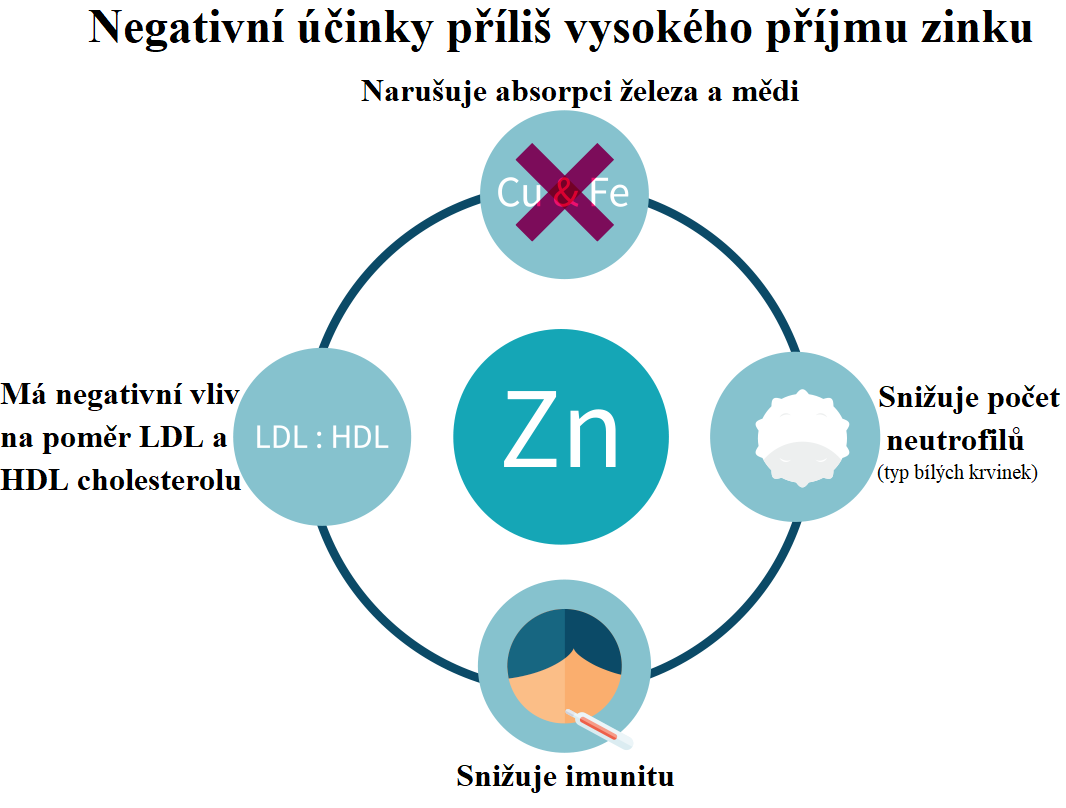
Severe zinc deficiency is uncommon in the US, but not entirely without incidence.
There are some people who find it poorly absorbed - usually individualswith Crohn's disease, celiac disease, and short bowel syndrome.
Even healthy people can have low levels - especially the elderly. Zinc also goes away through sweating, so athletes should beware.
However, zinc-rich foods are not rare. Most are animal products, but with a little planning and supplementation, even vegans can get to the right levels.
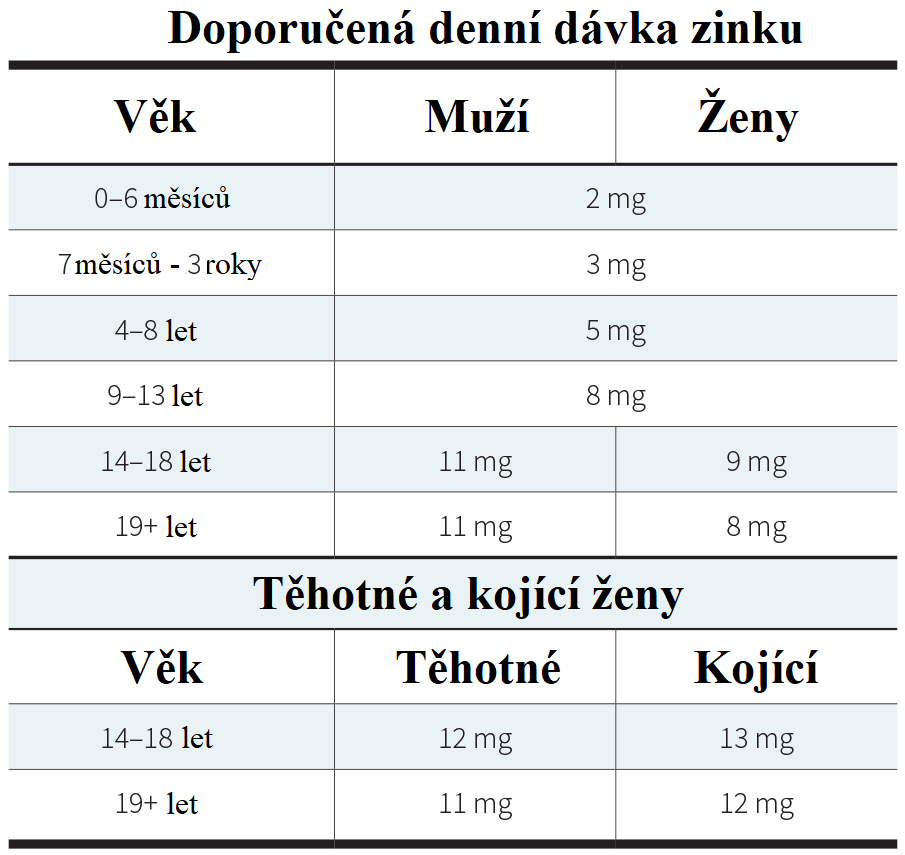
If you'd like to try some zinc and don't know what kind, check out our extensive range in the shop, where you can choose, for example, according to our customer reviews.
VitaminD
Vitamin D deficiency (≤20 ng/mL) is associated with depression and it is estimated that this affects half of the population.
You can test yourself with a blood test for 25-hydroxyvitamin D. However, this does not mean that vitamin D is the cause (or therefore the only cause) of this depression. The weather can affect you negatively, especially in the winter when the sun doesn't shine much, reducing vitamin D production due to reduced exposure to UVB radiation and reduced exposure to light and visible sunlight.
Five different studies have looked at the effect of vitamin D on mood. The 2015 one found no significant reduction in depression with supplementation, but did not rule out its effectiveness in people with higher depression and reduced vitamin D levels. The other four studies - published in 2014, 2016, 2017 and 2018 - found positive effects of supplementation, but three of them cited poor quality methodology and two high risk of publication bias (of these two, one had minimal bias and the other did not even account for it).
In Canada and the US, the recommended daily amount of vitamin D is somewhere between 400 and 800 IU (international units). These amounts, which many scientists criticize as inadequate, can be obtained naturally from only a few sources, most notably fatty fish (such as salmon, tuna and sardines). In Canada and the USA, however, vitamin D is often added to milk.
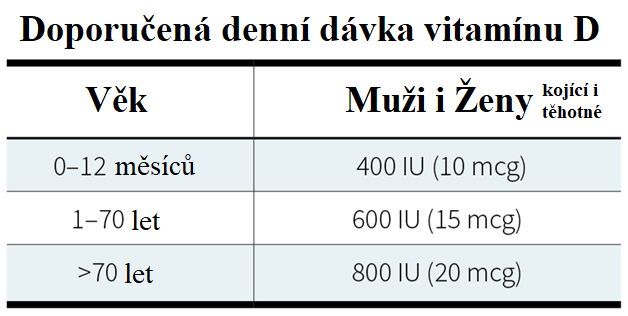
Since there aren't many foods rich in vitamin D, supplementation is a good option.
If your blood test shows you have low vitamin D levels, start taking 2000 IU a day. Scientifically, this is the level that is the best combination of safety and usefulness. Get tested again in a few months.
You can find Vitamin D in our shop HERE
Omega-3 fatty acids
Three large studies have found that fish oil may help against clinical depression, especially when combined with conventional therapy.
Some researchers note that the methodology of these studies is quite weak (dosing, interpretation of results) - and so clinical recommendations should be tempered.
Your body can't make essential fatty acids on its own, but it needs them.
The best known are eicosapentaenoic acid (EPA) and docosahexaenoic acid (DHA). These make up most of the good, polyunsaturated fatty acids in fish oil.
Several mechanisms describe the antidepressant effects of these two acids, but EPA always comes out a little better in proportion.
You can find EPA and DHA in seafood, with fatty fish (such as salmon, tuna, and sardines) being particularly rich. Even the fatty acids from sea plants are converted into EPA and DHA in your body.
For vegans, an alternative is to supplement with seaweed oil, or flaxseeds, hemp seeds or chia seeds.
If you'd like to try some omega 3 and don't know what kind, check out our extensive range in the shop, where you can choose, for example, according to our customer reviews.
Tryptophan
Tryptophan is an essential amino acid (EAA), which means your body needs it but can't make it, so you have to take it in through food. You need at least 15 mg of tryptophan per kilo of body weight per day.
Your body uses tryptophan mainly to make serotonin, a neurotransmitter that helps regulate mood. A study found that healthy patients had lower anxiety, irritability and depression after tryptophan supplementation.
Some researchers note that it's not the amount of tryptophan ingested that matters, but its ratio to other amino acids because they fight with each other for the same transporter.
If they're right ( there's not much evidence for this yet), a protein-rich diet won't necessarily give you all the benefits of tryptophan; you'll need to focus on foods that are rich in it.
If you'd like to try some tryptophan and don't know which one, check out our extensive range in the shop, where you can choose from customer reviews, for example.
Conclusion
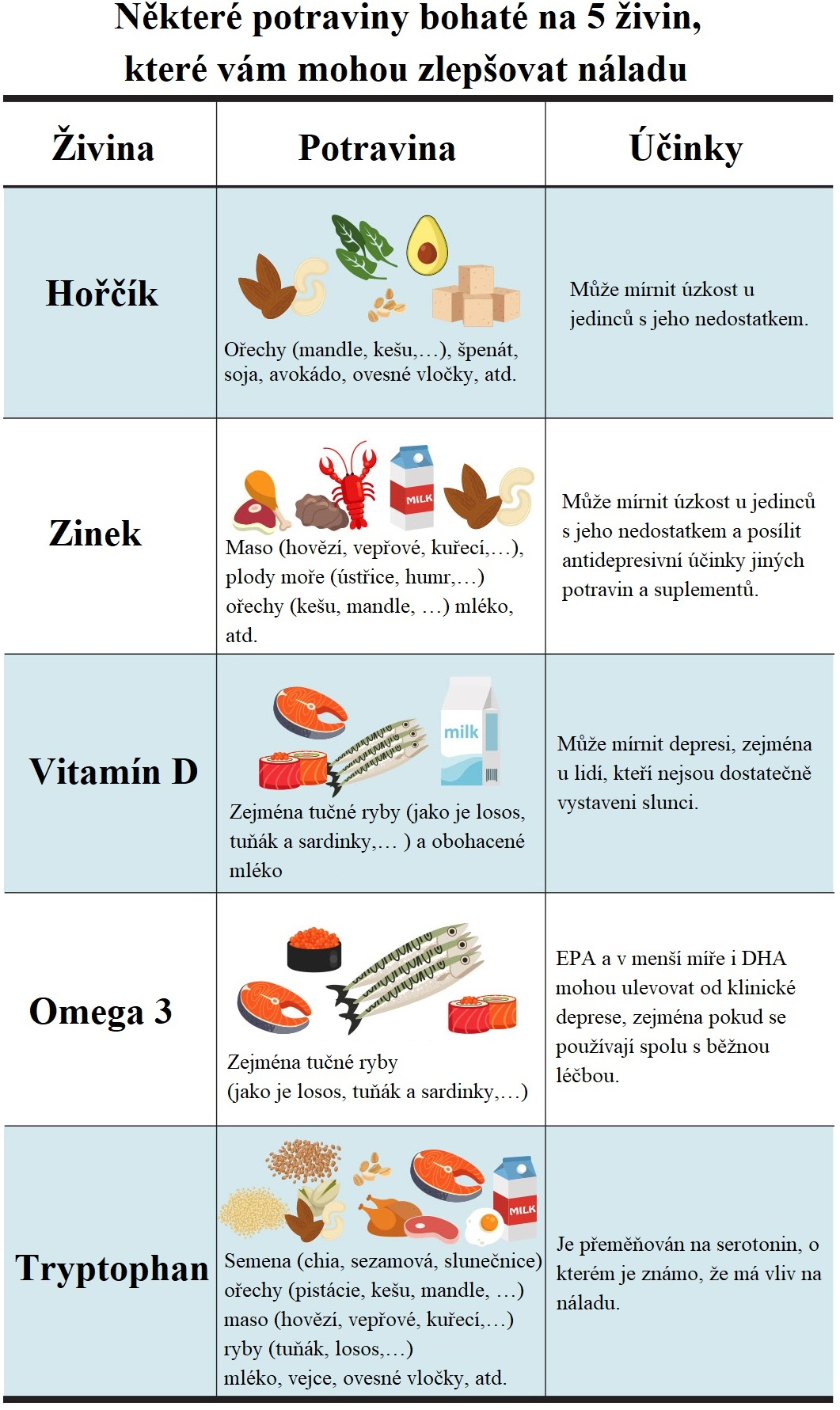
Source: www.examine.com - 5 nutrients that could lift your mood
Author: Zad Chow
Translated by: Jaromír Uhlíř
Author: Šárka Randáčková No posts have been made yet.








