





How to choose the right cooking oil? We'll advise you on the best choice!
 Author:
 Oils and fats in general are a much discussed topic, especially their suitability for use in hot cooking. Not all fats behave in the same way when heated, and although they are otherwise nutritionally rich in a variety of beneficial substances, heating them can destroy them and even make them a potential threat. There are countless oils and fats available on the market today. From oils created purely from a single raw material, to various blends, to animal fats such as butter. How to navigate through the oils and which is suitable for hot cooking and which is not? We'll try to find the answer to all these questions today!
Contents:
- A theoretical window on oils
- Smoke point
- So how do you know your way around oils?
- Other pretty decent alternatives
- Which oils are best avoided?
- What can I take away from this article?
A theoretical window on oils
All fats and oils are made up of saturated, polyunsaturated and monounsaturated fatty acids in different proportions. In general, oils and fats with a high proportion of saturated fats are considered "less suitable" than oils and fats with a higher content of poly and mono-unsaturated fats. For example, polyunsaturated fats can help lower cholesterol, omega-3 polyunsaturated fatty acids can help protect against heart disease, strengthen the immune system and much more, and omega-6 fatty acids can be helpful during development and are also crucial for proper brain function.
Monounsaturated fats can also help lower cholesterol levels if you replace saturated fats with them. Monounsaturated fats can also help reduce the risk of breast cancer and rheumatoid arthritis. In short, each type has its pros and cons, and it always depends on your total daily fat intake and how your fat profile looks.

Smoke point - or what oil is best for cooking?
When it comes to using oil for heat treatment, smoke point is probably the most important factor to watch. Smoke point, or otherwise known as smoke point, is the temperature at which an oil begins to smoke and degrade. Oils and fats with a low smoke point can oxidize and break down under the influence of high temperatures, leading to the formation of harmful disease-causing free radicals.
So logically - oils with a higher smoke point are suitable for frying and cooking, while oils with a lower smoke point are more suitable for cold cooking, for example in salads or to finally flavour food.
Smoke point values can vary even within the same type of oil, as the smoke point is also largely influenced by the method of production or processing. However, this is not the end of the list of factors that affect the smoke point. The way in which the oil is stored and used is also important , as this also affects its properties. Most oils should be kept cool, in airtight containers and out of direct sunlight to maintain maximum durability.
So how do you know your oils?
There is an absolute plethora of varieties on the market today. Although many specific types of oils are associated with a number of potential benefits, and in general vegetable oils are considered healthy fats, most commercially sold vegetable oils contain a mixture of different varieties of oils, some of which are highly processed and refined. In addition, not all oils behave the same, so the choice of oil for a hot kitchen really needs to be considered carefully. Some cooking oils also have a different flavour, which in turn can affect the taste of the final product.
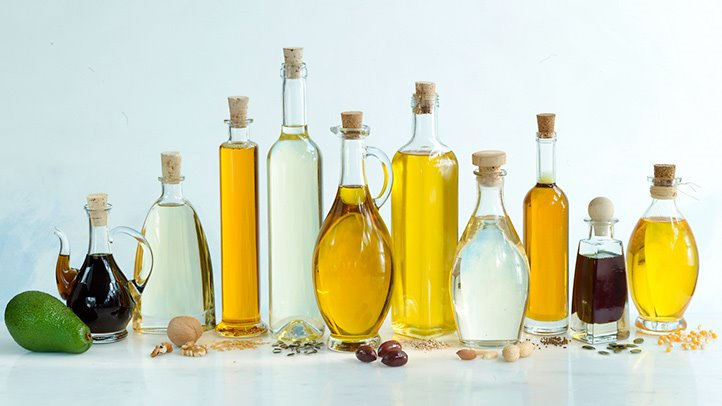
Walnut oil , for example, can add a slightly nutty flavour to dishes, and sesame oil has an intense flavour that is well suited to Asian cuisine. So, there is no such thing as oil, but there are still some variants that have more benefits than others, but you need to know their properties well to get the best use out of them. Here is a selection of the top 5 oils and fats:
Avocado oil
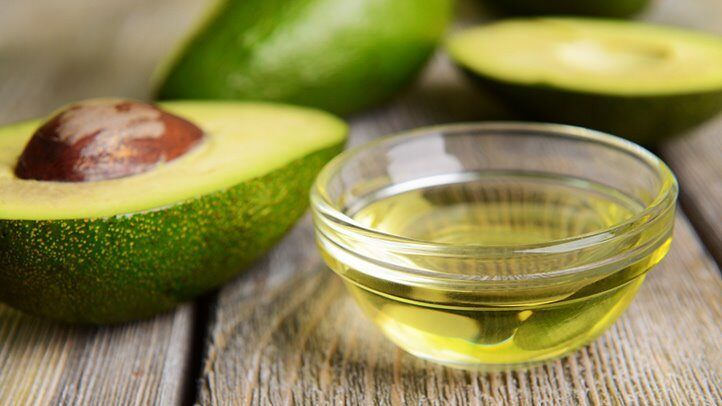
Due to its high smoke point, avocado oil is very suitable for heat treatment. The smoke point of avocado oil is one of the highest ever. Avocado oil is rich in oleic acid, a type of monounsaturated fatty acid that is incredibly healthy, and it also contains lutein, a type of antioxidant that can help promote vision and eye health.
Not only that, but thanks to research, we find other promising positives, including that compounds extracted from avocados could reduce pain and joint stiffness in patients with osteoarthritis. Avocado oil can be used for cooking or baking in almost any recipe, thanks to its high smoke point and very mild neutral flavor.
Ghee
This type of fat has been very popular lately. Ghee is a type of anhydrous butter used mainly in India and Southeast Asia, and has a higher fat concentration than regular butter. Its smoke point is high - around 250°C, giving a very pleasant flavour to dishes. Compared to other cooking oils such as soya oil, heating ghee has been shown to produce lower levels of toxic, carcinogenic compounds such as acrylamide.
In animal studies, researchers have concluded that ghee can positively affect cholesterol levels and protect against the formation of carcinogenic compounds. The quality of ghee can vary greatly depending on the type of butter used and the method of production.
Coconut oil
Coconut oil, extracted from the flesh of the coconut, the fruit of the coconut palm, has a very high saturated fat content (92%). Coconut oil has a mild flavor and fine texture, making it a great choice for cooking and baking. It is also rich in medium chain triglycerides (MCTs), which are fatty acids that have been shown to help increase metabolism and improve brain function. The smoke point for coconut oil is 175°C.
However, to maximize its positive effects, look for a virgin, unrefined version. There are many uses for coconut oil when used in a hot kitchen. In addition to its use in the kitchen, coconut oil is a great tool in beauty treatments - for the skin, as a makeup remover, for beautiful hair, etc.
Grapeseed oil
Grapeseed oil works as a good source of polyunsaturated fats and vitamin E. This oil is high in vitamin E, an essential nutrient that plays an important role when it comes to skin health, immune function, and preventing oxidative cell damage. In fact, a single tablespoon of grapeseed oil contains approximately 19 percent of the recommended daily value, which is a great way to easily reach your required daily dose of this micronutrient.
Grapeseed oil should not be used in high-temperature cooking because it is high in polyunsaturated fats, which can react with oxygen and produce harmful free radicals. Instead of using grapeseed oil for high-temperature cooking, try using it in salads.
Extra virgin olive oil
Olive oil is rich in vitamin E and other compounds known to help protect against certain diseases and may be beneficial for optimal cholesterol levels. Studies show that adding olive oil to the diet can reduce inflammation, stabilize blood sugar levels, and reduce several risk factors for heart disease.
The taste and quality of olive oil depends on similar conditions to wine - the type of olives used, the region, the climate and the growing and harvesting method all influence the taste . Extra virgin olive oil has a low smoke point and should not be used in hot cooking, so its use is particularly suitable for salads. The main advantage over other types of oil is that it contains a higher percentage of healthy monounsaturated fats such as oleic acid.
Other pretty decent alternatives:
Flaxseed oil
Flaxseed oil contains plant-based omega-3 fatty acids, specifically alpha linolenic acid (ALA). Some people believe they can take this oil as a dietary supplement with omega-3 fatty acids. However, if you are not a vega, you will definitely do better to use fish oil as a source of omega-3 fatty acids instead of flaxseed oil .
In fact, studies confirm that the human body cannot effectively convert ALA into the active forms of EPA and DHA, which are abundant in fish oil and which our bodies desperately need. Due to the high amount of polyunsaturated acids, you should definitely not use flaxseed oil in cooking.
Sesame oil
Sesame oil is made from super nutritious sesame seeds and has a very rich flavour. Not only does sesame oil have anti-inflammatory and antioxidant properties, but it can also help to reduce levels of 'bad' LDL cholesterol, as well as ensuring that the arteries are kept clean, which reduces the risk of developing heart disease. It can also help to relieve constipation and make it easier for stools to pass out of the body.
When it comes to the use of sesame oil in cooking, you should use it as a finishing oil and add it to finished dishes or salads to give them flavor. It can be used in many different recipes, but it works especially well in Asian cuisine with meat, poultry, noodle and rice dishes.
Walnut oil
Walnut oil is rich in alpha-linolenic acid (ALA), a type of omega-3 fatty acid that can improve heart health and reduce inflammation in the body. Omega-3 fatty acids from foods like walnut oil can also support brain function and aid in proper growth and development. This oil adds a slightly nutty note to dishes and is also best added to already prepared dishes or cold dishes.
Butter from free-range cattle
Butter made from the milk of grass-fed cattle is a dairy product, i.e. of animal origin. However, compared to conventional butter, the milk of grass-fed cows is richer in omega-3 fatty acids and in other healthy fats such as conjugated linoleic acid. This type of fat not only contains a ton of nutrients, but it also often contains fewer calories than highly processed oils. In fact, in general - there's no reason to be afraid of real butter. The most harmful are industrially produced butter substitutes, such as margarine.
Which oils are best avoided?
Because there are so many types of cooking oil, it can be difficult to distinguish between healthy and not-so-healthy oils. Avoid highly refined, heavily processed vegetable oils such as corn, canola, soybean or sunflower oil.
Not only are they often high in inflammatory omega-6 fatty acids and lacking in heart-healthy omega-3s, but many of them often come from genetically modified crops that can be harmful to your health. Because they are also extensively processed, they may be more prone to oxidation and decomposition, which could lead to the accumulation of disease-causing free radicals.
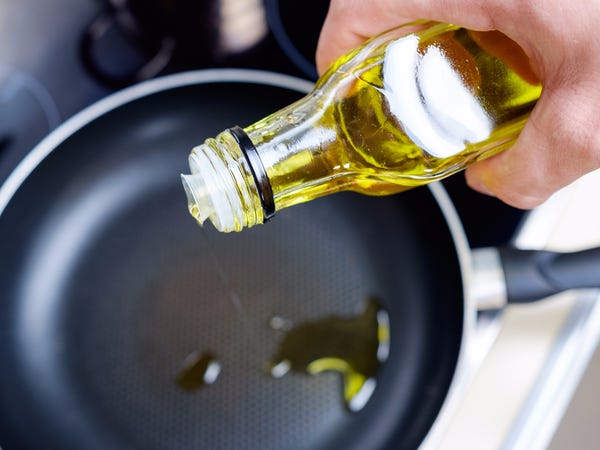
However, the vegetable oils that can be found in most stores and supermarkets are usually a mixture of several different types of oils that have been highly processed and refined, which almost absolutely negates any potential benefits of using them. One of the main disadvantages of vegetable oils is their omega-6 fatty acid content and the absence of omega-3. Although we need this important group of fatty acids for life, most of us have an absolute disparity between omega-6 and omega-3 in favor of omega-6.
In addition, avoid brands of cooking oil that use hydrogenated fats such as margarine. These types of fats are high in trans fats, a type of fatty acid that has been linked to a higher risk of heart disease, diabetes, obesity, and even certain types of cancer. Also be careful when cooking with essential oils. While some essential oils can be used as healthy edible oils in cooking, they tend to be very unstable, meaning they oxidize very easily at higher temperatures. Use these oils only to flavor prepared foods to preserve the beneficial properties and prevent the formation of free radicals.
What can I take away from this article?
Fats and oils are coming to the forefront of nutrition thanks to the boom of various diets based on fat consumption. However, it can be a bit tricky to know which is actually appropriate to use and which offers the most benefits. Not all oils are the same. Today we learned that it's best to use oils like coconut, avocado, olive, grapeseed, or ghee. On the other hand, we should be wary of vegetable oils and especially blends of these oils. It is also important to consider that not all oils are suitable for use in heat treatment, so the smoke point of oils should be examined.
Recommended
LifeLike Kokosový olej
Biolive Olive Oil
SOURCES:
http://onlinelibrary.wiley.com/doi/10.1111/j.1745-4506.2001.tb00028.x/pdf
https://www.ncbi.nlm.nih.gov/pmc/articles/PMC444260/
https://jamanetwork.com/journals/jamainternalmedicine/fullarticle/1108492
https://www.ncbi.nlm.nih.gov/pubmed/11989838
https://www.ncbi.nlm.nih.gov/pubmed/9637947
https://www.ncbi.nlm.nih.gov/pubmed/17177553
https://www.ncbi.nlm.nih.gov/pmc/articles/PMC2166702/
https://www.ncbi.nlm.nih.gov/pmc/articles/PMC2699871/
https://www.skillsyouneed.com/ps/fats-oils.html
https://www.ncbi.nlm.nih.gov/pubmed/21088903
https://www.ncbi.nlm.nih.gov/pubmed/28362343
https://www.ncbi.nlm.nih.gov/pubmed/16936087
https://www.n
No posts have been made yet.








