





Hemp protein: health benefits and how to take it
 Author:
 Plant sources of protein have experienced quite a boom in recent years. People are increasingly turning to plant-based diets, looking for alternatives to animal products, or simply wanting to try something new. The challenge with plant-based proteins is that not all sources provide the full spectrum of essential amino acids that our bodies need. One of the popular plant proteins is hemp protein, which boasts a full spectrum of essential amino acids. Let's take a closer look at hemp protein today and get to know all of its benefits.
Article content:
- Theoretical window
- Benefits of hemp protein
- The benefits of hemp protein
- Possible negative effects
- What to take away from the article?
Theoretical window - what is hemp protein?
Hemp protein powder is made from the seeds of the hemp plant and has a mild nutty taste. When you say hemp or hemp protein - production, many people think of marijuana and its intoxicating effects. Don't worry, you won't experience any euphoric states after consuming hemp protein. Hemp has virtually zero levels of the compound tetrahydrocannabinol (THC), the cannabinoid behind the euphoric states associated with smoking marijuana. Also, a drug test will be negative after ingesting hemp protein.
Hemp protein is considered to be one of the best types of plant protein because it contains all the essential amino acids that our bodies cannot make themselves and must obtain from food sources. Hemp protein powder is not only a complete spectrum of amino acids, but is also a great source of omega-3 saturated acids, which have significant health benefits. To make matters worse, it also contains significantly more fiber than many other common protein powders.
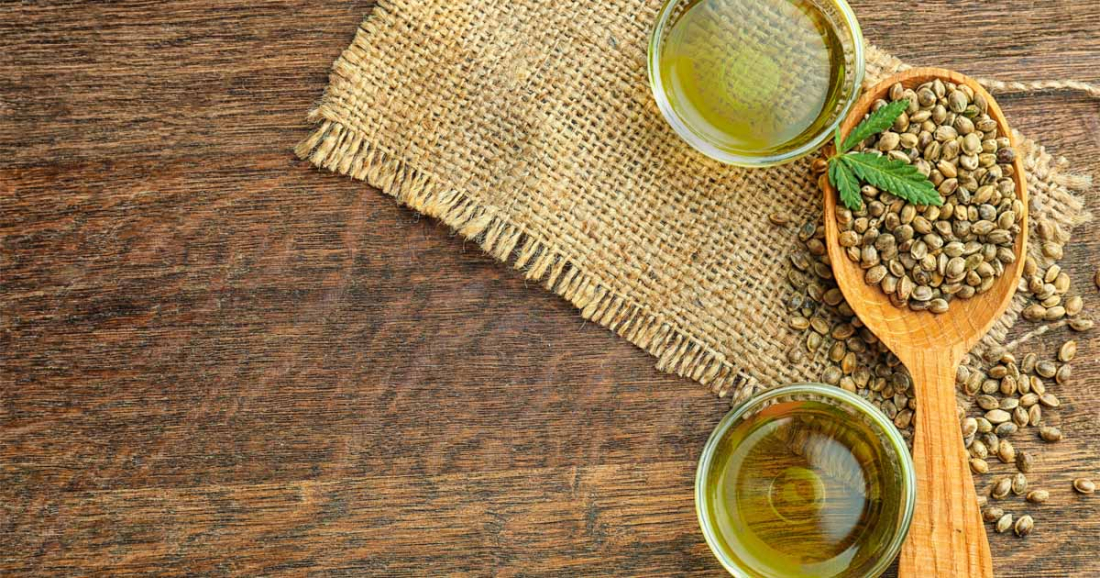
Hemp protein provides omega-3 and omega-6 fats in an optimal 3:1 ratio. Hemp is also one of the few sources of hard-to-find gamma linolenic acid (GLA), a healthy plant-derived omega-6 fatty acid that is metabolized differently than other omega-6s. Studies show that GLA-rich foods such as hemp seeds help people suffering from ADHD, diabetes, high blood pressure, heart disease or multiple sclerosis. Speaking of benefits, hemp has also been shown to help fight fatigue, have positive effects on the immune system and promote proper digestive function. We'll get to the other benefits later.
And how does hemp protein stack up nutritionally? One serving (about 25 grams) of quality hemp protein powder contains about:
- 90 calories
- 2-3 grams of carbohydrates
- 12 grams of protein
- 3 grams of fat
- 6 grams of fibre
- 260 milligrams of magnesium (65% DDD)
- 6 milligrams of iron (35% DDD)
- 391 milligrams of potassium (8 % DDD)
- 44 milligrams of calcium (4 % DDD)
* RDA = recommended daily allowance
As already mentioned, the biggest advantage of hemp protein over other plant-based protein sources is the fact that it contains all the essential amino acids our bodies need. At the same time, it doesn't have such a strong aftertaste as, for example, pea protein. On the other hand, a small disadvantage may be the higher fat content and the higher price. In terms of protein content, it's no slouch either - hemp proteins usually only contain around 50% protein. The benefit may or may not be the higher fibre content. For example, after a workout, when we need to deliver nutrients to the body quickly, fibre, which slows down digestion, is not exactly doubly desirable.
Hemp protein is very digestible. Scientists attribute this to the protein content of edestin and albumin, which our body can quickly break down and absorb. Hemp seeds are also free of trypsin inhibitors and oligosaccharides, two things that negatively affect absorption and digestibility in other plant protein sources. Hemp protein is great for people with milk protein allergies, followers of plant-based diets, and anyone else who simply wants to spice up their diet or try something new.
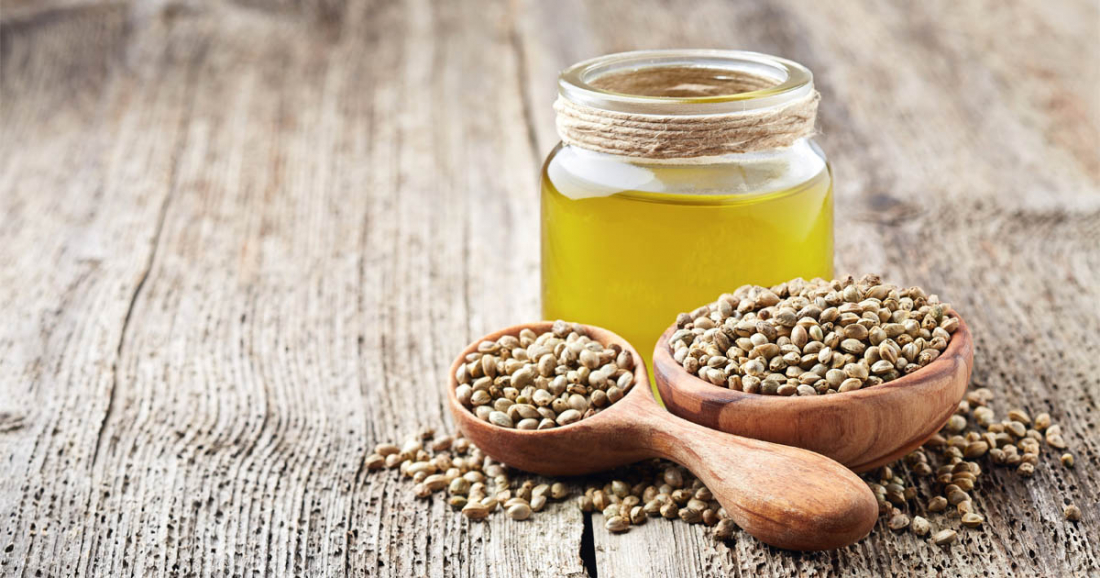
Benefits of hemp protein
Whether you're a top athlete, a regular recreational exerciser, or not currently very physically active, there are a wide range of benefits of hemp protein powder that make it a good choice for almost anyone. Some of the biggest benefits include:
Boosting the immune system
By supplementing with hemp protein powder, you can easily boost your immune system. Research shows that the immune-boosting benefits of hemp seed come from its unique protein content. Hemp seeds contain the globular plant proteins edestin (65 to 67%) and albumin (33 to 35%). These globular proteins are responsible for enzymatic functions in the blood plasma and are involved in the production of antibodies, so they are truly essential for boosting the immune system. Hemp seeds also have anti-inflammatory effects and stimulate the activity of antioxidant substances in the body.

Building muscle mass
Protein is generally a key ingredient for building muscle mass and recovery. Hemp protein powder contains high amounts of the amino acid arginine, which is essential for muscle growth and recovery. It can also boost overall performance, delay the onset of fatigue and increase endurance during exercise. Thanks to its fibre content, hemp protein is relatively filling, which can benefit you when you're trying to shed some pounds.
Support for the cardiovascular system
Hemp seeds have an ideal 3:1 ratio of omega-3 vs. omega-6 fatty acids, which is beneficial for cardiovascular health. More specifically, hemp protein powder contains alpha-linoleic acid, an omega-3 fatty acid that some studies suggest helps prevent coronary heart disease. According to research, hemp seed has the potential to positively affect heart disease due to its hypotensive and anti-inflammatory effects.
Research suggests that hemp seeds help alleviate conditions such as high blood pressure, atherosclerosis and may be part of the prevention of the development of health problems associated with heart disease, including diabetes and metabolic syndrome. Hemp protein powder may be involved in lowering blood pressure, lowering LDL cholesterol, increasing HDL cholesterol and improving triglyceride levels.
Positive effect on the state of the digestive system
Hemp protein powder is rich in soluble and insoluble fiber - specifically, it contains about five grams of fiber per serving. Both forms of fiber naturally cleanse the colon, help prevent constipation and reduce the amount of toxins in the body. Some studies even suggest that fiber protects against the development of colorectal cancer. Adding hemp protein powder, as a source of fiber, to the diet can also lead to a reduced risk of hemorrhoids, diarrhea and other digestive discomfort. We've also come across the fact that fiber promotes satiety, which can benefit us (not only) when we're trying to lose weight.
Hemp protein for stronger bones
Hemp is naturally rich in essential omega-6 fatty acids, especially gamma linolenic acid (GLA). Some studies suggest that people who don't get enough essential fatty acids - especially GLA and eicosapentaenoic acid (EPA) - are more likely to experience bone loss than people with normal levels of these healthy fats. Hemp protein also contains omega-3 fatty acids, which have been shown to benefit bone health. Studies suggest that omega-3s may reduce the risk of fractures and may be part of osteoporosis prevention.

Use and dosage of hemp protein
You can use hemp protein just like any other protein powder. You can simply mix hemp protein powder with water or your favorite milk and consume it after your workout, or any other time during the day to replenish your protein. Since it contains quite a bit of fiber, it may not be the happiest choice after a workout.
So it's more suited to smoothies, yogurt, breakfast porridge or perhaps in a baked dessert. You can substitute up to 25 percent of the flour in a baked good or dessert with hemp protein, which will add protein, fiber, healthy fats and plenty of nutrients to your creation. As with other protein sources, the optimal daily dose will depend on your individual needs and overall diet composition.
Possible negative effects
Due to its higher fiber content, hemp protein can be mildly laxative. A great way to prevent this is to dose gradually - start at half the dose and gradually increase. Hemp protein should be avoided by people who suffer from chronic herpetic infections, as it is a rich source of arginine, which is rather detrimental in these situations.
Hemp products are also not recommended for people with autoimmune diseases, as they may over-stimulate the immune system, which is desirable for most of the population, but may do more harm than good in autoimmune diseases. Animal studies suggest that cannabis may be potentially dangerous for pregnant or lactating women, people with anaemia and people with poor immunity, but it is worth confirming these hypotheses with human subjects.
Choosing and buying hemp protein
If you're wondering how to choose a suitable hemp protein, then the same criteria apply as for other types of protein powder. Only buy products from reputable retailers and read the ingredients well. Hemp protein is not usually the cheapest source of protein and it also doesn't contain a staggering amount of protein, so we recommend looking for a multi-ingredient blend that combines different sources of plant protein.
What to take away from the article?
Hemp protein is one of the most popular types of protein, which will be appreciated not only by followers of plant-based diets, but also by people with various allergies, or simply anyone looking for a change. Hemp protein contains around 50% protein and is richer in fat and fibre. As one of the few plant sources, it boasts a full spectrum of essential amino acids, making it a great choice (not only) for vegans. In addition to supporting athletic performance and recovery, hemp protein also benefits cardiovascular health, has a positive effect on the digestive system and promotes strong immunity.
Recommended
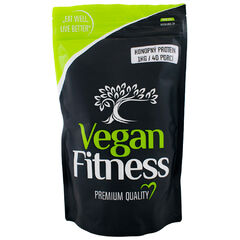
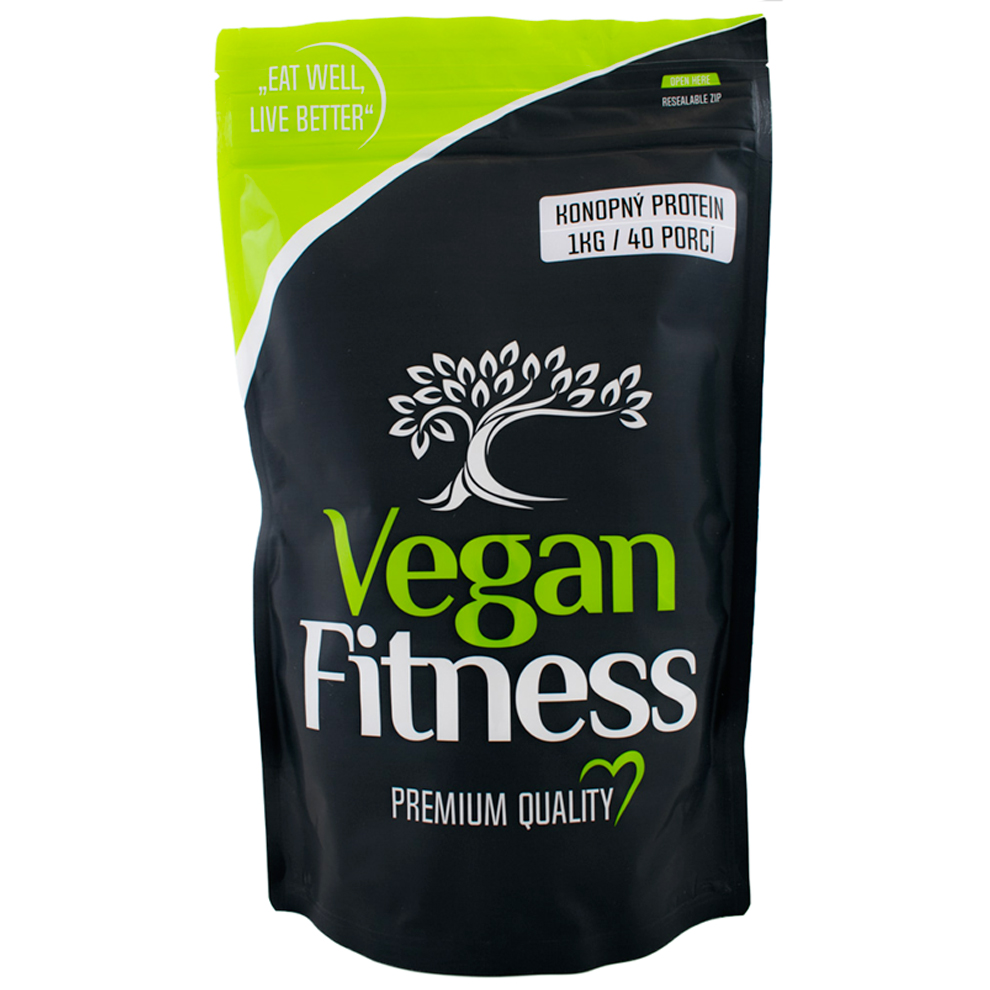
Vegan Fitness Konopný Protein
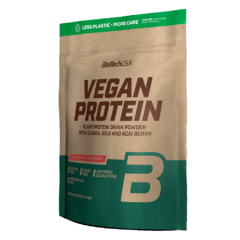
BiotechUSA Vegan Protein
Sources:
- Li, Y., Yang, R., Hu, X., Long, Z., & et al (2008). Wei sheng yan jiu = Journal of hygiene research, 37(2), 175-178
House, J. D., Neufeld, J., & Leson, G. (2010). Evaluating the quality of protein from hemp seed (Cannabis sativa L.) products through the use of the protein digestibility-corrected amino acid score method. Journal of agricultural and food chemistry, 58(22), 11801-11807. https://doi.org/10.1021/jf102636b
https://www.acs.org/pressroom/presspacs/2014/acs-presspac-january-29-2014/new-analysis-finds-hempseed-oil-packed-with-health-promoting-compounds.html
Orchard, T. S., Pan, X., Cheek, F., Ing, S. W., & Jackson, R. D. (2012). A systematic review of omega-3 fatty acids and osteoporosis. The British journal of nutrition, 107 Suppl 2(0 2), S253-S260. https://doi.org/10.1017/S0007114512001638
McRae M. P. (2018). The Benefits of Dietary Fiber Intake on Reducing the Risk of Cancer: An Umbrella Review of Meta-analyses. Journal of chiropractic medicine, 17(2), 90-96. https://doi.org/10.1016/j.jcm.2017.12.001
Yousofi, M., Saberivand, A., Becker, L. A., & Karimi, I. (2011). The effects of Cannabis sativa L. seed (hemp seed) on reproductive and neurobehavioral end points in rats. Developmental psychobiology, 53(4), 402-412. https://doi.org/10.1002/dev.20534
Karimi, I., Hayatghaibi, H., Yousefi, J., Saberivand, A., & Zavareh, S. (2007). The effect of Cannabis sativa L. (hemp seed) on hematological parameters in guinea pigs. Cardiovascular & hematological disorders drug targets, 7(4), 288-290. https://doi.org/10.2174/187152907782793554
Farinon, B., Molinari, R., Costantini, L., & Merendino, N. (2020). The seed of industrial hemp (Cannabis sativa L.): Nutritional Quality and Potential Functionality for Human Health and Nutrition. Nutrients, 12(7), 1935. https://doi.org/10.3390/nu12071935
No posts have been made yet.








