




Have you decided to have a baby? Which supplements are actually worth taking when you're planning a pregnancy?
 Author:
Imagine a couple in their thirties. They both exercise regularly, try to live a healthy lifestyle, have a stable foundation, and one day they consciously make a decision that will change their lives. They decide to start a family. At first, everything may seem simple, but because they both strive to live a healthy lifestyle, questions arise: Should the woman start taking folic acid? Does her partner need zinc? Will omega-3 or coenzyme Q10 help? And is there even a supplement that can increase the likelihood of getting pregnant?
Just a few minutes of searching online is enough to give you the impression that planning for parenthood is impossible without a whole range of vitamins, minerals, and special supplements.
But science tells a slightly different story. Some supplements are crucial even before a positive pregnancy test. For others, however, even large-scale studies have failed to confirm that they actually help couples conceive.
Article Contents:
- Preparing for pregnancy doesn’t start with a positive test
- Folic Acid: One of the Most Important Supplements Before Conception
- Vitamin D, iodine, and omega-3: Why getting the right amount matters
- Planning a Baby? Start with Nutrients That Really Make a Difference
- What About Men? A Large Study Yielded Surprising Results
- Coenzyme Q10 and myo-inositol: Promising science or premature enthusiasm?
- Fertility and Fitness: One Thing Men Shouldn’t Forget
- It’s Not the Number of Supplements That Matters, but Proper Preparation

Preparing for pregnancy doesn’t start with a positive test
When people hear “pregnancy nutrition,” most imagine the period when a woman is already expecting a child. However, some of the most important developmental processes take place at a time when a woman may not yet know she is pregnant. A typical example is the formation of the neural tube, from which the baby’s brain and spinal cord gradually develop. The neural tube closes approximately within the first four weeks after fertilization.
And that is precisely why it makes sense to address certain nutrients even before conception itself. This does not mean, however, that every woman needs ten different dietary supplements. It is much more important to know which nutrients have been proven to be essential and which should only be supplemented in cases of insufficient intake or based on an individual’s health status.
Folic Acid: One of the Most Important Supplements Before Pregnancy
If we had to choose one nutrient whose supplementation has exceptionally strong scientific support before a planned pregnancy, it would be folic acid, or vitamin B9. Folic acid plays a role in cell division and the formation of embryonic tissues. Adequate intake around the time of conception helps reduce the risk of serious neural tube defects.
The U.S. Preventive Services Task Force (USPSTF) states in its 2023 recommendation that women planning a pregnancy should consume 400–800 micrograms of folic acid daily. It is advisable to begin supplementation at least one month before planned conception and to continue during the first two to three months of pregnancy.
However, it is important to understand what folic acid can actually do.
It is not a miracle cure that guarantees pregnancy. Its best-documented benefit lies in reducing the risk of certain birth defects in the baby.
For women at higher risk—for example, those who have had a previous pregnancy with a neural tube defect or who are taking certain medications—a doctor may recommend a different dosage.
Vitamin D, Iodine, and Omega-3: Why Adequate Intake Matters
In addition to folic acid, there are other nutrients worth paying attention to. Vitamin D contributes to the normal function of the immune system and plays an important role in calcium metabolism. It is advisable to address a deficiency, but vitamin D supplementation alone in women with sufficient levels has not been conclusively shown to increase fertility.
Iodine is important for the normal production of thyroid hormones. These hormones also play a crucial role during a child’s development. Professional organizations therefore often recommend that women planning a pregnancy take a supplement containing 150 micrograms of iodine daily. However, in cases of thyroid disease, iodine intake must be addressed on an individual basis with a doctor.
And then there are omega-3 fatty acids, primarily EPA and DHA. DHA contributes to the normal development of the brain and eyes of the fetus and breastfed infants when consumed in adequate amounts. This is precisely why it is important to consider high-quality sources of omega-3, such as suitable types of fish or dietary supplements as needed.
European recommendations for pregnancy call for an additional intake of approximately 100–200 mg of DHA per day on top of the standard recommended intake of EPA and DHA. However, it is important to distinguish between two things: the importance of omega-3s for the nutrition of the mother and child does not mean that fish oil automatically increases the likelihood of conception.

Planning to have a baby? Start with nutrients that really make a difference
Preparing for pregnancy doesn’t have to mean a shelf full of dietary supplements. It makes much more sense to focus on a few key nutrients and choose supplements based on your diet and health status. The foundation remains a varied diet and an early consultation with a gynecologist, especially if a woman is already taking medication or dealing with health issues.
To supplement folic acid, you can use VitaHarmony Folic Acid 400 µg. If a woman prefers a more comprehensive formula, an alternative could be Viridian Pregnancy Complex, which contains 400 µg of folic acid, 150 µg of iodine, vitamin D, and other nutrients in two capsules. However, these two options should not be combined without good reason.
If the diet does not contain sufficient sources of omega-3, GymSupps Omega 3 may also be an option. One capsule contains 180 mg of EPA and 120 mg of DHA. During pregnancy, however, it is important to focus on total DHA intake, not just the amount of fish oil. It is advisable to consult with a doctor regarding the specific product and dosage.
Recommended
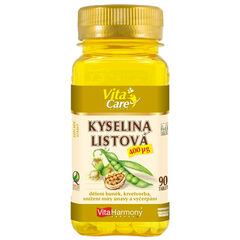
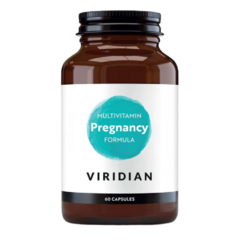
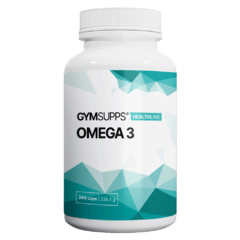
GymSupps Omega 3
What About Men? A Large Study Has Yielded Surprising Results
When planning a pregnancy, most of the attention naturally focuses on women. But fertility is a matter for both partners. And it is male supplementation that has yielded several surprising scientific findings in recent years. In 2020, the prestigious journal JAMA published a randomized clinical trial involving 2,370 couples undergoing infertility treatment.
The researchers investigated whether zinc and folic acid supplementation in men would lead to improved sperm quality and a higher likelihood of having a child. However, the results did not confirm these expectations. In the supplementation group, approximately 34% of couples had a child, while in the placebo group, approximately 35% did.
The difference was not statistically significant. And that’s not all. A meta-analysis published in 2025 evaluated 50 randomized studies of dietary supplements for male infertility. Some substances, such as zinc, selenium, carnitine, or coenzyme Q10, affected individual sperm parameters.
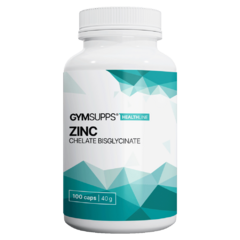
Overall, however, no improvement in outcomes—such as pregnancy or childbirth—was demonstrated. A better semen analysis result does not automatically mean a higher probability that a couple will actually conceive a child. That does not mean, however, that zinc or other micronutrients are unimportant. Zinc, for example, contributes to normal fertility and reproduction. If a man is deficient in zinc, it makes sense to ensure he gets an adequate intake.
However, there is no reason to assume that additional high doses in a well-nourished man will automatically lead to better fertility. And this is precisely where the difference lies between an important nutrient and a proven treatment for infertility.

Coenzyme Q10 and Myo-Inositol: Promising Science or Premature Enthusiasm?
You may have come across recommendations online to take coenzyme Q10 or myo-inositol before planning a pregnancy. Both substances are the subject of scientific research, but their effects need to be interpreted correctly. For example, a study published in 2018 followed 169 women with diminished ovarian reserve who were undergoing assisted reproduction.
In women taking coenzyme Q10, researchers observed a better response to stimulation and some more favorable laboratory indicators of embryo quality. However, the difference in the number of live births was not statistically significant. Subsequent meta-analyses suggest potential benefits of CoQ10 for selected patients undergoing IVF; however, the available studies have methodological limitations, and universal recommendations cannot be derived from them for all women planning to have a child.
A similarly cautious approach is needed regarding myo-inositol. It is being studied, for example, in women with polycystic ovary syndrome (PCOS). However, international guidelines from 2023 still consider its use specifically for the treatment of infertility to be experimental.
The fact that a certain substance affects a laboratory marker does not necessarily mean that it demonstrably increases the chances of a healthy pregnancy.

Fertility and Fitness: One Thing Men Shouldn't Forget
In the world of bodybuilding and strength sports, there is another important issue that is closely related to family planning. Testosterone and anabolic steroids. Some men use them to enhance athletic performance, build muscle, or improve body composition. However, exogenous testosterone administration can suppress the natural hormonal regulation of sperm production.
In some cases, this can lead to a significant reduction in sperm count or a temporary absence of sperm in the ejaculate. The American Urological Association (AUA) and the American Society for Reproductive Medicine (ASRM) therefore do not recommend testosterone therapy alone for men who are planning to have children now or in the future. It can take months—and sometimes even longer—for sperm production to return after discontinuing treatment. Therefore, when planning a family, it is important to discuss the use of these substances with a specialist rather than experimenting with self-medication.
Compared to whether a man takes a few milligrams more of zinc, this factor may have a much greater impact on his reproductive health.
What matters most isn’t the number of supplements, but proper preparation
Perhaps we’ve gotten used to thinking about health in much the same way as we do about athletic performance. When we want better results, we look for ways to gain that extra percentage point—a new training plan, a better diet, a higher-quality supplement. But planning for parenthood isn’t a competition to see who takes more vitamins.
It’s much more important to take care of both partners’ health over the long term: don’t smoke, limit or avoid alcohol, get enough exercise and sleep, and eat a varied diet. For women, it’s also advisable to prepare for pregnancy with a gynecologist and check for necessary vaccinations, medications, and any chronic conditions. If conception isn’t happening, it’s not advisable to keep trying new supplements indefinitely. A medical evaluation is generally recommended after 12 months of unsuccessful attempts for women under 35, after 6 months for women 35 and older, and sooner if there are known risk factors.
And the evaluation should include both partners.
After all, perhaps the most important preparation for parenthood doesn’t begin with buying the most expensive dietary supplement. It begins the moment we stop looking for a miracle solution and start paying attention to what our bodies truly need.
Recommended
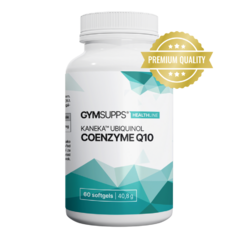
GymSupps Kaneka™ Ubiquinol Coenzyme Q10
Expert Sources:
- USPSTF (2023): Folic Acid Supplementation to Prevent Neural Tube Defects
- Schisterman et al. (2020): Effect of Folic Acid and Zinc Supplementation in Men on Semen Quality and Live Birth
- The Effect of Dietary Supplements on Male Infertility (2025): Systematic Review and Meta-Analysis
- Xu et al. (2018): Coenzyme Q10, Ovarian Response, and Embryo Quality
- International Evidence-Based Guideline for PCOS (2023)
- AUA/ASRM: Diagnosis and Treatment of Infertility in Men
- NIH: Diet and Supplements and Life Stages – Pregnancy
This article is for informational purposes only and is not a substitute for individualized preconception, gynecological, or andrological care.
No posts have been made yet.