Ginseng: a gift from the Orient for health and vitality
 Author:
 Ginseng is an herb that has been used in Asia and North America for centuries. Historically, healers in these countries have used it to strengthen the immune system, fight infections, stimulate concentration, promote memory and increase physical endurance. It has also been used for depression, anxiety, or as a natural remedy for chronic fatigue, headaches, fevers, or digestive problems. Native Americans once even used ginseng root to treat infertility. Let's take a closer look at this interesting herb today and see how many of the benefits mentioned can really be confirmed by current research.
Article content:
- Theoretical window - what is ginseng?
- Types of ginseng and their properties
- Health benefits of ginseng
- How to take ginseng?
- Possible side effects and drug interactions
Theoretical window - what is ginseng?
Ginseng is an herb that is rich in antioxidants and has been used in traditional Chinese medicine for centuries. This slow-growing herb contains beneficial substances called saponins. Among the most important saponins found in ginseng are ginsenosides. These are found mainly in the root of the plant, and to a lesser extent in the leaves. As already mentioned, ginseng has a decent content of antioxidants, which protect our body from the negative effects of free radicals. Research suggests that ginseng may offer benefits for brain health, immune function, blood sugar regulation and much more.
Types of ginseng and their properties
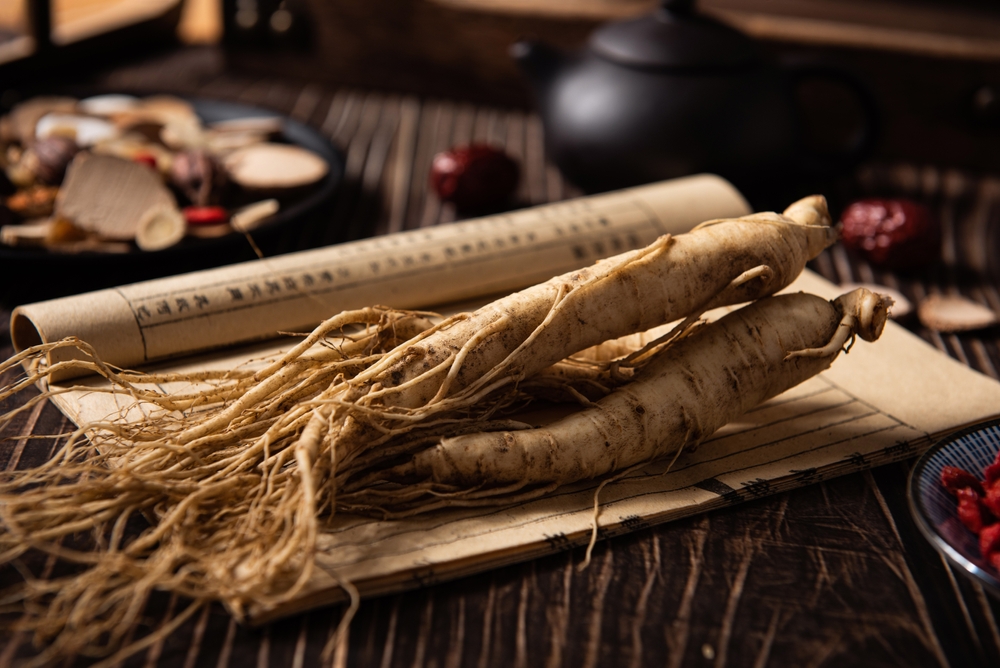
There are many varieties of this herb, but the most popular are American ginseng (Panax quinquefolius) and Asian ginseng (Panax ginseng). American and Asian ginseng differ in the concentration of active substances and therefore in their effects on the body. According to some older research, American ginseng is thought to be a relaxant, while the Asian variety is more of a stimulant. Ginseng contains two important compounds: ginsenosides and flavonoids. These compounds complement each other and provide various health benefits.
At least eleven species of ginseng can be found in nature. They all belong to the genus Panax in the family Araliaceae. The botanical name Panax means "all healing" in Greek. As already mentioned, the most famous ginseng species include American, Asian and Siberian ginseng. Below, we'll share a few interesting facts about each species and explain how they differ from each other.
Asian ginseng
Panax ginseng, also known as red ginseng and Korean ginseng, is by far the most well-known and traditional form of ginseng. It has been used for its effects for thousands of years, especially in traditional Chinese medicine. This form can help with weakness, exhaustion, type 2 diabetes, erectile dysfunction or memory problems.
American ginseng
Panax quinquefolius grows mainly in North America, most commonly around New York, Pennsylvania, Wisconsin and Ontario, Canada. It has been shown to help fight depression, balance blood sugar levels, improve concentration and boost the immune system. It also benefits digestion and helps regulate digestive problems caused by stress and anxiety. The American variety is milder than the Asian type, but is still highly regarded for its ability to provide relief from a wide range of ailments. Unlike the Asian type, which has more of a stimulating effect, the American variety is more for relaxation.
Siberian Ginseng
Eleutherococcus senticosus grows mainly in Russia and Asia. This species is also referred to simply as eleuthero because it contains high levels of eleutherosides, which have very similar benefits to the ginsenosides found in Panax ginseng. Siberian ginseng is therefore not a ginseng in the strict sense, but it is nevertheless commonly classified as a ginseng. Studies suggest that Siberian ginseng can increase VO2 max, optimize cardiovascular endurance, help delay fatigue, and promote strong immunity.
.jpg)
Health benefits of ginseng
Enough with the theory, let's now talk about the benefits that taking ginseng can bring us.
Strengthening the immune system
One of the most well-known and appreciated benefits of ginseng is its ability to boost the immune system - helping the body fight infection and disease. The roots, stems and leaves are used to maintain immune homeostasis and increase resistance to disease or infection. Several clinical studies have shown that American ginseng improves the performance of cells that have the ability to influence just our defenses. Ginseng extracts produce antimicrobial compounds that act as a defense mechanism against bacterial and viral infections. In addition, ginseng stimulates the production of white blood cells, which are essential for strong immunity.
Another benefit that ginseng offers in this regard is the fact that it has strong antibacterial effects. Some studies have concluded that ginsenoside and flavonoid compounds can inhibit inflammation and reduce oxidative damage to cells, which is a useful prevention of the development of chronic diseases. In addition, athletes can also benefit, as we find studies that say short-term supplementation with American ginseng extract can reduce exercise-induced muscle damage and reduce markers of inflammation. However, more research is needed to truly confirm this effect.
Increasing energy and promoting vitality
Ginseng has been shown to help relieve fatigue and increase energy levels. Several studies conducted on animal subjects have concluded that certain components of ginseng, such as polysaccharides and oligopeptides, may help reduce oxidative stress levels in cells and increase energy production, which could help delay the onset of fatigue. Research summarizing the results of ten different studies concluded that ginseng can significantly improve the symptoms of chronic fatigue syndrome compared to placebo, after just 15 days of use. In addition, there is also emerging evidence to suggest that ginseng supplements can not only help reduce fatigue but can also stimulate physical performance, which can benefit athletes.
Adaptogenic properties: helping the body in times of stress
Ginseng is considered one of the most powerful adaptogens ever. Panax ginseng has been shown to positively affect mental performance, stimulate cognitive function, promote alertness, and even reportedly has the ability to improve mood. Studies are inclined to conclude that Panax ginseng has significant anti-stress properties and can be used to treat a variety of stress-induced conditions such as depression, anxiety, migraines and other ailments.
Improving cognitive function and memory
Ginseng stimulates brain cells, improves concentration and has a positive effect on cognitive function. The results of a number of studies show that taking ginseng root daily for 12 weeks can improve mental performance in people with Alzheimer's disease. Ginseng also has demonstrable neuroprotective effects. Although more research is needed on this topic, there is also research that says a combination of American ginseng and ginkgo biloba may be beneficial for ADHD patients.
Effect on blood sugar levels
Several studies have concluded that American ginseng helps regulate blood sugar levels in people with type 2 diabetes. Panax can reportedly lower blood glucose levels approximately one hour after consumption, confirming that ginseng has glucoregulatory properties. Other studies suggest that Korean red ginseng can improve insulin sensitivity, further supporting the speculation of the herb's usefulness in lowering blood sugar levels and making it a really useful helper for people suffering from this disease, but also in the prevention of the development of diabetes itself.
.jpg)
Other potential benefits
- Helps treat erectile dysfunction
- Stimulates libido
- Promotes athletic performance
- Regulates cholesterol
- Accelerates recovery after illness or injury
- Relieves difficulties associated with transition
- Potential anti-cancer effects
How to take ginseng?
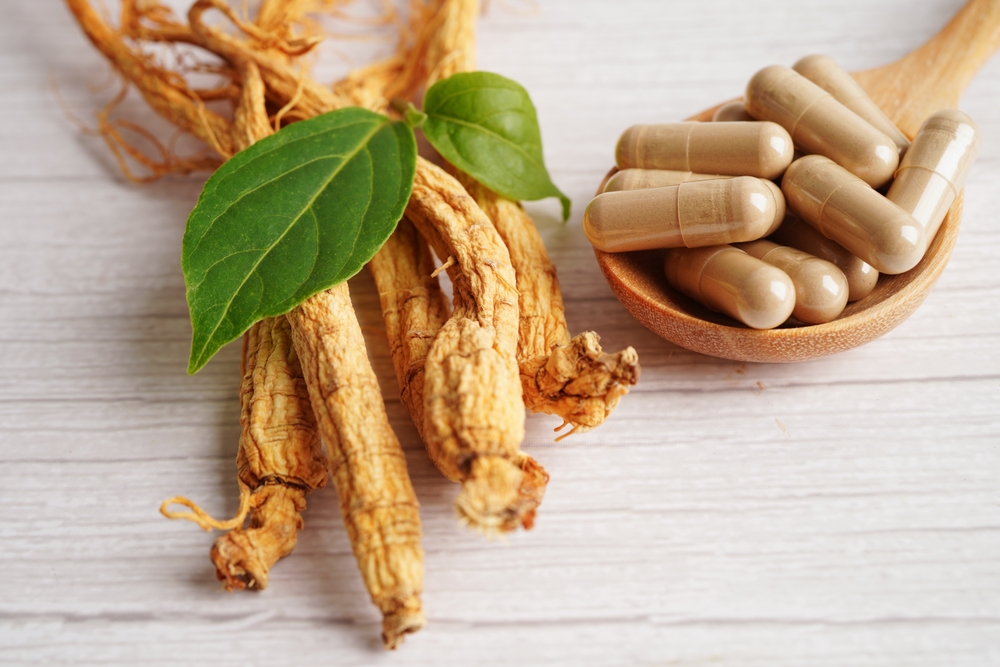
Ginseng can be taken in many different forms. You can buy it as a loose powder, tablets, capsules or oil. You can make a tasty tea from the fresh root, or incorporate it into soups, sauces, or other recipes. To optimize the effects of ginseng, proper dosage is of course key. But this depends mainly on the problem you want to regulate. Listed below are some of the most common recommendations for treating various ailments.
For example, to alleviate the symptoms of type 2 diabetes, according to research, a dose of around 200 milligrams per day is effective. For the treatment of erectile dysfunction, taking 900 milligrams of Panax three times a day is useful, according to scientists. For stress, tension or fatigue, it is recommended to take 1 gram per day or 500 milligrams twice a day. Generally, daily doses of 1-2 grams of raw ginseng root or 200-400 mg of extract are recommended. It is best to start with lower doses and gradually increase them if necessary. Some sources state that to maximize the effects, it is advisable to cycle ginseng, but the length of time it is ideal to supplement varies from source to source. Some experts recommend a one-month cycle and a two-week break, while others recommend a two-month cycle and a one-month break.
In terms of product selection, we recommend standard ginseng extract, which contains 10% ginsenosides. Consume ginseng ideally before meals to increase its absorption so you can fully reap the benefits this herb has to offer. Only buy ginseng from reputable retailers and read the ingredients of the products you buy carefully.
Recommended
VitaHarmony Ženšen 1000mg
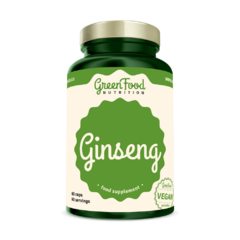
GreenFood Ženšen
Possible side effects and drug interactions
Negative side effects of ginseng are rather rare in healthy adults. In some people, ginseng can act as a stimulant, so it can cause nervousness and insomnia - especially if taken in large doses. Also, caffeine can intensify its stimulant effects. Long-term use or high doses can cause headaches, dizziness and stomach pain. Women who take ginseng regularly may experience changes in their menstrual cycle. Due to the lack of evidence on its safety, ginseng is not recommended for children, or for women who are pregnant or breastfeeding.
This herb can affect blood sugar levels, so people taking medication for diabetes should first consult their GP about supplementation. Ginseng may interfere with some antidepressants. There are also concerns that Panax increases the symptoms of autoimmune diseases such as lupus and rheumatoid arthritis, so people suffering from these conditions should also consult their doctor first.
What to take away from the article?
Ginseng is an herb that has been known for its beneficial effects on human health for quite a number of years. Its use dates back to the history of ancient Chinese medicine, where ginseng was used for many different purposes - from boosting immunity, to promoting concentration, to treating erectile dysfunction. In modern medicine, ginseng is also used to help regulate stress, promote memory and concentration, and can be beneficial in regulating blood pressure or treating symptoms associated with diabetes. Ginseng can be consumed fresh or taken in powder, capsule, tablet or oil form. The dosage depends mainly on the problems you want to regulate using its power. Ginseng is quite problematic in relation to other drugs, so if you have to take any medication regularly, you should consult your doctor first for its supplementation.
Recommended

Nebbia Classic Hero legíny s vysokým pasem 570

Nebbia Lounge mikina CLUB D’OR 642

Nebbia Washed-off volné baggy tepláky s kapsami GYM BRO 373
New 100% Whey Protein 800g 1+1
Sources:
- Hyun, S. H., Bhilare, K. D., In, G., Park, C. K., & Kim, J. H. (2022). Effects of Panax ginseng and ginsenosides on oxidative stress and cardiovascular diseases: pharmacological and therapeutic roles. Journal of ginseng research, 46(1), 33-38. https://doi.org/10.1016/j.jgr.2021.07.00
- Kuo, J., Chen, K. W., Cheng, I. S., Tsai, P. H., Lu, Y. J., & Lee, N. Y. (2010). The effect of eight weeks of supplementation with Eleutherococcus senticosus on endurance capacity and metabolism in humans. The Chinese journal of physiology, 53(2), 105-111. https://doi.org/10.4077/cjp.2010.amk018
- Reay, J. L., Scholey, A. B., & Kennedy, D. O. (2010). Panax ginseng (G115) improves aspects of working memory performance and subjective ratings of calmness in healthy young adults. Human psychopharmacology, 25(6), 462-471. https://doi.org/10.1002/hup.1138
- Lee, S. T., Chu, K., Sim, J. Y., Heo, J. H., & Kim, M. (2008). Panax ginseng enhances cognitive performance in Alzheimer disease. Alzheimer disease and associated disorders, 22(3), 222-226. https://doi.org/10.1097/WAD.0b013e31816c92e6
- Lee, J. S., Choi, H. S., Kang, S. W., Chung, J. H., Park, H. K., Ban, J. Y., Kwon, O. Y., Hong, H. P., & Ko, Y. G. (2011). Therapeutic effect of Korean red ginseng on inflammatory cytokines in rats with focal cerebral ischemia/reperfusion injury. The American journal of Chinese medicine, 39(1), 83-94. https://doi.org/10.1142/S0192415X1100866X
- Lee, J. M., Hah, J. O., & Kim, H. S. (2012). The effect of red ginseng extract on inflammatory cytokines after chemotherapy in children. Journal of ginseng research, 36(4), 383-390. https://doi.org/10.5142/jgr.2012.36.4.383
- Reay, J. L., Kennedy, D. O., & Scholey, A. B. (2006). Effects of Panax ginseng, consumed with and without glucose, on blood glucose levels and cognitive performance during sustained 'mentally demanding' tasks. Journal of psychopharmacology (Oxford, England), 20(6), 771-781. https://doi.org/10.1177/0269881106061516
- Kang, S., & Min, H. (2012). Ginseng, the 'Immunity Boost': The Effects of Panax ginseng on Immune System. Journal of ginseng research, 36(4), 354-368. https://doi.org/10.5142/jgr.2012.36.4.354
- Bao, L., Cai, X., Wang, J., Zhang, Y., Sun, B., & Li, Y. (2016). Anti-Fatigue Effects of Small Molecule Oligopeptides Isolated from Panax ginseng C. A. Meyer in Mice. Nutrients, 8(12), 807. https://doi.org/10.3390/nu8120807
- Bach, H. V., Kim, J., Myung, S. K., & Cho, Y. A. (2016). Efficacy of Ginseng Supplements on Fatigue and Physical Performance: a Meta-analysis. Journal of Korean medical science, 31(12), 1879-1886. https://doi.org/10.3346/jkms.2016.31.12.1879
- Saba, E., Lee, Y. Y., Kim, M., Kim, S. H., Hong, S. B., & Rhee, M. H. (2018). A comparative study on immune-stimulatory and antioxidant activities of various types of ginseng extracts in murine and rodent models. Journal of ginseng research, 42(4), 577-584. https://doi.org/10.1016/j.jgr.2018.07.004
- Lu, G., Liu, Z., Wang, X., & Wang, C. (2021). Recent Advances in Panax ginseng C.A. Meyer as a Herb for Anti-Fatigue: An Effects and Mechanisms Review. Foods (Basel, Switzerland), 10(5), 1030. https://doi.org/10.3390/foods10051030
- Dai, D., Zhang, C. F., Williams, S., Yuan, C. S., & Wang, C. Z. (2017). Ginseng on Cancer: Potential Role in Modulating Inflammation-Mediated Angiogenesis. The American journal of Chinese medicine, 45(1), 13-22. https://doi.org/10.1142/S0192415X17500021
- Gui, Q. F., Xu, Z. R., Xu, K. Y., & Yang, Y. M. (2016). The Efficacy of Ginseng-Related Therapies in Type 2 Diabetes Mellitus: An Updated Systematic Review and Meta-analysis. Medicine, 95(6), e2584. https://doi.org/10.1097/MD.0000000000002584
No posts have been made yet.