



For older adults, does it matter where they get their protein from?
 Author:
Meeting your daily protein intake goal should be a priority for anyone who wants to maintain muscle mass, strength, and overall health—especially as you age. However, there are often lengthy debates about which sources are best for protein. Is it really necessary to rely exclusively on meat and eggs, or can a plant-based diet do the job just as well?
There’s still a very persistent myth circulating among people in the fitness community: to achieve the results you want, you have to eat animal protein. However, the latest scientific findings suggest that as long as you’re getting enough protein overall, the source matters far less than has been claimed for many years.
A Study That Debunks the Myths
An interesting study recently examined how different protein sources affect muscle protein synthesis (MPS) in adults aged 50 to 70. The conclusion was surprising to many: participants experienced the same rate of muscle growth regardless of whether most of their protein came from plant or animal sources.
The decisive factor was not the difference between whey and pea protein. The decisive factor was the training itself.
In the study, researchers divided the participants into two groups on a strictly controlled diet for 10 days. Both groups consumed approximately 1 gram of protein per kilogram of body weight per day. One diet was based on animal foods and whey protein, while the other relied heavily on plant-based foods and pea protein.
At the same time, participants trained only one leg every other day (on a leg press machine), while resting the other. The result was clear: muscle protein synthesis was 12 percent higher in the trained leg, regardless of which diet the participants followed.
Although the animal-based diet provided the body with more leucine and other essential amino acids, in practice it did not yield any measurable benefit for muscle growth.
Context is important
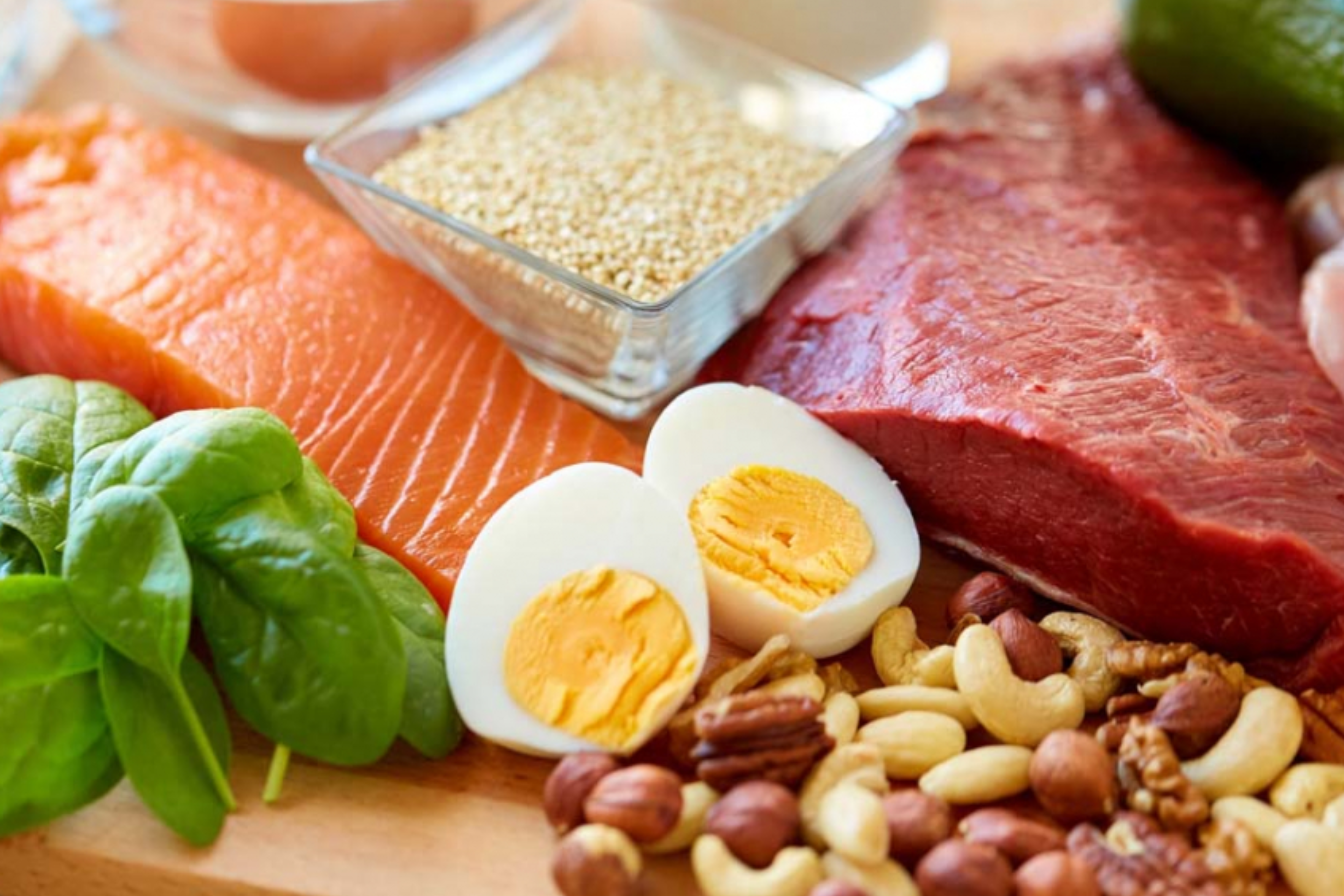
Of course, it cannot be said that all proteins are exactly the same. We know that some animal proteins objectively have a better and more complete amino acid profile. However, it appears that if the diet is properly formulated, these differences may not have a significant impact on the final outcome (i.e., the maintenance and growth of muscle mass in older adults).
It’s important to emphasize that the plant-based diet in that study was carefully planned and supplemented with high-quality pea protein. This is therefore not proof that any random selection of plant-based foods will automatically serve its purpose. Quality and variety still play a role.
How can you make things easier for yourself while ensuring quality?
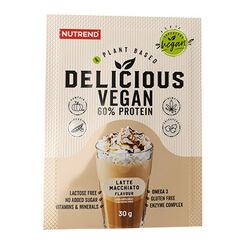
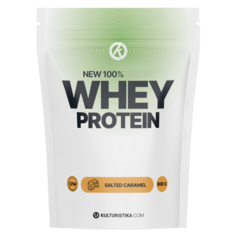
Ensuring a supply of high-quality, easily digestible protein—whether animal- or plant-based—can sometimes be challenging amid the hustle and bustle of daily life. This is where supplements like 100% Whey Protein or modern vegan proteins come in. High-quality plant-based and pea protein isolates are an excellent choice for those who want to avoid lactose and tap into the pure power of nature. They provide a complete spectrum of amino acids without straining the digestive tract, which is a huge benefit for older adults. Simply mix a scoop with water, and you can be sure your muscles will get exactly what they need to recover after a workout.
Recommended

Don't overcomplicate things
For both the average person and athletes, the lesson is clear: maintaining muscle mass (especially as you get older) doesn’t have to be unnecessarily complicated. The key is to focus on your total daily intake.
General recommendations for protein intake are as follows:
- Active individuals (who exercise regularly): 1.6 to 2.2 grams of protein per kilogram of your target body weight.
- Inactive individuals: About 1.2 grams of protein per kilogram of body weight.
But there’s one huge catch...
You can know exactly how much protein you need to eat each day and have the best workout plan in the world. But if you’re trying to cram those 1.6 to 2.2 grams per kilogram of body weight into your diet solely from solid foods, you’ll likely hit a wall soon. Eating chicken breasts, piles of eggs, or kilos of legumes over and over again isn’t just time-consuming—it also puts a huge strain on your digestive system. What’s more, as you get older, your appetite often naturally decreases, and forcing yourself to eat another portion of meat against your will simply isn’t sustainable in the long run.
An overloaded stomach can’t effectively process these large amounts of hard-to-digest food; you’ll just feel bloated and drained of energy, and you won’t achieve the body you’ve been dreaming of. Charts and macro calculations simply can’t change the fact that you have to get that protein into your system somehow.
The solution, however, is logical and straightforward—you need to give your body a break and provide it with building blocks in their purest and most easily digestible form. As science has confirmed, your muscles don’t need elaborate animal feasts to grow. What matters to them is getting enough—not how much you struggle at the table.
Top-quality 100% Whey Protein is the absolute go-to solution for easily meeting your daily protein goal without feeling weighed down. Gently processed whey reaches your muscles in a flash, immediately supports recovery, and keeps your digestive system happy.
And since you already know that the source doesn’t matter—and a plant-based diet does the exact same job—if milk doesn’t agree with you, reach for vegan protein. It will provide your body with a complete spectrum of amino acids without a single drop of lactose.
Don’t let a lack of essential nutrients, fatigue from a monotonous diet, or an upset stomach hold you back. Maximize the use of every gram of protein in the smartest and tastiest way possible, and show everyone that you’ve finally taken control of your fitness.
Recommended
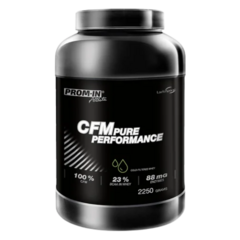
Prom-in CFM Pure Performance
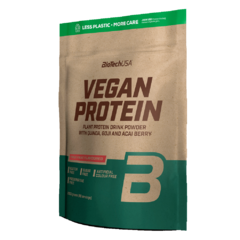
BiotechUSA Vegan Protein
No posts have been made yet.