Echinacea: How to optimize immunity the natural way?
 Author:
 Perhaps everyone knows that in the period when various respiratory diseases are spreading, it is good to take care of proper prevention, which in addition to a healthy and nutritionally rich diet, enough exercise and proper lifestyle can also include supplementation of key substances such as vitamin D or vitamin C, about whose natural supplementation we wrote in a recent article. Increasingly, however, we are hearing from athletes who are reaching for natural sources of important micronutrients instead of supplements. Within this article, we'll take a look at echinacea and discuss, among other things, how to use it, whether it's safe and whether there are relevant studies to confirm its effectiveness.
Article Content:
- What is Echinacea?
- What is echinacea?
- What does echinacea do for immunity?
- How to take echinacea?
- Safety of Echinacea
What is Echinacea?
Although there is also an English name for it, the Latin name echinacea is commonly used for this genus of plants belonging to the star family, similar to dandelion or sunflower. They are perennial herbs that are of great importance in ornamental horticulture, originally spreading throughout the USA and subsequently reaching Europe. It should be noted, however, that it has also recently gained popularity as a medicinal herb that has multiple uses - you will often see recommendations to use it for respiratory problems such as colds, flu and more. And that's why it has also been noticed by many athletes looking for natural ways to boost immunity. It contains a number of interesting substances such as polysaccharides, alkylamides or flavonoids.
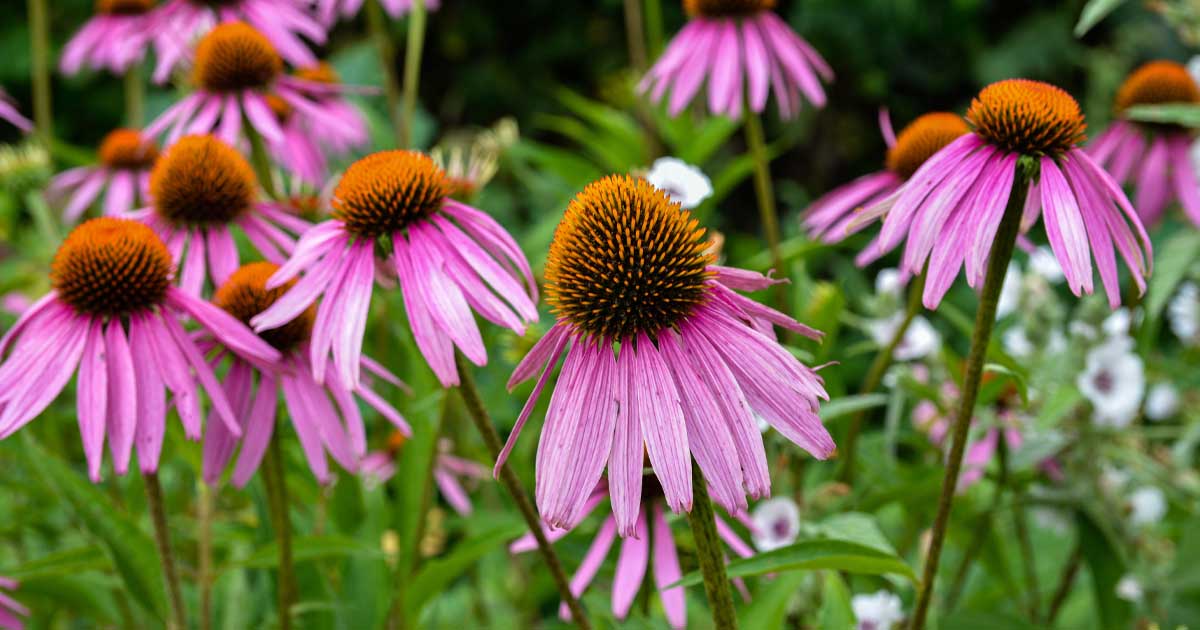
Echinacea is usually recommended because of its wide range of interesting substances.
How does echinacea boost immunity?
There are 9 representatives of the Echinacea genus, but three are mainly used for the production of supplements - Echinacea purpurea, Echinacea angustifolia, and Echinacea pallida, from which both the aerial parts of the plant and the roots are processed. But what benefits can echinacea have? Let's take a look at them.
It contains a number of antioxidants
One of the biggest benefits of echinacea is undoubtedly its high antioxidant content. These substances then help the body fight oxidative stress, which some research has linked to diabetes or cardiovascular disease, for example. Of the antioxidants contained, cichoric acid, rosmarinic acid and various flavonoids are definitely worth mentioning.
May reduce the risk of respiratory diseases
Another often mentioned benefit of echinacea is its potential usefulness in fighting various infections and viruses. For example, one study conducted showed a possible reduction in the risk of upper respiratory tract infection by up to 22%. On the other hand, however, later peer-reviewed articles often criticise the design of previous research, and an analysis of previous research concludes that the preparations may have some not very significant benefit in boosting immunity in colds.
It may be anti-inflammatory
Inflammation is one of our body's natural processes, but sometimes it can get out of control and last longer than necessary for the body. However, studies conducted show that this particular herb can be a useful helper in reducing certain inflammatory markers, as even a meta-analysis working with over a hundred different studies has shown. In some studies, echinacea has even helped in situations where adults have not responded very well to even commonly recommended medications.
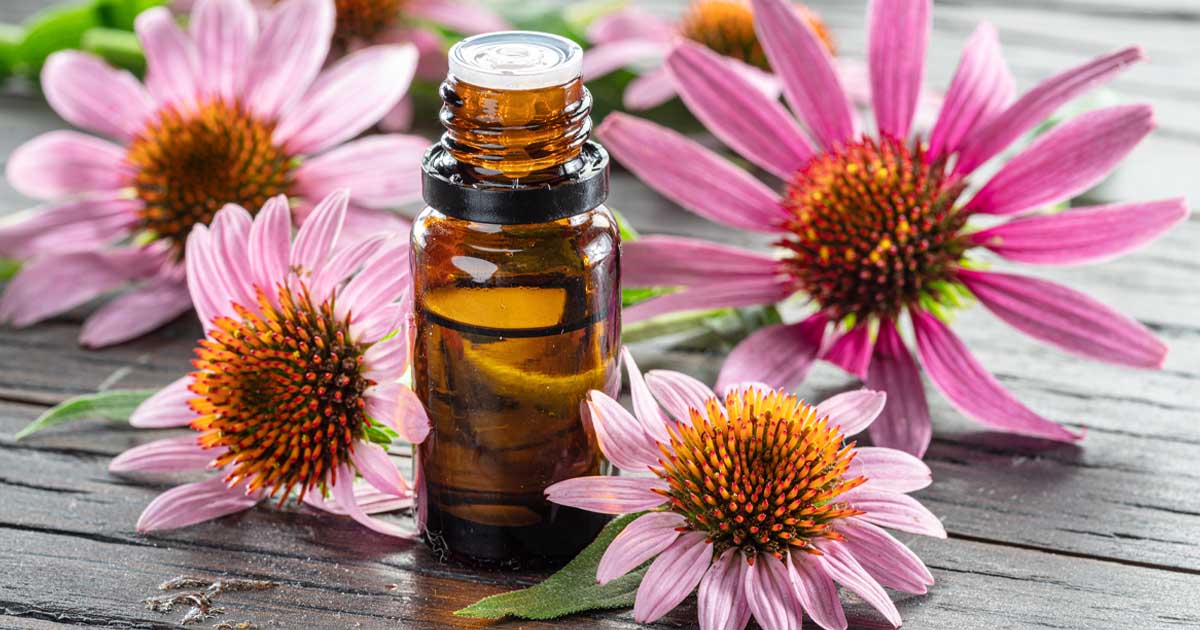
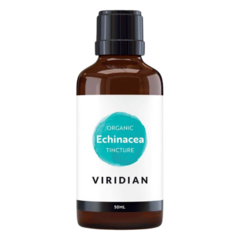
Echinacea is also available in tincture form

Other benefits
In addition, there are also studies that show, for example, the potential use of echinacea for various eczema conditions, and other research has concluded, for example, that taking echinacea can reduce anxiety compared to placebo. At the same time, some animal studies are interested in the effect of echinacea on wound healing, for example. However, further well-designed studies are definitely needed in these areas to confirm or refute these effects, as the currently available results are very mixed.
Studies on the effectiveness of echinacea
While there are certainly some scientific studies that come to the very interesting conclusions mentioned, among others, earlier in this article, there are still sources that are quite skeptical about the effectiveness of echinacea. Even the aforementioned meta-analysis speaks to the fact that the benefits of this substance may in fact be small. So it is definitely a good idea not to put excessive expectations on echinacea and think that it is who knows how miraculous a supplement to support immunity and vitality. But that doesn't mean it's not worth a try.
How to take echinacea?
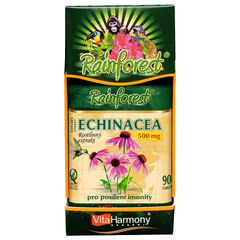
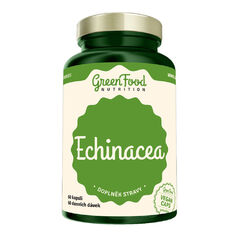
There is currently no official recommended dosage for echinacea, and even the dosages used in different scientific studies vary quite substantially. Therefore, some websites, referring to older research, recommend using either 300 to 500 mg of dried extract or 2.5 to 10 ml of tincture in a single dose for a short period of time. Both Echinacea tablets from VitaHarmony and Echinacea tablets from GreenFood are available in our shop.
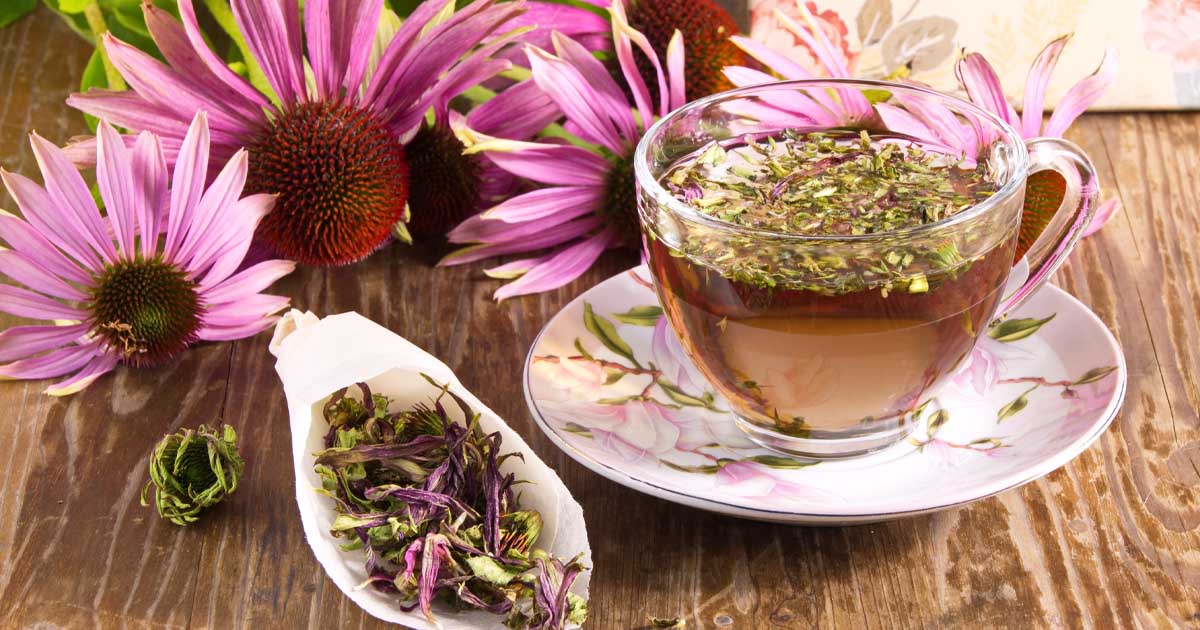
Echinacea can also be made into a tea, but it is more common to use it in capsules.
Echinacea safety
The good news is that echinacea is safe and well tolerated in both short-term and longer-term use, which is not as common, according to available research. If you happen to be uncomfortable with preparations made from this plant, you may notice minor skin or digestive problems, for example - in rare situations, such as allergies to echinacea, studies have shown that it can also cause hives or swelling. If you have any autoimmune diseases or take any medications on a regular basis, we definitely recommend that you consult your doctor about possible echinacea supplementation.
Conclusion
Although according to some research, echinacea looks quite promising, some studies are considerably more skeptical and show only a relatively small effect on, for example, our immune system. So, since it has no serious side effects in the vast majority of people when used short or long term, you can definitely try it, but we would recommend not to have any exaggerated expectations. You can choose from the aforementioned ground powder, tincture or supplements that combine echinacea with vitamin C, for example. However, if you want to optimise your immune system without supplements, natural treatments should include a healthy diet, sufficient exercise, good quality sleep and stress elimination.
No posts have been made yet.