Don't be afraid of fasting - it's fine!
 Author:
 In our lifetime, almost everyone has met someone who has mentioned fasting or heard someone fasting. But we can't even think of skipping food and living on water for a day. And if we do think about it, we end up with a lot of reasons why we shouldn't do it. Even though in the past it was a common custom in almost every family, unfortunately in today's fast-paced times there is no time to waste and so the custom has become just a word and the reason why fasting was kept has fallen into oblivion.
The meaning of fasting
Nowadays, when exercise in general is very widespread and almost every township has its " gym", there is a great emphasis on diet. Crossfitters, bodybuilders, strongmen or even powerlifters need to take in a large number of calories in order for their bodies to recover as quickly and as efficiently as possible.
Due to the fact that we have been ingesting food all our lives and not paying any more attention to cleansing the body, our detoxification organs kidneys, intestinal tract, liver, etc. become overwhelmed and cannot process the waste that accumulates in our intercellular space. However, if this space is overwhelmed for a long time, the body becomes over-acidified, which prevents our cells from producing hormones and enzymes, which can then lead to various disorders or diseases. By fasting for six days or more, this waste begins to be released and more oxygen and nutrients can enter the cells.
Another important reason why we should incorporate at least a one-day fast into our lives is that it will give our digestive tract a rest. This allows the gut to replenish foods that have not yet arrived.
By fasting, we become aware of how many moments we spend over food. Whether it's shopping, cooking, eating, boxing up, washing and cleaning up. Of course, when we start fasting, we find that in those moments when we no longer ritually eat every day - breakfast, snack, lunch, second snack, third snack, and dinner - we suddenly have a lot more time. And at the same time, we also see what our eyes have been missing - Everyone is still eating! Whether we're walking down the street, taking the bus, at work, or just sitting with a friend in the evening watching a movie. This gives us the opportunity to absorb the fact that food is really one of the forms that, while it gives us energy, it also takes it away.
During fasting, we become more aware of certain sensations. We see colors more clearly. Our nose begins to perceive smells and aromas that perhaps it has never smelled before.
Also, another one of the great benefits is that after the fast is over, when we start eating again, we have a huge appetite for tasting everything and then we may find that everything tastes different, much better! This is probably due to the love and passion with which we enjoy food after the fast.
Although we don't take in any calories during the fast from which our body can create energy that it couldn't be without, we have plenty of it. Every day after that during the fast, our energy increases and sticks with us throughout the day. However, don't imagine that you have more power to create a new "high" for example on the bench, but you are in a great mood, you are not tired, you still want to do something, create, walk or even run. If someone has a problem with getting up, believe that fasting will not let you sleep for a long time, not because you wake up hungry, but because your body is not tired from processing food from the previous day.
There's no hunger like hunger
While fasting, or fasting, there is sometimes a feeling of tightness in the stomach, some even speak of a headache, but this condition is momentary, and if we do not succumb to it and pay attention to it, it will disappear. Hunger may come, but it is not caused by our digestive tract. If we calm down and pay attention, however, we will find that this hunger which we sometimes perceive, during fasting, does not come from the stomach, because it indulges and can rest, but comes from the head, when your thinking itself creates the desire for food. At that moment, if you become aware of this, the hunger changes to taste and that makes a huge difference! Because if the thought of something to eat comes, you know that it is not your body asking for it because it would be starving and lacking nutrients, but only your mind.
During fasting, one must rest
One of the other misconceptions that are common.
As I stated at the beginning of this article, one has a lot of energy during fasting. Day by day there is more and more of it and so it would be a shame not to use it. If you incorporate fasting during days when you are not off but have scheduled workouts, you will find that you don't feel worse, but on the contrary, maybe even a little better.
The second option is to fast on your days off. Take nice walks in nature, watch the scenery and breathe in the fresh air. This gives your body more room to regenerate and you'd be surprised how much strength and energy you'll have after the fast is over.
Fasting as a diet
We come to perhaps the biggest myth about fasting. Many people think that by fasting they will lose excess pounds, then return to their lifestyle and keep the weight off. Yes, if you keep longer fasts, your weight will reduce and your body will start to use up the excess pounds, but we should remember one thing and what fasting is mainly for, to cleanse the body!
During short fasts lasting one to three days, your weight will not change much, because during that time your digestive tract will be rested. Longer fasts will change your weight, but longer fasts are for people who have experience with fasting, know their body and know how to work with fasting and use it to cleanse the body and not to lose weight. If we used fasting as a diet, there would be a so-called "yo-yo"effect - after we reduce our body weight and return to our previous lifestyle, the pounds will not only come back, but some will be put on.
Types of fasts and how to start
If we are starting to think about trying fasting, we should first know some basic information. Those who regularly incorporate it into their lives fall into two camps.
The first is the one that has fixed days, when they start and when they end. At the same time, how long it will last. Fasts last 1, 3, 7, 15, 21 or 40 days.
The second is more guided by their bodies and feelings, meaning they don't have a set length of fasting and don't plan for it. They start their fast by waking up in the morning and realizing that today is the day to start and they don't worry about how long it will last.
If you're a beginner, you should definitely start with short fasts, monitor your body and slowly build up. The day before the fast we should take a diet of smaller portions and one that is easier for the body to digest, vegetables, fruits, legumes, seeds, to prepare the body for the fast. The day after the fast, we follow the same procedure as the day before. During the fast we eat nothing and drink only water or herbal teas. The fast should be enjoyed as much as possible. We do not observe it to be deprived. It is a feast that not only helps the body but also the spirit.
My experience
I never plan my fasts particularly far in advance, at most a week in advance. Most of the time, however, I feel like fasting, lighten my diet the next day, and then starve. My fasts are always shorter - one to three days. I fast more to help my body rest from the constant supply of nourishment. It's also good to incorporate it the day after a party, celebration, or when our lifestyle is not exemplary.
Sport has been my whole life, I train seven to eight times a week so when I initially started thinking about fasting I wasn't unequivocally convinced it would help. However, I found out more information and eventually decided to fast. Even while writing this article, I kept the fast for three days - it was great! I had the first day off, one workout on the second day (half hour wod to improve fitness and then strength supplements), and then a two-phase workout on the third day (first phase of weightlifting for about an hour, second phase of strength wod). I didn't feel any different during the workout than on the days I eat normally.
If the feeling of hunger or craving comes, I don't pay special attention to these momentary states and they disappear in a moment by themselves. Headaches or anxiety never came up.
In my experience I can only recommend fasting. We should take care of our bodies, but not only externally, but also internally. The body is our shell in which we will be until death, we should not forget that. We are constantly using its great abilities, but what are we giving back? Everyone makes the excuse that now is not the time, so they wait and wait and sometimes miss out on their whole life. If we don't do it today, when?
Conclusion
Of course, even after reading this article, there will be those who will criticize and denigrate fasting. We are all entitled to our truth and it is up to us whether we believe in fasting or not. However, it is best to incorporate fasting into your life a few times and then evaluate it. I think that if you start, you will find that there is really nothing to fear and that you will enjoy it. You'll help your body cleanse, relax, and become aware of a few food-related illusions.
The myths about fasting being harmful to our bodies if we treat it with humility are really just myths.
Recommended
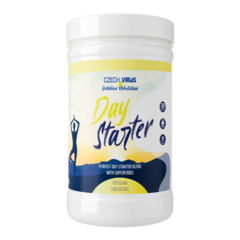
Czech Virus Day Starter

Synephrine 100cps 1+1
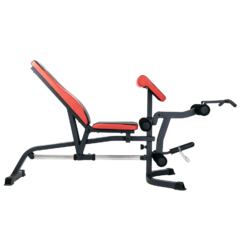
HMS Lavice pod velkou činku LS 3050
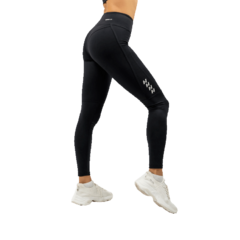
Nebbia Tvarující legíny s vysokým pasem AGILE 464
No posts have been made yet.