




Do you drink green tea? Scientists have discovered what it can do for your heart!
 Author:
In the morning, you make yourself a cup of coffee; during the day, you reach for another caffeine fix; and by evening, all you can think about is finally unwinding. Amid all these daily rituals, you may be overlooking one of the simplest beverages that people have been preparing for centuries. We’re talking about green tea—an unassuming beverage we usually associate with relaxation, antioxidants, or weight loss. But scientific research shows that its interesting potential may lie elsewhere entirely—in the area of heart and vascular health.
And what’s the best part? Unlike complicated health routines, it only takes a few minutes to incorporate it into your daily routine.
Article Contents:
- What’s in green tea? Small compounds with big potential
- 55 scientific studies have revealed a surprising connection
- Can drinking green tea regularly really benefit your heart?
- Tea, matcha, or extract? Be careful—they’re not the same thing
- How to incorporate green tea into your daily life?
What’s in green tea? Small compounds with great potential
Green tea is made from the leaves of the Camellia sinensis plant. Its defining characteristic is its high polyphenol content, particularly compounds known as catechins. One of the best-known is epigallocatechin gallate, or EGCG for short. It is this compound that accounts for much of the scientific interest in green tea.
Catechins are being studied, for example, for their antioxidant potential and possible effects on fat metabolism. Some experimental findings suggest that they may influence the way the body absorbs and processes cholesterol. However, this does not mean that every cup will automatically lower cholesterol or protect blood vessels. To understand the true significance of green tea, we need to look at the results of human studies.
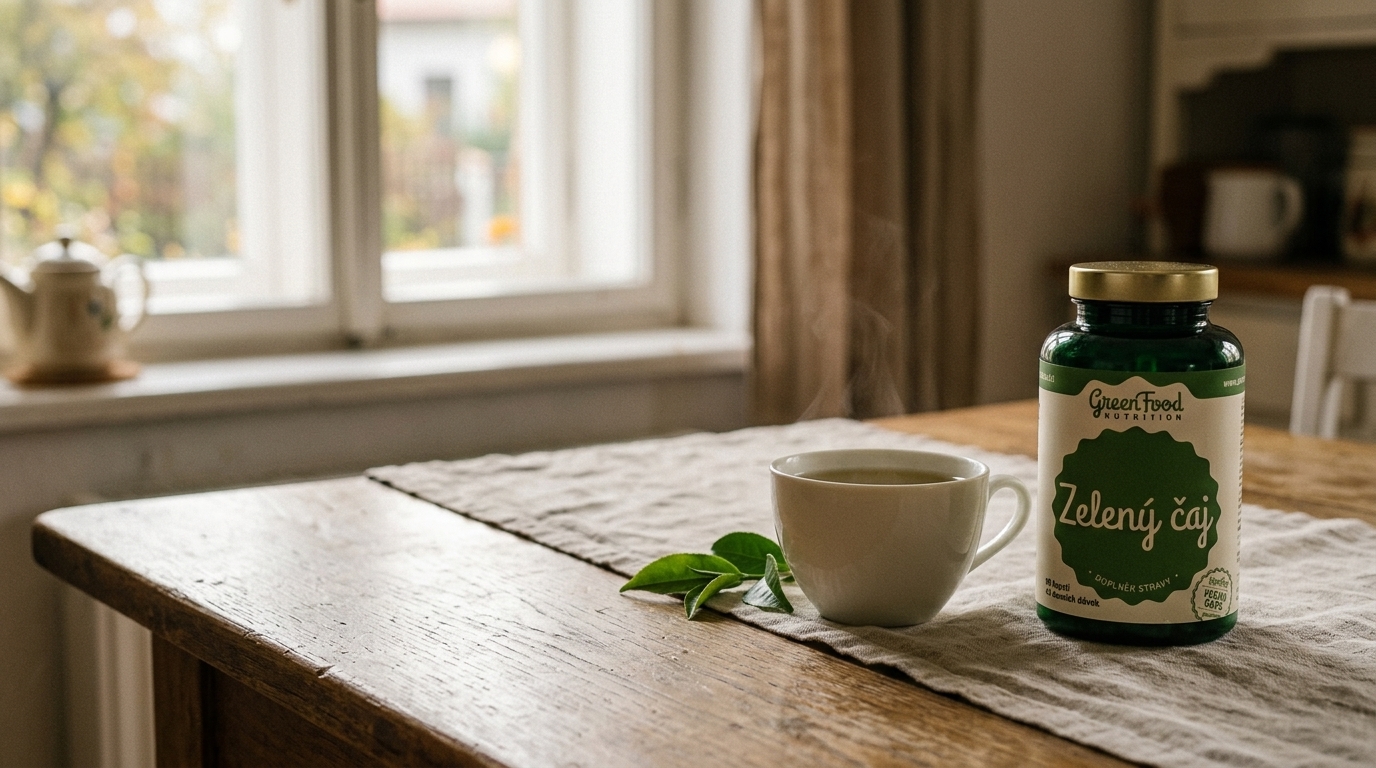
55 scientific studies revealed a surprising connection
In a meta-analysis published in the journal *Frontiers in Nutrition*, researchers evaluated 55 randomized clinical trials involving a total of 4,874 participants.
The research focused on the effects of green tea and its extracts on indicators related to cardiovascular and metabolic health.
The results showed several interesting changes:
- LDL cholesterol: On average, levels of so-called “bad” cholesterol decreased slightly.
- Total cholesterol: The researchers also observed a decrease in total cholesterol.
- Blood sugar: There was a slight improvement in both fasting blood glucose and the long-term indicator HbA1c.
- Blood pressure: Diastolic blood pressure—the lower number—decreased slightly.
However, these were not dramatic results. For example, the average decrease in LDL cholesterol was approximately 5.8 mg/dL, and the decrease in diastolic blood pressure was less than 1 mmHg. This is precisely where the important message of the study lies. Green tea is not a miracle cure for heart disease. However, some of its components may have a beneficial effect on certain risk factors, although the results varied across studies.
It is also crucial to note that the studies often used concentrated extracts. The effects of a regular cup of green tea may therefore not be as pronounced.
Can drinking green tea regularly really benefit the heart?
Interesting findings aren’t limited to clinical trials. Long-term population studies suggest that people who drink tea regularly may have a lower incidence of certain adverse health outcomes. For example, a meta-analysis of 38 sets of prospective population data found an association between regular tea consumption and lower cardiovascular mortality.
However, it’s important to note two things. The research included various types of tea, not just green tea, and it was observational, not direct proof of cause and effect. People who drink tea regularly may also have other healthy habits.
Nevertheless, the results fit into the bigger picture. Heart health typically does not depend on a single food or supplement. Much more important is a combination of daily exercise, a healthy diet, adequate sleep, and habits that can be sustained over the long term.
And green tea, in particular, may be one of them.
Tea, matcha, or extract? Be careful—they’re not the same thing
When scientists discover interesting effects of a certain plant compound, the question quickly arises: Wouldn’t it be better to take it in high doses? With green tea, however, a higher concentration does not automatically mean a better choice.
The European Food Safety Authority (EFSA) has warned that supplements providing 800 mg of EGCG per day or more may be associated with signs of liver damage. The situation is different for commonly prepared tea infusions, and their consumption is generally considered safe. The main difference lies in the concentration of active compounds.
Regular green tea contains catechins in amounts that vary depending on the variety, processing method, and preparation. Matcha is made from finely ground tea leaves, so you’re also consuming the tea powder itself. Concentrated capsules may contain much higher doses of individual compounds.
If you’re looking for a pleasant daily habit, classic unsweetened green tea is a sensible choice. There’s no need to chase after the highest possible concentration of EGCG.
What else can you do for your heart?
Green tea can be a pleasant part of a healthy lifestyle, but true heart care starts on your plate. A sufficient intake of vegetables, whole grains, a moderate calorie intake, and high-quality sources of fat play an irreplaceable role in your diet. Important fats also include the omega-3 fatty acids EPA and DHA, which are found primarily in fatty ocean fish.
If you don’t eat fish regularly, one way to supplement these fatty acids is with GymSupps Omega 3. One capsule contains 180 mg of EPA and 120 mg of DHA. These fatty acids contribute to normal heart function when part of a total daily intake of at least 250 mg of EPA and DHA.
This is not a substitute for a balanced diet, nor is it a treatment for high cholesterol. As with green tea, it is important to view dietary supplements as one way to support your lifestyle over the long term, rather than as a quick fix for health problems.
Recommended
Viridian 100% Organic Green Tea
GreenFood Green Tea
XGen 90cps + Omega 3 90cps
How can you incorporate green tea into your daily life?
One of the best things about green tea is that preparing it doesn’t require any major lifestyle changes. Instead of another sugary drink, you can make yourself one or two cups in the morning. Loose-leaf green tea is often steeped for about 2–3 minutes in water at a temperature of around 70–80 °C, though this always depends on the specific variety. If you find the tea itself too bitter, try a milder variety or a shorter steeping time.
Don’t forget about caffeine either. Green tea naturally contains caffeine, so it may be better for more sensitive people to drink it in the morning rather than right before bed. If you’re taking certain medications, you’ll also need to consider possible interactions. More important than the exact number of cups is consistency and whether this new habit suits you in the long run.
| FORMS OF GREEN TEA | WHAT YOU SHOULD KNOW |
|---|---|
| Classic Green Tea (Steeped tea leaves) |
Contains catechins and caffeine. It is a suitable choice for regular consumption, though the amount of active compounds depends on the type of tea and the method of preparation. |
| Matcha (Ground tea leaves) |
You consume the entire tea powder, not just the infusion. The intake of catechins and caffeine may be higher, but this depends on the portion size used. |
| Iced green tea (Ready-to-drink beverages) |
The tea content can vary significantly. Some varieties also contain added sugar, so it’s worth checking the ingredients. |
| Concentrated extract (Capsules and dietary supplements) |
May contain high doses of EGCG. A risk of liver damage has been observed with some concentrated extracts, particularly at high doses. |
* Catechin and caffeine content varies depending on the product, serving size, and preparation method. The results of studies on concentrated extracts cannot be automatically applied to regular brewed tea.
A healthier life sometimes starts with a simple cup of tea
In a world where new dietary supplements, complex nutrition strategies, and promises of quick results are constantly emerging, green tea may seem almost too ordinary. But it is precisely these simple habits that have one major advantage: we can repeat them every day without having to devote too much energy to them.
Scientific findings suggest that compounds in green tea may have a mild beneficial effect on certain indicators of heart health. However, we don’t yet have evidence that drinking green tea alone will prevent a heart attack or replace treatment for high cholesterol. And perhaps that’s the most important thing. You don’t have to expect miracles from green tea to have a good reason to enjoy it.
Sometimes, a healthier life doesn’t start with a big change, but with a small decision that you can repeat every day.
Recommended
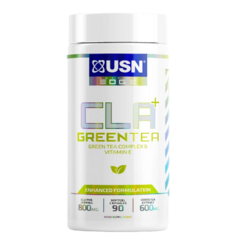
USN CLA Green Tea
Scientific sources:
- Zamani et al. (2023): The effects of green tea supplementation on cardiovascular risk factors
- EFSA: Safety of green tea catechins
- NCCIH: Green Tea – Usefulness and Safety
- Tea consumption and risk of mortality: Meta-analysis of prospective cohorts
No posts have been made yet.