





Citrulline malate: A promising or overrated supplement?
 Author:
 Citrulline malate (CM) has come to the forefront of sports nutrition in recent years as a potential ergogenic agent that could improve performance during strength and high-intensity exercise and accelerate muscle recovery. This combination of the non-essential amino acid L-citrulline and malate, an intermediate of the Krebs cycle, promises synergistic effects on energy metabolism and metabolite removal. However, as a critical review by Gough et al. (2021) shows, the evidence for the efficacy of CM is still equivocal and requires further research.
Article Content:
- Mechanisms of action of citrulline malate
- Evidence for the efficacy of citrulline malate
- Factors affecting the efficacy of citrulline malate
Mechanisms of action of citrulline malate
1. Improving blood flow and oxygen delivery
L-citrulline is a precursor of L-arginine, which is a substrate for the synthesis of nitric oxide (NO), a substance with vasodilatory effects. In theory, increased NO production could improve blood flow and oxygen delivery to active muscles during exercise. However, studies using near-infrared spectroscopy (NIRS) have not shown a significant increase in muscle blood flow or oxygen consumption after supplementation with 8 g of CM two hours before exercise, suggesting that this mechanism may not be the main factor in the effect of CM.
2. Removal of ammonia and delay of fatigue
Citrulline is involved in the urea cycle, which removes ammonia produced during intense exercise. Ammonia accumulation is associated with muscle fatigue. Studies in mice have shown that citrulline supplementation reduces ammonia levels and prolongs time to exhaustion. However, these results have not yet been confirmed in humans, and therefore the question remains whether this mechanism plays a significant role in the ergogenic effect of CM,
3. Increase in ATP production via malate
Malate is an intermediate of the Krebs cycle and may contribute to increased ATP production, which is crucial for muscular work. In addition, it can improve the efficiency of the malate-aspartate transport system (MAS), which transfers electrons to the mitochondria. Studies in mice have shown that L-malate supplementation increases malate dehydrogenase activity and prolongs time to exhaustion. However, these effects have not yet been confirmed in humans and further research is needed.
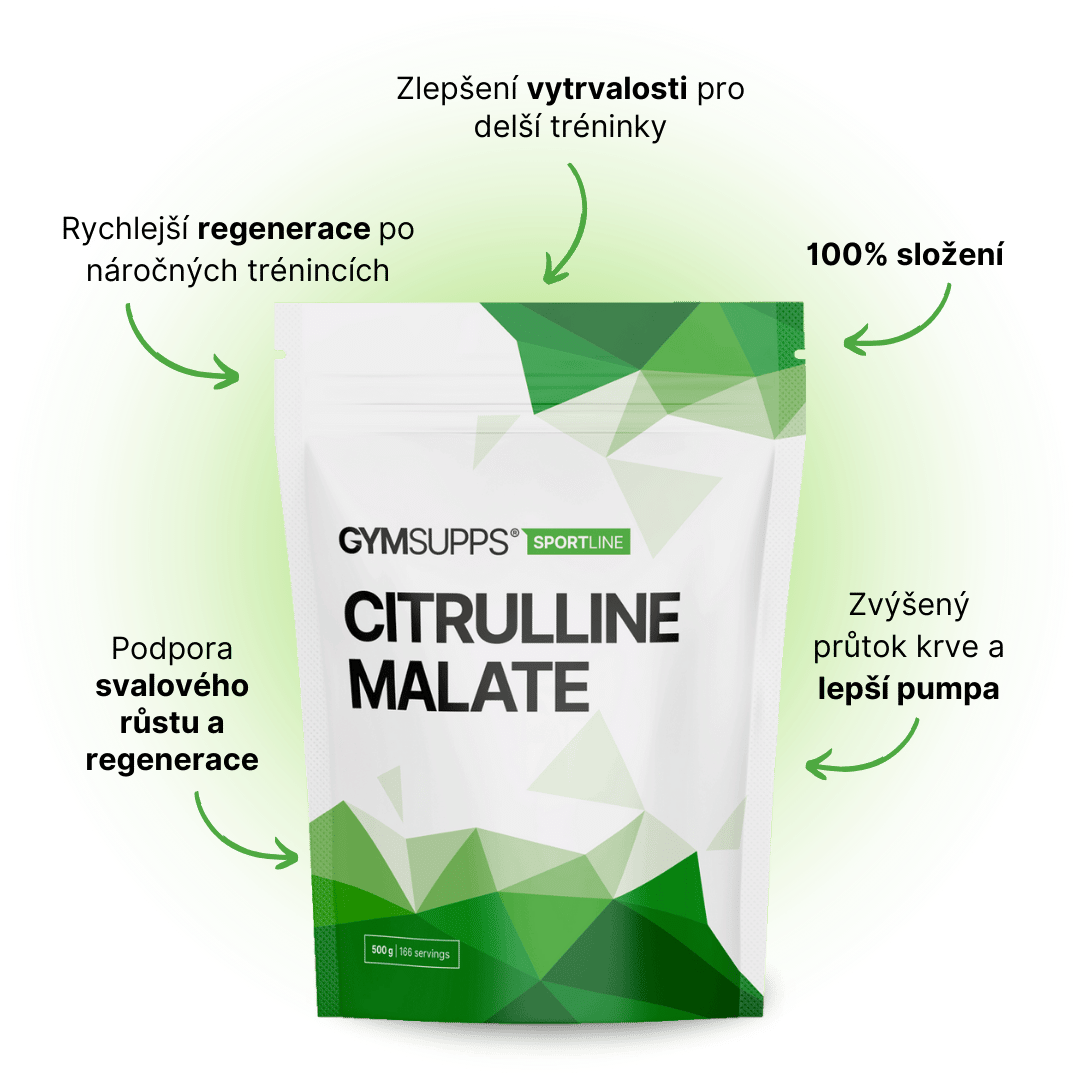
Evidence for the effectiveness of citrulline malate
Studies examining the effects of CM on performance and recovery have produced mixed results.
1. Performance during strength training
Some studies suggest that acute supplementation with 8 g of CM may improve muscular endurance, for example by increasing the number of repetitions during exercise. However, other studies have shown no significant improvement in performance, which may be due to differences in methodology such as type of exercise, training of participants, and timing of supplementation.
2. Muscle recovery
Studies examining the effect of CM on muscle recovery after exercise have not shown significant improvements in parameters such as muscle soreness, creatine kinase levels, or subjective perception of fatigue. This suggests that CM may not have a significant effect on muscle recovery after exercise.
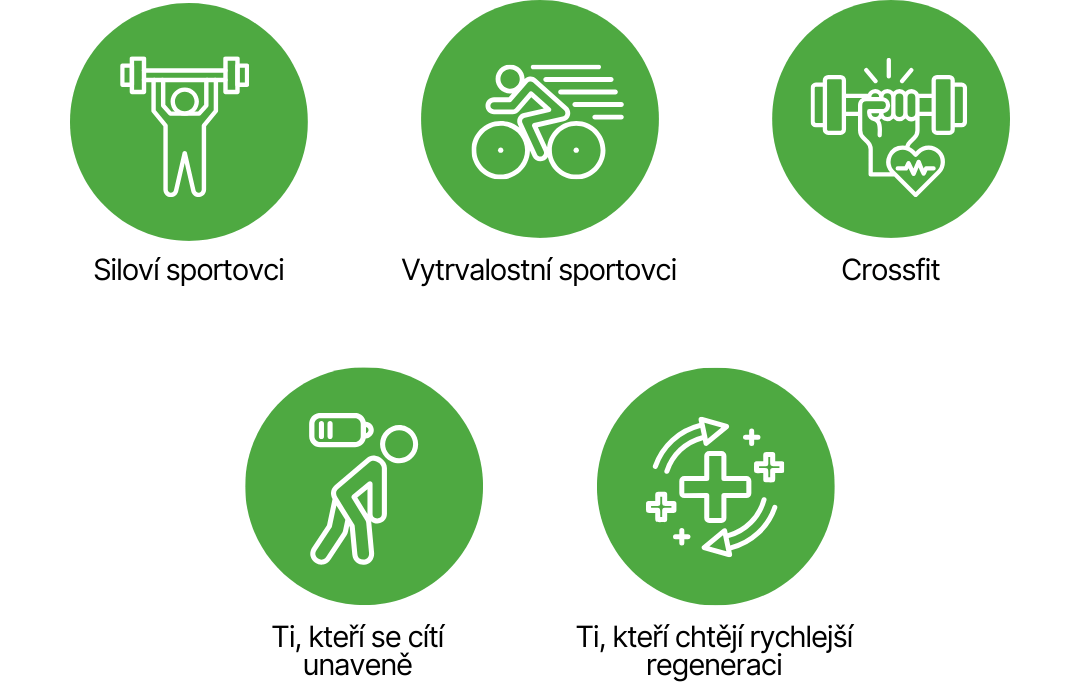
Who will benefit most from the benefits of Citrulline?

Factors affecting the effectiveness of citrulline malate
1. Dosage and timing
Most studies use a dose of 8 g CM given one to two hours before exercise. However, the optimal dosage and timing of supplementation are not yet clearly established. Studies show that plasma citrulline concentrations peak approximately one hour after ingestion but decline rapidly, suggesting that the "ergogenic window" may be short.
2. Quality of supplements
Analyses have shown that some commercially available CM products do not contain the claimed 2:1 citrulline:malate ratio, but a lower ratio such as 1:1. This means that the actual citrulline content may be lower than stated, which may affect the effectiveness of supplementation.
Conclusion
Citrulline malate is a promising dietary supplement with potential ergogenic effects, especially during strength and high-intensity exercise. However, the current evidence is equivocal and requires further research to clarify the optimal dosing, timing, and mechanisms of action of CM. Athletes should be cautious when selecting CM products and pay attention to the quality and composition of supplements.
Recommended
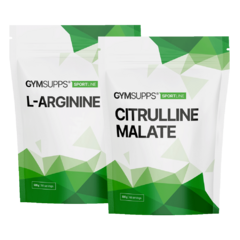
GymSupps Citrulline Malate
Citrulline Malate 500g 1+1
Source:
- Pmc.ncbi.nlm.nih.gov/articles/PMC8571142/
No posts have been made yet.








