





Can a salad be prepared as a complex meal? Thanks to our tips, yes!
 Author:
 There is no season more conducive to healthy eating than summer. Lots of fresh fruit, vegetables, barbecues, lighter meals and outdoor sports. Salads are inherently associated with a lighter diet. You think salads are a food that's just right for rabbits and makes you hungry? That's not true at all! In fact, if you put a salad together correctly, it can be a great meal that is healthy, light, yet nutritious and will keep you full for a long time. With a little imagination you can come up with countless variations and then you can eat salad twice a day! So how to make such a nutritious fitness salad?
1. Vegetables - the colourful base that no salad can do without
The cornerstone of any healthy salad should, of course, be vegetables - ideally fresh ones, which are a great source of fibre and other beneficial substances. Wash any vegetables well first, especially if they are bought. The first thing you can pile into a bowl or plate is a variety of leafy lettuces - arugula, chard, iceberg lettuce, baby spinach, curly lettuce, or perhaps chicory or rocket. Leaf salads are incredibly low in calories and are a rich source of folic acid, vitamin K, A and C.
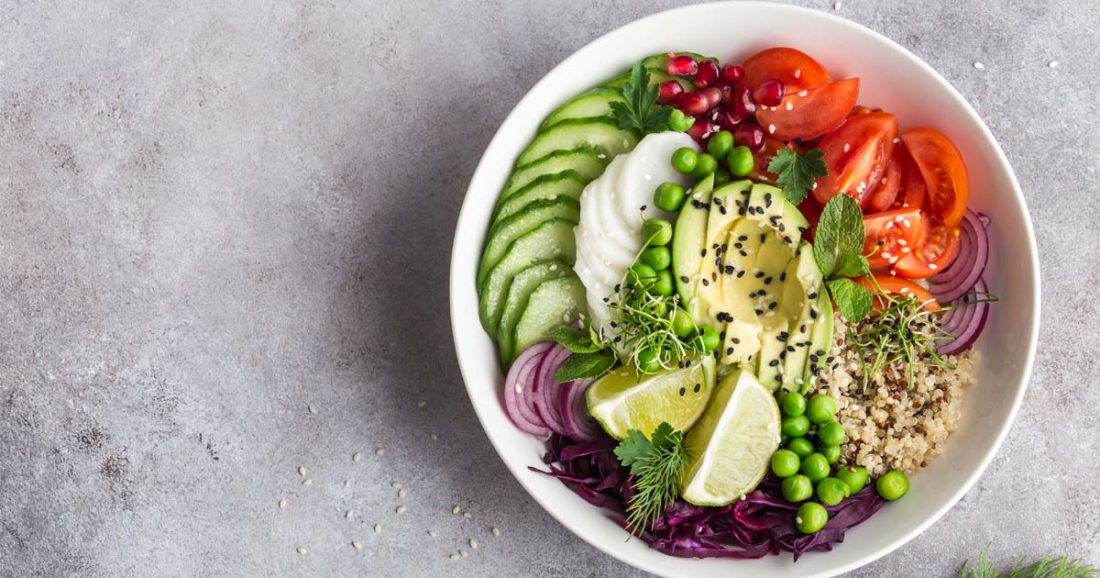
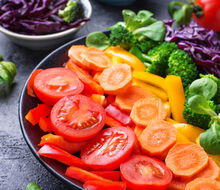
Also, throw any other vegetables into the salad - tomatoes, peppers, cucumber, carrots, beetroot, celery, peas, red cabbage, radishes, kohlrabi, asparagus... just about anything you can get your hands on. Using a variety of vegetables will make the salad beautifully colourful and as you will know from our recent article, eating colourful foods is important to ensure that the body receives a variety of nutrients. This is because all vegetables are rich in fibre and, depending on the type, other health benefits, vitamins and minerals. In summer, there is a great opportunity to use local ingredients - especially if you have a garden, make the most of what it has to offer, as you would be hard pressed to find better quality vegetables than those freshly picked at home.
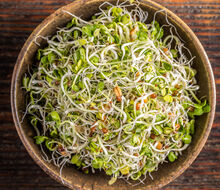
Grilled or roasted vegetables aren't taboo either - such as roasted tomatoes, peppers, onions or perhaps zucchini? Put them in a salad! In fact, you can prepare a healthy salad even when it's hot. Broccoli, cauliflower, roasted carrots or pumpkin are also suitable for warm salads. You can also use fermented vegetables such as kimchi. Don't worry about sterilised vegetables either - add corn, peas, chickpeas or some sterilised mix to salads. For canned ingredients, check the sugar and salt content. You can also incorporate fruit into your salad to spice it up, such a combination of spinach, strawberries and goats cheese? That's one heck of a combo! Citrus fruits, peaches, figs or even melon are also good in salads. You can also spice up your salad with sprouts.
2. Protein - will drive away hunger and help with weight loss and muscle building
Protein is one of the essential macronutrients that shouldn't be missing from anyone's diet, regardless of our physical goals. Sufficient protein is essential for optimal functioning of the whole organism, for building muscle mass, fat reduction and for adequate sports performance. Protein is, in short, really essential and a salad should not be without a source of protein.
And if you're bored with the idea of ceasar with grilled chicken, no worries! You can add any protein to your salad. Beef, turkey, duck breast, salmon, shrimp or pork tenderloin are all great. You can also use canned tuna or sardines. Cheese is also perfect for salad - halloumi, mozzarella, goat's cheese, feta or even ermine. With cheese you have to keep in mind that it is often very fatty and you have to take this into account when putting together the other components, because hermelin can make the salad a really calorific affair. Light mozzarella is preferable, as is cottage cheese or thick yoghurt, which also serve as a dressing.
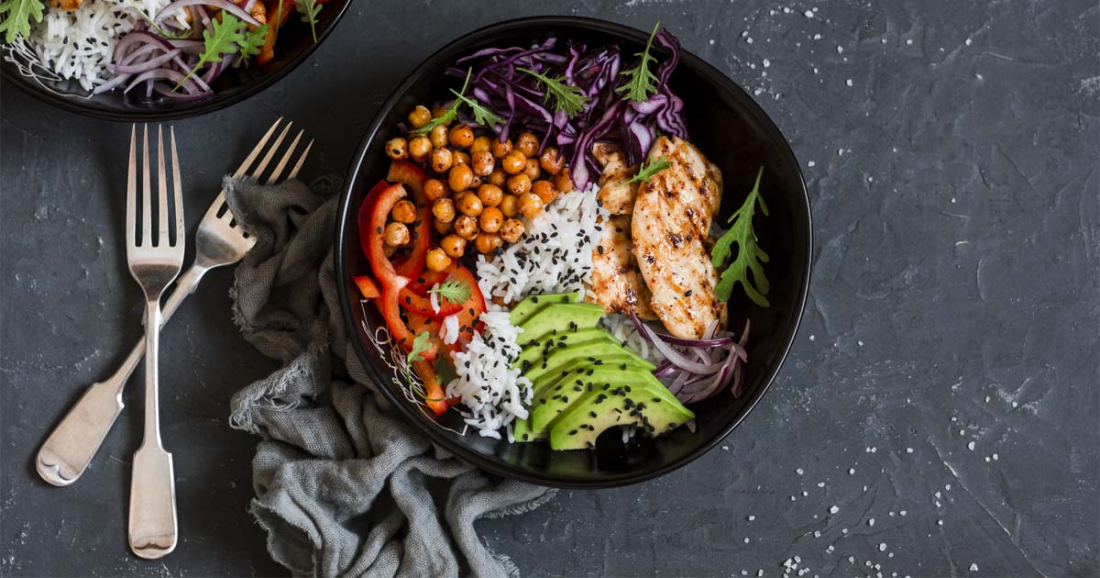
You can also use a boiled egg. Last but not least, there are also vegetarian options - tofu, tempeh or even robi meat. All vegetable meat substitutes fit perfectly into salads. You can also throw in some legumes - chickpeas, beans or lentils. Legumes take care of protein, fiber and complex carbohydrates, and that's great.
3. Complex carbohydrates - a long-term source of energy
If you're choosing a salad as dinner after a calorie-intensive day, or you've used a lot of vegetables, then you don't need to add complex carbohydrates to your salad. But for us, we highly recommend it, because after all, we are building a balanced salad as a complex source of all macronutrients that won't make us hungry again in twenty minutes. You don't have to worry about carbohydrates even in the evening, especially when you are doing some physical activity in the afternoon. Moreover, evening carbs will promote recovery and sleep quality, so go ahead and add them to your salad!
Recommended
Vitamin D3 100cps 1+1
Nutrend BCAA 2:1:1 Powder

Nebbia Open-back crop top STRONG BEAUTY 430
For example, pasta, couscous, buckwheat or quinoa are perfect. Legumes, potatoes or sweet potatoes are also great in a salad. If you don't feel like cooking, reach for good quality rye, wheat or spelt bread or knäckebrot. Alternatively, make crispy croutons out of good quality wholemeal bread.
4. Healthy fats - make the salad really complete
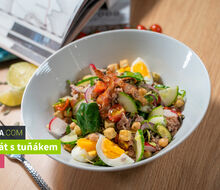
You don't have to worry about fats in your salad either - especially the healthy ones. Fats also carry flavour and are important for the absorption of many vitamins from vegetables. However, beware of fats in other salad ingredients - especially the protein ones. If you've used salmon, a fattier cheese, eggs, or prepared the meat in oil, you shouldn't go overboard with the extra fat. Avocado, for example, is great in a salad and is considered one of the healthiest sources of fat ever.
Vegetable oils such as olive, poppy seed, avocado, hemp, flaxseed or walnut oil are good for cold salads. You can also use nuts and seeds - these add an extra crunchy element to the salad that you'll appreciate not only nutritionally but also in terms of taste. Toast pumpkin or sunflower seeds, garnish the salad with sesame or hemp seeds, add chopped almonds, walnuts or pecans. You can also add coconut slices to the salad for a bit of exoticism. Olives are also a great source of healthy fats.
What about the seasoning?
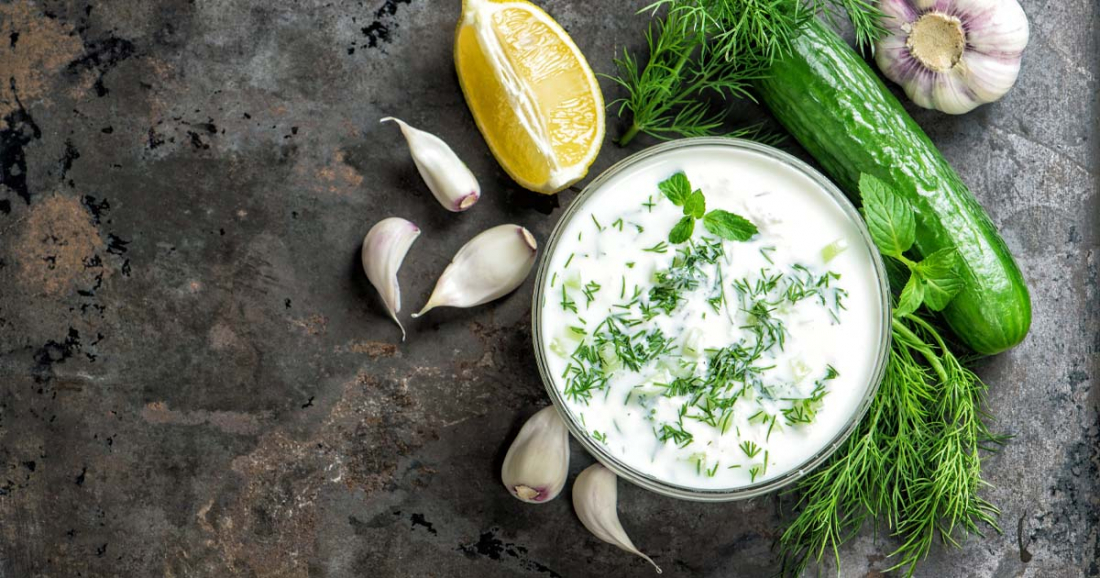
Forget the store-bought toppings and make your own toppings at home. You can use the aforementioned oils, balsamic vinegar, lemon juice, yoghurt or even a spoonful of light sour cream. You can also let your imagination run wild when it comes to dressings. For example, a combination of oil, balsamic vinegar, salt, pepper and mustard makes a great dressing. You can also use fresh herbs, yoghurt, soy sauce, peanut butter, tahini, honey or miso paste. Gourmets can also add chilli or ginger to the salad. If you're packing your salad in a box and have leafy greens in it, put the dressing in a separate container so your salad doesn't wilt. For pasta salads with yoghurt, you can of course mix the dressing straight in.
What to take away from the article?
Today we looked at how to put together a nutritionally balanced salad and how to turn a seemingly boring salad into a complex meal. We firmly believe that our article today has convinced you that even a salad can be the perfect nutrient-packed meal that's filling and, as a bonus, looks beautiful. What's also great about salad is that you can come up with countless variations - just change the vegetables, the carbohydrate component, use fish, cheese or even tofu instead of meat, and play with fat sources like nuts, seeds, avocado or use different types of oil. There are simply no limits to your imagination! What is your favourite salad combination?
No posts have been made yet.








